Nachhaltigkeitsexperten und umweltorientierte Marken sehen sich weiterhin mit einer immer größer werdenden Kluft zwischen ehrgeizigen Recyclingzielen und der Realität konfrontiert, dass weniger als 100 % davon entfernt sind 1% der Kleidungsstücke kehren als neue Fasern zurück. Besonders im Sportbereich, Die Abhängigkeit von Neumaterialien und die begrenzte Recyclinginfrastruktur halten die Branche an ein verschwenderisches lineares Modell gebunden.
Durch die Anwendung zirkulärer Designprinzipien, Auswahl von Materialien, die auf Recyclingfähigkeit ausgelegt sind, und Einführung von Prozessen, die eine einfache Demontage und Wiederverwendung ermöglichen, Marken können Abfall sinnvoll reduzieren, Produktlebensdauer verlängern, und einer echten Kreislaufwirtschaft für Sportbekleidung näher zu kommen.
Wenn Sie bereit sind, diese Prinzipien in echte Produkte umzusetzen, Sansan Sport kann helfen. Besuchen Sie sansansports.com, um mit einem zukunftsorientierten Sportbekleidungshersteller zusammenzuarbeiten, der sich für nachhaltige Innovation einsetzt.
Was ist zirkuläres Design in der Bekleidungsindustrie??
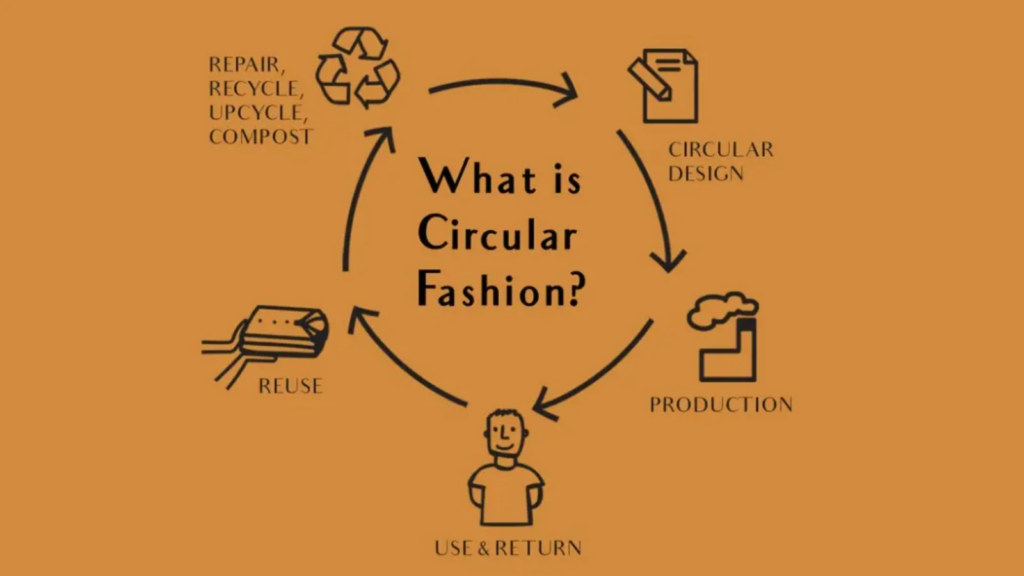
Kreislaufdesign in der Bekleidungsindustrie ist ein Produktentwicklungsansatz, der bewusst Kleidungsstücke für den längeren Gebrauch schafft, einfache Reparatur, und schließlich Recycling oder sicherer biologischer Abbau, Ziel ist es, Verschwendung zu vermeiden und den Materialkreislauf in einem geschlossenen Kreislaufsystem aufrechtzuerhalten.
Im Wandel hin zu nachhaltige Herstellung, Circular Design bietet einen praktischen Rahmen zur Abfallreduzierung und Ressourcenschonung. Aufgrund unserer Erfahrung in der Zusammenarbeit mit Performance- und Sportbekleidungsmarken, Dieses Modell unterstützt die langfristige Wertschöpfung und verringert gleichzeitig die Umweltbelastung.
Zirkuläres Design im Vergleich zu traditionellen linearen Modellen verstehen
Das traditionelle Bekleidungsmodell basiert auf einem Einwegmuster: “Nehmen → Herstellen → Entsorgen”. Dieser Ansatz führt häufig zu großen Mengen an Post-Consumer-Abfällen und zur Erschöpfung der Ressourcen.
Ein kreisförmiges Designmodell, im Gegensatz dazu, verwendet eine absichtliche Schleifenstruktur. Produkte sind auf Langlebigkeit ausgelegt, reparieren, und schließlich Recycling oder biologischer Abbau, Dies unterstützt mehrere Lebenszyklen und verringert die Abfallproduktion.
| Modell | Prozessablauf | Umweltauswirkungen |
|---|---|---|
| Lineares Modell | Nehmen → Herstellen → Entsorgen | Bis zu 73% der Kleidung landet jedes Jahr auf der Mülldeponie |
| Kreisförmiges Modell | Design → Verwendung → Reparatur/Wiederverwendung → Recycling/biologischer Abbau | Mehrere Lebenszyklen, reduzierte Deponieabfälle |
Schlüsselprinzipien und Strategien im zirkulären Bekleidungsdesign
Marken, die Kreislaufprinzipien anwenden, zielen darauf ab, die Produktlebensdauer zu maximieren und gleichzeitig den ökologischen Fußabdruck zu minimieren. Dies erfordert durchdachte Designentscheidungen, Materialbeschaffung, und Servicemodelle, die Kleidungsstücke länger im Einsatz halten.
- Wir entwerfen Kleidungsstücke für eine lange Lebensdauer – oft für eine lange Lebensdauer 2–3 mal länger als Fast-Fashion-Stücke.
- Auswahl recycelter oder biologisch abbaubarer Materialien, um die Umweltbelastung zu verringern.
- Verwendung einer modularen oder leicht zerlegbaren Bauweise zur Vereinfachung von Reparatur und Recycling.
- Anbieten von Reparaturdienstleistungen, Mietprogramme, und Wiederverkaufsoptionen zur Verlängerung der Produktlebensdauer.
- Bis zu erreichen 50% Wassereinsparungen und 30% geringerer Energieverbrauch bei der Herstellung.
In unseren nachhaltigen Sportbekleidungsprojekten bei Sansan Sports, Die Integration von recyceltem Polyester oder Bambusfasern in modulare Bauweisen hat sich sowohl wirtschaftlich als auch umweltfreundlich erwiesen.
Als Hersteller, Wir sehen, dass der Übergang zu Kreislaufmodellen von der Kombination technischer Innovation mit aktiver Verbrauchereinbindung abhängt. Sportbekleidungsmarken können diesen Wandel anführen, indem sie die Recyclingfähigkeit integrieren, Reparierbarkeit, und Ressourceneffizienz in jeder Phase ihrer Design- und Produktionsprozesse.
Materialien und Prozesse, die die Recyclingfähigkeit unterstützen
Unterstützende Materialien und Prozesse Recyclingfähigkeit in Sportbekleidung Fokus auf recyceltem Polyester, Bio-Baumwolle, und fortschrittliche Fasertechnologien kombiniert mit modularem Design, Blockchain-basierte Lieferkettentransparenz, und Closed-Loop-Fertigung. Diese Lösungen fördern eine verbesserte Ressourceneffizienz und unterstützen einen voraussichtlich wachsenden Markt für die Kreislaufwirtschaft $2.3 Billion von 2030.
Der Wandel hin zu einer Kreislaufwirtschaft in der Sportbekleidung hängt sowohl von innovativen Materialien als auch von intelligenteren Produktionsverfahren ab. Unserer Erfahrung nach, Marken, die beides integrieren, verzeichnen eine schnellere Skalierbarkeit und messbare Fortschritte bei der Ressourceneffizienz.
Materialien, die die Zirkularität in der Sportbekleidung vorantreiben
Sportbekleidungsmarken verlassen sich zunehmend auf einen Mix aus etablierten und neuen Materialien, um den Produktionskreislauf zu schließen. Diese Materialien verbessern nicht nur die Recyclingfähigkeit, sondern verringern auch die Abhängigkeit von neuen Ressourcen.
- Recyceltes Polyester ist dank der vorhandenen Recycling-Infrastruktur das dominierende Material.
- Bio-Baumwolle, Bambus, und Hanf bieten natürliches, biologisch abbaubare Alternativen.
- Neue Biokunststoffe wie Algenfolien und aus Holz gewonnene Zellulose verringern die Abhängigkeit von fossilen Brennstoffen.
Während recyceltes Polyester die Akzeptanz anführt, Es wird erwartet, dass die Stoffrecyclingquoten nur 50 % erreichen werden 43% von 2050. Die Lösung von Problemen wie Fasermischungen und Farbstoffverunreinigungen bleibt von entscheidender Bedeutung, um die vollständige Zirkularität in der Bekleidung zu erreichen.
Prozesse zur Verbesserung der Recyclingfähigkeit
Herstellungsprozesse tragen wesentlich dazu bei, dass Materialien länger im Einsatz bleiben. Technologiebasierte Ansätze rationalisieren Recycling-Arbeitsabläufe und reduzieren die Abfallverschmutzung.
- KI-gesteuerte Sortierung und Robotertrennung verbessern die Präzision bei der Abfallverarbeitung und sorgen für höhere Verwertungsraten.
- Das modulare Bekleidungsdesign ermöglicht eine einfache Demontage, Erleichterung des Austauschs und Recyclings von Komponenten.
- Die Blockchain-Supply-Chain-Verfolgung senkt die Reverse-Logistikkosten um 31% und steigert die Wiederherstellungsraten von 54% Zu 78%.
- Die Herstellung im geschlossenen Kreislauf authentifiziert recycelte Inhalte und unterstützt die zirkuläre Beschaffung.
Marktdaten und Auswirkungen auf die Branche
Die finanziellen und betrieblichen Vorteile der Einführung recycelbarer Materialien und Prozesse sind zunehmend quantifizierbar, Dies beeinflusst sowohl die Markenstrategie als auch das Anlegervertrauen.
| Metrisch | Leistung |
|---|---|
| Globaler Marktwert der Kreislaufwirtschaft | $656.23B jetzt → $2.3T In 2030 → $7.9T von 2050 |
| Ressourceneffizienz durch Materialflussverfolgung | +44% im Vergleich zum Branchendurchschnitt |
| Einsparungen bei den Rohstoffkosten | 15–35 % Reduktion |
| Jährliche Einsparungen durch recycelte gegenüber neuen Materialien | $2.8M pro $100M Einnahmen |
| Gewinnmargensteigerung nach Einführung des Rundschreibens | +23% innerhalb 3 Jahre |
Standards und Zertifizierungen zur Unterstützung der Recyclingfähigkeit
Die Einhaltung anerkannter ökologischer und ethischer Benchmarks hilft Marken dabei, Nachhaltigkeitsaussagen zu validieren und regulatorische Erwartungen zu erfüllen.
- ISO 14001 – Umweltmanagementsysteme zur Einhaltung der Nachhaltigkeit.
- OEKO-TEX-Standard 100 – Gewährleistet die chemische Sicherheit in Textilien.
- BSCI – Bestätigt soziale Verantwortung in der Fertigung.
- Die Circular Textiles Initiative der Ellen MacArthur Foundation – Bietet neue Maßstäbe für die textile Zirkularität.
Werten Sie Ihre Sportbekleidung mit maßgeschneiderter Innovation auf
Arbeiten Sie mit Sansan Sports zusammen, um Zugang zu modernster Fertigung und nachhaltigen Materialien zu erhalten, die vom Experten R. unterstützt werden&D. Leistungsorientiert liefern, Anpassbare Kleidung, die Ihre Marke weltweit hervorhebt.
Vorteile für Marken und Umwelt
Die Einführung von Kreislaufwirtschaftspraktiken bei Sportbekleidung bringt messbare Vorteile für beide Marken und die Umwelt: über 70% der Führungskräfte in der Fertigung erwarten einen Umsatzanstieg um 2027 aus zirkulären Lösungen, während zirkuläre Modelle den CO2-Fußabdruck um bis zu reduzieren können 8X im Vergleich zur traditionellen Produktion und erschließen einen wirtschaftlichen Wert in Milliardenhöhe.
Aus unserer Erfahrung heraus arbeiten wir mit auf Nachhaltigkeit ausgerichteten Sportbekleidungsmarken zusammen, Die Kreislaufwirtschaft bietet greifbare finanzielle Vorteile, Umwelt, und Wettbewerbsvorteile. Diese Vorteile umfassen Wachstumspotenzial, Ressourceneffizienz, und langfristiger Marktwert.
Umsatzwachstum und betriebliche Vorteile
| Metrisch | Auswirkungen |
|---|---|
| Führungskräfte erwarten ein Umsatzwachstum von 2027 | 70%+ |
| Wir sind davon überzeugt, dass Zirkularität die betriebliche Belastbarkeit verbessert | 66% |
| Erwarten Sie Kosteneinsparungen trotz Investitionen | 50%+ |
Sportbekleidungsmarken, die sich Kreislaufmodelle zu eigen machen, berichten von einer verbesserten Anpassungsfähigkeit an Marktschocks, geringere Abhängigkeit von volatilen Rohstoffpreisen, und eine bessere Ausrichtung auf die nachhaltigkeitsorientierte Verbrauchernachfrage.
Reduzierung der Umweltbelastung
| Verfahren | Energie-/Emissionsauswirkungen |
|---|---|
| Aluminium recyceln | Nur für Verwendungszwecke 5% der primären Produktionsenergie |
| CO2-Fußabdruck pro kg (Recycelt vs. primär) | 1.9 kg Co₂e vs 15.2 kg cooe |
| Emissionen der Lieferkette | Reduzierung bis 8X |
Durch die Integration recycelter Materialien in Performance-Bekleidung, Marken reduzieren ihren ökologischen Fußabdruck erheblich und behalten gleichzeitig hohe Haltbarkeits- und Qualitätsstandards bei.
Wirtschaftliche Chancen und Marktpotenzial
| 📈 Marktsegment | Wert/Arbeitsplätze |
|---|---|
| Marktwert der zirkulären Mode (2025 → 2032) | $7.63B → $13.94B |
| Europäisches Potenzial von 2030 | $560B + 700,000 Arbeitsplätze |
| Arbeitsmarktprognose für Großbritannien (2035) | 284,000 London | 450,000 bundesweit |
Das Marktwachstum signalisiert ein zunehmendes Interesse der Anleger an kreislauforientierten Sportbekleidungsinnovationen, Von recycelten Fasern bis hin zu fortschrittlichen Programmen zur Wiederverwertung von Kleidungsstücken.
So implementieren Sie Zirkularität in Sportbekleidungslinien
Die Umsetzung der Zirkularität in Sportbekleidungslinien erfordert eine Abkehr vom linearen Prinzip „Nehmen, Machen, Verschwenden“.’ von Modellen bis hin zu zirkulären Ansätzen wie dem Wiederverkauf, Vermietung, reparieren, und Recycling. Der Erfolg hängt davon ab, dass Produkte auf Langlebigkeit und Zerlegbarkeit ausgelegt sind, Nutzung digitaler Tracking-Technologien, und Investitionen in die Reverse-Logistik-Infrastruktur.
Der Übergang zu einer Kreislaufwirtschaft in der Sportbekleidung erfordert tiefgreifende Veränderungen sowohl im Designdenken als auch in den Betriebsmodellen. Marken müssen überdenken, wie Produkte hergestellt werden, gebraucht, und erholte sich, mit Zusammenarbeit in der gesamten Lieferkette.
Kerngeschäftsmodelle der Kreislaufwirtschaft in der Sportbekleidung
Unserer Erfahrung nach, Mehrere Kernmodelle legen den Grundstein für eine nachhaltige Sportbekleidungsindustrie. Diese Geschäftsansätze verlängern die Lebensdauer von Produkten und begrenzen die Abfallerzeugung.
- Wiederverkaufsmodelle – Second-Hand-Märkte, auf denen Produkte länger genutzt werden können.
- Mietmodelle – Abonnement- oder Event-Zugang zu Sportbekleidung ohne Eigentum.
- Reparaturdienste – interne oder von Partnern durchgeführte Reparaturen zur Verlängerung der Lebensdauer von Kleidungsstücken.
- Recyclingsysteme – Rückgewinnung von Fasern und Materialien für die Neuproduktion.
Von 2030, Solche Modelle sollen erfassen 23% des globalen Modemarktes, zeigt Dynamik für Early Adopters.
Gestaltung von Sportbekleidung im Sinne der Zirkularität
Die Designstrategie ist von zentraler Bedeutung für die Ermöglichung der Zirkularität. Materialien und Konstruktionsmethoden müssen Langlebigkeit und Erholung nach der Nutzung unterstützen.
- Verwendung langlebiger Stoffe und Oberflächen, die wiederholtem Tragen und Waschen standhalten.
- Einbindung reparaturfreundlicher Komponenten und modularer Aufbau.
- Biologisch abbaubare Gewinde zur einfacheren Demontage beim Recycling.
- Integration von recyceltem Polyester und nachhaltiger Baumwolle in neue Kleidungsstücke.
Wenn Materialien unter Berücksichtigung des Lebensendes ausgewählt werden, Die Kosten für Rückgewinnung und Recycling sinken, während sich der Ruf der Marke in Bezug auf Nachhaltigkeit verbessert.
Marken, die Zirkularität als strategische Säule statt als Kampagnenbotschaft betrachten, sind besser für die Widerstandsfähigkeit des Marktes und die Einhaltung künftiger Vorschriften aufgestellt.
Die Zukunft vollständig recycelbarer Sportbekleidung
Vollständig recycelbare Sportbekleidung ist auf dem besten Weg, ein wichtiges Wachstumssegment innerhalb der Kreislaufwirtschaft zu werden, angetrieben durch die Nachfrage der Verbraucher nach Nachhaltigkeit, schnelle Materialinnovation, und groß angelegte Markenengagements für Recycling und geschlossene Kreislaufsysteme.
Der Markt für vollständig recycelbare Aktivbekleidung gewinnt als Marke immer mehr an Bedeutung, Lieferanten, und Verbraucher orientieren sich an den Grundsätzen der Kreislaufwirtschaft in der Sportbekleidung. Dieser Wandel verbindet nachhaltige Textilinnovationen mit skalierbaren Rückgewinnungssystemen.
Marktüberblick und Wachstumsprognosen
Marktdaten zeigen ein starkes Expansionspotenzial in den Kategorien nachhaltige Performance-Bekleidung und Athleisure.
| Metrisch | Wert |
|---|---|
| Globale Activewear-Marktgröße nach 2025 | $412.1B – $430.3B |
| Nachhaltiges Wachstum des Athleisure-Marktes (2024–2030) | $88.75B → $176.05B |
| Globale CAGR für Aktivbekleidung (2025–2033) | 9.5% |
| Nachhaltiger Athleisure-CAGR (2024–2025) | 7.7% |
| Regionaler Marktanteil | Europa: 30% ($123.6B) | Asien-Pazifik: 23% ($94.8B) | Nordamerika: 34.23% |
Materialien und Kreislaufinitiativen
Unserer Erfahrung nach, Das Rückgrat recycelbarer Sportbekleidung liegt in der Wahl der Fasern und dem Ökosystem rund um die Produktrückgewinnung.
- Recycelbare Stoffe: Recyceltes Polyester aus Plastikflaschen, recyceltes Nylon, Bio-Baumwolle, und Bambusfaser.
- Markengeführte Programme: Adidas‘ „Made To Be Remade“-Initiative zur Rücknahme und zum Recycling von Kleidungsstücken.
- Zertifizierungen für Transparenz: Globaler Bio-Textilstandard (GOTS), Globaler Recycling-Standard, und Fairer Handel.
Leistung und Verbraucherakzeptanz
Moderne recycelte Textilien sind hinsichtlich der Haltbarkeit mit Neumaterialien vergleichbar oder übertreffen diese sogar, strecken, Und feuchtigkeitstransportierend. Dies räumt mit dem verbreiteten Mythos auf, dass Umweltfreundlichkeit gleichbedeutend mit Leistungseinbußen sei.
- Über 60% des nachhaltigen Athleisure-Umsatzes stammen aus Massenmarktprodukten, Der Nachweis der Barrierefreiheit fördert die Akzeptanz.
- Jünger, Umweltbewusste Verbraucher beeinflussen Produkt-Roadmaps und Markenstrategien für Sportbekleidung.
FAQs
Was ist Closed-Loop-Mode??
Closed-Loop-Mode bezeichnet ein Produktionsmodell, bei dem Bekleidung so konzipiert ist, dass ihre Materialien am Ende ihrer Lebensdauer zurückgewonnen und wiederverwendet werden können. Unserer Erfahrung nach Sportbekleidung entwerfen für umweltbewusste Marken, Dies bedeutet oft, Stoffe aus einem einzigen Material zu verwenden und Mischfasern zu vermeiden, die schwieriger zu recyceln sind.
Zum Beispiel, in der Kreislaufwirtschaft in der Sportbekleidung, Jerseys aus recyceltem Polyester können zu neuen Stoffen weiterverarbeitet werden, ohne dass ihre Leistungsfähigkeit verloren geht. Ziel ist die kontinuierliche Nutzung der Ressourcen, Minimierung von Deponieabfällen.
Ist es kostengünstig??
Ja, wenn es gut gemanagt wird, Kreislauffähige Bekleidungssysteme können kosteneffektiv sein. Die Anfangsinvestitionen in nachhaltige Materialien können höher sein, Aber langfristige Einsparungen in der Lieferkette aufgrund der geringeren Rohstoffnachfrage gleichen dies aus.
Marken profitieren auch von der Kundentreue und der Premium-Positionierung von Öko-Performance-Ausrüstung, was zu höheren Margen führen kann. OEM-Modelle wie unseres helfen dabei, die Produktion zu skalieren Kosten verwalten durch Stoffinnovationen.
So recyceln Sie Elasthan?
Elastan, auch bekannt als Spandex oder Lycra, ist schwierig zu recyceln, da es normalerweise mit anderen Fasern vermischt wird. Der effizienteste Weg ist die mechanische Zerkleinerung mit anschließender chemischer Trennung, Allerdings ist dies immer noch kostspielig und im Umfang begrenzt.
In nachhaltigen Sportbekleidungsprojekten, Wir helfen Marken dabei, den Elastanverbrauch zu reduzieren oder sich für recycelte Elasthan-Alternativen zu entscheiden. Dies erleichtert die Erholung nach dem Konsum und unterstützt Strategien der Kreislaufwirtschaft.
Markenbeispiele?
Mehrere Sportbekleidungsmarken wenden aktiv die Prinzipien der Kreislaufwirtschaft an. Große Player integrieren recyceltes Polyester, Rücknahmeprogramme, und Kleidungsstück-zu-Kleidungs-Systeme in ihren Kollektionen.
- ✅ Patagonia – Reparatur- und Recyclingdienste für Funktionsbekleidung.
- ✅ Adidas – Primegreen- und Primeblue-Linien aus recycelten Kunststoffen.
- ✅ Girlfriend Collective – Sportbekleidung aus recycelten Flaschen und Fischernetzen.
Wir haben mit ähnlichen nachhaltigkeitsorientierten Marken zusammengearbeitet, um geschlossene Kollektionen zu entwickeln, die auf deren Zielgruppe zugeschnitten sind.
Regierungsinitiativen?
Viele Regierungen haben Richtlinien eingeführt, um zirkuläre Textilpraktiken voranzutreiben. Dazu gehören Gesetze zur Herstellerverantwortung, die Marken dazu verpflichten, alte Kleidungsstücke zu sammeln und zu recyceln, plus steuerliche Anreize für die Verwendung recycelter Materialien.
In Europa, erweiterte Herstellerverantwortung (EPR) Systeme werden zum Standard, während asiatische Produktionszentren strengere Vorschriften zur Abfallminimierung umsetzen. Wir stellen die Einhaltung sicher, indem wir die Produktion an internationalen Nachhaltigkeitszertifizierungen ausrichten.
Letzte Gedanken
Kreislaufsportbekleidung bietet Marken einen klaren Weg, ihre Nachhaltigkeitsziele mit dem Marktwachstum in Einklang zu bringen. Indem wir Recyclingfähigkeit in das Design integrieren, Auswahl von Materialien, die mehrere Lebenszyklen ermöglichen, und Integration fortschrittlicher Wiederherstellungstechnologien, Unternehmen können Abfallströme reduzieren und gleichzeitig die Produktleistung erhalten. Fallstudien von Marktführern wie Adidas und Patagonia zeigen, dass Closed-Loop-Modelle, sei es durch technisches Recycling oder verlängerte Produktlebensdauer, messbare ökologische und wirtschaftliche Vorteile liefern.
Für Unternehmen, Durch die Übernahme dieser Strategien wird die Widerstandsfähigkeit gegenüber Ressourcenvolatilität gestärkt, stärkt die Einhaltung gesetzlicher Vorschriften, und spricht eine wachsende Zahl umweltbewusster Kunden an. Der Übergang von Pilotprogrammen zur vollständigen Integration erfordert klare Designstandards, robuste Rückwärtslogistik, und transparente Lieferketten – ein Prozess, der mit erfahrenen Partnern reibungsloser verläuft, die sowohl Produktions- als auch Rückgewinnungssysteme in die Rentabilität führen können, nachhaltige Ergebnisse.