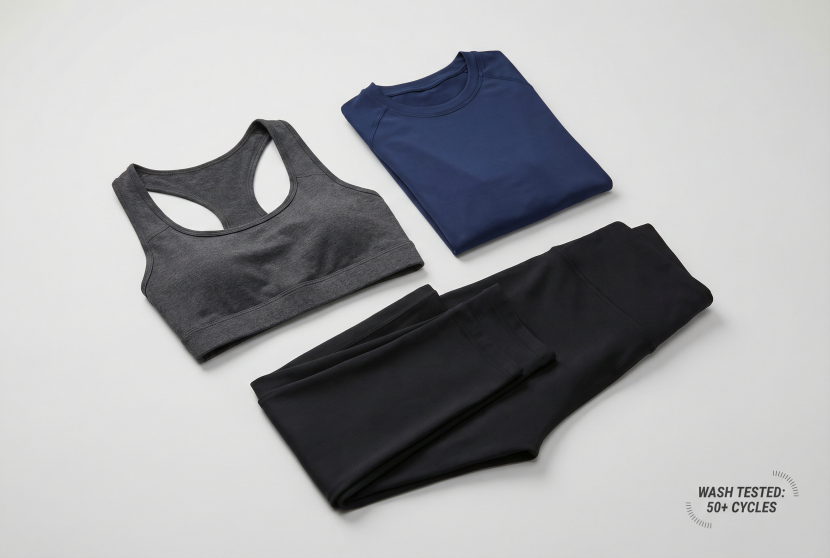
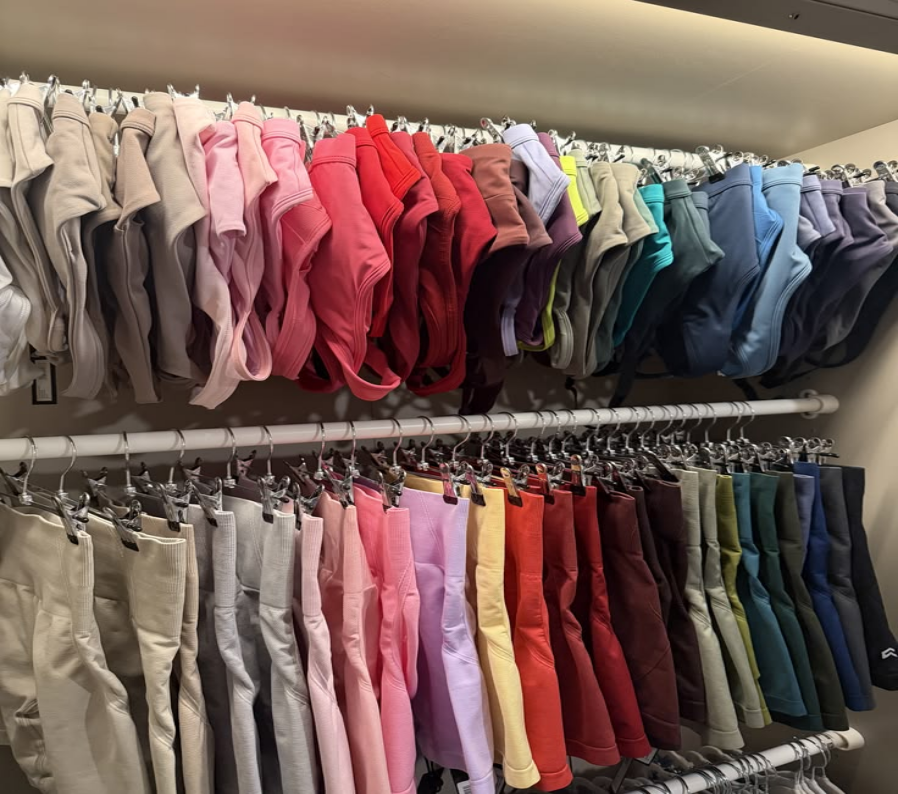
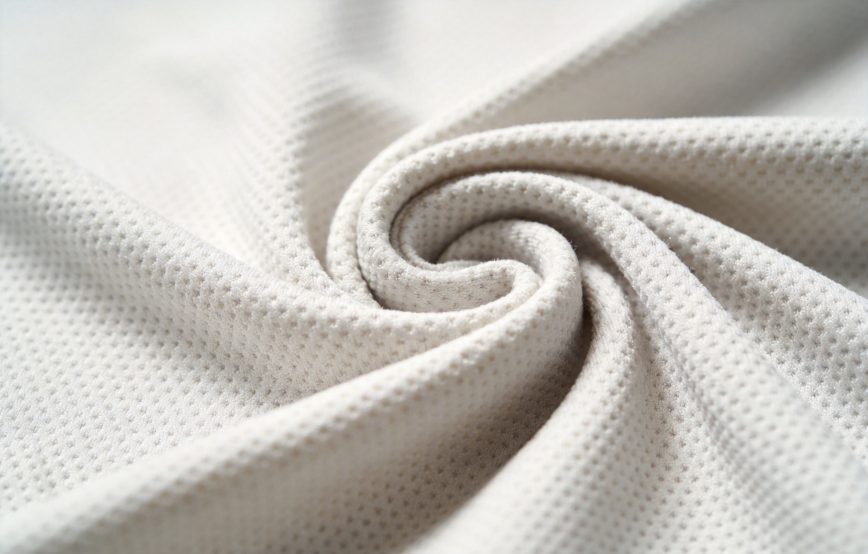
In the fast-growing market of yoga athletic wear, quality is defined by how a garment feels after months of use, not just how it looks on a mannequin. For brand owners and startups, one of the most common complaints from customers is “fabric fatigue”—where leggings lose their tightness or sports bras become loose after a few gym sessions. This is where the concept of fabric “memory” becomes essential.
Understanding how high-end textiles maintain their integrity is the key to building a successful clothing line. As a professional manufacturer for activewear, we know that “memory” isn’t just a marketing buzzword; it is a technical requirement for high-performance apparel. In this guide, we will break down the science of shape recovery and explain why choosing the right fitness apparel suppliers can make or break your brand’s reputation for durability.
Stoff “Memory” Function: Premium Shape Recovery Explained

Fabric memory refers to a material’s ability to return to its exact original state after being stretched, gezogen, or compressed. In the world of activewear brands, this is often called “shape recovery.” When a customer puts on a pair of yoga leggings, they expect a snug, unterstützende Passform. If the fabric has good memory, it will provide that same level of compression every single time it is worn.
For those new to the industry, it is important to realize that stretch and recovery are two different things. Almost any fabric can stretch, but not all fabrics can recover. Poor shape recovery leads to sagging at the knees, loose waistbands, and a general loss of support. Premium shape recovery ensures that the garment stays “true to size” throughout its entire lifespan. This function is vital for yoga athletic wear because the movements involved are diverse and high-intensity, putting constant pressure on the textile fibers.
What Makes Fabrics “Remember” Their Original Shape
The ability of a fabric to “remember” its shape starts with the quality of the elastic fibers used during the knitting process. Most modern activewear is made from a blend of synthetic fibers, usually Nylon or Polyester mixed with Spandex (also known as Elastane). While the Nylon provides the soft touch and strength, the Spandex provides the “spring.”
Jedoch, not all Spandex is created equal. Top-tier active wear manufacturers source high-performance elastic yarns that have a higher “retraction force.” This means the fiber doesn’t just stretch; it actively wants to pull back to its starting point. When these fibers are knitted together in a dense pattern, they create a supportive matrix. Und Sansan Sports, we focus on the relationship between the yarn thickness and the knit density to maximize this memory effect. If the yarn is too thin or the knit is too loose, the memory function will be weak, leading to a product that feels “tired” after only a few wears.
Polymer Science: Molecular Memory in High-End Yarns
To truly understand memory, we have to look at the microscopic level. High-end synthetic yarns are made of long chains of molecules called polymers. In premium yoga athletic wear, these molecular chains are designed with “soft” Und “hard” segments. The soft segments allow the fiber to extend when you move, while the hard segments act like anchors that remember where the fiber belongs.
When you stretch a high-quality yarn, you are temporarily straightening these molecular chains. As soon as you release the tension, the “molecular memory” kicks in, and the anchors pull the chains back into their coiled, relaxed state. This is why professional custom sportswear feels different from cheap alternatives. The science is built into the fiber itself. As a specialized manufacturer for activewear, we help our clients select yarns that have been chemically stabilized to ensure this molecular “snap” stays strong for years.
100-Wash Durability: Recovery Testing Standard
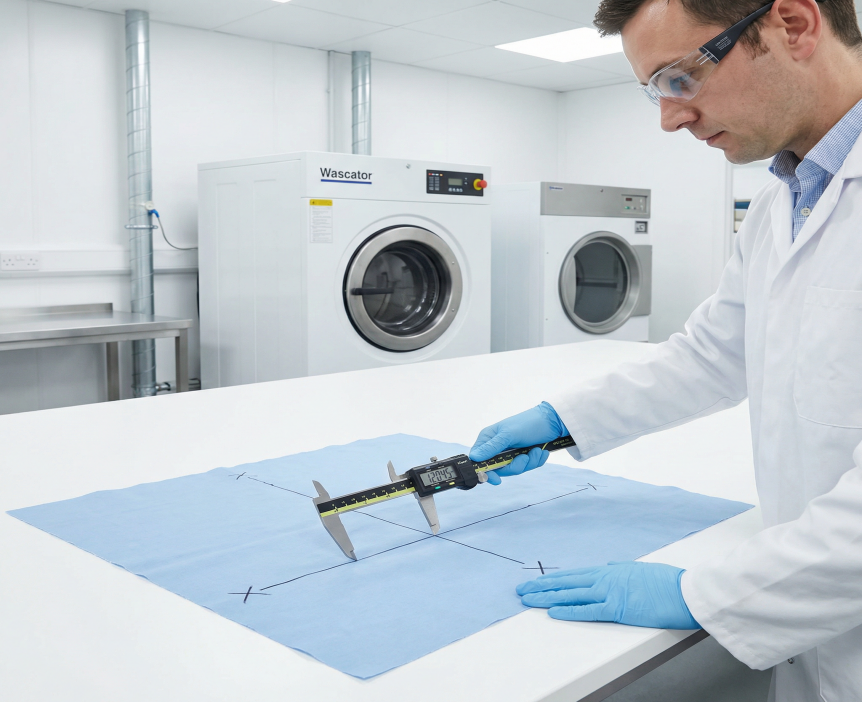
One of the biggest hurdles for new activewear brands is ensuring their products survive the washing machine. Standard clothing might look fine after a few washes, but technical gear is held to a higher standard. Der “100-Wash Test” is a benchmark used by professional fitness apparel suppliers to prove that a fabric’s memory function is permanent.
During this testing process, fabric samples are repeatedly stretched to their limit and then put through industrial washing and drying cycles. We measure the length of the fabric before and after. If a 10cm sample becomes 11cm after washing, it has a 10% “Wachstum” rate, which is considered poor. Premium fabrics should show less than 3% growth even after 100 cycles. Und Sansan Sports, we conduct these tests in-house to ensure that our custom sportswear remains consistent. This rigorous checking process protects your brand from bulk returns and unhappy customers who complain about their clothes “growing” over time.
Heat-Set Processes for Permanent Shape Memory
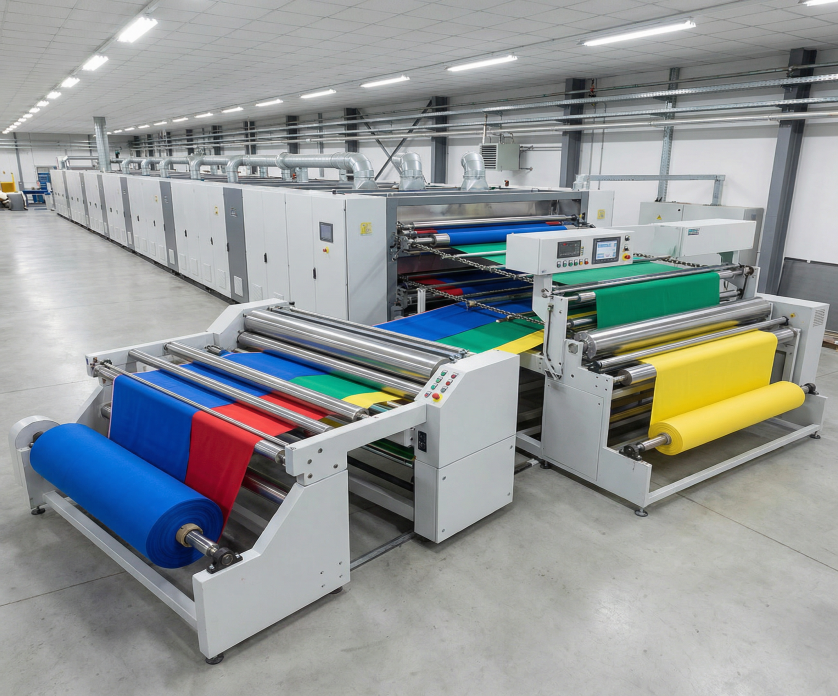
Even the best yarn can lose its shape if it isn’t “set” correctly during manufacturing. Heat-setting is a critical step where the fabric is passed through a high-temperature machine called a stenter. This process “bakes” the memory into the fabric. By heating the material to a specific temperature—usually between 180 Und 190 degrees Celsius—the internal structure of the fibers is stabilized.
This step is where many low-cost active wear manufacturers cut corners to save time or energy. If the heat-setting is skipped or done at the wrong temperature, the fabric will eventually “creep,” meaning it will slowly lose its shape even without being washed. Our factory uses advanced computer-controlled stenters to ensure every meter of fabric is treated with the exact heat required for its specific blend. This ensures that the memory is locked in permanently, providing a reliable foundation for your yoga athletic wear collections.
Blend Engineering: Optimal Recovery Formulations
Every type of exercise requires a different type of fabric memory. A sports bra for high-impact running needs a much stronger “pullback” than a pair of loungewear leggings. This is where blend engineering comes in. By adjusting the percentage of Spandex and the way the yarns are twisted, we can create different levels of recovery.
Through our MDMD services, we work with brand owners to develop custom formulations. Zum Beispiel, a 75/25 Nylon-Spandex blend is often the “gold standard” for high-compression gear, while an 80/20 blend might be better for “naked feel” Yoga-Kleidung. We don’t just provide off-the-shelf fabrics; we engineer the textile to match the specific needs of your activewear brands. This customized approach ensures that your products offer the exact level of support and memory your target audience expects.
Real-World Performance After Laundry Cycles
In the real world, fabric memory is what allows an athlete to focus on their performance rather than their clothing. There is nothing more distracting than a waistband that rolls down during a workout or leggings that become transparent because the fibers have over-stretched. Premium memory fabrics solve these problems by maintaining a constant tension against the body.
When you partner with an experienced manufacturer for activewear like Sansan Sports, you are investing in this long-term performance. We understand that your customers are looking for value. If they buy a piece of custom sportswear that still fits perfectly after a year of heavy use, they will become loyal advocates for your brand. High-performance recovery is the invisible technology that turns a simple garment into a professional piece of athletic equipment.
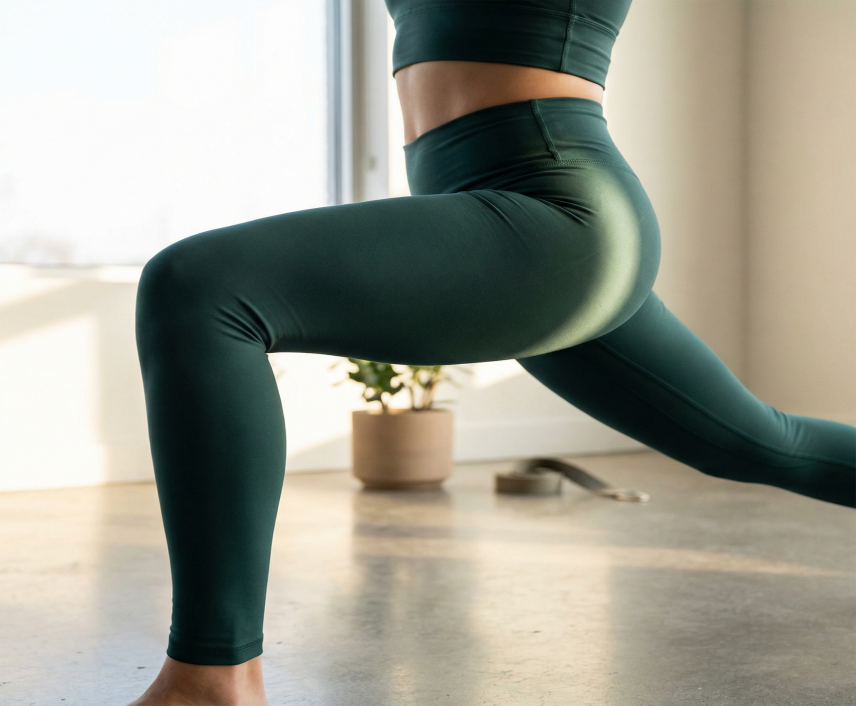
Recommended image: A lifestyle photo of a person in a deep yoga stretch, showing the fabric tight and smooth across the knees and hips.
Häufig gestellte Fragen
Why does my activewear feel looser after a few hours of wearing it?
This is known as “bagging.” It happens when the fabric has low recovery power. The fibers stretch out as you move but don’t have the internal strength to pull back. Choosing fabrics with a higher retraction force from quality fitness apparel suppliers can prevent this.
Is fabric memory the same as “anti-shrinkage”?
Not exactly. Anti-shrinkage prevents the garment from getting smaller. Fabric memory prevents the garment from getting larger or losing its shape. Both are controlled during the heat-setting process at the factory.
Can I get memory function in recycled fabrics?
Ja. Modern recycled polyester and nylon can be blended with high-quality spandex to achieve excellent memory. Und Sansan Sports, we offer several eco-friendly options that do not compromise on shape recovery.
How can I test the memory of a sample at home?
The simplest way is the “snap test.” Stretch the fabric as far as you can and let go suddenly. It should snap back instantly and look exactly like it did before the stretch. If you see any ripples or “waves” in the fabric, the memory is insufficient for professional yoga athletic wear.
Recommended image: An inspector holding a finished sports bra, stretching the band to show its elasticity and then showing it returned to its original shape.
Abschluss
Der “Memory” function is the heartbeat of high-quality activewear. It is what separates professional gear from everyday clothing. For brand owners, focusing on fabric recovery is the most effective way to reduce customer complaints and build a reputation for quality. By understanding the science of yarns, the importance of heat-setting, and the necessity of rigorous wash-testing, you can create a product line that truly stands the test of time.
Bei Sansan Sport, we are dedicated to helping activewear brands navigate these technical details. From fabric sourcing and blend engineering to our full MDMD manufacturing services, we ensure that every garment we produce “remembers” its shape—so your customers remember your brand.
Are you ready to develop your next high-performance collection?
Contact our team today to request fabric swatches or to discuss how our customization services can bring your vision to life. Let’s build something that lasts together.