This guide provides a precise breakdown of materials from natural cotton and linen to advanced synthetics like nylon and spandex. We detail specific metrics, including ISO 2076 standards and optimal gsm ranges, to ensure informed material selection for your next collection.
The Main Types of Cloth Fabric Explained
In 2026, we classify the main types of cloth fabric based on critical performance characteristics like tensile strength, abrasion resistance, and moisture wicking. These measurable properties determine a fabric’s suitability for specific uses, from everyday activewear to specialized industrial and protective textiles, ensuring functionality and longevity.
Today, we focus on measurable engineering and performance characteristics. These properties are crucial for industrial and technical textile applications, directly impacting how a fabric performs in real-world scenarios.
Fabric Performance
We categorize fabrics using measurable engineering properties. This approach moves beyond simply looking at the fiber type or how the fabric is constructed, focusing instead on quantifiable performance.
- We assess structural integrity through mechanical properties. Key measures include tensile strength, bursting strength, and tearing strength.
- Durability is measured by abrasion resistance and launder-ability. These factors directly impact a product’s service life and overall value.
- This rigorous evaluation ensures fabrics meet precise application needs, a standard that Sansansun upholds in its custom activewear production.
Essential Performance Metrics and Sector Applications
Critical performance specifications are vital across many industry sectors. This includes safety applications and specialized textiles that demand specific functionalities.
- Safety requirements often include fire or flame resistance. This is essential for protective clothing and geotextiles.
- Comfort and function in apparel depend on moisture-wicking and low moisture absorption capabilities. These properties keep wearers dry and comfortable.
- Industrial, medical, and protective textiles need specific resistance to chemical attack (corrosive strength) and radiation (radiation absorption strength).
- Standardized testing protocols from bodies like ASTM and ISO ensure consistent evaluation of these properties. Sansansun utilizes these standards to deliver high-quality, reliable activewear.
Naturfasern: Baumwolle, Leinen, Wolle
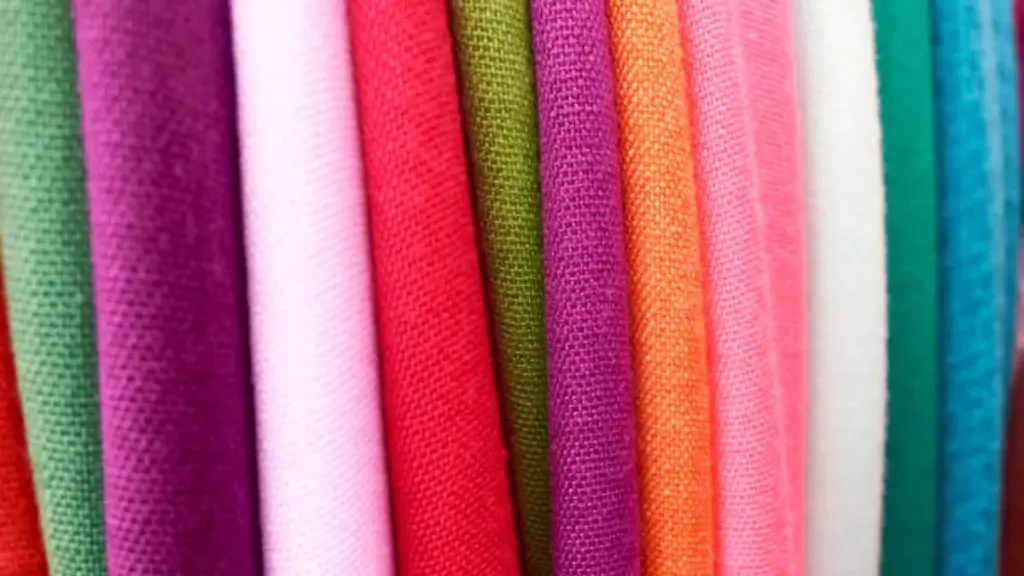
Natural fibers like cotton, linen, and wool offer distinct properties for textiles. Cotton brings breathability and comfort, while linen stands out for its exceptional strength and quick-drying nature.
Wool provides resilience and warmth. These unique characteristics make each fiber versatile for a wide range of apparel and home goods.
Properties of Cotton, Leinen, and Wool
Each natural fiber brings its own set of characteristics to fabrics. Understanding these differences helps in selecting the right material for specific textile needs.
Cotton is a staple fiber, typically measuring 1–5.5 cm long. It offers fair strength and excellent moisture absorption, making it a very comfortable material for everyday wear.
Linen comes from the flax plant and stands as the strongest vegetable fiber. Its long staples, ranging from 25–120 cm, provide high durability and allow for quick drying.
Wool fibers are known for their resilience. This quality helps fabrics retain their shape and resist wrinkles. Wool also absorbs moisture and odors effectively.
Technical Performance and Common Uses
Beyond their basic properties, these fibers also exhibit specific performance traits under various conditions and are suited for different applications.
- Cotton starts to decompose after prolonged exposure to temperatures above 150°C (320°F). It has low elasticity, which often leads to wrinkling in garments.
- Leinen, despite its low elasticity, shows high heat resistance. This allows for high-temperature ironing without causing damage to the fabric.
- Wool can shrink and lose strength when wet, especially due to felting. This occurs from agitation in water, causing fibers to interlock.
Textile manufacturers evaluate these fibers using metrics like tensile strength, Haltbarkeit, resiliency, and absorbency. This careful assessment guides their use in diverse applications, from activewear to everyday apparel.
For brands seeking reliable sourcing, understanding these fiber characteristics is key. Die Lager, with its expertise in activewear, helps clients select the best fabrics, including sustainable options like organic cotton, for their unique product lines.
Synthetische Fasern: Polyester, Nylon, Acryl
Polyester, Nylon, and acrylic are distinct synthetic fibers, all petroleum-derived and regulated by ISO 2076. Each fiber is engineered for specific performance needs.
Polyester excels in wicking and strength, nylon in durability and elasticity, and acrylic in warmth and light resistance. These materials form the backbone of modern activewear, a specialty for custom manufacturers like Sansansun.
Understanding synthetic fibers is crucial for creating high-performance and comfortable activewear. Polyester, Nylon, and acrylic are primary examples, each offering specific characteristics for different garment requirements.
Shared Characteristics and Origins
Polyester, Nylon, and acrylic are all synthetic fibers. They originate from petroleum-based raw materials.
ISO 2076 defines each as a distinct generic fiber class. This international standard helps establish clear industry benchmarks for these materials.
These fibers are non-biodegradable, which presents a significant environmental consideration. Activewear brands increasingly factor this into their material choices, especially with sustainability goals for 2026.
Manufacturers engineer these fibers to achieve specific property profiles. This tailoring allows them to serve diverse fashion and performance applications effectively.
Polyester VS Nylon
Polyester (PET) offers high tensile strength, typically 400–700 MPa for apparel. It also has low moisture regain, around 0.4%, making it excellent for wicking moisture and quick-drying fabrics.
Polyester’s melting point ranges from 255–265 °C. Its tensile strength is often evaluated using tests like ASTM D2256, ensuring consistent quality in garments.
Nylon (polyamide) stands out with very high abrasion resistance and outstanding elasticity. It absorbs less than 4% moisture, contributing to its performance in demanding conditions.
Nylon has a melting point between 220–265 °C. Its inherent toughness makes it ideal for robust and long-lasting activewear.
Acrylic is often called ‘synthetic wool’ because it provides warmth retention about 15% higher than comparable wool fabrics. It maintains approximately 65% resilience at 20% Verlängerung.
Acrylic also shows good resistance to light exposure. Its abrasion resistance is generally lower than polyester or nylon. ASTM D3939 pilling tests are important for acrylic knitwear to ensure durability.
Overall, nylon and polyester provide high strength and durability. Acryl, on the other hand, stands out for warmth and light resistance. This allows for targeted use or effective blending in activewear collections produced by experts like Sansansun.
Unleash Your Activewear Vision: Explore Premium Fabrics & Borten
Strecken & Performance Fibers: Spandex/Elastane
Elasthan, auch als Elastan bekannt, is a synthetic polyurethane fiber renowned for its exceptional elasticity, allowing fabrics to stretch significantly and recover without losing shape.
These fibers are celebrated for their remarkable stretch and recovery properties, which allow clothing to move with the body and maintain its shape over time.
Composition and Unrivaled Elasticity
- Elasthan, auch als Elastan bekannt, is fundamentally a segmented polyurethane fiber.
- EU regulation mandates elastane to contain at least 85% segmented polyurethane by mass.
- High-quality spandex can stretch to 500–700% of its original length and recover fully without permanent deformation.
- Typically, 2–20% spandex in a blend dramatically transforms fabric stretch and recovery.
Performance Attributes and Market Use
- Elastane fibers absorb very little moisture and dry quickly, enhancing performance in activewear.
- Its smooth, hard-wearing surface contributes to abrasion resistance and prevents pilling, which is useful in form-fitting garments.
- Elasterell-p offers up to approximately 50% Verlängerung, providing higher chlorine and heat resistance than standard spandex.
- Lycra Xtra Life is an enhanced elastane engineered for improved chlorine resistance, extending the life of swimwear.
- As of 2026, UNS. flammability standard 16 CFR Teil 1610 applies to fabrics containing spandex, requiring specific evaluation.
Spezialität & Regenerative Fibers: Hemp, Bambus, Lyocell
Specialty and regenerative fibers like hemp, Bambus, and lyocell offer natural breathability, excellent moisture management, and often come from more sustainable processes. Hemp, a bast fiber, provides year-round thermoregulation. Bamboo and lyocell are regenerated cellulose fibers known for their smooth feel and enhanced absorbency, making them popular for activewear and bedding.
Modern textile choices extend beyond traditional cotton and synthetics. Specialty and regenerative fibers are gaining recognition for their unique properties and often, their reduced environmental footprint. These materials provide advanced performance for various applications.
Defining Specialty and Regenerative Fibers
- Hemp, a bast fiber, features micro-pores that improve thermoregulation and moisture transport. This makes it a versatile fabric for all seasons.
- Bamboo and lyocell are regenerated cellulose fibers. They are valued for their breathability, moisture-wicking capabilities, and temperature regulation.
- These fibers share functional benefits such as effective breathability and moisture management. They also often come from more environmentally friendly sourcing.
Key Features and Material Data
- Lyocell fabrics used in apparel and bedding commonly have thread counts from 300 Zu 600.
- Lyocell fibers absorb about 50% more moisture than cotton or wool. This significantly supports thermoregulation.
- A typical commercial plain-weave shirting fabric, named ‘Indus 140’, consists of 55% hemp and 45% Bambus. It weighs between 140–150 gsm.
- Bamboo lyocell production uses a closed-loop process with an organic solvent. This method substantially reduces chemical discharge and water use compared to traditional viscose processes.
- Many hemp–bamboo blends achieve OEKO-TEX® STANDARD 100 Zertifizierung. This assures safety from harmful substances.
Understanding these fibers helps brands make informed choices for activewear. Sansansun Sports partners with advanced mills to source and produce garments using these and other high-performance, nachhaltige Materialien, aligning with modern market demands.
How to Choose Fabric for Your Project
You need to define fiber content, weight, Konstruktion, and required performance metrics like strength, abrasion resistance, and colorfastness. All these details are meticulously documented in a tech pack.
Selecting the right fabric is foundational for any apparel project. It involves understanding both the creative vision and the technical specifications needed. This helps you translate your design ideas into a tangible product.
Here’s a quick overview of common fabric choices and their characteristics, especially relevant for activewear and athleisure garments. This table can guide your initial selection process.
| Stofftyp | Key Properties | Common Weight (g/m²) | Am besten für | Stretch Type |
|---|---|---|---|---|
| Polyester Blend (z.B., with Spandex) | Feuchtigkeitstransportierend, dauerhaft, schnell trocknend, good colorfastness. | 180-280 | High-impact exercise, läuft, gym wear. | 4-way stretch. |
| Nylon Blend (z.B., with Lycra) | Soft handfeel, excellent stretch and recovery, abrasion resistant. | 160-250 | Yoga-Kleidung, comfortable activewear, seamless garments. | 4-way stretch. |
| Organic Cotton Blend | Atmungsaktiv, soft, natural feel, sustainable option. | 150-220 | Sport, casual wear, light yoga. | Some 2-way stretch (with elastane). |
| Recyceltes Polyester (RPET) | Eco-friendly, similar properties to virgin polyester, good wicking. | 180-280 | Sustainable activewear, performance garments. | 4-way stretch. |
| Seamless Knit (Nylon/Spandex) | Minimal seams, körpernahe Passform, enhanced comfort, varied textures. | 200-350 | Premium yoga wear, contouring garments, fashion-forward activewear. | Multi-directional stretch. |
Each fabric offers unique benefits, influencing comfort, Leistung, and the overall look of your final product. Considering the specific demands of your target market helps narrow down these choices.
Understanding Project Needs and Aesthetic Goals
Begin by defining what your fabric needs to achieve. Is it for high-intensity activewear, comfortable yoga garments, or stylish athleisure for your upcoming collection? The environment where the garment will be used deeply impacts fabric choice.
Nächste, consider the aesthetics. How should the fabric drape? What surface texture do you want? How should it feel against the skin? These design elements must align with both performance expectations and your budget constraints.
- Clearly define the fabric’s end use and environmental factors.
- Think about aesthetic variables like drape, surface texture, and handfeel.
- Balance your design choices with performance needs and cost constraints.
Specifying Quantifiable Fabric Properties
Once you have a general idea, translate your vision into precise, measurable specifications. This technical detail ensures consistency and quality. It removes guesswork, giving suppliers clear instructions.
You will need to specify exact fiber composition and fabric weight. Zum Beispiel, tops might need 80–180 g/m², while denim could require 280–450 g/m². For woven fabrics, define the thread count, such as 120–400 threads/in² for shirtings.
Performance metrics are crucial. Require tests for tensile strength, tear strength, and abrasion resistance, often using methods like Wyzenbeek or Martindale. Colorfastness, like AATCC 61 for laundering, also needs to be specified.
Don’t forget functional finishes, like water resistance or UV protection, and stretch specifications. Knits might need 20–40% weft stretch. All these details, including exact fabric names, supplier codes, color standards (z.B., Pantone), and certifications, belong in your tech packs.
Sansansun specializes in helping brands navigate these technical choices. We offer a “one-stop customization” Service, guiding you through fabric selection, performance testing, and the integration of sustainable options like recycled polyester or organic cotton. This ensures your custom activewear meets both your design vision and rigorous quality standards.
Quick Comparison Table
| Stofftyp | Typical Weight | Tear Strength (N) | Water Absorption (%) | UV Resistance | Dimensional Stability (Shrinkage) |
|---|---|---|---|---|---|
| Nylon | 1000D: 8.5–10.0 oz/yd² (Heavy) | 50–100 | 3–7 | Mäßig | Good (Varies by weave) |
| Polyester | 600D (Mid-weight); 100-200 GSM (Bekleidung) | 40–80 | <0.5 | Excellent | 0–1% (Wovens) |
| Cotton Blend | 100-200 GSM (Medium) | Variiert (Lower) | Hoch | Poor-Moderate | 7–8 % (Lengthwise) |
| Canvas | Heavy (z.B., 200-300 GSM) | 90–160 | Mäßig | Mäßig | Mäßig |
Essential Criteria for Fabric Selection
Choosing the correct fabric for activewear involves evaluating several critical properties. These factors directly influence how a product feels, performs, and lasts for the end-user.
- Fiber composition, whether natural or synthetic, shapes a fabric’s drape, handfeel, and inherent performance.
- Weight is a key indicator of material bulk and suitability for different uses. It is often measured in Denier for synthetics or GSM for apparel.
- Performance metrics like tear strength, abrasion resistance, dimensional stability, UV resistance, and water absorption are vital for a product’s longevity and specific functional requirements.
Performance Data Across Common Fabric Types
Understanding the specific data for different fabrics helps designers select optimal materials. Here are some quantifiable properties for commonly used activewear fabrics.
- Weight Ranges: 1000D nylon typically weighs 8.5–10.0 oz/yd², while 600D polyester is a common mid-weight choice. Für Bekleidung, lightweight fabrics range from 30–100 gsm, medium from 100–200 gsm, heavyweight from 200–300 gsm, and very heavy fabrics are 300+ GSM.
- Tear Strength: Nylon fabrics often show 50–100 N, polyester 40–80 N, and canvas 90–160 N. Leather, for reference, can reach 100–300 N.
- Water Absorption: Polyester offers very low absorption, usually less than 0.5%. Nylon, meanwhile, has moderate absorption, typically 3–7%.
- Dimensional Stability: 100% polyester wovens usually show 0–1% shrinkage after washing. In contrast, a 93% Baumwolle, 7% spandex jersey can experience 7–8% lengthwise shrinkage.
- UV Resistance: Polyester generally exhibits excellent UV resistance, making it suitable for outdoor activewear. Nylon offers moderate stability against UV exposure.
Letzte Gedanken
Accurate fabric specification prevents costly recalls and builds lasting brand reputation. Leverage expert guidance to select materials that deliver superior activewear, ensuring enduring quality and market success for your collections.
Häufig gestellte Fragen
What fabric is best for shirts?
For woven shirts, cotton or cotton-rich poplin/twill (around 80–150 g/m²) is common. For performance with sustainability, consider lightweight organic cotton, TENCEL™ lyocell, hemp–organic cotton, or linen–cotton shirtings.
Cotton/spandex blends, with low spandex content (2–5 %), offer stretch. This enhances comfort and movement in everyday shirts.
Which fabric is best for outerwear?
Wool and wool–synthetic blends, such as wool/nylon, offer excellent thermal insulation and durability. Recycled polyester or recycled nylon shells are good for wind/water resistance. Blending with bio-based or cellulosic fibers like TENCEL™ can improve moisture management and reduce impact.
Zum Beispiel, combining recycled PES with merino wool provides warmth, while wool–lyocell blends offer both insulation and biodegradability.
How do you choose sustainable fabrics?
Prioritize fibers rated as “most sustainable,” including hemp, linen, Bio-Baumwolle, and TENCEL™/lyocell. Minimize virgin polyester and acrylic; if synthetics are needed, choose recycled PET or recycled nylon.
Favor mono-materials for easier recycling, using blends only for specific performance needs. Always look for third-party certifications and suppliers providing impact data.
How do fabric blends change performance?
Blends alter air permeability, Haltbarkeit, Feuchtigkeitsmanagement, and recyclability. Cotton/spandex increases stretch but reduces breathability. Wool/nylon significantly boosts durability.
Zum Beispiel, a 70% recyceltes Polyester / 30% TENCEL™ blend showed higher tensile strength and moisture-wicking compared to a 50/50 sample, though blending can complicate end-of-life recycling.
What fabrics should you avoid for hot climates?
Avoid high-acrylic and high-polyester knits and wovens without specific moisture-management features, as they often have low breathability and high thermal insulation. Auch, heavy, tightly woven synthetics and high-spandex content in summer garments can reduce air permeability.
Stattdessen, lightweight hemp, linen, or organic cotton, or blends of these, are better choices for their high breathability and lower environmental impact.