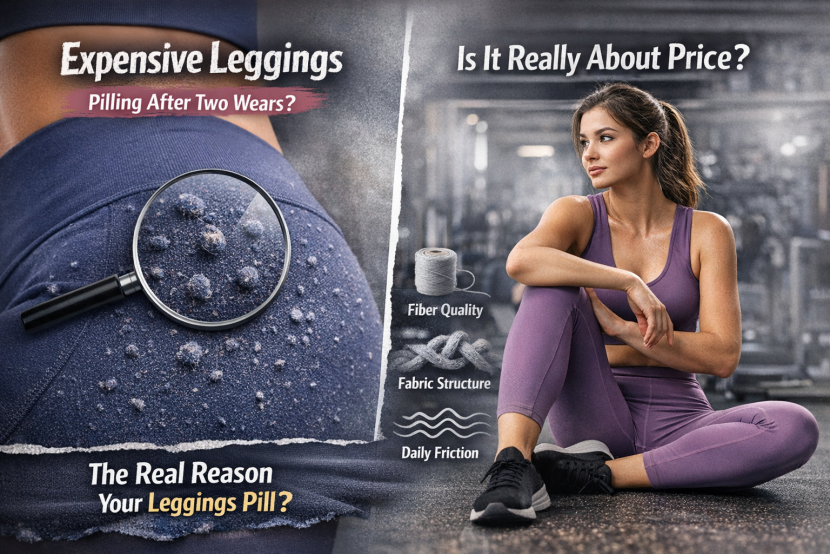
Many people feel confused when their expensive leggings start looking worn out after just two wears. When buying yoga wear leggings, customers often believe higher price means better quality. Jedoch, pilling can appear very quickly, even on premium products. This makes people question gym wear brands and wonder what really causes this problem.
The truth is simple. Pilling is not mainly about price or brand name. It is about how the fabric is made, what type of fibers are used, and how those fibers behave during daily movement. By understanding fiber length and fabric structure, it becomes much easier to see why some leggings last longer while others do not.
Why Pilling Happens After Just a Few Wears
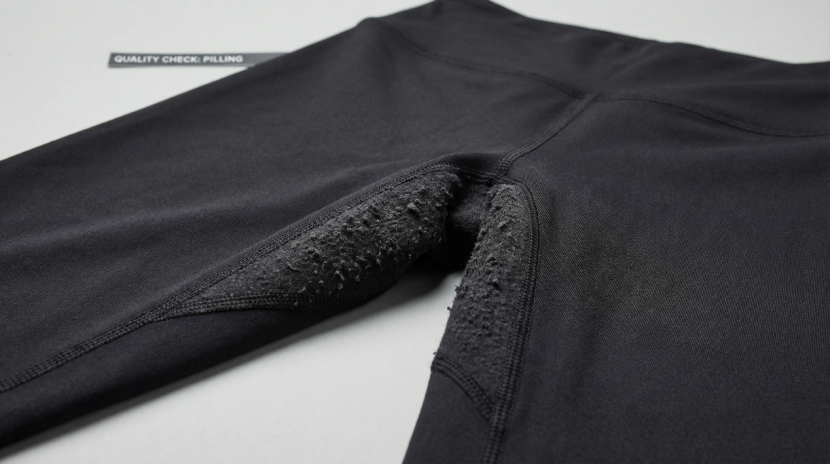
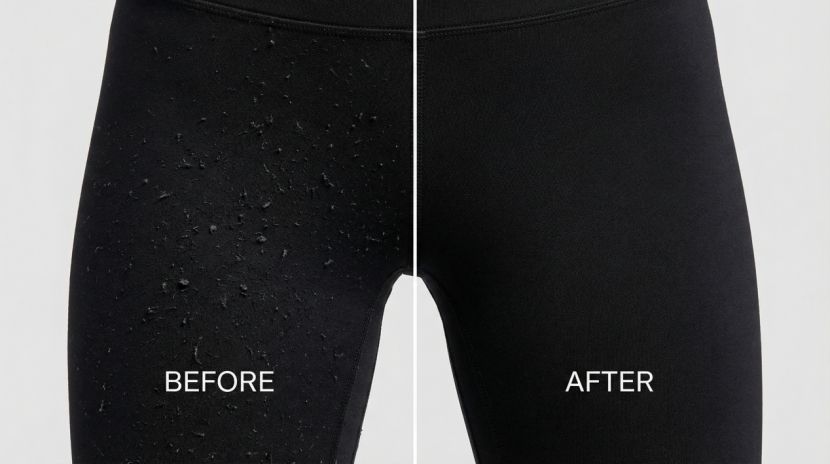
Pilling starts when small fibers come out from the surface of the fabric. These fibers are always there, but during movement like walking, stretching, or sitting, they begin to loosen. Once loose, they rub against the skin or other fabric areas. Over time, they twist together and form tiny balls that stay attached to the leggings.
Leggings are more likely to pill because they are worn tightly on the body. Areas such as the inner thighs, hips, and waist are under constant friction. This is very common in women yoga dress designs, custom leggings with pockets, and gym wear that move with the body all day. Washing also increases rubbing, especially when leggings are mixed with rough clothes.
Many expensive leggings focus on a soft hand feel. Softness often means the fabric surface has more loose fibers. While this feels nice at first wear, it also increases the chance of pilling after only a few uses.
Which Fabrics Are Easy to Pill?
Some fabrics naturally pill more easily than others. Stoffe made with short fibers have more loose ends on the surface. These loose ends are the main reason pilling happens quickly.
Fabrics that are soft, fuzzy, or made with short staple fibers are more likely to pill. Common examples include polyester, cotton blends, acrylic, Viskose, and fleece fabrics. While these materials are comfortable and cost-effective, their fiber structure makes them more prone to surface friction. In activewear, low-quality polyester or cotton-poly blends can pill faster in high-movement areas like inner thighs and underarms.
Choosing long-fiber yarns, höher GSM fabrics, tighter knitting, and anti-pilling finishes can significantly reduce this issue and improve garment durability—an approach commonly recommended by experienced custom activewear manufacturers.
How to Stop Fabrics From Pilling?
Pilling cannot be completely avoided, but it can be reduced when fabric is chosen carefully. The most important step happens before the garment is even made. Fiber length, yarn quality, and fabric construction all matter.
When brands customize sportswear, fabric choice becomes even more important. Choosing fabric only because it feels soft is risky. It is better to think about how the leggings will be worn in real life. Yoga, gym training, and daily wear all create friction.
A reliable sportswear manufacturer—or even a specialized compression shirt manufacturer expanding into performance bottoms—will usually guide brands toward fabrics that balance comfort and durability. This means the fabric still feels good on the skin but does not release fibers easily.
Bei Sansansun, fabric selection focuses on real movement, repeated washing, and long-term wear instead of showroom softness only.
How Can You Remove Pilling?
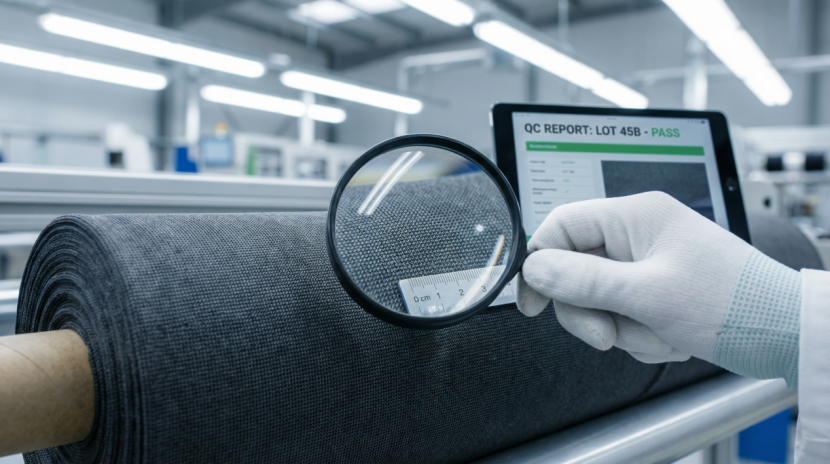
When pilling appears, leggings do not need to be replaced immediately. Pills can be removed safely if done the right way. Fabric shavers are designed to gently remove pills without damaging the fabric. They cut the pills while keeping the yarn intact.
Some people use razors, which can work if used carefully and slowly. Pulling pills by hand is not recommended because it can damage the fabric and pull out more fibers, making the problem worse.
Washing habits also affect future pilling. Turning leggings inside out, using gentle wash cycles, and avoiding high heat drying helps protect yoga wear leggings and keeps the fabric surface smoother for longer.
Short vs Long Staple Fibers: Pilling Risk Comparison
Fiber length is one of the biggest factors behind pilling. Short staple fibers have many ends that can escape from the yarn. These loose ends sit on the fabric surface and easily form pills during friction.
Long staple fibers stay more secure inside the yarn. Because the fibers are longer, they wrap around each other more tightly. This creates a smoother surface and reduces fiber breakage. Fabrics made with longer fibers usually keep their appearance for a much longer time.
This explains why two leggings can look similar but perform very differently. Many high-quality gym wear brands and custom activewear manufacturers invest more in fiber quality rather than surface softness. The difference becomes clear after several wears.
Verbraucherratgeber: Spotting True Anti-Pilling Leggings
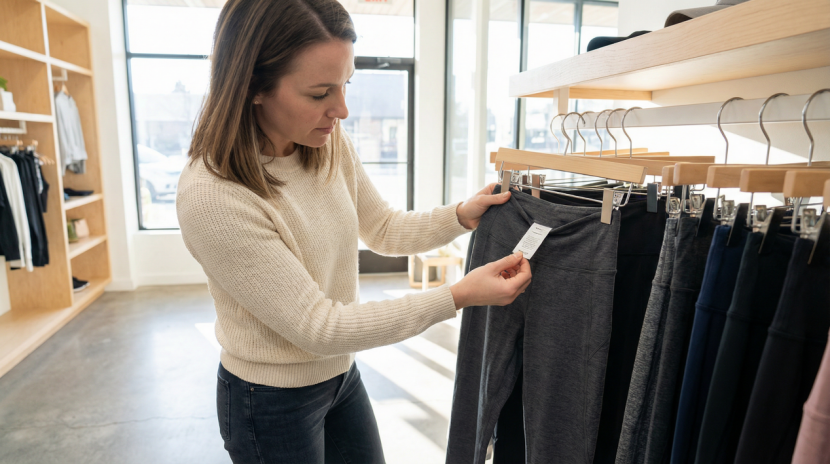
Consumers do not need expert knowledge to choose better leggings. Paying attention to fabric feel helps. Very fluffy or fuzzy fabrics often pill faster. Smooth fabrics that feel cool and firm usually perform better over time.
Stretching the fabric gently can also reveal quality. If many fibers pop up after stretching, the fabric may pill easily. Fabrics that return to shape smoothly are usually more durable.
Reading fabric labels is another helpful step. Leggings made from nylon and spandex are often stronger than those made mainly from cotton or viscose. Brands that explain fabric performance and care instructions clearly are often more trustworthy.
Frequently Asked Questions About Pilling Performance
Is pilling a defect?
Light pilling is normal, but heavy pilling after 1–2 wears shows poor fabric choice.
Does washing make pilling worse?
Ja, especially with rough clothes, hot water, or strong spinning.
Which is better for leggings: nylon or polyester?
Nylon usually performs better for pilling resistance and stretch recovery.
Can customized sportswear be anti-pilling?
Ja. When you customize sportswear, you can choose better fabric and request testing from your supplier.
Letzte Gedanken
Pilling is not random, and it is not only about price. It is about fiber length, fabric structure, and how the garment is meant to be worn. Understanding these basics helps both brands and consumers make better choices.
Whether you are buying yoga wear women’s leggings, developing custom leggings with pockets, or working with a compression shirt manufacturer or other custom activewear manufacturers, choosing the right fabric makes all the difference.
At Sansansunsports, fabric comfort and durability are balanced so leggings not only look good on day one, but also continue to perform after many wears.