High-impact sports like CrossFit and running place strong pressure on the body and on the clothing athletes wear. During jumping, sprinting, and repeated training movements, muscles constantly move and vibrate. If the fabric does not support the body well, athletes may feel discomfort and fatigue faster.
High-impact support telas are specially developed to help stabilize muscles and reduce unnecessary movement. Through advanced knit structures and strong elastic fibers, these fabrics provide controlled compression while still allowing flexibility. Para sportswear brands, choosing the right fabric structure is an important step in developing reliable performance apparel.
What are High-Impact Support Fabrics
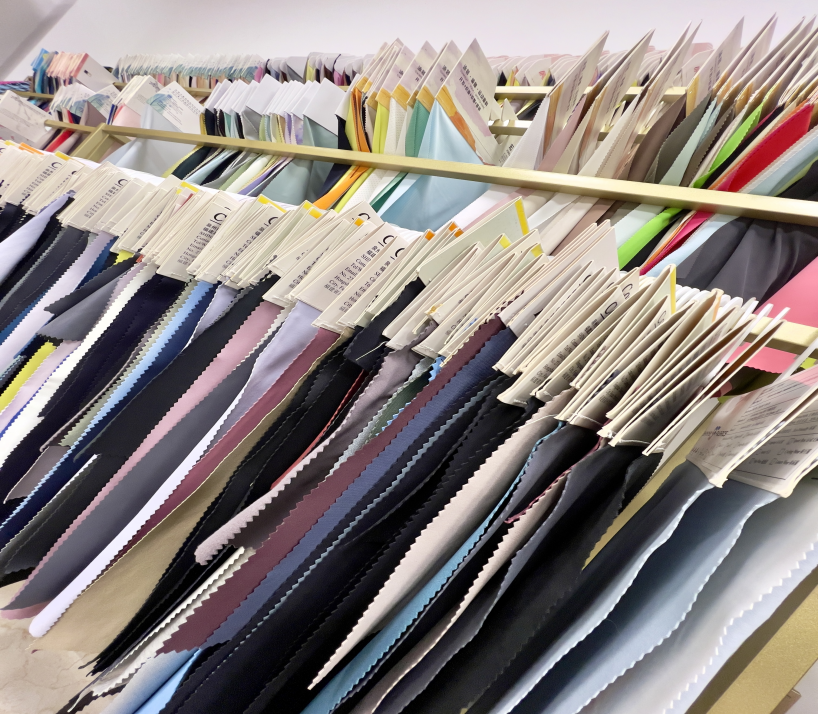
High-impact support fabrics are performance textiles designed for activities with intense movement. These fabrics use engineered knit structures to create firm but flexible support around the body.
Unlike normal sports fabrics, high-impact fabrics focus on muscle stability. The knitting pattern controls how the fabric stretches and returns to shape. This helps reduce muscle vibration during activities such as jumping, sprinting, and weight training.
In activewear manufacturing, these fabrics are commonly used for polainas, sujetadores deportivos, and compression tops. The goal is to support the body without restricting natural movement.
What are the best materials for exercising?
The most common materials for exercise clothing are polyester, nylon, and spandex. Each material provides different performance benefits.
Polyester is strong and durable. It moves moisture away from the skin and dries quickly during workouts. Nylon is softer and smoother, which makes it comfortable for long training sessions. Spandex adds stretch and flexibility so the garment can move easily with the body.
In high-quality active wear yoga clothing, these fibers are often blended together. This combination provides flexibility, durabilidad, y comodidad. For brands developing custom fitness clothing, selecting the right blend helps balance performance and cost.
What are the frequent applications of polyester and nylon in clothing?
Polyester and nylon are widely used in the sportswear industry because they perform well during physical activity. Both fibers are lightweight, strong, and resistant to frequent washing.
Polyester is commonly used in running shirts, tops de entrenamiento, and gym shorts. Its moisture management ability helps athletes stay dry during workouts. Nylon is often used in premium leggings and sports bras because it feels smoother and provides a slightly stronger compression effect.
For many sportswear brands, nylon-spandex fabrics are popular for high-performance leggings, while polyester blends are often used for breathable training tops.
Compression Mapping: Reducing Bounce in Key Areas
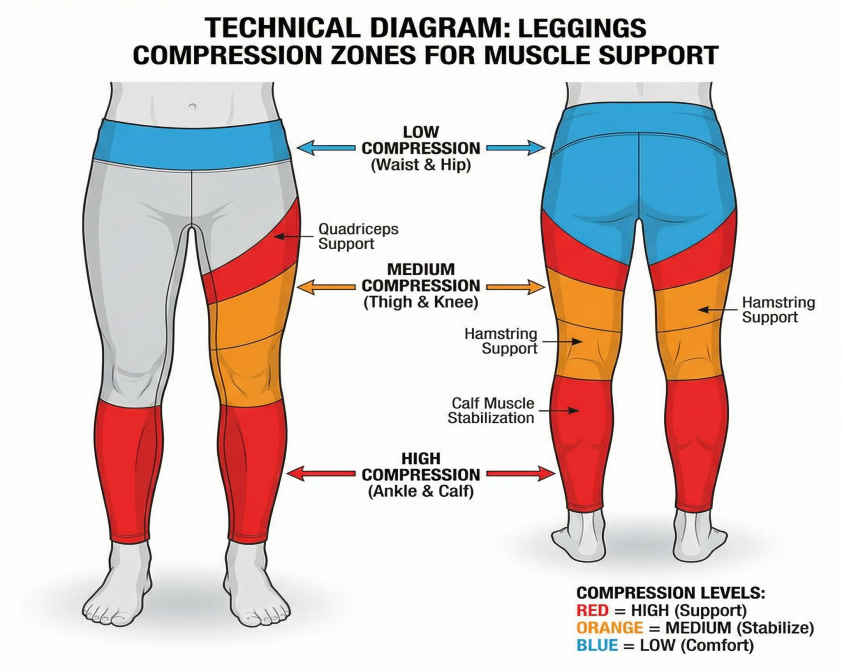
Compression mapping is an important design technique used in high-impact sportswear. Instead of applying equal pressure across the whole garment, different areas provide different levels of support.
Por ejemplo, leggings may have stronger compression around the thighs and hips to support large muscle groups. Sports bras may include reinforced zones around the chest to reduce bounce during running or jumping.
This targeted compression improves comfort and performance. Many brands developing custom sportswear now use this technique to create more advanced activewear products.
Breathability Balance in High-Density Zones
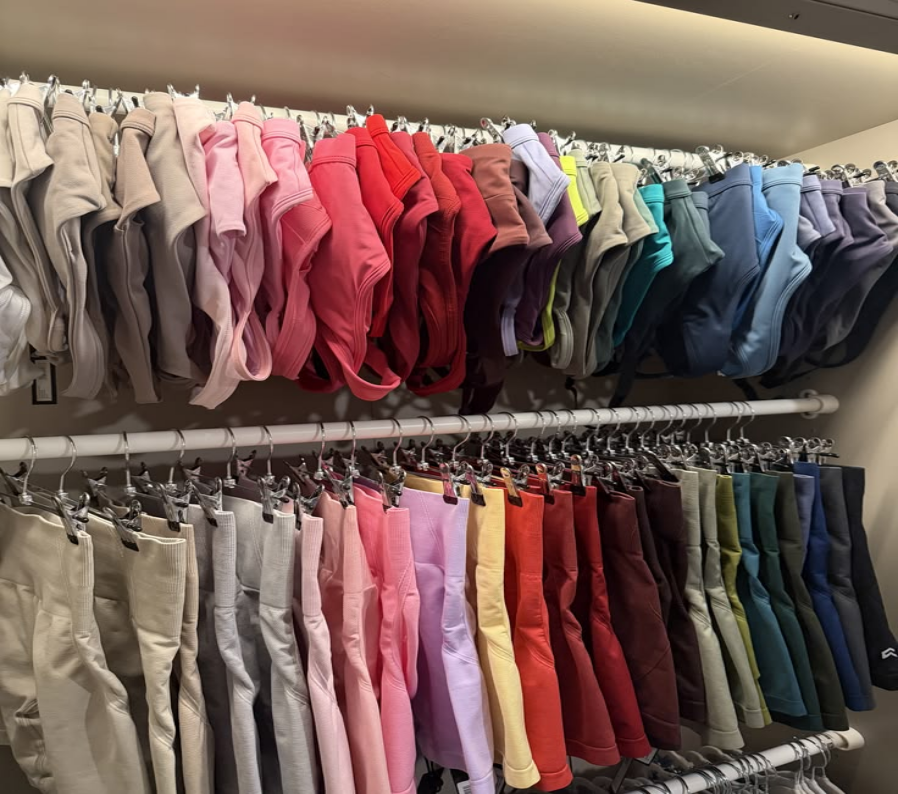
Support fabrics often have a dense structure to provide stability. Sin embargo, dense fabrics can sometimes trap heat during exercise.
To solve this problem, manufacturers design ventilation zones within the fabric. These zones use lighter knit patterns or mesh structures to improve airflow. Areas like the back, waist, and behind the knees often include breathable sections.
This balance between support and ventilation helps athletes stay cool while maintaining muscle stability during high-impact workouts.
Longevity Under Repetitive High-Impact Stress
Sports like running and CrossFit create repeated stress on clothing. Fabrics stretch, recover, and move thousands of times during training sessions.
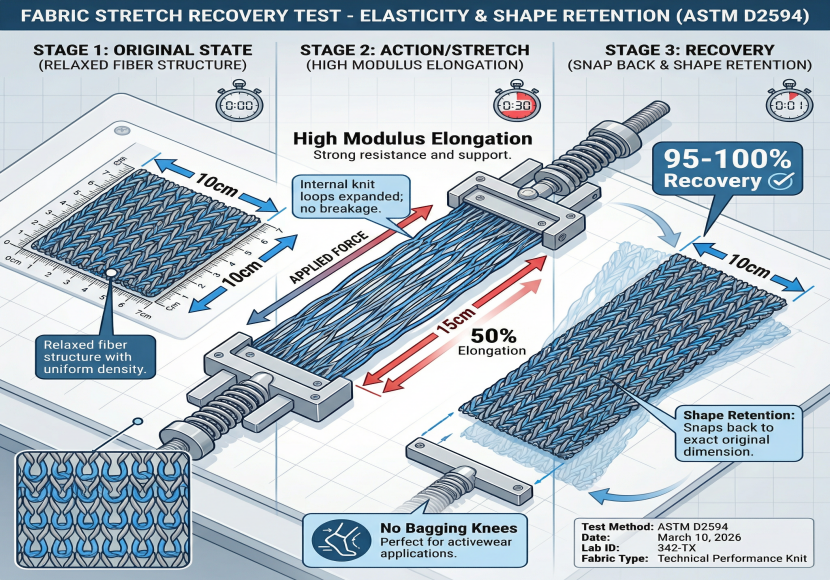
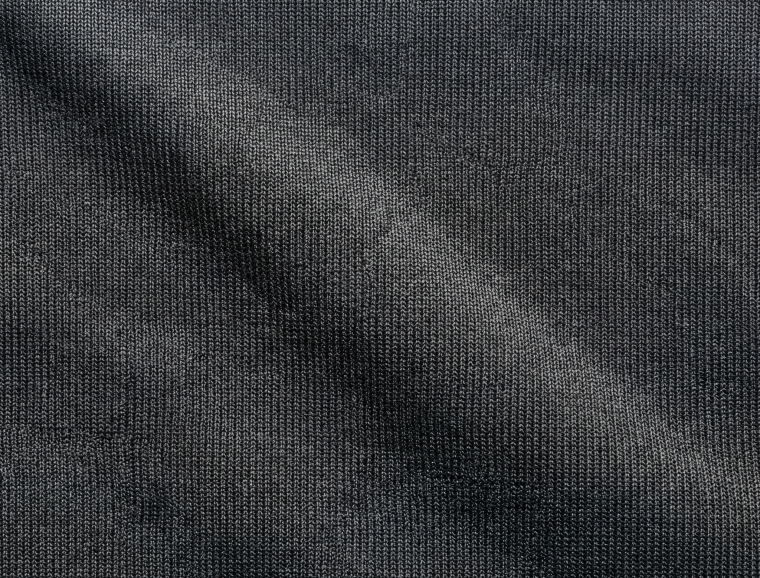
High-impact support fabrics are developed to maintain their shape even after long use. Strong yarns, durable knitting structures, and quality elastane fibers help the fabric recover quickly after stretching.
For sportswear brands working with manufacturers like Deportes Sansan, fabric durability is a key factor when producing reliable custom fitness clothing that customers can trust.
SansanSport Helps You
High-impact sports like CrossFit and running require fabrics that provide more than basic stretch. Supportive knit structures help stabilize muscles, reducir la vibración, and improve comfort during intense movement. By combining materials such as polyester, nylon, and spandex, modern activewear fabrics can offer compression, flexibilidad, and breathability at the same time.
For sportswear brands developing custom fitness clothing, choosing the right fabric structure is essential for product performance and durability.
If you are planning to develop high-impact activewear for your brand, Sansan Sports can support you with fabric sourcing, customization, and OEM/ODM manufacturing. Contact us to explore the right fabric solutions for your next collection.
Preguntas frecuentes
Why are high-impact fabrics important for sportswear?
They help stabilize muscles and reduce movement vibration during intense exercise. This improves comfort and support.
Which fabric is better for leggings, nylon or polyester?
Nylon blends are often used for premium leggings because they feel smoother and provide stronger compression. Poliéster is more common for lightweight tops de entrenamiento.
Do these fabrics work for yoga as well as high-impact sports?
Sí. Many active-wear yoga garments use similar stretch fabrics, but with softer compression for comfort and flexibility.
Can sportswear brands customize these fabrics?
Sí. Through custom sportswear development, brands can adjust yarn blends, knit structures, compression levels, and fabric weight.