Tech apparel innovators face growing demand for sportswear that not only performs but also delivers real-time insights. Smart fabrics are transforming this space, merging advanced textiles with embedded technology to enhance athletic performance, personalization, and brand differentiation.
This guide covers what defines a smart fabric, how embedded sensors improve performance monitoring, and the benefits for athletes and brands, helping industry leaders design products that meet performance goals while opening new market opportunities.
What Defines a Smart Fabric?
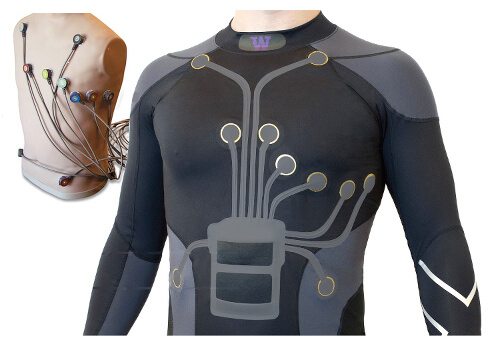
A smart fabric is a textile engineered to sense, respond, and often adapt to environmental or user-driven stimuli by integrating electronic components such as sensors, actuators, and microcontrollers directly into the fabric structure. These fabrics enable functionalities like physiological monitoring, regulación de temperatura, and interactive feedback.
Smart fabrics merge traditional textile engineering with electronic and material sciences to create adaptable, functional materials. They have moved far beyond the experimental stage and are now part of sportswear, medical devices, and interactive fashion.
Definition and Core Components
Smart fabrics, also called intelligent textiles or e-textiles, integrate electronics directly into the fabric weave or knit. This embedded technology can sense, proceso, and even respond to changes in the environment or user condition.
- Base fabric – the foundational textile structure.
- Interconnects – conductive threads or pathways linking components.
- Sensors – detect parameters like temperature, presión, or heart rate.
- Actuators – enable physical responses such as vibration or shape change.
- Power sources – batteries or energy harvesting components.
- Processing units – microcontrollers for data interpretation.
In our experience with smart fabrics in sportswear, these components work together to deliver real-time feedback for training and performance optimization.
Types and Functions of Smart Fabrics
Smart fabrics vary in complexity, from basic sensing textiles to autonomous adaptive systems. Their classification shapes both design and application.
- Passive smart fabrics – sense only, such as measuring temperature or humidity.
- Active smart fabrics – sense and respond, adjusting breathability or warmth.
- Ultra-smart fabrics – sense, respond, and adapt automatically, p.ej., self-color change or self-powered through energy harvesting.
Common functions include physiological monitoring like heart rate tracking, dynamic color changes for style or visibility, haptic feedback for alerts, and integrated energy capture for powering wearables.
Types of Smart Fabrics in Sportswear
Smart fabrics in sportswear mainly fall into three categories: passive, active, and ultra-smart fabrics. They offer features from moisture and temperature control to real-time biometric monitoring and adaptive support, enhancing comfort and athletic performance.
Smart fabrics are reshaping the capabilities of modern sportswear, blending textile innovation with digital technology. En nuestra experiencia, understanding the distinct categories and their roles helps apparel innovators design for both performance and user experience.
Market Share and Performance Impact
Different types of smart fabrics hold varying positions in the sportswear textile market and influence performance outcomes in distinct ways.
| Tipo de tela | Market Share (2024) | Performance Benefit |
|---|---|---|
| Passive Smart Fabrics ✅ | 45% | Enhanced comfort and thermal balance |
| Active Smart Fabrics ✅ | 42.9% | Reduce injury rates by 18% |
| Ultra-Smart Fabrics 🚀 | Niche-high | Elite athlete training support |
| Application-Specific Textiles 🚀 | Varies | Boost performance by 36% |
Benefits for Athletes and Brands
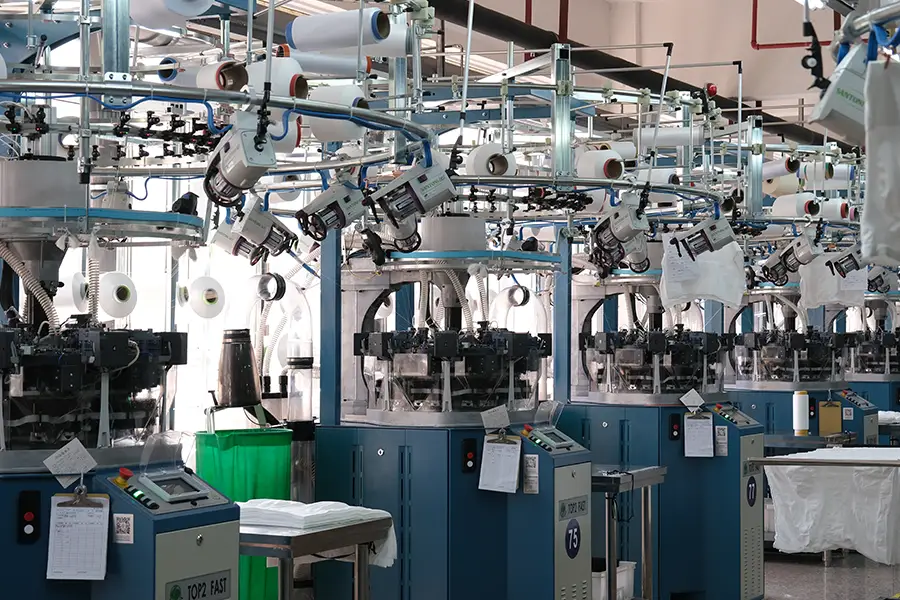
Smart fabrics in sportswear deliver measurable benefits for both athletes and brands: athletes gain real-time biometric feedback and injury prevention, while brands access new revenue streams and differentiated product offerings through data-driven apparel.
Smart fabrics are transforming how sportswear performs on the field and in the market. They enhance an athlete’s ability to train and recover while giving brands a new frontier for product innovation and customer engagement.
Key Benefits for Athletes
From our experience working with performance apparel, the integration of sensors and advanced textiles brings athletes much more than comfort. It becomes an active training companion.
- Real-time monitoring of heart rate, respiration, and muscle activation for personalized training.
- Support for injury prevention and rehabilitation through embedded technology.
- Enhanced moisture management and temperature regulation to maintain comfort during exercise.
- Data-driven training optimization enabling targeted improvements and recovery.
Brand Advantages with Smart Sportswear
Adopting smart fabrics in sportswear opens the door to data-powered opportunities for brands. These innovations provide a stronger market position and new monetization channels.
- Ability to create new revenue streams via analytics and personalized coaching services.
- Differentiation from competitors through advanced, data-enabled product features.
- Increased consumer engagement by providing personalized performance insights.
- Access to innovative business models such as subscription platforms for teams and athletes.
Market Trends and Growth Drivers
The smart sports textiles market is expanding quickly, driven by technology adoption and a growing consumer focus on athletic performance.
| 📊 Métrica | Valor |
|---|---|
| Projected Market Size by 2026 | $2.4 – $2.58 mil millones |
| Estimated CAGR | 15.8% – 25.7% |
| Cuota de mercado de América del Norte | 29.4% |
- Increasing consumer demand for performance-enhancing apparel fuels growth.
- Technological advancements in sensors, AI coaching, and IoT connectivity accelerate innovation.
Challenges in Durability and Washability
Smart fabrics in sportswear often lose performance after 10–20 washes, far fewer than the 50+ washes consumers expect. Electronics integrated into textiles are vulnerable to water, detergents, and mechanical stress, making durability and washability major hurdles for adoption.
For smart fabrics in sportswear to gain wider market acceptance, they must meet both consumer expectations and technical performance benchmarks. The following sections break down the key challenges impacting their durability and washability.
Consumer Expectations vs Actual Durability
| 📊 Factor | Expected | Actual |
|---|---|---|
| ✅ Washing cycles before performance drop | 50+ | 10-20 |
| ⚠️ Consumer priority on wash durability | 76% rate it very or extremely important | N/A |
| ❌ Failure points | None for conventional apparel | Electronic-textile interface causes 60–75% of issues |
| ⚠️ Bending cycles endurance (conductive inks) | 10,000+ for garment usage | 100–500 cycles |
En nuestra experiencia, this gap between expectations and actual wash performance is a core driver of dissatisfaction and slow adoption for smart sportswear.
R&D teams must navigate these trade-offs carefully to maintain performance without sacrificing comfort and usability.
Impact on Market Adoption and Industry Implications
- Reduced lifespan—around 30% shorter than conventional apparel—lowers consumer confidence and purchase repeat rates.
- Sectors such as professional sports and healthcare require high wash reliability, which is often unmet.
- Opportunities exist in advanced materials science, improved encapsulation, and agreed industry care standards.
- Passive smart fabrics dominate nearly half the market share due to greater durability than active sensor-based fabrics.
Addressing these durability issues is critical for smart fabrics in sportswear to progress from niche products to mainstream apparel solutions.
The Future of Intelligent Apparel
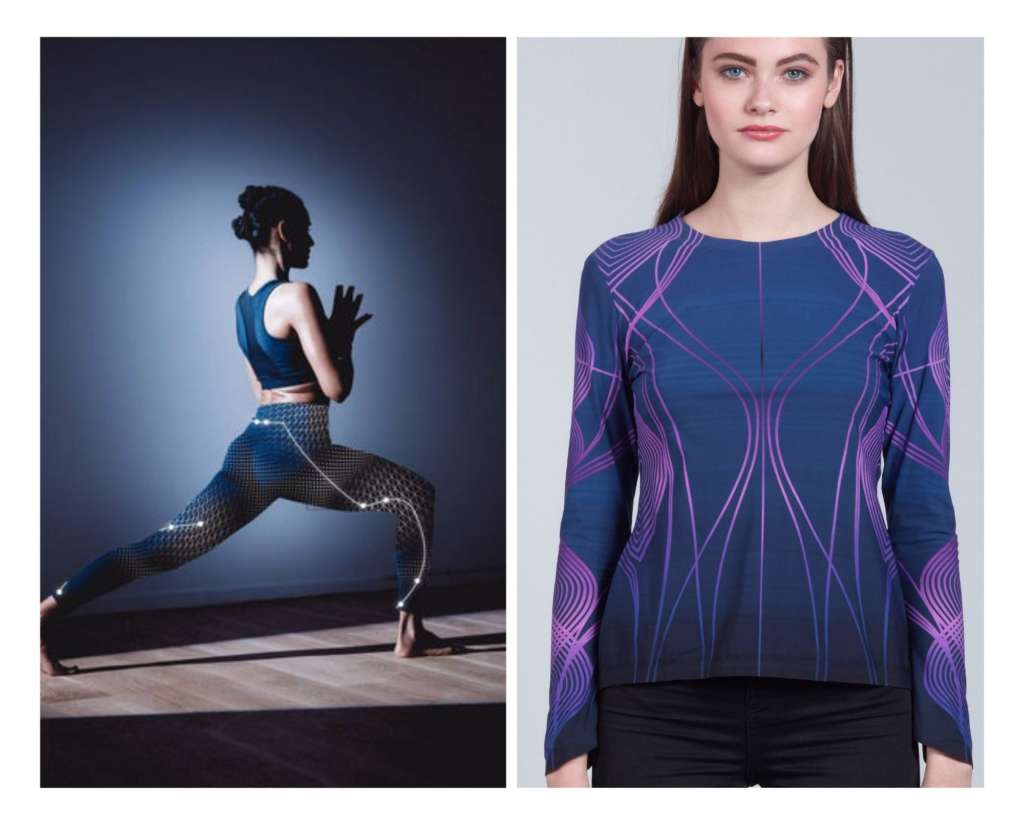
The intelligent apparel market is expanding rapidly, driven by smart fabrics, AI integration, and demand for real-time biometric tracking. The global market is forecast to grow from around $5.2 mil millones en 2025 a más $51 mil millones por 2035, with a compound annual growth rate above 25%.
Intelligent apparel blends advanced textile engineering with embedded technology to deliver real-time data and enhanced user experience. Growing adoption in sportswear, healthcare, and defense is pushing innovation while opening new revenue streams for apparel manufacturers.
Market Growth and Projections
The market for intelligent apparel is evolving at a remarkable pace. En nuestra experiencia, such growth rates are rare outside of emerging tech fields.
| 📅 Año | 🌍 Global Market Size | 📈 Growth Indicators |
|---|---|---|
| 2024 | $5.16 mil millones | North America share: 39% |
| 2025 | $5.22–$6.70 billion | Start of rapid adoption 🚀 |
| 2030 | $17.32–$21.48 billion | Asia-Pacific CAGR >28% |
| 2035 | $51.69 mil millones | Projected CAGR (2025–2035): 25.77% |
Technological Innovations in Intelligent Apparel
Smart fabrics in sportswear are at the core of this transformation. They integrate sensors and AI capabilities while maintaining comfort and durability.
- Integration of smart fabrics with embedded electronics and AI-driven analytics.
- Biometric tracking for heart rate, muscle activity, and temperature monitoring.
- Machine learning for predictive health and performance analysis.
- Cross-industry collaborations, such as smart jackets from fashion and tech brands.
- Conductive fiber technology that preserves fabric breathability and stretch.
Applications and Market Segments
The versatility of intelligent apparel allows it to address multiple market verticals beyond sportswear.
- Primary adoption in sportswear for real-time biometric monitoring during training and competition.
- Growing role in military gear, healthcare monitoring, and workplace safety uniforms.
- Active smart textiles projected to claim 45% of market share by 2035.
- Functional and sports apparel expected to reach combined market value in the hundreds of billions by 2030+.
Elevate Your Sportswear with Expertly Crafted Innovation
Partner with Sansan Sports to access cutting-edge manufacturing and sustainable materials tailored for peak performance. Transform your brand vision into market-ready apparel with unmatched speed, precisión, and quality.

Preguntas frecuentes
How do smart fabrics work?
Smart fabrics in sportswear combine advanced textiles with embedded sensors or conductive fibers to monitor performance, comodidad, and health metrics. These fabrics can detect and transmit data such as heart rate, temperature, and muscle activity. En nuestra experiencia, their integration often involves seamless knitting or lamination to maintain flexibility and breathability.
Are smart fabrics washable?
Most modern smart fabrics are designed to be machine washable, provided the electronics are encapsulated or removable. Proper care instructions from the manufacturer are essential to extend lifespan. We recommend testing wash durability through multiple cycles to ensure performance stability.
What sensors are used?
- 💡 ECG (Electrocardiogram) sensors – for heart rate monitoring
- 💡 Temperature sensors – for tracking body heat changes
- 💡 Accelerometers – for movement and impact detection
- 💡 EMG (Electromyography) sensors – for muscle activity analysis
What is the cost of production?
Production costs vary widely based on sensor complexity, tecnología de tela, and order quantity. Por ejemplo, prototyping low-MOQ runs may cost 20–40% more per unit than mass production.
Integrating sustainable or high-performance fabrics can also increase material costs by 15–25%, but often improves long-term brand value.
Who are top smart fabric manufacturers?
Leading manufacturers operate across Asia, Europa, and North America. Some focus on niche applications, such as medical-grade sportswear or biodegradable sensor integration.
En nuestra experiencia, Sansan Sports stands out for its ability to merge high-performance textiles with embedded tech while offering OEM, ODM, and private label options for global brands.
Pensamientos finales
For brands and innovators, the opportunity lies in aligning cutting-edge textile technology with scalable manufacturing, stringent quality benchmarks, and consumer trust in performance and privacy. By investing in resilient materials, seamless tech integration, and strategic supply partnerships, companies can accelerate go-to-market timelines, strengthen brand differentiation, and tap into new revenue streams from data-driven apparel experiences.
To turn smart fabric innovation into commercial success, asociarse con experimentados fabricantes de ropa deportiva personalizada is critical. As a trusted United States sportswear manufacturer, Sansan Sports also serves global brands seeking activewear manufacturers Australia solutions and advanced production from a reliable seamless clothing manufacturer. Explore how we support next-generation apparel at https://sansansports.com/ and start building your smart sportswear line today.