For American apparel brands, retailers, and private label startups, finding sweatshirt manufacturers in the USA means balancing cost, quality, and speed while meeting rising demand for sustainable, custom-designed casualwear. The challenge lies in securing partners who deliver competitive lead times, reliable quality control, and fabric innovation without sacrificing profitability.
This guide covers fabric innovation and material selection, customization options, and sustainable manufacturing practices, helping you identify the right U.S. sweatshirt suppliers to enhance product appeal, strengthen brand positioning, and align with evolving market and consumer expectations.
The USA Sweatshirt Manufacturing Market
The USA sweatshirt manufacturing market is valued at approximately $15.2 billion en 2024 and is projected to reach $22.4 billion by 2030, growing at a CAGR of 6.7%, outpacing the broader US apparel industry which grows at 4.6% anualmente.
The sweatshirt manufacturing industry in the USA is experiencing robust growth compared to the wider apparel market. American apparel brands, retailers, and private label startups can leverage these trends to strategically position products in the high-demand casualwear segment.
Market Size and Growth Trends
| 📊 Metric | Value |
|---|---|
| USA Sweatshirt Market Size (2024) | $15.2 billion |
| Projected Market Size (2030) | $22.4 billion |
| Compound Annual Growth Rate (2024–2030) | 🚀 6.7% |
| US Apparel Industry Size (2025) | $395 billion |
| Industry Growth Rate | 📈 4.6% anualmente |
| Online Apparel Sales Share | 💻 38% of total sales |
| Casualwear Segment Share | 🧥 36% of US apparel market |
Growth in sweatshirts is significantly higher than the overall apparel market. Trends point to continued expansion, supported by online sales and a strong casualwear presence in consumer wardrobes.
Market Drivers and Challenges
- 🚀 Growth fueled by rising demand for casualwear, athleisure, and sustainable apparel.
- ✅ Reshoring trends aim to boost quality and ethical manufacturing in USA-based operations.
- ⚠️ Higher US labor costs and intense global competition create pricing pressure for manufacturers.
- 💡 Small brands make up around 40% of the industry, leveraging digital manufacturing tools to stay competitive.
- 🌱 Sustainability efforts accelerate, with eco-friendly fabrics growing at 11.3% anualmente.
The demand for USA-made sweatshirts aligns with consumer preferences for local production. Yet manufacturers must manage cost challenges while embracing innovation and sustainability.
Critical Perspective and Industry Evolution
- 💡 The US apparel manufacturing scene is evolving with emphasis on quality, innovación, and ethics — countering the belief that domestic production is declining.
- ✅ B2B buyers can source customizable, locally-produced sweatshirts, though they should anticipate premium pricing relative to imports.
- 🚀 Digital design tools and transparent supply chains are becoming baseline competitive requirements.
- 🌱 Sustainability paired with rapid fulfillment is reshaping both brand strategies and consumer expectations.
In our experience, aligning with these evolving trends ensures brands remain competitive and relevant in the shifting sweatshirt market.
Fabric Innovation & Material Selection
Fabric innovation in U.S. sweatshirt manufacturing is driven by advanced materials like recycled polyester, organic cotton, and performance blends. Manufacturers focus on sustainability, durabilidad, and rapid prototyping using technologies such as AI and 3D design, while prioritizing ethical sourcing and high quality to meet B2B needs.
For sweatshirt manufacturers in the USA, fabric choices directly influence product positioning, lead times, and sustainability credentials. The integration of new materials and digital tools is reshaping how brands source and produce their collections.
Key Material Trends in Sweatshirt Manufacturing
In our experience, American factories are increasingly selecting fabrics that add both environmental and performance value. This ensures products stand out in the competitive B2B apparel space.
- ♻️ Recycled polyester — reduces waste streams and appeals to sustainability-minded buyers.
- 🌱 Organic cotton — avoids harmful pesticides, meeting eco-certification standards.
- 💡 Performance blends — offer moisture-wicking and antimicrobial properties for added functionality.
Sustainable fabrics are not only a market preference but also align with regulatory pressures and transparency demands. Performance blends provide extra market differentiation for private label and wholesale clients.
Tecnología & Production Innovations
U.S. sweatshirt manufacturers integrate advanced digital tools to speed up production and enhance customization capabilities.
- 🤖 AI-driven demand forecasting for better inventory planning.
- 🖥️ 3D design for rapid prototyping and visualization.
- ⚙️ Automation and robotics that improve accuracy and reduce error rates.
These innovations cut lead times to just 2–4 weeks, helping brands adapt quickly to market changes while minimizing overproduction risks.
Comparing U.S. and Asian Manufacturing Approaches
| Factor | 🇺🇸 U.S. Manufacturers | 🌏 Asian Manufacturers |
|---|---|---|
| Lead Time | 🚀 2–4 weeks | ⏳ 6–12 weeks |
| Labor Cost | ⚠️ Higher cost, offset by faster turnarounds and quality checks | ✅ Lower cost, but longer shipping and inspection cycles |
| Sustainability | ✅ Stronger compliance & environmental standards | ⚠️ Mixed sustainability practices |
| Technology Adoption | ✅ High AI & 3D design integration | ❌ Less use of advanced design tools |
Benefits and Challenges of Fabric Innovation
Innovative fabrics boost brand appeal and product performance, making them attractive for premium positioning.
- ✅ Strengthened brand reputation through eco-friendly materials.
- ✅ Enhanced quality that supports higher resale value.
- ⚠️ Higher production costs in the U.S. can be mitigated by speed and customization advantages.
- ⚠️ Raw material price volatility requires careful sourcing strategy.
Material certifications like GOTS and OEKO-TEX are essential to prove ethical and sustainable sourcing. Balancing scalability with sustainability remains a key operational challenge.
Custom Design & Private Label Services
Custom design and private label services let American apparel brands create exclusive sweatshirt lines without owning production facilities by using advanced design tools, production software, and on-demand manufacturing. The market is growing rapidly, with e-commerce driving most sales and technologies like DTG printing enhancing speed and quality.
For American apparel brands and sweatshirt manufacturers USA, these services open the door to agile production, reduced risk, and brand-exclusive collections.
Definition and Market Overview
Custom design and private label services allow apparel brands to produce unique sweatshirts without owning factories. They leverage digital design tools, production planning software, and adaptable manufacturing capabilities.
| 📊 Market Metric | Data |
|---|---|
| Global custom apparel market value (2025) | $55 billion |
| Projected market growth by 2033 | Nearly triple |
| Sudaderas & hoodies segment value | $3.5 billion |
| Sweatshirts CAGR | 9.9% |
| Share of sales from e-commerce | 55–65% |
Technological Advances Driving the Industry
- 🚀 Direct-to-garment (DTG) printing holds 68.6% industrial printer share and speeds production by up to 25%.
- 💡 Over 60% of apparel companies use web-based design tools, enabling customization without in-house design teams.
- ✅ Body scanning technology improves fit accuracy by about 4% anualmente, reducing return rates.
- ⚠️ Technology removes minimum order quantity barriers, allowing affordable unique product launches.
Benefits and Opportunities for Brands
- ✅ Differentiation through unique styles, fabric types, and finishing touches.
- ✅ Lower inventory risk with smaller minimum orders and on-demand production.
- 🚀 Quicker time-to-market by streamlining sampling and production.
- 💡 Eco-friendly fabrics and ethical production align brands with sustainability trends.
- ✅ Premium pricing supported by direct-to-consumer margins and loyal customer bases.
Sustainability and Ethical Production Trends
- ✅ Over 40% of custom apparel makers use organic cotton, recycled polyester, and sustainable fabrics.
- 💡 Nearly half of European consumers prefer eco-friendly fabrics, influencing specs.
- ✅ Brands demand transparent sourcing, ethical labor, and waste reduction processes.
- 🚀 Sustainability boosts reputation and helps meet regulatory goals.
Challenges and Considerations
- ⚠️ Premium pricing compared to mass production can limit budget-sensitive brands.
- 💡 Balancing customization benefits with added costs often means relying on high-margin channels.
- ⚠️ Maintaining quality at scale requires close supplier oversight and strict controls.
- 🚀 Speed is crucial; delays impact launches and customer satisfaction.
- ✅ Choosing partners with certifications and local facilities reduces risks.
Elevate Your Brand with Tailored Activewear Expertise
Partner with Sansansun Sports to access dual-factory manufacturing, flexible MOQs, and cutting-edge design services that bring your custom activewear vision to life—fast, flawless, y sostenible. Scale confidently with our proven supply chain and premium quality control tailored for growing brands worldwide.

Specializations: Premium Fleece, Actuación, Sostenible
Premium fleece, performance fleece, and sustainable fleece are the three main sweatshirt fabric specializations in the U.S. market, each targeting distinct B2B needs: premium fleece emphasizes softness and insulation, performance fleece focuses on moisture-wicking and technical features, and sustainable fleece prioritizes eco-friendly materials and processes.
For B2B buyers in the sweatshirt manufacturers USA market, understanding fleece specializations is essential to product positioning and consumer targeting. Each type meets different performance, estético, and sustainability needs.
Defining the Three Fleece Specializations
- ✅ Premium fleece: Exceptional softness, warmth, and often double-sided construction. Perfect for luxury sweatshirts and loungewear where comfort is a priority.
- ✅ Performance fleece: Designed for active and outdoor use with moisture-wicking capability, enhanced breathability, and lightweight insulation for mobility.
- 💡 Sustainable fleece: Utilizes recycled polyester, organic cotton blends, and eco-friendly dyeing processes, supporting environmental brand goals.
Market Data and Key Attributes
| 📊 Segment | Key Figures | Attributes |
|---|---|---|
| Global Fleece Fabrics Market | $1.021 billion by 2025 | Microfiber fleece accounts for $507 million |
| Fleece Clothing Market | De $7.5 billion en 2024 to $12 billion en 2033 | 🚀 CAGR of 5.5% |
| Premium Fleece | Dominates due to double-sided builds | Superior insulation ✅ |
| Performance Fleece | Demand driven by technical blends | Moisture-wicking, lightweight ⚡ |
| Sustainable Fleece | Growth from eco-friendly production | Recycled content ♻️ |
| Largest Segment | Clothing | Followed by home textiles |
Critical Perspectives and Trends
- 💡 Sustainable fleece now matches premium softness and durability due to fabric technology innovations.
- ⚠️ Eco-friendly fleece can incur higher production costs and more complex supply chains, which impact B2B sourcing decisions.
- ✅ Selecting the right fleece type should align with brand positioning, compliance requirements, and top-priority product features.
- 🚀 Material innovation and transparent sourcing are becoming vital differentiators in the U.S. sweatshirt manufacturing industry.
MOQ Requirements & Pricing
Sweatshirt manufacturers in the USA typically require minimum order quantities ranging from 50 to 300 units per design, with pricing influenced by design complexity, fabric choice, and customization. Smaller MOQs apply for basic styles, while premium and custom sweatshirts require larger orders, with prices decreasing as order volume increases.
For apparel brands sourcing from sweatshirt manufacturers USA, understanding MOQ thresholds and how these interact with pricing is key for planning production and budgets. Below we break down common ranges, cost drivers, and timing considerations so you can align your orders with both factory requirements and market demand.
Typical MOQ and Pricing Ranges
| Type | MOQ Range | Per-Unit Price | Notes |
|---|---|---|---|
| Basic Sweatshirts ✅ | 50–100 units | $12–$25 | Lower prices at higher quantities |
| Custom/Premium Sweatshirts 💡 | 100–300 units | $18–$40 | Includes embroidery or unique details |
| Large Orders 🚀 | 200+ units | Up to 10–25% discount | Volume-based savings |
Factors Affecting MOQs and Pricing
- 💡 Production efficiency drives MOQ requirements, as factories run bulk batches to spread setup and labor costs.
- ✅ Basic sweatshirts use common fabrics and simple construction, which allows for lower MOQs.
- ⚠️ Customization such as embroidery, special prints, or specialty fabrics raises both MOQs and per-unit prices due to complex production and fabric bulk purchasing.
- 💡 Factories may set minimum total spend thresholds of $1,000–$2,000 regardless of MOQ to cover fixed operational costs.
- ⚠️ Specialty fabrics like organic cotton or performance blends often require higher MOQs, sometimes exceeding 200 units.
Lead Times and Setup Fees
- 🚀 Standard lead time is 4–8 weeks for typical bulk orders.
- ⚠️ Custom or low-MOQ runs may take 8–12 weeks due to unique production processes.
- 💡 Setup fees for screen printing or embroidery are usually $50–$200 per design, charged once.
- ✅ Larger orders benefit from quicker turnaround and reduced setup fee impact per unit.
Critical Perspectives on MOQ and Pricing
Smaller brands often struggle with higher MOQs, but in our experience, negotiating with factories or consolidating multiple designs into one order can help secure better pricing terms.
Choosing standard fabrics and simpler designs reduces MOQ pressure and keeps costs manageable, while a deep understanding of factory cost structures helps brands forecast inventory and cash flow more accurately.
Ultimately, MOQ policies reflect a balance between factory efficiency and market demand flexibility. Recognizing this balance enables better order planning and stronger supplier partnerships.
Lead Times: Sampling to Bulk Production
Lead times for sweatshirt manufacturing in the USA typically range from 7–14 days for sampling to 25–45 days for bulk production after sample approval. Total project timelines often span 6–12 weeks depending on order complexity and supplier efficiency.
Understanding sweatshirt production timelines helps brands plan launches and manage supply chains more effectively. In our experience, working closely with suppliers from the initial design stage can significantly improve these lead times.
Typical Lead Times from Sampling to Bulk Production
- 💡 Design and tech pack preparation: 1–2 weeks
- ⚠️ Sampling per round: 7–14 days, with 2–3 iterations common, each adding 7–10 days
- 🚀 Bulk production after sampling approval: 25–45 days
- ✅ Fabric sourcing: 1–3 weeks
- ✅ Quality control and packing: 2–7 days
- ✅ Shipping: 5–14 days
When aggregated, the full production cycle from sampling through shipment typically spans 6–12 weeks. This range depends heavily on the efficiency of both brand and supplier coordination.
Factors That Influence Lead Times
- ⚠️ Order complexity and intricate design details can extend timelines
- ✅ Supplier efficiency and factory capacity directly affect turnaround speed
- ⚠️ Multiple sampling iterations to refine fit and details add extra days
- 💡 Custom fabric sourcing and special material requests may lengthen schedules
- 🚀 Automation and workflow management systems can cut production time by 40–50%
Brands that invest in streamlined communication and advanced supplier capabilities often achieve faster lead times. Choosing partners with proven capacity can make a measurable difference in delivery schedules.
Why Thorough Sampling Matters
- ✅ Sampling is a critical step to prevent costly errors, not a quick formality
- 💡 Multiple iterations ensure fit, design, and quality align with brand specifications
- 🚀 Thorough sampling lowers defect risks in bulk production
- ⚠️ Brands should budget adequate time in schedules to avoid rushed launches
- ✅ Proactive brand-supplier communication during sampling reduces delays
In our experience, brands that treat sampling seriously often see smoother bulk production runs. This attention to detail keeps product launches on time and consumer satisfaction high.
Quality Control & Domestic Testing Standards
Quality control for sweatshirt manufacturing in the USA relies on rigorous domestic testing standards, including multi-stage inspections, adherence to ISO 9001, and compliance with CPSIA and ASTM guidelines to ensure consistent product quality, safety, and traceability.
For sweatshirt manufacturers in the USA, maintaining high quality means implementing structured inspections, tracking performance metrics, and adhering to nationally recognized standards. These measures help brands protect their reputation and ensure safe, reliable products for consumers.
Inspection Stages in Sweatshirt Manufacturing
In our experience, the most dependable manufacturing facilities follow a multi-stage inspection process to detect and prevent defects before products reach the market.
- ✅ Pre-Production Inspection: Verifies raw material quality and regulatory compliance before production starts.
- ✅ During-Production Inspection: Continuous monitoring to detect defects and ensure process adherence.
- ✅ Pre-Shipment Inspection: Final check of finished sweatshirts for quality, safety, and packaging.
- ✅ Container Loading Inspection: Confirms secure packaging to prevent damage during transport.
Quality Management Metrics
| 📊 Metric | Actuación | Impact |
|---|---|---|
| 🚀 First-Time Quality Improvement | 28% increase within 90 days after QMS adoption | ✅ Less rework and faster approvals |
| 🚀 Rejection Rate Reduction | 30% decrease | ✅ Improved customer satisfaction |
| ⚡ On-Time Delivery | 95% of factories meet timelines | ✅ Better supply chain predictability |
| ⚡ Inspection Time Reduction | 40% faster | ✅ Quicker market readiness |
Key Domestic Testing Standards for Sweatshirts
- ✅ ISO 9001: Sets requirements for a consistent and effective quality management system.
- ✅ CPSIA: Ensures compliance with consumer product safety, especially for children’s clothing.
- ✅ ASTM Standards: Defines textile material and testing protocols to maintain safety and performance.
These standards provide a framework for legal compliance, product durability, and consumer trust in made-in-USA sweatshirts.
Common Quality Defects and Preventive Measures
- ⚠️ Inconsistent Material Quality: Variations in yarn count and dye penetration.
- ⚠️ Batch-to-Batch Variability: Differing dimensions, weight, and finishing between production lots.
- ⚠️ Stitching & Fabric Flaws: Identified early through ongoing inspections, minimizing costly rework.
Multi-stage inspections reduce the likelihood of these defects reaching the customer and protect brand reputation.
Critical Perspective on Quality Control Practices
- ⚠️ Single end-of-line inspections miss early-stage issues; multi-stage checks catch defects sooner.
- 💡 Digital quality playbooks and dashboards allow swift corrective actions and consistent deliveries.
- ✅ B2B buyers should request manufacturer certifications and inspection reports for assurance.
- ⚠️ Higher standards may increase costs or lead times, yet they lower return risks and preserve brand trust.
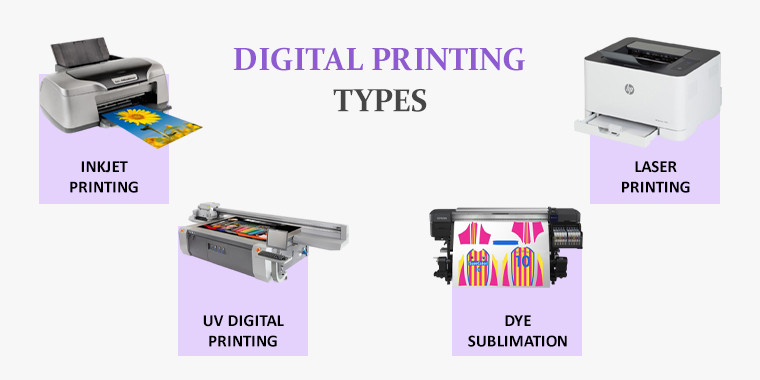
Personalización: Impresión, Bordado, Custom Branding
Customization options such as printing, embroidery, and custom branding are core offerings from U.S. sweatshirt manufacturers, with screen printing holding a 54.4% market share in 2024 and embroidery commonly used for premium branding. The U.S. custom printing market is valued at $6.10 billion (2023), projected to reach $12.24 billion by 2030, driven by demand from apparel brands for personalized, branded garments.
In our experience working with brands, customization is one of the most effective ways to differentiate activewear and engage target customers. Methods like screen printing, embroidery, and digital printing each bring unique strengths and limitations depending on project scale and branding goals.
Overview of Customization Methods
- 🖨️ Screen printing — dominant method with 54.4% global market share (2024), known for cost efficiency and scalability in larger orders.
- 🪡 Embroidery — favored for premium branding, ensures durability and upscale visual appeal, ideal for logos or small designs on thicker fabrics.
- 🎨 Digital printing — suitable for short-run, multicolor, and complex designs, but holds a smaller volume share.
Market Size and Industry Trends
| 📊 Metric | 2023 | 2030 Projection | CAGR |
|---|---|---|---|
| U.S. Custom Printing Market | $6.10 billion | $12.24 billion | 🚀 10.5% |
| Global Custom Printing Market | N/A | $68.46 billion | 🚀 10.3% |
| Commercial Sector Share (U.S.) | 70.8% | — | 💡 Dominated by branded uniforms & retail apparel |
| Large Enterprise Demand Share (U.S.) | 57.7% | — | 💡 Reflects bulk order preferences |
Benefits and Considerations of Customization Techniques
- ✅ Screen printing — offers vibrant colors and cost-effectiveness for large volumes, but requires higher minimum order quantities and setup costs.
- ✅ Embroidery — delivers durability and a premium look, especially for small logos; ❌ higher unit price and longer production time.
- ✅ Digital printing — no minimum order requirements and supports complex designs; ⚠️ costs rise for bulk volumes.
- ⚠️ Lead times — embroidery and screen printing take longer due to setup. Sustainability trends increasing demand for eco-friendly inks and materials.
Critical Perspectives on Customization Choices
- 💡 Not all high-end branding needs embroidery — screen or digital printing may be better for large or complex graphics.
- 💡 Minimum order quantities differ — embroidery and screen printing often require larger batches, while digital printing suits small runs.
- 💡 Match method to project needs — screen printing for bulk cost efficiency, embroidery for premium appeal, digital printing for short-run flexibility.
Sostenible & Eco-Friendly Options
Sustainable and eco-friendly sweatshirt manufacturing in the USA is rapidly growing, driven by consumer demand and regulatory pressure, with leading manufacturers adopting recycled, organic, and regenerative fabrics, circular production models, and energy-efficient processes to reduce waste and emissions.
For American apparel brands and sweatshirt manufacturers USA-wide, sustainability is now integral to competitiveness. This shift stems from evolving consumer expectations, advancing textile innovations, and tightening environmental regulations.
Market Growth and Economic Impact
| 📊 Metric | Value |
|---|---|
| 🌍 Global Sustainable Clothing Market Value (2025) | $3.9 billion |
| 🇺🇸 US Sustainable Fashion Market Value (2025) | $12.46 billion |
| 📈 Projected Global Market (2030) | $33 billion |
| 🚀 Compound Annual Growth Rate (CAGR 2023-2030) | 22.9% |
| 💡 Circular Fashion Economic Opportunity | $560 billion globally |
These figures confirm a sharp upward trajectory in the sustainable apparel sector. In our experience, brands that embrace eco-materials and circular models achieve both economic resilience and higher consumer loyalty.
Sustainable Materials and Production Methods
- ✅ Common eco-friendly fabrics include organic cotton, recycled polyester, hemp, bamboo, and Tencel.
- ✅ Use of GOTS-certified and other eco-certified fabrics to ensure global standards.
- ✅ Energy-efficient manufacturing via solar-assisted production and automated cutting systems.
- 🚀 Circular production models cutting annual waste by up to 40%.
Manufacturers integrating these methods not only reduce their environmental footprint but also differentiate their product lines. Our expertise shows that sustainable fabric sourcing can align with high-performance quality expectations.
Environmental Challenges and Industry Impact
- ⚠️ Fashion contributes 10% of global carbon emissions.
- ⚠️ Generates 20% of global wastewater.
- ⚠️ Scope 3 emissions form 96% of major apparel brand emissions—mostly from indirect supply chain activities.
- 💡 Traceability and transparency now rank as critical measures for environmental impact management.
Even with sustainable initiatives, widespread issues remain across the apparel sector. Supply chain transparency and carbon accounting have become non-negotiable for future readiness.
Benefits and Industry Misconceptions
- ✅ Sustainability can boost profit margins through resource efficiency and waste reduction.
- ✅ 67% of buyers consider sustainable materials essential, increasing consumer trust.
- ✅ Investments in renewable energy or closed-loop systems enhance brand reputation.
- ❌ Misconception: Sustainability lowers quality or profit—data shows consistent positive relationships.
Forward-looking sweatshirt manufacturers USA-wide are proving that integrating sustainability enhances both ethical standing and economic returns. The challenge is shifting outdated perceptions with concrete case data.
Best Practices for B2B Buyers
- ✅ Require full documentation of sustainability certifications such as GOTS or OEKO-TEX.
- ✅ Verify transparency and traceability efforts throughout the supply chain.
- ✅ Partner with manufacturers investing in renewable energy and circular production.
- 💡 Evaluate long-term ROI over short-term savings in MOQ or initial production costs.
We recommend these steps to ensure your sourcing strategy supports sustainability without compromising quality or supply reliability. This approach positions brands for long-term market relevance.
Made-in-USA Advantages for Your Brand
Made-in-USA sweatshirt manufacturing offers brands faster lead times, higher supply chain flexibility, and strong sustainability standards compared to overseas production, but comes with higher labor costs and premium pricing.
For American apparel brands and retailers, sourcing sweatshirts from domestic facilities can have notable impacts on speed, quality, and brand perception. Below is a closer look at the advantages, costs, and strategic considerations.
Key Advantages of Made-in-USA Manufacturing
- 🚀 Lead times average 2–4 weeks compared to 6–12 weeks for overseas production.
- ✅ Higher supply chain flexibility, enabling rapid customization and quicker market response.
- 💡 Strong sustainability and ethical labor standards boost brand reputation and consumer trust.
- ✅ The U.S. apparel industry employs over 582,000 workers, supporting local economic growth.
In our experience, these factors make domestic sweatshirt manufacturing appealing for brands aiming to maintain tighter control over production schedules and product quality.
Cost and Pricing Considerations
| Factor | Made-in-USA | Overseas |
|---|---|---|
| Labor Cost | ❌ Higher (premium pricing on finished goods) | ✅ Lower |
| Logistics Risk | ✅ Reduced delays | ⚠️ Longer lead times, higher risk |
| Quality Control | ✅ Easier in-person oversight | ⚠️ Reliant on remote inspection |
Although labor costs are higher domestically, the growing consumer demand for sustainable apparel—expanding at 11.3% annually—justifies the premium for many brands.
Critical Perspective on Made-in-USA Production
- ⚠️ Not all U.S. factories provide flexible MOQs or unlimited scalability; capacity and pricing differ widely.
- ✅ Faster restocking and consistent quality oversight can enhance marketing and logistical efficiency.
- 💡 Sustainability standards are inconsistent overseas, making local production a solid choice for brands committed to ethical practices.
Brands should weigh these realities against their growth plans, seasonal cycles, and market positioning before fully committing to domestic sweatshirt manufacturing.
Comparing USA vs. Offshore Production
USA production offers faster lead times, higher quality control, and stronger ethical standards, but at a significantly higher cost than offshore manufacturing, which dominates the market due to low labor costs and large-scale capacity.
For brands, including sweatshirt manufacturers usa, deciding between domestic and offshore sourcing involves weighing speed, quality, and ethical considerations against cost advantages and production scale. Below is a breakdown based on recent industry data.
Key Comparison (USA vs. Offshore Production)
| Factor | USA 🇺🇸 | Offshore 🌏 |
|---|---|---|
| Percentage of US Apparel Made Domestically | 2.5% | 97.5% imported |
| Market Size (2025) | $9.9B | $1.8T global market |
| Labor Costs per Hour | 💰 $15–$20 | 💰 Less than $1 (Bangladesh, Vietnam) |
| Lead Times | 🚀 2–4 weeks | ⏳ 6–12 weeks |
| Shipping Costs | ✅ Lower | ❌ Higher |
| Quality Control | ✅ Easier to maintain | ⚠️ More challenging |
| Sustainability/Ethics | ✅ High standards | ⚠️ Variable standards |
| Technology Use | 💡 High (AR, AI, 3D) | 💡 Medium to low |
| Supply Chain Flexibility | ✅ High | ❌ Medium to low |
| Tariff Impact (2025) | ⚠️ $660METRO tariffs affecting US output | ⚠️ Severe exposure |
| Employment | 82,000–100,000 | Millions (Asia) |
Challenges and Trade-offs Between USA and Offshore Production
- ❌ Offshore dominance comes from much lower labor rates, enabling mass-scale output and bigger margins for mainstream brands.
- ⚠️ Longer offshore lead times risk delaying product launches and can disrupt inventory strategies.
- ❌ Offshore is prone to higher shipping expenses, and can be vulnerable to tariffs, political changes, and supply chain instability.
- ⚠️ Quality and ethical standards offshore vary greatly, which can affect brand reputation and compliance.
- ✅ USA manufacturing allows rapid market entry and supply chain transparency, well-suited for premium or quick-turn segments despite higher costs.
In our experience, for businesses seeking made-in-USA sweatshirt production, domestic manufacturing aligns with premium positioning and brand control priorities. Offshore sourcing remains attractive for large-scale cost efficiency.
Top USA Sweatshirt Manufacturers by Region
This section highlights key sweatshirt manufacturers across various U.S. regions known for custom apparel production and domestic quality standards. Each company specializes in different niches, from eco-friendly fabrics to fashion-forward designs, meeting diverse brand needs.
Dongguan Sansansun Deportes Co., Limitado.
🏆 Best for: Startups, Private Label Brands, E-Commerce
With over 16 years in the apparel industry, Dongguan Sansansun Deportes Co., Limitado. stands out as a trusted manufacturer for brands seeking high-quality custom activewear. Specializing in both seamless and cut-and-sew production, their two advanced factories enable a wide range of creative and technical garment solutions.
The company maintains a flexible MOQ of 150 piezas for sewn products, making them an appealing choice for emerging labels and agile businesses. Their rapid sampling process, averaging just 14 days, helps brands get products to market quickly. By partnering with eco-friendly fabric suppliers and applying strict quality control, Sansansun ensures that each garment meets demanding international standards.
Beyond production capabilities, Sansansun offers full-spectrum support including ODM design services, marketing assistance, and responsive communication. This integrated approach allows startups and private labels to develop unique product lines while minimizing operational complexities.
Key Information:
- 📍 Location: Porcelana
- 🏭 Main Products: Custom activewear, seamless and cut-and-sew sweatshirts, yoga and gym wear
- 🛒 Main Markets: Startups, Private Label Brands, E-Commerce
Pros & Cons:
| What We Love | Things to Consider |
|---|---|
|
|
Indie Source
🏆 Best for: Startups, DTC Brands, Established Retailers
Based in Los Angeles, Indie Source operates as a full-package apparel manufacturer with a strong focus on custom sweatshirts, sudaderas con capucha, and activewear. Their vertically integrated facility supports every stage of production, from initial design and pattern development to sampling and final manufacturing. By keeping production local, they maintain consistent Made-in-USA quality and uphold strict ethical labor standards.
Their agile approach makes them a strategic partner for brands seeking fast prototyping and short production runs. Con low minimum order quantities, they cater to emerging labels testing the market as well as established retailers introducing limited editions. This flexibility allows for rapid response to market demand and seasonal trends.
Supply chain transparency is at the core of their operations. Clients benefit from clear communication, detailed production timelines, and visibility into sourcing and manufacturing stages. This openness, combined with their creative and technical expertise, makes Indie Source a reliable choice for brands that value both innovation and accountability in apparel production.
Key Information:
- 📍 Location: Los Angeles, California
- 🏭 Main Products: Custom sweatshirts, sudaderas con capucha, activewear
- 🛒 Main Markets: Startups, DTC Brands, Established Retailers
Pros & Cons:
| What We Love | Things to Consider |
|---|---|
|
|
Royal Apparel
🏆 Best for: Eco-conscious brands, Retailers
Founded in 1992 and headquartered in Hauppauge, New York, Royal Apparel has built a strong reputation for producing sustainable fleece garments entirely in the USA. They specialize in sweatshirts and hoodies crafted from GOTS-certified organic cotton and recycled blends, giving brands an eco-friendly alternative to imported mass-market apparel. Their production model supports Made in USA quality standards while meeting the growing demand for environmentally responsible textiles.
The company offers flexible private label programs alongside wholesale capabilities, enabling brands to customize designs, labels, and packaging for a fully branded experience. With efficient operations, Royal Apparel is known for quick lead times, making them a reliable partner when deadlines are tight. Their vertically integrated approach—from knitting to finishing—ensures greater control over quality and consistency.
Royal Apparel’s key customer base includes sustainable fashion labels, boutique retailers, and promotional product companies seeking products with a lower environmental footprint. While custom orders come with higher minimum order quantities (MOQs), brands working with them benefit from ethically sourced materials, domestic production, and a partner committed to aligning product integrity with sustainability goals.
Key Information:
- 📍 Location: Hauppauge, New York
- 🏭 Main Products: Sudaderas, sudaderas con capucha, organic fleece, T-shirts
- 🛒 Main Markets: Eco-conscious brands, Retailers
Pros & Cons:
| What We Love | Things to Consider |
|---|---|
|
|
Hanesbrands Inc.
🏆 Best for: Major retailers, Sports teams, Private label clients
Based in Winston-Salem, North Carolina, Hanesbrands Inc. stands among the largest apparel manufacturers in the United States. With well-known labels such as Hanes and Champion under its portfolio, the company delivers mass-market apparel solutions that balance comfort with cost efficiency. They have built a solid reputation for supplying sweatshirts, sudaderas con capucha, fleece, and core basics at scale to clients across multiple sectors.
The company operates a vast manufacturing and distribution infrastructure, enabling them to meet high-volume demands for major retailers, sports organizations, and private label customers. Their production model focuses on consistency, broad availability, and market reach, making them a strong option for brands that value national-level supply capabilities over niche design features.
While Hanesbrands is a leader in affordability and recognized brands, it places less emphasis on premium materials or eco-friendly innovation. Some production occurs offshore, but the firm maintains a core U.S. presence that supports domestic distribution speed and reliability. For buyers prioritizing scale, familiarity, and predictable quality, Hanesbrands offers a dependable sourcing partner.
Key Information:
- 📍 Location: Winston-Salem, North Carolina
- 🏭 Main Products: Sudaderas, sudaderas con capucha, fleece, basics
- 🛒 Main Markets: Major retailers, Sports teams, Private label clients
Pros & Cons:
| What We Love | Things to Consider |
|---|---|
|
|
American Apparel
🏆 Best for: Wholesale brands, Fashion-forward retailers
American Apparel operates from its Los Angeles base, maintaining a strong commitment to Made-in-USA production. After its relaunch under Gildan Activewear, the brand continues to deliver sweatshirts, sudaderas con capucha, fleece, and everyday basics with the same urban aesthetic that made it iconic. Their heritage of domestic manufacturing is matched by an emphasis on ethical labor practices and transparent supply chains.
For wholesale buyers and private label customers, American Apparel offers a mix of classic core products and more trend-driven pieces. The fleece range particularly appeals to brands seeking versatile apparel suitable for retail shelves or promotional merchandise. Consistency in quality and fit has earned them long-term contracts from established fashion retailers and lifestyle brands.
In B2B sourcing, American Apparel stands out by blending OEM capabilities with a recognizable consumer-facing style. This dual strength allows buyers to leverage both dependable production and strong brand equity. For companies targeting customers in the urban fashion space or desiring ethically made goods, partnering with American Apparel can strengthen both sourcing reliability and market perception.
Key Information:
- 📍 Location: Los Angeles, California
- 🏭 Main Products: Sudaderas, sudaderas con capucha, fleece, basics
- 🛒 Main Markets: Wholesale brands, Fashion-forward retailers
Pros & Cons:
| What We Love | Things to Consider |
|---|---|
|
|
Stylus Apparel
🏆 Best for: Startups, Promotional companies, Established brands
Based in West Palm Beach, Florida, Stylus Apparel focuses on producing private label sweatshirts and hoodies with a full spectrum of in-house services. Their capabilities include integrated design, cut-and-sew manufacturing, and expert decorative techniques like embroidery and screen printing, allowing brands to create custom apparel with cohesive visual identity.
The company’s production model is built to serve diverse client profiles, from new market entrants to established labels. Flexible order quantities and responsive lead times make them a reliable choice for time-sensitive projects or initial product launches. With a commitment to quality control, Stylus Apparel ensures consistent output across all production runs.
By focusing on USA-based manufacturing, Stylus Apparel provides clients with domestic sourcing advantages, including reduced shipping times and adherence to local quality standards. Their ability to handle end-to-end brand development—from concept to final packaging—positions them as a strategic partner for brands seeking to scale with minimal operational friction.
Key Information:
- 📍 Location: West Palm Beach, Florida
- 🏭 Main Products: Sudaderas, sudaderas con capucha, private label, branding
- 🛒 Main Markets: Startups, Promotional companies, Established brands
Pros & Cons:
| What We Love | Things to Consider |
|---|---|
|
|
American Stitchco
🏆 Best for: Corporate clients, Institutional buyers, Retail partners
Located in Mountain Home, Arkansas, American Stitchco has steadily built its reputation as a reliable partner for brands seeking quality custom apparel. Their capabilities span OEM services, private label production, embroidery, and full contract manufacturing, allowing them to address a wide range of B2B needs across corporate, institutional, and retail markets.
Clients benefit from the company’s competitive pricing combined with a flexible production approach that adapts to order size and complexity. The central U.S. location supports efficient nationwide logistics, reducing transit times for time-sensitive projects and contributing to dependable distribution performance.
While the focus leans toward standardized and practical garment lines, American Stitchco’s strength lies in consistent quality and scalable manufacturing rather than cutting-edge fashion styles. Buyers should plan production schedules carefully, as lead times can vary based on seasonal demand and order specifications. For organizations prioritizing durability, customization, and a proven Midwest manufacturing base, American Stitchco offers a solid sourcing option.
Key Information:
- 📍 Location: Mountain Home, Arkansas
- 🏭 Main Products: Sudaderas, uniforms, custom apparel
- 🛒 Main Markets: Corporate clients, Institutional buyers, Retail partners
Pros & Cons:
| What We Love | Things to Consider |
|---|---|
|
|
Lefty Production Co.
🏆 Best for: Premium brands, Luxury labels, Startups
Based in the heart of Los Angeles, Lefty Production Co. operates as a boutique manufacturer with a focus on crafting premium sweatshirts, sudaderas con capucha, and cut‑and‑sew apparel. Their facility combines modern production capabilities with traditional garment-making expertise, making them a trusted partner for brands that value precision and attention to detail.
The company provides end‑to‑end production services, starting from initial design consultation to full‑scale manufacturing. This integrated approach allows brands to streamline their product development and maintain consistent quality standards. Their flexible operations make them especially suited for small‑batch manufacturing, catering to brands that prioritize exclusivity and fine craftsmanship over mass production.
Lefty Production Co. is popular among luxury labels and emerging startups for their personalized service and commitment to Made‑in‑USA quality. Each project is handled with a high level of collaboration, ensuring that every detail—from fabric selection to final stitching—meets brand objectives. While their services command higher costs, their ability to deliver distinctive, high‑end apparel makes them a worthwhile choice for businesses aiming to build a strong premium presence.
Key Information:
- 📍 Location: Los Angeles, California
- 🏭 Main Products: Sudaderas, sudaderas con capucha, cut-and-sew apparel
- 🛒 Main Markets: Premium brands, Luxury labels, Startups
Pros & Cons:
| What We Love | Things to Consider |
|---|---|
|
|
FAQs About USA Sweatshirt Manufacturers
What states lead in USA sweatshirt manufacturing?
In the USA, sweatshirt manufacturing is concentrated in states with strong textile and apparel infrastructure. The leading hubs include California, North Carolina, New York, and Texas.
These states benefit from skilled labor pools, established supply chains, and proximity to raw material distribution. Many domestic brands prefer sourcing from these regions to maintain short lead times and ensure quality consistency.
What is the typical MOQ for custom orders?
Made-in-USA sweatshirt manufacturers often work with MOQs starting from 100–300 pieces depending on the complexity of the design. Some premium or boutique producers may accept lower volumes, especially for high-value products.
For imported custom activewear from suppliers like us, sewn products start at 150 piezas, while seamless products require 1,000 piezas as a minimum. This flexibility helps emerging brands manage inventory and launch small collections.
Can I get made-in-USA certification and labeling?
Yes, if the product meets the Federal Trade Commission (FTC) standard, which requires that all or virtually all significant parts and processing be of U.S. origin. Manufacturers that qualify can provide documentation for the “Made in USA” label.
It’s essential to work with suppliers experienced in compliance, as improper labeling can lead to penalties. Reputable domestic factories will manage this process and ensure correct label placement before bulk delivery.
What lead times should I expect?
Typical domestic sweatshirt production lead times range from 4–8 weeks, depending on capacity, season, and material availability. Rush orders may be completed faster, but often with additional costs.
For overseas manufacturing with our facilities, sample production averages 14 days, and bulk production is completed in about 30 days, ensuring competitive turnaround while maintaining quality control standards.
What sustainable and innovative fabric options exist?
Sustainable sweatshirt production often incorporates eco-friendly materials such as organic cotton, recycled polyester, and recycled nylon. Some brands also use low-impact dyes to reduce environmental footprint.
Innovative performance fabrics are available with features like moisture-wicking technology, four-way stretch construction, antibacterial treatments, and temperature regulation. Partnering with mills that prioritize sustainability ensures access to both green and high-performance options.
Final Thoughts
USA sweatshirt manufacturing offers brands a blend of speed, quality control, and sustainability that’s hard to match with offshore production. By leveraging regional expertise, embracing innovative fabrics, and aligning with domestic testing standards, apparel companies can position themselves at the forefront of a growing $15.2 billion market. Attention to customization options, sustainable material sourcing, and strategic MOQ management enables brands to balance cost competitiveness with high product value.
For B2B buyers, the path to success lies in selecting manufacturing partners who combine advanced technology, ethical practices, and flexible production capacities. This approach not only enhances supply chain stability but also sharpens market responsiveness, helping brands meet evolving consumer demands and regulatory expectations while building long-term customer trust.
SEO
Title: Top 10 Sweatshirt Manufacturers in USA
Description: Explore smart home automation systems to improve security, energy efficiency, and convenience in your daily life.
URL: smart-home-automation-systems
Keywords: smart home automation