परिधान सोर्सिंग में नमूनाकरण क्यों मायने रखता है?
परिधान ब्रांडों और उत्पाद विकास टीमों के लिए, कठोर नमूने के बिना अवधारणा से उत्पादन की ओर बढ़ने से महंगी गुणवत्ता संबंधी समस्याएं पैदा हो सकती हैं, विलंबित लॉन्च, और विश्वसनीयता को नुकसान पहुँचाया. नमूनाकरण और प्रोटोटाइप रन एक सुरक्षा उपाय के रूप में कार्य करते हैं, यह सुनिश्चित करना कि प्रत्येक परिधान डिज़ाइन के अनुरूप हो, उपयुक्त, और बड़े पैमाने पर विनिर्माण शुरू होने से पहले मानकों का अनुपालन.
यह मार्गदर्शिका नमूना प्रकारों और उनकी भूमिकाओं को शामिल करती है, प्री-प्रोडक्शन अनुमोदन प्रक्रिया, और चीन से सोर्सिंग में बचने के लिए सामान्य गलतियाँ. यह परिधान टीमों को जोखिम कम करने में मदद करता है, गुणवत्ता मानदंड कायम रखें, और लगातार उत्पादन की तैयारी को सुव्यवस्थित करें, बाज़ार के लिए तैयार आउटपुट.
परिधान सोर्सिंग में नमूनाकरण क्यों मायने रखता है?
में सैंपलिंग महत्वपूर्ण है परिधान सोर्सिंग क्योंकि यह ब्रांडों को उत्पाद की गुणवत्ता का आकलन करने में सक्षम बनाता है, उपयुक्त, और पूर्ण पैमाने पर उत्पादन के लिए प्रतिबद्ध होने से पहले अनुपालन, महंगी त्रुटियों को कम करना और यह सुनिश्चित करना कि थोक ऑर्डर विनिर्देशों को पूरा करते हैं.
अग्रणी स्पोर्ट्सवियर ब्रांडों के साथ काम करने का हमारा अनुभव, नमूनाकरण एक डिज़ाइन अवधारणा और व्यावसायिक रूप से सफल उत्पाद के बीच का सेतु है. यह उत्पादन शुरू होने से पहले तकनीकी और सौंदर्य दोनों आवश्यकताओं को मान्य करता है, मदद करना परिधान टीमें जोखिमों का पूर्वानुमान लगाती हैं और गुणवत्ता नियंत्रित करती हैं.
प्रमुख नमूनाकरण विधियाँ और उद्योग मानक
परियोजना के दायरे के आधार पर विभिन्न नमूनाकरण तकनीकों को अपनाया जाता है, उत्पादन की मात्रा, और अनुपालन आवश्यकताएँ. परिधान निर्माता बड़े पैमाने पर उत्पादन में जाने से पहले यह सत्यापित करने के लिए कि उत्पाद ग्राहक विनिर्देशों को पूरा करते हैं, अक्सर संरचित निरीक्षण योजनाएं लागू करते हैं.
- ✅ कोई नमूना निरीक्षण नहीं, 100% निरीक्षण, और बुनियादी गुणवत्ता सत्यापन के लिए स्पॉट चेकिंग.
- ✅ मनमाना नमूनाकरण - आम तौर पर निरीक्षण करता है 10% त्वरित गुणवत्ता जांच के लिए बहुत कुछ.
- आईएसओ द्वारा निर्देशित स्वीकृति नमूनाकरण 2859-1 - लॉट आकार और आवश्यक गुणवत्ता स्तर के आधार पर नमूना आकार निर्धारित करता है.
- ✅ यादृच्छिक सहित सांख्यिकीय तरीके, व्यवस्थित, विभक्त हो गया, और डेटा-संचालित परिणामों के लिए क्लस्टर नमूनाकरण.
गुणवत्ता नियंत्रण और जोखिम प्रबंधन में नमूने की भूमिका
नमूनाकरण बड़े पैमाने पर दोषों और अनियोजित वित्तीय हानि के खिलाफ सुरक्षा के रूप में कार्य करता है. प्रोटोटाइप रन और प्री-प्रोडक्शन नमूनों की समीक्षा करके, ब्रांड बड़े होने से पहले मुद्दों की पहचान कर सकते हैं.
हमारी गुणवत्ता टीम अक्सर यह पाती है 40% नमूनों से ऐसी खामियां उजागर होती हैं जो अनियंत्रित होने पर उपभोक्ता तक पहुंच जातीं, महंगे पुनर्कार्य को रोकना और ब्रांड अखंडता की रक्षा करना.
- ✅ मुख्य मापदंडों का मूल्यांकन करता है - कपड़े की गुणवत्ता, उपयुक्त, निर्माण, और बड़े पैमाने पर उत्पादन से पहले नियामक अनुपालन.
- ✅ वॉल्यूम ऑर्डर करने के लिए सैंपलिंग विधि और आकार को तैयार करता है, परिधान की जटिलता, और वांछित आत्मविश्वास का स्तर.
- ✅ अंतिम गुणवत्ता नियंत्रण में सहज थोक अनुमोदन प्रक्रियाओं और कम अस्वीकृति दरों का समर्थन करता है.
नमूनाकरण में महत्वपूर्ण परिप्रेक्ष्य और सामान्य नुकसान
अनुचित नमूनाकरण एक आम समस्या है परिधान सोर्सिंग. गैर-यादृच्छिक या खराब तरीके से चुने गए नमूने उन दोषों को छिपा सकते हैं जो उपभोक्ता के उपयोग के बाद ही स्पष्ट होते हैं.
- ⚠️ अपूर्ण या अप्रतिनिधिक नमूनाकरण से गुणवत्ता संबंधी समस्याओं की अनदेखी हो सकती है.
- ✅ अच्छी तरह से डिज़ाइन किए गए सैंपलिंग प्रोटोकॉल विश्वसनीयता में सुधार करते हैं और लगातार गुणवत्ता मानकों का समर्थन करते हैं.
- ✅ नमूनाकरण ग्राहक रिटर्न को कम करता है और दीर्घकालिक ब्रांड प्रतिष्ठा की रक्षा करता है.
- 💡 विशेषज्ञ विशिष्ट उत्पादन चरणों और परिधान विशेषताओं के अनुसार नमूनाकरण विधियों को अपनाने की सलाह देते हैं.
नमूनों के प्रकार (आद्य, थोक, पीपी)
परिधान निर्माण में, मुख्य प्रकार के नमूने प्रोटोटाइप हैं (आद्य) नमूने, थोक नमूने, और प्री-प्रोडक्शन (पीपी) नमूने. प्रत्येक का एक विशिष्ट उद्देश्य होता है: प्रोटो नमूने डिज़ाइन और फिट को मान्य करते हैं, थोक नमूने उत्पादन की गुणवत्ता की पुष्टि करते हैं, और पीपी नमूने बड़े पैमाने पर उत्पादन से पहले अंतिम अनुमोदन सुनिश्चित करते हैं.
कपड़ों की सोर्सिंग और उत्पादन में नमूनाकरण एक महत्वपूर्ण कदम है. परिधान ब्रांडों और आयातकों के लिए, प्रत्येक नमूना प्रकार को समझने से परियोजनाओं को समय पर रखने में मदद मिलती है और बड़े पैमाने पर उत्पादन करने से पहले उत्पाद की गुणवत्ता सुनिश्चित होती है.
नमूना प्रकार और उनके उद्देश्यों का अवलोकन
- प्रोटो नमूने - पहला परिधान संस्करण, डिज़ाइन इरादे का परीक्षण करने के लिए उपयोग किया जाता है, उपयुक्त, और अंतिम सामग्री के बिना निर्माण.
- थोक नमूने - बड़े पैमाने पर विनिर्माण के लिए गुणवत्ता मानक स्थापित करने के लिए वास्तविक उत्पादन कपड़ों और तरीकों के साथ बनाया गया.
- प्री-प्रोडक्शन (पीपी) नमूने – अंतिम अनुमोदन चरण, पूर्ण उत्पादन से पहले लेबलिंग और पैकेजिंग सहित सभी विशिष्टताओं का मिलान.
हमारे अनुभव में, इन चरणों को अलग करने से टीमों को डिज़ाइन सटीकता को नियंत्रित करने की अनुमति मिलती है, उत्पादन क्षमता, और ब्रांड गुणवत्ता मानकों का अनुपालन.
नमूना प्रकारों का मुख्य डेटा और लागत तुलना
| नमूना प्रकार | मात्रा | समय सीमा | प्रति टुकड़ा लागत |
|---|---|---|---|
| प्रोटो नमूना | 1-2 प्रति शैली टुकड़े | 7-14 दिन | $50-$200 प्रत्येक |
| थोक नमूना | 2-3 प्रति ऑर्डर टुकड़े | 14-21 दिन | उत्पादन लागत में शामिल या $30–$100 प्रत्येक |
| प्री-प्रोडक्शन नमूना | 1-3 प्रति रंग/आकार के टुकड़े | 7-10 दिन | $40-$150 प्रत्येक |
ये आंकड़े विशिष्ट श्रेणियां हैं और जटिलता के आधार पर भिन्न हो सकते हैं, सामग्री, और आपूर्तिकर्ता क्षमताएं. इन बेंचमार्क को समझने से ब्रांडों को सटीकता के साथ बजट और समयसीमा का पूर्वानुमान लगाने में मदद मिलती है.
नमूनाकरण प्रक्रिया पर महत्वपूर्ण परिप्रेक्ष्य
- ⚠️ समय या पैसा बचाने के लिए नमूनाकरण चरणों को छोड़ने या जल्दबाजी करने से अक्सर महंगी त्रुटियां होती हैं और बाद में दोबारा काम करना पड़ता है.
- ✅ सैंपलिंग प्रोटोकॉल और स्पष्ट दस्तावेज़ीकरण का कड़ाई से पालन जोखिम को कम करता है और उत्पाद की गुणवत्ता बनाए रखता है.
- 💡 जब बी2बी खरीदार नमूना भेदों को पूरी तरह से समझ लेते हैं तो उन्हें सोर्सिंग मानकों पर बेहतर नियंत्रण प्राप्त होता है.
सैनसन स्पोर्ट्स में हमारे अनुभव में, प्रत्येक नमूना चरण एक संरचित वर्कफ़्लो का हिस्सा है - कपड़े के विकास से लेकर अंतिम पैकेजिंग तक - ब्रांड की अखंडता की रक्षा करने और लगातार प्रदर्शन सुनिश्चित करने के लिए डिज़ाइन किया गया है.
प्री-प्रोडक्शन अनुमोदन प्रक्रिया
प्री-प्रोडक्शन अनुमोदन प्रक्रिया एक औपचारिक प्रणाली है, अक्सर पीपीएपी जैसे मानकों के साथ संरेखित किया जाता है, जो सभी डिज़ाइनों को पूरा करने वाले परिधान भागों का लगातार उत्पादन करने की आपूर्तिकर्ता की क्षमता को मान्य करता है, गुणवत्ता, और बड़े पैमाने पर उत्पादन शुरू होने से पहले नियामक आवश्यकताएं.
वैश्विक स्पोर्ट्सवियर ब्रांडों के साथ काम करने का हमारा अनुभव, यह कदम यह पुष्टि करने के लिए आवश्यक है कि उत्पादन विधियां लगातार डिजाइन और गुणवत्ता अपेक्षाओं को पूरा कर सकती हैं. यह जोखिम को कम करता है और यह सुनिश्चित करता है कि बल्क रन सिद्ध प्रक्रियाओं पर आधारित हो, धारणा के बजाय.
प्री-प्रोडक्शन अनुमोदन प्रक्रिया में मुख्य चरण
- ✅ यह सुनिश्चित करने के लिए डिज़ाइन समीक्षा कि विशिष्टताएँ ब्रांड की आवश्यकताओं को पूरा करती हैं.
- ✅ प्रक्रिया क्षमता अध्ययन (सीपी और सीपीके) उत्पादन स्थिरता और नियंत्रण का आकलन करना, न्यूनतम लक्ष्यीकरण सीपीके 1.67 महत्वपूर्ण आयामों के लिए.
- ✅ पायलट उत्पादन चलता है जो वास्तविक विनिर्माण स्थितियों का अनुकरण करता है.
- ✅ भाग की सटीकता और सामग्री अनुपालन को सत्यापित करने के लिए आयामी और सामग्री परीक्षण.
- ✅ नियंत्रण योजनाओं का दस्तावेज़ीकरण, प्रक्रिया प्रवाह आरेख, और पीएफएमईए जैसे जोखिम विश्लेषण.
- ✅ बड़े पैमाने पर उत्पादन के लिए तैयारी की पुष्टि करने वाली अंतिम साइन-ऑफ प्रक्रियाएं.
ये कदम आपूर्तिकर्ताओं और ब्रांडों दोनों को आगे बढ़ने से पहले संभावित मुद्दों की पहचान करने की अनुमति देते हैं, लंबे समय में समय और संसाधनों की बचत.
आवश्यक मेट्रिक्स और दस्तावेज़ीकरण
- 💡 प्रक्रिया क्षमता सूचकांक (सीपी, सीपीके) विनिर्माण आउटपुट में स्थिरता और दोहराव को मापें.
- 💡 उत्पादन परीक्षण चलाने की गुणवत्ता लक्ष्यीकरण दोष दरें नीचे दी गई हैं 64 पीपीएम.
- 💡आईएसओ जैसे अंतरराष्ट्रीय मानकों का अनुपालन, बीएससीआई, और OEKO-TEX.
- 💡आवश्यक दस्तावेज़ शामिल हैं: नियंत्रण योजना, प्रोसेस फ़्लो डायग्राम, पीएफएमईए, मापन प्रणाली विश्लेषण, आयामी परिणाम, सामग्री प्रमाणपत्र, और प्रोडक्शन ट्रायल रन रिपोर्ट.
- 💡 विशिष्ट अनुमोदन समय सीमा के बीच होती है 2-6 सप्ताह, उत्पादन जटिलता पर निर्भर करता है.
स्पष्ट दस्तावेज़ीकरण पता लगाने की क्षमता सुनिश्चित करता है, जवाबदेही, और गुणवत्तापूर्ण परिणामों की पुनरावृत्ति, जो कि विशेष रूप से महत्वपूर्ण है प्रदर्शन परिधान श्रेणियाँ.
महत्वपूर्ण भूमिका और सामान्य चुनौतियाँ
वास्तविक प्री-प्रोडक्शन अनुमोदन नमूना जांच से कहीं आगे तक फैला हुआ है. इसमें सांख्यिकीय प्रक्रिया नियंत्रण और दस्तावेजी प्रमाण शामिल हैं कि विनिर्माण स्थितियां स्थिर और भरोसेमंद हैं.
- ⚠️ सामग्री संबंधी विसंगतियां अनुपालन और उत्पाद सुरक्षा को प्रभावित कर सकती हैं.
- ⚠️ श्रम टर्नओवर उत्पादन स्थिरता और गुणवत्ता को प्रभावित करता है.
- ⚠️ Varying supplier capabilities affect delivery schedules and defect rates.
Skipping or rushing this process may result in recalls, शिपमेंट में देरी, and loss of customer trust. A thorough approval stage helps detect these risks early, fosters stronger supplier partnerships, and sets clear expectations for both sides.
में खेलों का निर्माण, it acts as a risk management tool ensuring performance apparel meets design intent, withstands rigorous use, and complies with all regulations — consistently across every batch.
विशेषज्ञ रूप से तैयार किए गए कस्टम एक्टिववियर के साथ अपने ब्रांड को ऊंचा उठाएं
Partner with Sansansun Sports to access dual manufacturing expertise, लचीले MOQs, and in-house design innovation that fast-tracks your product to market with uncompromising quality. Experience seamless collaboration from concept to delivery tailored to grow your activewear brand globally.
Common mistakes in China sourcing sample phase
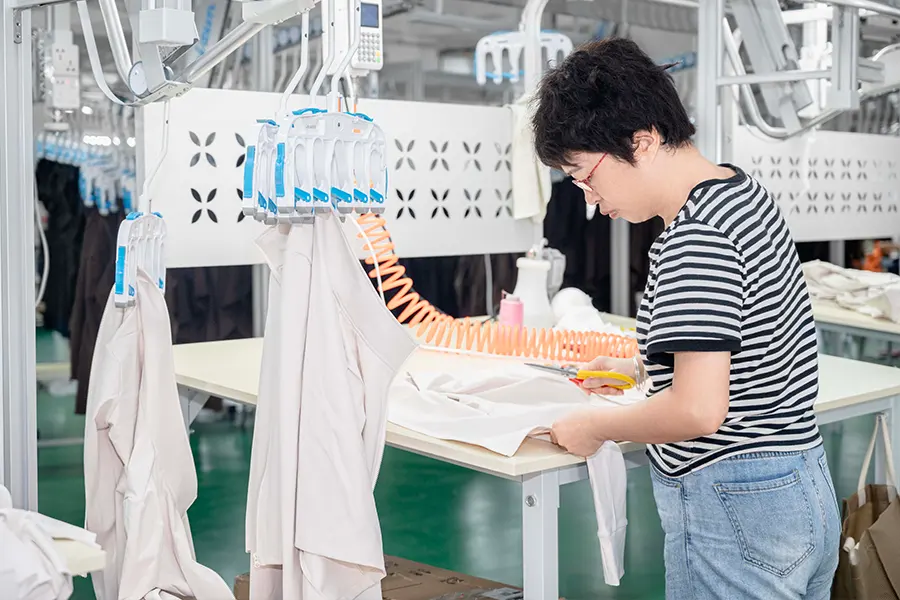
The most common mistakes during the China sourcing sample phase are failing to verify supplier reliability, accepting inconsistent or “golden” samples at face value, and neglecting rigorous, documented quality checks, all of which can lead to costly defects, देरी, or even fraud.
In our experience working with apparel brands, errors made during the sampling stage can ripple through the entire production cycle. Issues overlooked early often turn into costly quality disputes or delays later.
Key Quality Risks in the Sample Phase
Many buyers accept samples that appear perfect but do not represent the actual mass production process. This creates a false sense of security about supplier capabilities.
- ⚠️ Accepting “golden samples” produced by highly skilled workers, misrepresenting bulk production quality.
- ⚠️ Supplier hesitation or charging high fees for samples, hinting at lack of transparency or reliability.
- ⚠️ Inconsistent sample quality that fails to match agreed production standards.
Inspection Timing and Methods
Effective inspection scheduling ensures quality issues are caught before shipment. Two common inspection stages can reduce risk significantly.
- During Production Inspection (DUPRO) when 20-50% of goods are completed, ensuring production consistency.
- Pre-Shipment Inspection after 80-100% का माल पैक हो चुका है, catching defects before dispatch.
- Application of एक्यूएल (स्वीकार्य गुणवत्ता सीमा) to set statistical defect thresholds in batches.
- Timing pre-shipment inspections when at least 80% of packing is done.
नमूना चरण नियंत्रण की उपेक्षा के परिणाम
मजबूत नमूनाकरण नियंत्रणों को छोड़ने से कई परिचालन और वित्तीय असफलताएँ हो सकती हैं.
- ❌ गुणवत्ता फीकी पड़ गई: थोक परिचालन के दौरान आपूर्तिकर्ता सस्ती या घटिया सामग्री का उपयोग कर रहे हैं.
- ❌ परिवर्तनीय उत्पाद गुणवत्ता से रिटर्न और पुनः कार्य के कारण इन्वेंट्री दबाव में वृद्धि.
- ❌ धोखाधड़ी का जोखिम बढ़ गया - सहमत गुणवत्ता वाले सामान की डिलीवरी के बिना भुगतान की गई जमा राशि.
नमूनाकरण की गलतियों से बचने के सर्वोत्तम अभ्यास
स्पष्ट, नमूना चरण के दौरान प्रलेखित प्रक्रियाएं महंगी विफलताओं को रोक सकती हैं और ब्रांड अखंडता की रक्षा कर सकती हैं.
- ✅ संपूर्ण आचरण करें फ़ैक्टरी लेखापरीक्षा और प्रत्येक नमूने के लिए दस्तावेज़ीकृत विशिष्टताओं पर जोर दें.
- ✅ सुनहरे नमूनों को अस्वीकार करें और उन नमूनों की मांग करें जो थोक उत्पादन मानकों का प्रतिनिधित्व करते हैं.
- ✅ Schedule during-production and pre-shipment inspections using statistical methods like एक्यूएल.
- ✅ Analyze past inspection data to identify recurring issues and enforce supplier accountability.
Production start: what to check
Before starting production in apparel manufacturing, verify equipment readiness, confirm material availability, ensure operator training, check safety protocols, and validate the production environment to prevent delays and ensure quality.
Starting apparel production without thorough checks is a risk to both timeline and quality. In our experience with Sampling, प्रोटोटाइप चलता है & Pre‑Production Approval in clothing sourcing, early attention to key areas helps maintain efficiency.
Equipment Inspection and Calibration
Well-maintained machinery reduces the risk of mid-run stoppages and quality defects. Every production start should begin with a detailed check of critical components.
- ✅ Check motors, belts, sensors, and conveyors for wear and proper function.
- ✅ Calibrate machines to align with industry standards to maintain product quality.
Material Inventory and Availability
Availability of fabric and trims needs verification before line activation. Even short delays in sourcing can cause production bottlenecks.
- ✅ Verify current raw material stock levels and replenish stock as needed.
- ✅ Ensure minimum order quantities (MOQs) are met to maintain production continuity.
Operator Training and Safety Protocols
Operators must be fully trained not only in standard processes but also in troubleshooting. This ensures quick recovery from minor issues without halting production.
- Confirm all operators are trained in equipment use, troubleshooting, and safety procedures.
- Implement and enforce safety protocols including emergency stops and personal protective equipment (PPE).
- Conduct compliance checks in line with OSHA, आईएसओ, और बीएससीआई मानकों.
Production Environment and Workspace Setup
A clean, hazard-free environment supports workflow and helps meet quality standards consistently. Layout also plays a big role in efficiency.
- Clean the workplace thoroughly and remove any unnecessary materials.
- Ensure the layout supports smooth production flow to minimize errors and delays.
Pre-Startup Inspection and Initial Operation Monitoring
Documenting each pre-start step adds traceability. It helps in pinpointing setup issues that could lead to defects or downtime during the first runs.
- पूरी तरह से खतरे की जांच करें और फोटो या चेकलिस्ट के साथ दस्तावेज तैयार करें.
- पता लगाने की क्षमता और स्थिरता के लिए प्रलेखित स्टार्टअप अनुक्रम का पालन करें.
- असामान्य ध्वनियों के लिए उपकरण की निगरानी करें, लीक, या अलर्ट करें और समस्याओं की तुरंत रिपोर्ट करें.
निवारक रखरखाव और निरंतर सुधार
निवारक रखरखाव टिकाऊ उच्च-प्रदर्शन परिधान निर्माण की कुंजी है. नियमित मूल्यांकन उपकरण और प्रक्रिया दोनों को चरम स्थिति में रखता है.
- ब्रेकडाउन को रोकने के लिए नियमित मशीन रखरखाव का शेड्यूल और संचालन करें.
- टीम का फीडबैक इकट्ठा करें और सेटअप समय जैसे प्रमुख मेट्रिक्स की समीक्षा करें, त्रुटि दर, और आउटपुट.
- सीखों को शामिल करने और प्रभावशीलता बनाए रखने के लिए चेकलिस्ट को नियमित रूप से अपडेट करें.
लागत & यू.एस./ईयू खरीदारों के लिए समयरेखा निहितार्थ
अगस्त से शुरू 29, 2025, सभी वाणिज्यिक शिपमेंट, जिसमें परिधान के नमूने और प्री-प्रोडक्शन रन शामिल हैं, अमेरिका के बीच. and EU must undergo full customs clearance and pay tariffs of 10-15%, eliminating previous low‑value exemptions. This leads to higher costs and adds 2 को 5 business days of processing time.
Recent regulatory changes have introduced tariff costs and extended clearance times that directly impact apparel brands sourcing across the U.S. and EU. These rules affect sample runs, प्रोटोटाइप, and pre‑production batches, making compliance planning more critical than ever.
Key Regulatory Changes Impacting Costs
- हम. suspended the De Minimis exemption of $800 per shipment as of August 29, 2025.
- EU plans to eliminate its duty‑free threshold of €150 per shipment in 2028.
- Baseline tariffs on U.S.–EU goods range roughly between 10% और 15%, with steel and aluminum tariffs often higher.
- All commercial shipments, including samples and prototypes, अब पूर्ण सीमा शुल्क निकासी की आवश्यकता है.
In our experience working with apparel brands, इन टैरिफ समायोजनों से प्रति परिधान की लागत में उल्लेखनीय वृद्धि होती है. यहां तक कि कम मूल्य वाले नमूना शिपमेंट जो एक बार शुल्क मुक्त हो गए थे, उन्हें अब औपचारिक प्रवेश घोषणाओं और कर भुगतान की आवश्यकता होती है.
समयरेखा प्रभाव और अतिरिक्त अनुपालन लागत
- सीमा शुल्क निकासी अब जुड़ती है 2 को 5 शिपिंग समयसीमा के लिए अतिरिक्त व्यावसायिक दिन, बंदरगाह और वाहक पर निर्भर करता है.
- खरीदारों को सीमा शुल्क ब्रोकरेज शुल्क जैसी नई लागतों का सामना करना पड़ता है, शुल्क पूर्व भुगतान, और सभी शिपमेंट पर दस्तावेज़ीकरण शुल्क.
- शिपमेंट में देरी का खतरा बढ़ गया, अस्वीकरण, और कागजी कार्रवाई अधूरी या गलत होने पर चार्जबैक मौजूद है.
- देरी को कम करने के लिए सटीक एचएस कोडिंग और सीमा शुल्क दलालों के साथ घनिष्ठ सहयोग जैसी रणनीतियाँ महत्वपूर्ण हैं.
विस्तारित क्लीयरेंस विंडो का मतलब है कि नमूनाकरण की समय सीमा को समायोजित किया जाना चाहिए. इन समयसीमाओं के साथ उत्पादन कार्यक्रम को संरेखित करने से डिजाइन अनुमोदन और बाजार लॉन्च में बाधाओं को रोकने में मदद मिलती है.
सैंपलिंग वर्कफ़्लोज़ पर महत्वपूर्ण परिप्रेक्ष्य
- कम मूल्य वाली छूटों को समाप्त करने से प्रति नमूना लागत बढ़ जाती है, संभावित $20–$100 या प्रति परिधान अधिक.
- ब्रांडों को नमूनाकरण और डिज़ाइन अनुमोदन वर्कफ़्लो में सीमा शुल्क और निकासी समय को शामिल करना चाहिए.
- शिपमेंट को समेकित करना और सक्रिय अनुपालन जोखिम को कम करता है और मार्जिन की रक्षा करता है.
- यह बदलाव तेजी से पुनरावृत्ति को चुनौती देता है लेकिन अधिक रणनीतिक नमूने और लॉजिस्टिक्स योजना को प्रोत्साहित करता है.
प्रोटोटाइप रन और प्री-प्रोडक्शन अनुमोदन का प्रबंधन करने वाली परिधान टीमों के लिए, ये नियम गति और लागत दक्षता के बीच संतुलन की मांग करते हैं. हमारी परियोजनाओं में, सक्रिय दस्तावेज़ीकरण और समेकित शिपमेंट योजना लंबे सीमा शुल्क लीड समय के बावजूद गति बनाए रखने के लिए प्रभावी साबित हुई है.
व्यावहारिक खरीदार चेकलिस्ट
नमूनाकरण के लिए एक व्यावहारिक खरीदार चेकलिस्ट, प्रोटोटाइप चलता है, और कपड़ों की सोर्सिंग में प्री-प्रोडक्शन अनुमोदन में उत्पाद विनिर्देशों को सत्यापित करने के चरण शामिल होने चाहिए, नमूनों का निरीक्षण करना, गुणवत्ता मानकों के अनुपालन की पुष्टि करना, और थोक उत्पादन शुरू होने से पहले सभी स्वीकृतियों का दस्तावेजीकरण करना.
यह चेकलिस्ट परिधान ब्रांडों और आयातकों को जोखिम प्रबंधन में मदद करती है, उत्पाद की गुणवत्ता सुनिश्चित करें, और डिज़ाइन टीमों के बीच संचार को सुव्यवस्थित करें, आपूर्तिकर्ताओं, और अंतिम उत्पादन शुरू होने से पहले विनिर्माण भागीदार.
प्रमुख निरीक्षण चरण
हमारे अनुभव में, संरचित निरीक्षण बिंदु महंगी देरी और गुणवत्ता संबंधी समस्याओं को रोकते हैं. उत्पादन से पहले और उत्पादन के दौरान रणनीतिक क्षणों में निरीक्षण किया जाना चाहिए.
- प्रारंभिक उत्पादन निरीक्षण (आईपीआई): उत्पादन से पहले कच्चे माल के यादृच्छिक नमूनों का परीक्षण करें; सुनिश्चित करें कि सभी सामग्रियां मौजूद हैं और अनुपालनशील हैं.
- During Production Inspection (डीपीआई): जब नमूनों का निरीक्षण करें 30% of production is complete; check that at least 80% of goods are ready for inspection.
- अंतिम निरीक्षण: Assess finished goods for conformity with design specifications, पैकेजिंग, and labeling.
Sample Size and Documentation Requirements
Following internationally recognized AQL standards ensures the inspection process is statistically valid. Proper documentation protects both buyer and manufacturer.
- Adopt statistically significant sample sizes based on AQL standards, जैसे कि 2.5 एक्यूएल Normal level for random carton inspection.
- Include certified samples with signed approvals, printed purchase orders, product design specification guidelines, draft QA inspection forms, and inspection reports.
Critical Measurements and Functional Testing
Accurate measurement and functional tests are key to ensuring garments meet wearability and safety expectations, especially for sportswear and performance apparel.
- Measure product dimensions against specifications and confirm tolerances fall within acceptable limits.
- Conduct functional testing to verify product performance under normal operating conditions and check safety features.
Defect Management and Compliance Checks
Defects must be identified early and managed systematically to prevent compromised goods from reaching customers. Compliance checks protect brands against regulatory issues.
- Segregate nonconforming products in a clearly marked bin and document defects with photos.
- Verify packaging and labeling for accuracy, including carton markings and packaging plans.
- Ensure production processes comply with environmental and safety standards to avoid regulatory risks.
Maintaining and Updating the Checklist
ब्रांड की सोर्सिंग और उत्पादन आवश्यकताओं के साथ-साथ एक खरीदार चेकलिस्ट विकसित होनी चाहिए. यह सुनिश्चित करता है कि आपूर्तिकर्ता बढ़ती गुणवत्ता अपेक्षाओं के साथ जुड़े रहें.
- चेकलिस्ट को एक जीवित दस्तावेज़ के रूप में मानें जो बदलती आवश्यकताओं के साथ अद्यतन होती है.
- उत्पादन जारी रखने से पहले प्रत्येक परिवर्तन के लिए दस्तावेज़ीकृत अनुमोदन पर जोर दें.
- अपेक्षाओं और प्रक्रियाओं पर आंतरिक टीमों और आपूर्तिकर्ताओं को प्रशिक्षित करने के लिए चेकलिस्ट का उपयोग करें.
व्यावहारिक खरीदार चेकलिस्ट
सफल परिधान सोर्सिंग संरचित नमूने पर निर्भर करती है, अनुशासित पूर्व-उत्पादन अनुमोदन, और निरीक्षण डेटा पर कार्रवाई करने की तैयारी. स्पष्ट विशिष्टताओं को लागू करके, गैर-प्रतिनिधि नमूनों को अस्वीकार करना, और उत्पादन को संरेखित करना उपकरण से शुरू होता है, सामग्री, और अनुपालन जाँच, ब्रांड गुणवत्ता बनाए रखते हैं और महंगे पुनर्कार्य को कम करते हैं. नई यू.एस./ईयू नियामक समय-सीमा में फैक्टरिंग यह सुनिश्चित करती है कि नमूनाकरण और अनुमोदन ट्रैक पर बने रहें, सख्त सीमा शुल्क प्रक्रियाओं के तहत भी.
परिधान टीमें जो इन नियंत्रणों को जीवित खरीदार चेकलिस्ट में एकीकृत करती हैं, वे मजबूत आपूर्तिकर्ता जवाबदेही हासिल करती हैं, मार्जिन की रक्षा करें, और आत्मविश्वास के साथ स्टाइल लॉन्च करें. सबसे कुशल वर्कफ़्लो तकनीकी परिशुद्धता को सुसंगत दस्तावेज़ीकरण के साथ जोड़ते हैं, प्रोटोटाइप से अंतिम शिपमेंट तक पता लगाने योग्य गुणवत्ता बेंचमार्क बनाना. सक्षम विनिर्माण विशेषज्ञों के साथ साझेदारी इन चरणों को सुव्यवस्थित करती है, परिचालन जोखिम को कम करते हुए आपको डिज़ाइन और बाज़ार के विकास पर ध्यान केंद्रित करने देता है.