यह मार्गदर्शिका पॉली के उत्पादन भेदों का विश्लेषण करती है(एथिलीन टेरेफ्थेलेट), 3.5-5.5 cN/dtex दृढ़ता जैसे कपड़े के प्रदर्शन की तुलना करता है, and details GRS certifications to inform your 2026 material strategy.
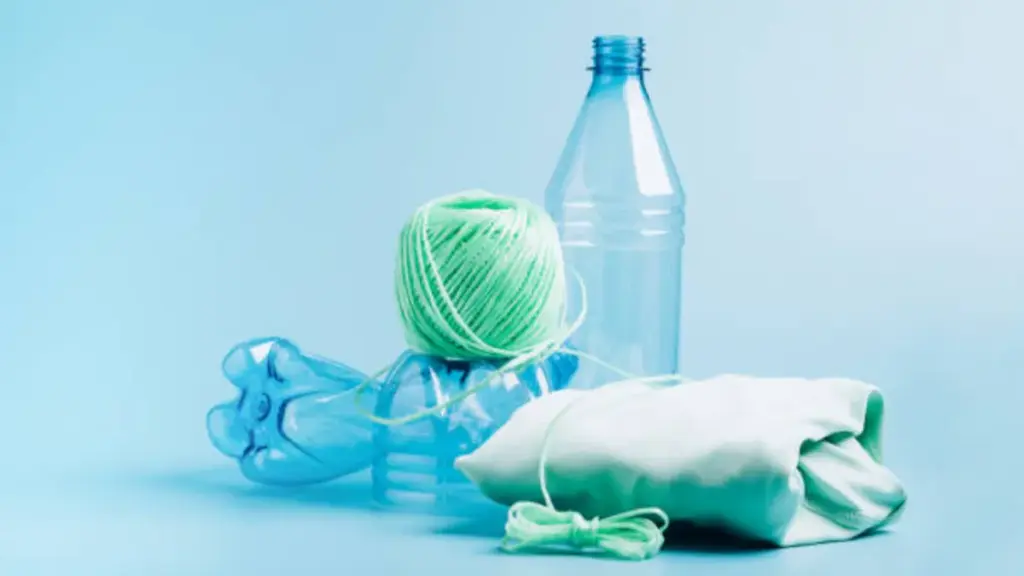
पॉलिएस्टर बनाम पुनर्नवीनीकरण पॉलिएस्टर
Virgin polyester and recycled polyester are both poly(एथिलीन टेरेफ्थेलेट) (पालतू) at a chemical level. Their main difference lies in feedstock origins and processing impacts.
Recycled PET, typically from plastic bottles and textile waste, offers significant environmental savings in energy, carbon, and water. While generally similar, rPET can show slight performance variations in areas like elongation and abrasion resistance.
Shared Chemistry and Feedstock Origin
At their core, both virgin and recycled polyester are the same chemical compound. Their distinction comes from how their raw materials are obtained.
- Both virgin polyester and recycled polyester (आरपीईटी) consist of poly(एथिलीन टेरेफ्थेलेट) (पालतू). This means their fundamental chemical structure is identical.
- Virgin polyester is created from petroleum-based raw materials through an initial polymerization process.
- rPET primarily comes from post-consumer PET bottles और post-industrial textile waste. This process effectively redirects these materials from landfills.
- Intrinsic polymer properties, such as density and melting point, are equivalent between virgin and recycled PET.
The shared chemistry ensures that, intrinsically, the materials maintain similar inherent characteristics regardless of their source.
Fabric Performance and Environmental Footprint
While chemically identical, the processing and origin of rPET provide clear environmental advantages. There can also be minor differences in fabric performance.
- Recycled polyester fabrics might show lower elongation at break और greater mass loss under abrasion compared to standard polyester/elastane knits in certain test conditions.
- rPET production uses approximately 59% less energy and reduces CO₂ emissions by 45-75% compared to virgin polyester manufacturing.
- Water consumption for rPET production decreases by आस-पास 90% compared to making virgin polyester.
- Each kilogram of rPET fiber helps divert approximately 60 PET bottles from waste streams.
- rPET is often certified by standards such as जीआरएस (वैश्विक पुनर्नवीनीकरण मानक) for recycled content and OEKO-TEX® for chemical safety.
Choosing rPET offers significant environmental benefits. Sansansun supports brands in this smart choice by providing sustainable fabric options, पुनर्नवीनीकरण पॉलिएस्टर सहित, as part of their commitment to eco-friendly production methods.
Production Differences
Virgin polyester production in 2026 starts with new petroleum-derived chemicals. Recycled polyester reuses existing PET waste.
This difference results in significant environmental benefits for recycled polyester processes, despite similar final product performance.
Raw Material Sources and Initial Steps
Virgin polyester originates from petroleum derivatives like MEG and PTA. Manufacturers process these at high temperatures and vacuum in 2026.
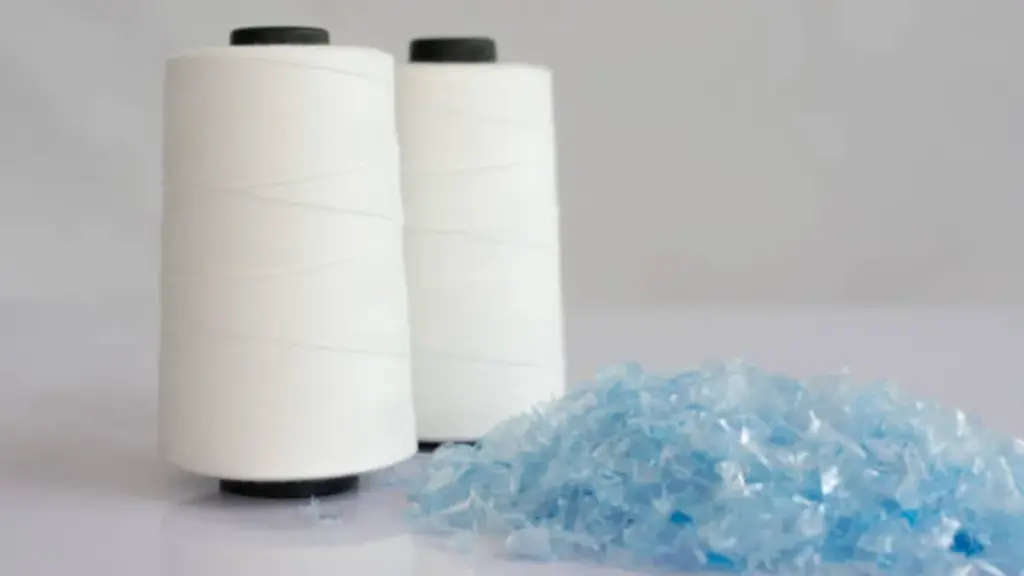
Recycled polyester utilizes post-consumer PET bottles and other polyester waste. Manufacturers convert these into clean PET flakes.
Virgin polyester production synthesizes entirely new polymer. Recycled polyester reuses existing polymer streams.
Process Efficiency and Environmental Impact
Recycled polyester production uses about 59% less total energy and roughly half the electrical energy compared to virgin polyester processes.
It reduces CO₂ emissions by 45-75% and water usage by up to 90% in comparison to virgin material.
Manufacturers ensure recycled polyester maintains strength and performance comparable to virgin material. They achieve this through meticulous quality controls and intrinsic viscosity management.
Making one kilogram of recycled polyester diverts approximately 60 PET bottles from waste streams in 2026.
शिविर, as an activewear manufacturer, offers both virgin and recycled polyester options. This enables brands to align their apparel with specific performance and sustainability goals.
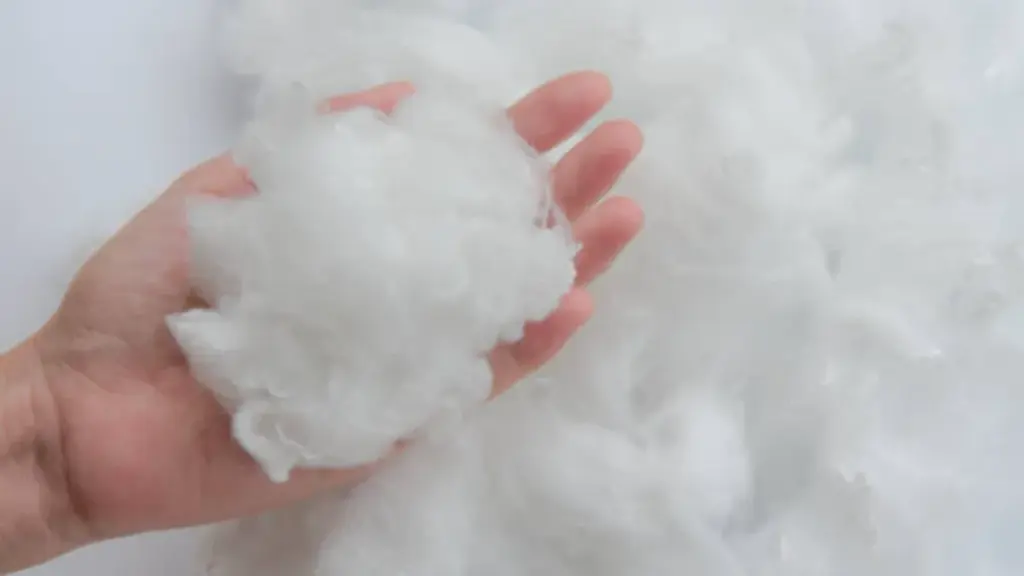
प्रदर्शन तुलना: ताकत, Dye, and Finish
पुनर्नवीनीकरण पॉलिएस्टर (आरपीईटी) often matches virgin polyester in strength and durability. Typical yarn tenacities range from 3.5–5.5 cN/dtex, comparable to conventional materials.
While both materials accept standard finishes, rPET can show minor variations in dye consistency and hand feel due to diverse feedstock sources. Mills manage these differences through strict quality control and blending techniques.
This comparison helps clarify the practical implications for product quality and consistency, supporting your material choices.
| Performance Aspect | वर्जिन पॉलिएस्टर | पुनर्नवीनीकरण पॉलिएस्टर (आरपीईटी) |
|---|---|---|
| Material Strength | उच्च, consistent tenacity (3.5–5.5 cN/dtex) | Comparable tenacity (3.5–5.5 cN/dtex), often blended for high-load uses. |
| सहनशीलता | Excellent and consistent longevity. | Comparable to virgin for most textile applications. |
| Dyeing Consistency | High color stability, consistent shade retention due to controlled polymerization. | Similar dyeability, but slight batch variations can occur due to feedstock. |
| Fabric Hand Feel | Consistent and predictable. | Minor batch-to-batch variations possible, managed by mills. |
| Finishing Applications | Effectively accepts standard chemistries (anti-pilling, wicking). | Effectively accepts standard finishing chemistries. |
Material Strength and Durability
पुनर्नवीनीकरण पॉलिएस्टर (आरपीईटी) staple fibers often achieve tenacity values around 3.5–5.5 cN/dtex. This range aligns well with the standards for apparel-grade virgin PET.
For most activewear applications, rPET offers durability comparable to virgin polyester. This means garments made from rPET can withstand regular use and washing cycles.
Mills sometimes blend mechanically recycled rPET with virgin PET during yarn spinning for high-load uses. This strategy helps mitigate potential issues from shorter polymer chains, ensuring optimal performance.
Performance testing, such as ASTM D5034/D5035 for tensile strength, is routinely applied to both material types. This ensures consistent quality and compliance with industry standards, a practice embraced by manufacturers like Dongguan Sansansun Sports Co., लिमिटेड.
Dyeing Performance and Fabric Finish
Virgin polyester provides high color stability and consistent shade retention. This is due to its controlled polymerization process, which creates a uniform material structure.
Recycled polyester generally offers similar dyeability. तथापि, slight batch-to-batch variations in hand feel and shade consistency can occur. These variations stem from the diverse feedstock sources used in rPET production.
Standard finishing chemistries, including those for anti-pilling, wicking, and softeners, apply effectively to both rPET and virgin PET fabrics. This allows for diverse functional and aesthetic treatments across both material types.
Certifications such as GRS (वैश्विक पुनर्नवीनीकरण मानक) verify recycled content. Meanwhile, OEKO‑TEX® Standard 100 ensures product chemical safety for both virgin and rPET materials. This commitment to certified quality is a core part of Sansansun’s sustainable fabric offerings.
Custom Activewear Manufacturing: आपकी दृष्टि, Realized.
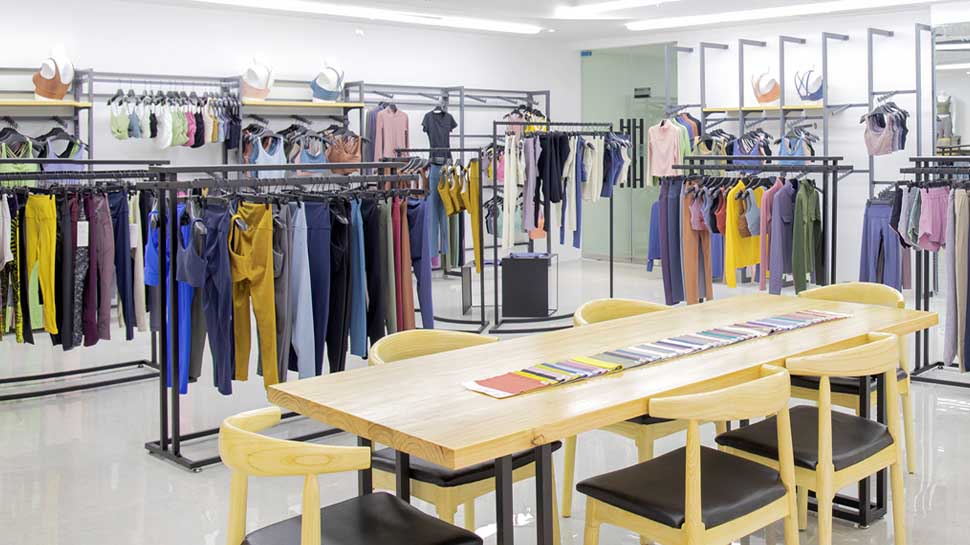
लागत & Supply-Chain Realities
में 2026, पुनर्नवीनीकरण पॉलिएस्टर (आरपीईटी) consistently costs more than virgin polyester, driven by feedstock scarcity and certification overhead.
While offering significant environmental gains, its supply chain relies heavily on bottle-to-fiber sources and faces volatility, impacting brands’ sourcing decisions.
| विशेषता | वर्जिन पॉलिएस्टर | पुनर्नवीनीकरण पॉलिएस्टर (आरपीईटी) |
|---|---|---|
| Cost Premium (बनाम. Virgin) | Base price (जैसे, €994/mt raw in Europe, 2026) | 5–20% higher (finished yarns/fabrics) 30–69% higher (raw pellets) |
| Primary Feedstock | Petroleum-based (new raw materials) | Primarily post-consumer PET bottles (<1% textile-to-textile) |
| Supply Chain Stability | Generally stable, mature commodity market | सीमित, volatile, dependent on bottle collection systems |
| Certification Requirements | Standard material certifications (जैसे, आईएसओ) | Mandatory GRS (वैश्विक पुनर्नवीनीकरण मानक) and Transaction Certificates |
| पर्यावरणीय प्रभाव | Higher energy consumption, greater GHG emissions | 30–59% less energy use, 32–70% lower GHG/CO₂ emissions |
The Cost Differential of Recycled Polyester
As of 2026, finished recycled polyester (आरपीईटी) yarns and fabrics generally cost 5–20% more than virgin polyester. This premium reflects the added steps in collection, processing, and documentation required for recycled materials.
Raw rPET pellets in Europe trade at a notable premium. उदाहरण के लिए, food-grade rPET reached around €1,680/mt compared to virgin PET at €994/mt, a roughly 69% increase based on 2026 snapshots.
The US market in 2026 also shows rPET priced approximately 30–35% higher than virgin PET. These figures underscore persistent regional market dynamics affecting pricing.
This price premium is largely driven by the availability of suitable feedstock and the expenses associated with maintaining GRS (वैश्विक पुनर्नवीनीकरण मानक) certification and its required Transaction Certificates (TCs).
Supply Chain Dynamics and Environmental Impact
The global supply of recycled fibers remains limited in 2026. rPET accounts for about 7.0% of total fiber use, primarily relying on bottle-to-fiber feedstock for its production.
से कम 1% of rPET feedstock comes from true textile-to-textile recycling. This means rPET pricing and availability are closely tied to the efficiency of beverage bottle collection systems.
Mandatory certifications like GRS, along with batch-level Transaction Certificates, ensure transparent chain-of-custody. तथापि, these requirements add operational rigidity and direct administrative costs to the supply chain.
Despite the cost premiums, rPET production uses 30–59% less energy and yields 32–70% lower GHG/CO₂ emissions compared to virgin polyester. These figures highlight the clear environmental advantages that justify its higher cost.
As a custom activewear manufacturer, शिविर understands these complexities. We partner with sustainable fabric mills to offer recycled polyester options, helping brands navigate the balance between cost, supply chain realities, and their commitment to environmental responsibility.

प्रमाणन & Consumer Perception
द्वारा 2026, credible recycled polyester claims rely on third-party certifications like GRS, आरसीएस, and OEKO-TEX Standard 100. These standards verify recycled content, manage supply chain integrity, and ensure product safety, directly influencing consumer perception of sustainability and quality.
Brands increasingly use recycled polyester to meet sustainability goals. To assure customers that these claims are genuine, independent certifications play a vital role. These certifications build trust and verify the material’s journey from waste to finished product.
Validating Sustainability Through Certifications
- Brands need specific third-party standards like GRS, आरसीएस, and OEKO-TEX Standard 100 to make market-credible sustainability claims for recycled polyester.
- The Global Recycled Standard (जीआरएस) ensures full supply-chain integrity. It encompasses content verification, chemical restrictions, and labor protections.
- The Recycled Claim Standard (आरसीएस) focuses on verifying recycled content traceability, without adding environmental or social criteria.
- OEKO-TEX मानक 100 acts as a key toxicological safeguard, addressing consumer safety concerns for both virgin and recycled polyester.
Certification Requirements and Impact on Trust
- GRS requires a minimum of 20% recycled content. For on-product labeling, this increases to ≥50%, covering processes from ginning to cut & sew.
- RCS mandates ≥5% recycled content for material certification. आरसीएस 100 signifies 100% recycled content, allowing for up to 5% additives.
- OEKO-TEX मानक 100 sets a strict 30 mg/kg antimony (Sb) limit for polyester. This allows recycled polyester (आरपीईटी) garments to qualify for Class I, suitable for baby products.
- Mechanically recycled polyester achieves a Class “A” rating in the Made-By Environmental Benchmark. It outperforms virgin polyester across most impact categories.
Sansansun Sports partners with mills that provide certified recycled polyester, helping brands ensure their activewear products meet both performance and ethical requirements. We build strong consumer trust together.
Practical Transition Strategies for Brands
Brands transitioning to recycled polyester should first define precise material performance specifications and secure certifications for traceability. This ensures both quality and transparent environmental claims.
They must then technically validate suppliers and strategically segment product lines for phased adoption. This approach helps manage potential cost and supply chain impacts for a successful shift to more sustainable materials.
This section outlines actionable steps for integrating recycled polyester into product lines. It focuses on maintaining product quality, making credible environmental claims, and implementing changes effectively.
Establishing Material Specifications and Certifications
Before making any material switch, brands need to establish clear standards for recycled polyester. This foundational step ensures new materials meet both functional and ethical requirements.
- Brands define minimum mechanical and appearance requirements, including tensile strength, बढ़ाव, abrasion cycles to failure, and colorfastness.
- Lock in yarn specifications (dpf, tenacity, elongation targets, pilling, and abrasion ratings) within technical packs to ensure consistent quality from suppliers.
- Codify environmental and traceability requirements using GRS (वैश्विक पुनर्नवीनीकरण मानक) and OEKO-TEX® certifications. These standards provide independent verification.
Technical Validation and Phased Adoption
Once specifications are clear, the next step involves validating new suppliers and carefully integrating recycled polyester into products. A phased approach minimizes risks and helps maintain product performance.
- Qualify rPET yarn and fabric suppliers by ensuring they meet defined specifications, validating with lab testing such as tensile and abrasion tests. Reputable manufacturers like Dongguan Sansansun Sports Co., लिमिटेड. can assist in this critical validation process.
- Segment products: shift linings, ट्रिम्स, and labels first due to their lower performance criticality. This allows for a controlled introduction of new materials.
- Gradually integrate higher-grade or chemical-recycled rPET into high-wear zones or performance gear once initial testing and supplier relationships are established.
- Plan for potential cost premiums and address supply concentration in regions with high demand for bottle-grade rPET. Strategic sourcing is key to mitigating these challenges.
निष्कर्ष
Prioritizing rPET demonstrates a clear commitment to responsible manufacturing, building trust with eco-conscious consumers. Partnering with a skilled manufacturer like Sansansun ensures quality integration, helping you navigate the transition and secure lasting brand value.
अक्सर पूछे जाने वाले प्रश्नों
Is recycled polyester lower quality?
Recycled polyester can meet the same strength and performance specifications as virgin PET.
तथापि, lab data shows higher abrasion mass loss and some differences in comfort parameters at equivalent constructions.
Are colorfastness and hand affected?
These properties are primarily controlled by dyestuff and finishing processes.
Recycled polyester can achieve the same colorfastness grades and hand feel, though moisture management and surface wear may differ slightly and require validation through testing.
What certifications should I require?
Require at minimum GRS (वैश्विक पुनर्नवीनीकरण मानक) or RCS (पुनर्नवीनीकरण दावा मानक) for recycled content traceability.
OEKO‑TEX मानक 100 is crucial for chemical safety. Consider adding bluesign® for stricter chemical management.
How does cost compare long-term?
Expect similar or slightly higher yarn costs for recycled polyester.
तथापि, it offers significantly better LCA metrics, including up to 59–75% lower energy/CO₂ and up to 90% lower water use, which enhances sustainability KPIs.
Does it shed more microplastics?
Recycled polyester does not eliminate microplastic shedding; it behaves similarly to virgin polyester.
Overall microfibre release is primarily driven by fabric construction and product use rather than recycled content alone.