I marchi di abbigliamento sportivo e i tecnologi dei tessuti affrontano la sfida di mantenere gli atleti asciutti, comodo, e performando al meglio. I progressi nella tecnologia dei tessuti traspiranti e i biosensori integrati consentono ora di monitorare l’idratazione, regolare la temperatura, e migliorare il comfort in tempo reale, dare agli appassionati e ai professionisti del fitness un vantaggio competitivo.
Questa guida spiega come funziona la tecnologia di assorbimento dell'umidità, i tessuti chiave e le strutture delle fibre che influenzano le prestazioni, e i vantaggi che queste innovazioni apportano al comfort e al rendimento atletico, aiutare i professionisti del settore a scegliere e progettare abbigliamento sportivo che soddisfi le esigenze tecniche e di mercato.
Come funziona l'assorbimento dell'umidità
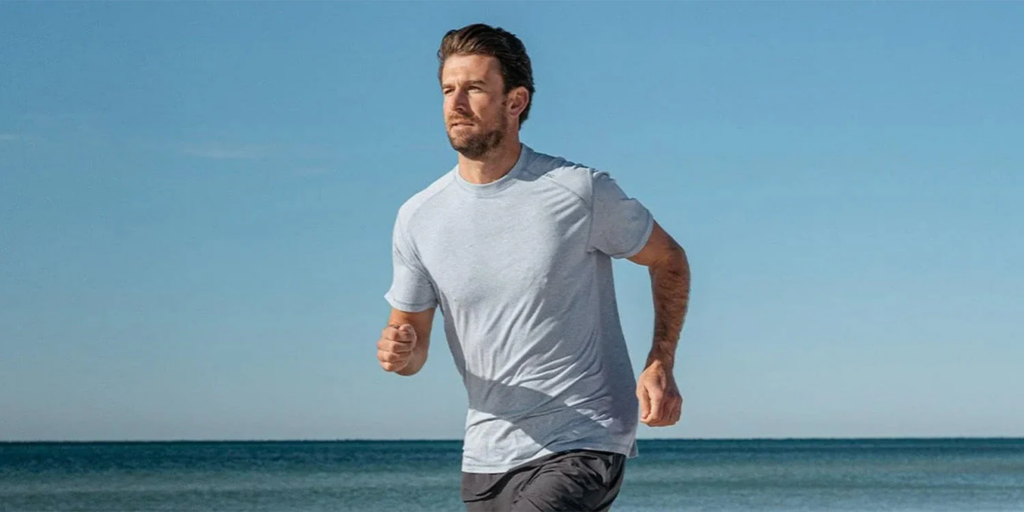
L'assorbimento dell'umidità funziona utilizzando fibre specializzate e strutture di tessuto per allontanare il sudore dalla pelle, distribuendolo sulla superficie del tessuto per una rapida evaporazione, mantenendo così chi lo indossa asciutto e comodo durante l'attività fisica.
Assorbimento dell'umidità la tecnologia dei tessuti è una caratteristica prestazionale chiave nell'abbigliamento sportivo e attivo. Fa affidamento su chimica delle fibre e ingegneria del tessuto per gestire il sudore e mantenere il corpo in un confortevole equilibrio termico durante gli allenamenti o le attività all'aperto.
Nella nostra esperienza, un efficace assorbimento dell'umidità inizia con la scienza dell'azione capillare. Il sudore si muove attraverso canali microscopici nelle fibre, viaggiando dalla superficie interna vicino alla pelle agli strati esterni.
- I canali ad azione capillare trasportano il sudore attraverso la microstruttura del tessuto.
- Le fibre sintetiche come il poliestere e il nylon sono idrofobiche, spingendo l'umidità verso l'esterno per un movimento più veloce.
- Gli strati di tessuto esterni sfruttano le proprietà idrofile per distribuire l'umidità in modo uniforme, accelerando l'evaporazione.
La scelta della fibra influenza direttamente la capacità del tessuto di assorbire l'umidità. Le opzioni sintetiche dominano il mercato, ma alcune fibre naturali offrono anche forti caratteristiche prestazionali.
- Fibre comuni: poliestere, nylon, olefina, e lana Merino per elevata traspirabilità e termoregolazione.
- Microcanali ingegnerizzati o sezioni trasversali delle fibre personalizzate migliorano il movimento capillare.
- Trattamenti chimici come DWR o finiture ioniche possono migliorare la traspirazione ma potrebbero perdere efficienza nel tempo.
Tessuti chiave e strutture in fibra utilizzate
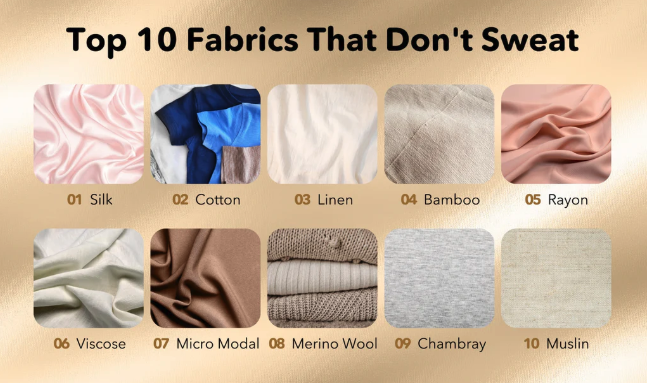
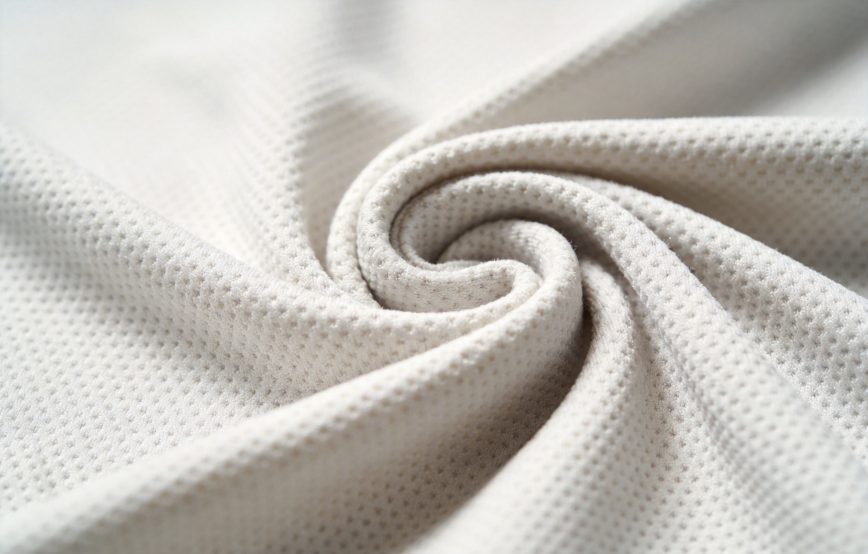
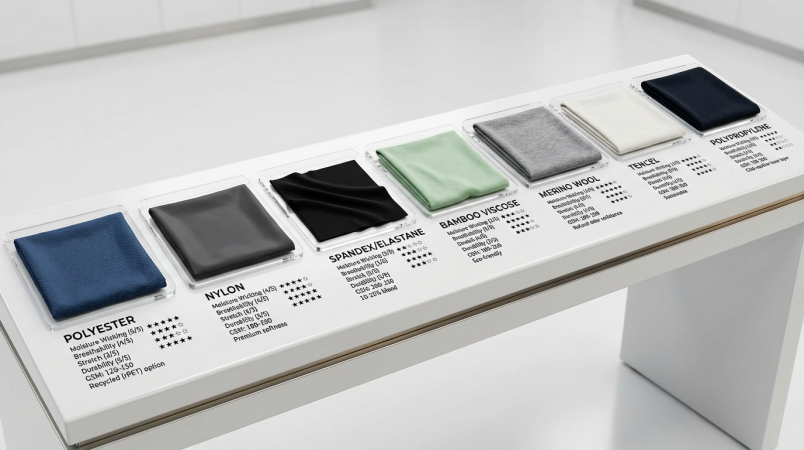
I principali tessuti e strutture in fibra utilizzati nella tecnologia di assorbimento dell’umidità includono fibre sintetiche come il poliestere, nylon, spandex, e polipropilene; fibre naturali come il bambù, lana, e cotone; e tessuti misti come miscele di cotone e poliestere. Le strutture in tessuto a maglia e microporoso raggiungono i tempi di trasporto e asciugatura dell'umidità più rapidi.
La tecnologia del tessuto traspirante si basa sia sulla scelta della fibra che sulla struttura del tessuto. I marchi che valutano le opzioni dei materiali dovrebbero considerare la velocità di asciugatura, tassi di ritenzione, comfort, e prestazioni a lungo termine per adattarsi a specifiche applicazioni di abbigliamento sportivo.
Tipi di fibre e loro prestazioni di assorbimento dell'umidità
Fibre diverse hanno effetti distinti sul trasporto dell'umidità e sui tempi di asciugatura. Le opzioni sintetiche portano in velocità, mentre le fibre naturali puntano sul comfort, e le miscele mirano a un equilibrio di entrambi.
- Fibre sintetiche (poliestere, nylon, spandex, polipropilene) sono progettati per un rapido trasporto dell'umidità e una lunga durata.
- Fibre naturali (bambù, lana, cotone) offrono traspirabilità e comfort ma spesso assorbono più lentamente a meno che non siano miscelati o trattati.
- Tessuti misti combinare vantaggi sintetici e naturali, bilanciando comfort e prestazioni.
| Tipo di fibra | Tempo di asciugatura | Ritenzione dell'umidità |
|---|---|---|
| Cotone normale | 45+ minuti | Alto |
| Poliestere di base | 25 minuti | Moderare |
| Poliestere microporoso | 8–10 minuti | Basso |
Strutture del tessuto che influenzano la gestione dell'umidità
Nella nostra esperienza, il modo in cui le fibre sono costruite nel tessuto può influire sulle prestazioni di umidità tanto quanto il tipo di fibra stessa. Alcune configurazioni potenziano naturalmente l'azione capillare, aiutando ad allontanare il sudore dalla pelle più velocemente.
- I tessuti a maglia superano i tessuti a navetta grazie alla maggiore superficie e alla maggiore azione capillare.
- Le trame larghe e le strutture microporose favoriscono un trasporto e un'asciugatura più rapidi dell'umidità.
- Tecniche avanzate come la lavorazione a maglia 3D e le finiture idrofile migliorano l'elasticità e l'assorbimento.
- Le innovazioni possono aumentare i costi di produzione, importante per gli acquirenti B2B valutare le strategie di prezzo.
Panoramica del mercato delle principali fibre e tessuti
Il commercio globale di materiali traspiranti mostra la predominanza di alcune fibre ad alte prestazioni, con proiezioni di crescita costante nei prossimi anni.
- Poliestere, nylon, e lo spandex detengono la maggiore quota di mercato delle fibre sintetiche.
- Il bambù e la lana sono utilizzati come fibre naturali per l'abbigliamento traspirante.
- Altre fibre come l'acrilico, rayon, polipropilene, e la seta rimangono di nicchia.
| Anno | Dimensioni del mercato (Miliardi di dollari) | Tasso di crescita |
|---|---|---|
| 2024 | $4.16 | — |
| 2032 (Proiettato) | $5.09 | 🚀CAGR 4.1%–8,0% |
Vantaggi in termini di prestazioni e comfort
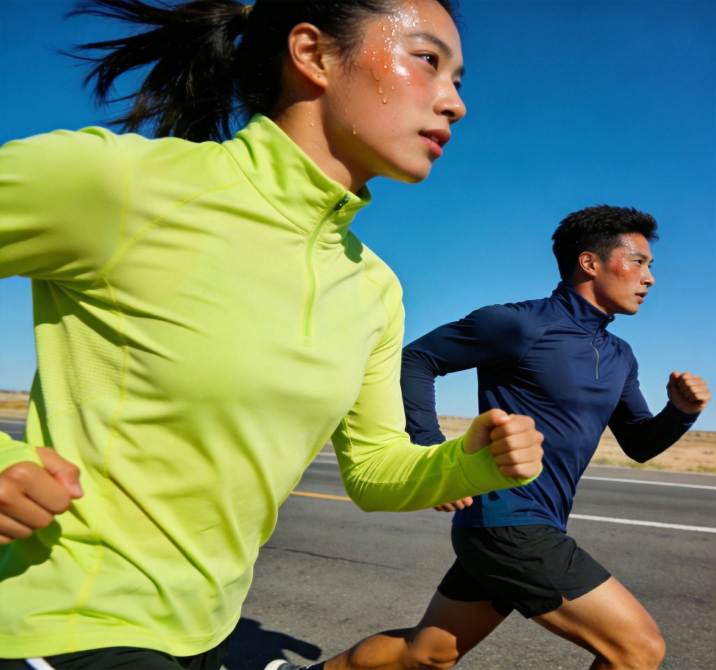
I tessuti traspiranti migliorano significativamente le prestazioni atletiche e il comfort di chi li indossa allontanando rapidamente il sudore dalla pelle, migliorare la regolazione della temperatura, riducendo lo sfregamento, e il mantenimento di un microclima asciutto durante l'attività fisica.
I progressi nella tecnologia dei tessuti traspiranti hanno rimodellato il modo in cui gli atleti e le persone attive vivono l'abbigliamento sportivo. Questi tessuti combinano fibre ingegnerizzate e trattamenti superficiali per attirare attivamente il sudore dalla pelle allo strato esterno del tessuto dove può evaporare rapidamente.
Vantaggi prestazionali dei tessuti traspiranti
Nella nostra esperienza di collaborazione con marchi di abbigliamento sportivo ad alte prestazioni, i benefici misurabili dei tessuti traspiranti vanno oltre il comfort e si estendono ai risultati atletici. Le figure seguenti illustrano il confronto tra questi tessuti e i materiali convenzionali.
| Metrico | Tessuti traspiranti | Cotone / Materiali convenzionali |
|---|---|---|
| Riduzione dell'umidità della pelle durante l'esercizio ad alta intensità | Fino a 50% meno umidità | Maggiore ritenzione |
| Velocità di trasporto dell'umidità | 2-3x Più veloce (poliestere/nylon) | Assorbimento più lento |
| Tasso di evaporazione | 30–50% asciugatura più rapida | Più lento ad asciugarsi |
| Efficienza del raffreddamento evaporativo | Fino a 40% miglioramento | Flusso d'aria limitato |
Vantaggi in termini di comfort e impatto sull'igiene
Il comfort durante l'uso prolungato è essenziale sia per gli atleti che per i professionisti. I tessuti con una forte gestione dell'umidità mantengono la pelle asciutta e riducono l'attrito, il che significa meno distrazioni durante l'attività.
- L'assorbimento elevato e uniforme mantiene l'assorbenza per oltre 2 ore, sostenere eventi di resistenza.
- Le finiture antimicrobiche riducono i batteri che causano cattivi odori fino a 90% Dopo 10 lava.
- L'efficiente trasporto del sudore riduce al minimo irritazioni e sfregamenti durante le lunghe sessioni.
- Il microclima secco migliora il comfort sia in condizioni calde che umide.
Migliora la tua linea di abbigliamento sportivo con una produzione di precisione
Sfrutta l'innovativo R&D e produzione sostenibile per offrire prestazioni elevate, abbigliamento personalizzabile che si distingue. Sia che si tratti di lanciare un nuovo marchio o di ampliare una linea premium, le nostre soluzioni integrate garantiscono velocità, qualità, e conformità globale.
Innovazioni nelle miscele antimicrobiche e rinfrescanti
I mercati degli additivi antimicrobici e delle miscele refrigeranti sono in rapida crescita, con additivi antimicrobici progettati per raggiungere Dollaro statunitense 22.8 miliardi di 2035 all'a 7.5% CAGR. Anche i rivestimenti antimicrobici traspiranti sono in costante espansione, consentendo all’abbigliamento sportivo di soddisfare le crescenti esigenze di durabilità igienica e comfort termico.
I progressi nella tecnologia antimicrobica e nelle miscele rinfrescanti stanno rimodellando l’abbigliamento performante. Nella nostra esperienza, L'integrazione di queste innovazioni con la tecnologia dei tessuti traspiranti ha creato un abbigliamento sportivo che migliora l'igiene, traspirabilità, e regolazione della temperatura per atleti e utenti attivi.
Dimensioni del mercato e tendenze di crescita
| Segmento | Valore di mercato | Proiezione | Tasso di crescita |
|---|---|---|---|
| Additivi antimicrobici | Dollaro statunitense 11.1 miliardi (2025) | Dollaro statunitense 22.8 miliardi (2035) | 7.5% CAGR |
| Rivestimenti antimicrobici traspiranti | Dollaro statunitense 774.09 milioni (2024) | Dollaro statunitense 1.07 miliardi (2030) | 5.53% CAGR |
| Additivi antimicrobici inorganici | 61% quota di mercato (2025) | — | 7.8% CAGR |
| Applicazioni per dispositivi medici | 26% di mercato | — | 8.3% CAGR |
| Mercato delle miscele antimicrobiche | — | Dollaro statunitense 3.5 miliardi (2028) | — |
Progressi tecnologici nelle applicazioni dell'abbigliamento sportivo
- 💡 I rivestimenti antimicrobici traspiranti abbinano la permeabilità all'umidità alla difesa dai microbi, ideale per il rilascio antimicrobico innescato dal sudore nell'abbigliamento sportivo.
- ✅Collaborazione tra scienziati dei materiali, microbiologi, e gli ingegneri garantiscono additivi a rilascio controllato senza ridurre la traspirabilità del tessuto.
- 🚀 Gli additivi multifunzionali ora forniscono anche protezione UV, controllo degli odori, e benefici antifungini per tessuti performanti tutto in uno.
- 🌱 L'integrazione di finiture antimicrobiche biodegradabili e a base biologica supporta la produzione di abbigliamento sportivo ecocompatibile.
Catena di fornitura e influenze normative
- IL 2025 NOI. i cambiamenti tariffari hanno aumentato i costi e le difficoltà di approvvigionamento di materiali specializzati come gli agenti di accoppiamento silano e le miscele polimeriche.
- I produttori si stanno spostando verso l’approvvigionamento interno delle materie prime, rafforzare la resilienza della catena di approvvigionamento nonostante gli ostacoli iniziali all’approvazione.
- Le normative aggiornate sulla qualità e l'igiene dell'aria interna richiedono maggiore sicurezza, formulazioni antimicrobiche non tossiche.
- Gli obiettivi di sostenibilità incoraggiano i materiali antimicrobici biodegradabili sia nella produzione tessile che nel confezionamento.
Sviluppi futuri nell'abbigliamento sportivo resistente al sudore
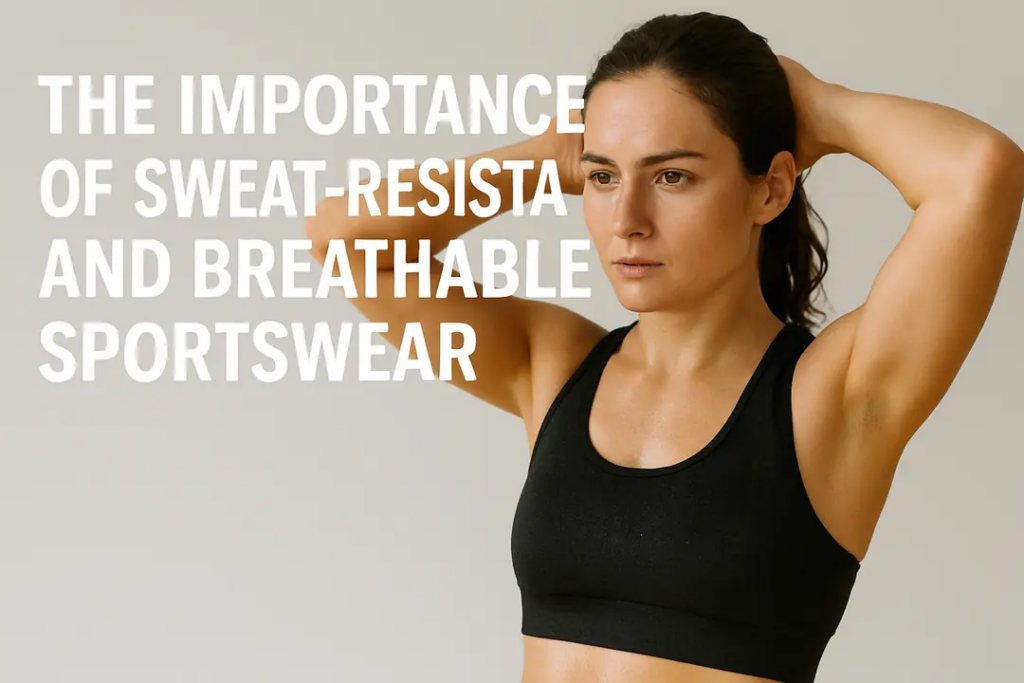
Il mercato dell’abbigliamento sportivo resistente al sudore, valutato a Dollaro statunitense 216.21 miliardi In 2024, raggiungerà Dollaro statunitense 343.89 miliardi di 2034 con un CAGR di 4.75%. I principali sviluppi futuri si concentrano sull’integrazione dei tessuti naturali, migliorare le prestazioni sintetiche, e il progresso della progettazione eco-compatibile.
Le tendenze emergenti nella tecnologia dei tessuti traspiranti stanno rimodellando il settore dell’abbigliamento sportivo, con materiali sia sintetici che naturali che avanzano in termini di prestazioni e sostenibilità. I brand investono nel design, produzione, e innovazioni nella catena di fornitura per tenere il passo con l’espansione della domanda.
Crescita del mercato e parametri chiave
| Metrico | 2024 Valore | Valore futuro & Crescita |
|---|---|---|
| Dimensioni del mercato globale | 216,21 miliardi di dollari | 343,89 miliardi di dollari di 2034 A 4.75% CAGR |
| America del Nord | 25,44 miliardi di dollari | 48,63 miliardi di dollari di 2033 A 7.48% CAGR |
| Atletica sostenibile | 101,27 miliardi di dollari | 7.7% CAGR in un anno |
| Asia Pacifico | 35% Condivisione globale | CAGR 5.1% — Regione leader |
| Categoria in più rapida crescita | Uomo & Usura del fondo | Forte espansione decennale |
Innovazione del tessuto e miglioramenti delle prestazioni
Nella nostra esperienza di lavoro con marchi di abbigliamento sportivo, l’equilibrio tra forza sintetica e sostenibilità naturale è un fattore chiave dell’innovazione dei tessuti. La tecnologia di assorbimento dell'umidità rimane fondamentale per l'abbigliamento performante.
- Tessuti sintetici come poliestere, nylon, E spandex dominano per l'asciugatura rapida e l'elevata elasticità.
- Opzioni naturali incluse cotone biologico, canapa, E bambù stanno guadagnando terreno per una produzione ecocompatibile.
- Tessitura avanzata, lavoro a maglia senza cuciture, e il nanorivestimento migliorano la durata e il comfort.
- Gli aggiornamenti delle prestazioni includono l'assorbimento dell'umidità, resistenza agli odori, traspirabilità, e una maggiore durata degli indumenti.
Dinamiche del mercato regionale e tendenze dei consumatori
Le tendenze geografiche mostrano variazioni significative nella scalabilità della produzione e nell’adozione del mercato. Cina e Stati Uniti. mantenere quote dominanti nelle rispettive regioni, con l’Europa che mostra una crescita stabile.
- La Cina guida l’Asia Pacifico 32% condividere, investendo molto nell’innovazione dei tessuti resistenti all’umidità.
- NOI. tiene 80% del mercato dell’abbigliamento sportivo del Nord America a 5.1% Crescita CAGR.
- L’Europa sostiene 23% quota globale in crescita a 4.6% CAGR a 2032.
- Generazione Z & La preferenza dei Millennial guida l’espansione dell’abbigliamento fitness da uomo e dell’abbigliamento casual-atletico per i pantaloni.
- La crescita dell’e-commerce sfrutta i social media e le strategie dirette al consumatore per raggiungere il marchio.
Domande frequenti
Come funziona l'assorbimento dell'umidità?
La tecnologia del tessuto traspirante utilizza fibre appositamente progettate che allontanano il sudore dalla pelle sulla superficie del tessuto. Ciò consente all'umidità di diffondersi su un'area più ampia ed evaporare più velocemente. Nella nostra esperienza, L'abbigliamento sportivo ad alte prestazioni spesso combina l'assorbimento dell'umidità con trattamenti ad asciugatura rapida per mantenere gli atleti a proprio agio durante l'attività intensa.
Il cotone assorbe l'umidità?
Il cotone assorbe naturalmente l'umidità anziché trasportarla sullo strato esterno. Ciò significa che tende a trattenere il sudore e ad asciugarsi lentamente. Per applicazioni nell'abbigliamento sportivo, le fibre sintetiche come il poliestere o il nylon sono preferite per la loro capacità di favorire una rapida evaporazione.
Come testare le prestazioni di traspirazione?
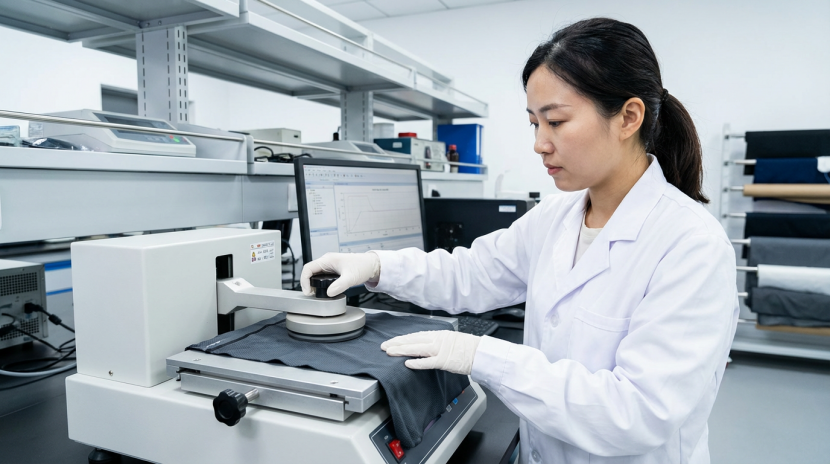
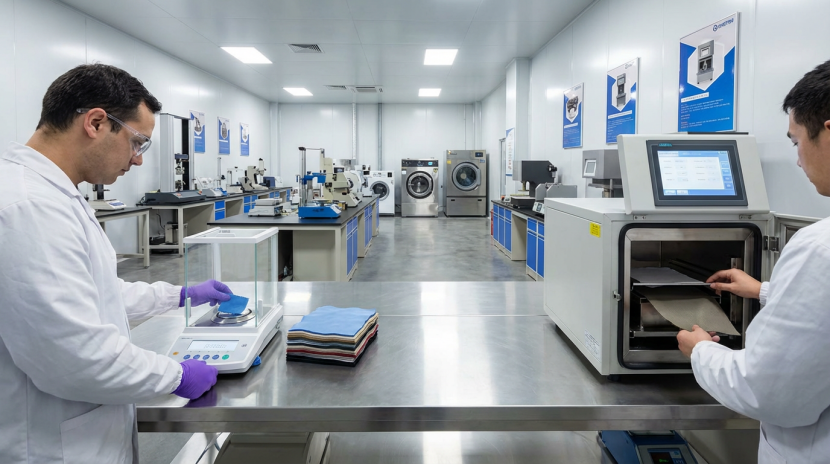
I test di laboratorio più comuni includono l'immissione di una goccia d'acqua sul tessuto e l'osservazione della velocità con cui si diffonde. Un altro metodo prevede la misurazione della velocità di asciugatura in condizioni di umidità e temperatura controllate. I marchi che collaborano con noi eseguono anche prove di usura per convalidare la gestione dell'umidità in condizioni sportive reali.
Quale tessuto è il migliore per l'abbigliamento sportivo?
Miscele di poliestere, nylon, e le fibre trattate tecnicamente dominano l'abbigliamento performante grazie alle loro eccellenti proprietà traspiranti e di asciugatura rapida. Molti marchi scelgono anche il poliestere riciclato per la sostenibilità senza sacrificare le prestazioni. Per un abbigliamento premium, i tessuti possono includere fibre elastiche aggiunte per una maggiore mobilità.
L'assorbimento influisce sulla traspirabilità?
L'assorbimento dell'umidità e la traspirabilità lavorano insieme ma hanno proprietà diverse. L'assorbimento sposta l'umidità liquida, mentre la traspirabilità consente al vapore acqueo di fuoriuscire. Un tessuto sportivo ben progettato bilancia entrambi, mantenendo chi lo indossa asciutto e prevenendo il surriscaldamento durante l'attività ad alta intensità.
A proposito di Sansan Sport

La tecnologia di assorbimento dell'umidità è diventata un fattore chiave per le prestazioni dell'abbigliamento sportivo moderno, combinando fibre avanzate, strutture intelligenti, e trattamenti antimicrobici per offrire un migliore comfort, igiene, e controllo del sudore. Con opzioni di materiali più sostenibili e diversi miglioramenti delle prestazioni disponibili, i marchi possono ora scegliere tessuti che soddisfano sia le aspettative degli atleti che gli standard ambientali.
Aziende di abbigliamento sportivo che danno priorità alla comprovata efficienza traspirante, durabilità, e l’approvvigionamento responsabile acquisirà un vantaggio competitivo a lungo termine. La collaborazione con fornitori qualificati aiuta anche a semplificare lo sviluppo, ridurre i rischi, e rafforzare la qualità del prodotto.
Sport Sansan supporta i marchi con la produzione di abbigliamento sportivo personalizzato, offrendo MOQ flessibili dai prototipi alla produzione su larga scala. I loro punti di forza includono tecnologie di assorbimento dell'umidità e asciugatura rapida, lavoro a maglia senza cuciture, finiture antibatteriche, e stampa e ricamo a sublimazione di alta qualità.