Sportswear brands and manufacturers face growing pressure to deliver performance-driven apparel while cutting waste and energy use. Traditional cut-and-sew methods struggle to meet these demands, creating inefficiencies and environmental impact. 3D knitting offers a seamless, automated alternative that addresses both sustainability goals and market need for high-quality, custom-fit garments.
This guide covers how 3D knitting machines operate, how to select the right yarns and materials, and how to integrate the technology into production. It helps sportswear companies improve efficiency, enhance product performance, and align manufacturing with eco-conscious consumer expectations.
3D編み技術とは?
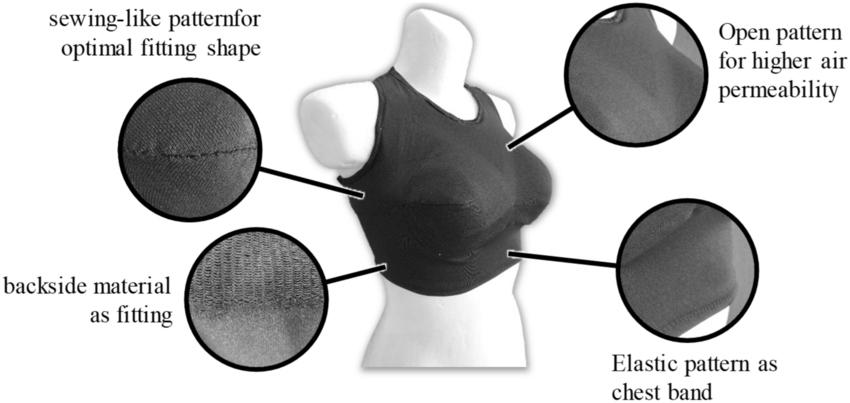
3D knitting technology is an advanced, computer-driven manufacturing process that produces seamless, three-dimensional garments or textile structures directly from yarn, eliminating the need for カット
ting and sewing separate pieces. This method enables rapid, precise, and highly customizable apparel production with minimal material waste and reduced labor requirements.
Overview of 3D Knitting Technology
- 3D knitting, also called whole garment or seamless knitting, uses computer-controlled machines to produce entire garments in one integrated process.
- Unlike cut-and-sew techniques that generate fabric waste, 3D knitting creates finished items directly from digital files.
- The technology supports complex, customized designs with functional zones like ventilation and compression woven into a single piece.
Key Performance and Sustainability Data
| メトリック | 3D Knitting | Traditional Knitting |
|---|---|---|
| Production Time | Hours (rapid turnaround) | Days–Weeks |
| Electricity Use | Reduced by up to 43% | Higher consumption |
| Material Waste | Near 0% | Significant offcuts |
| Seam Construction | Seamless for durability & 快適 | Multiple seams prone to wear |
| Labor Needs | Lower — automation handles most steps | Higher — manual cutting & 縫い |
| カスタマイズ | Made-to-measure, on-demand | Manual pattern adjustments |
| Transportation Emissions | Lower through localized production | Higher due to centralized factories |
Advantages and Challenges of 3D Knitting
- Eliminating seams enhances garment fit, 快適, and longevity — ideal for sportswear.
- Supports complex multi-material and zone-specific designs in a single garment.
- High upfront costs for machinery and digital design expertise.
- Design adjustments require reprogramming and new sampling.
- Encourages sustainable practices by enabling on-demand, localized manufacturing with minimal inventory and waste.
- Suitable for high-performance apparel, not limited to basic designs.
How 3D Knitting Machines Work Step by Step
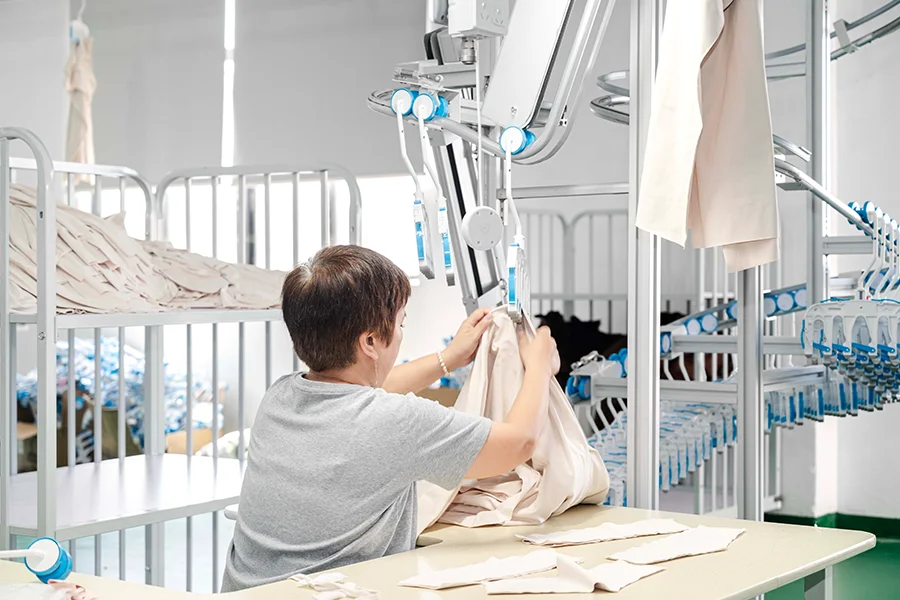
3D knitting machines create seamless, three-dimensional textile structures by automatically interlocking yarns, following a digital design file, and forming the garment in a single, continuous process that minimizes manual labor and material waste.
スポーツウェア ブランドとの協業の経験から, understanding the exact workflow of 3D knitting helps in planning production timelines and material budgets. The process integrates design, automation, and finishing into one streamlined path.
Step-by-Step Process of 3D Knitting
- Digital design and programming of the garment structure.
- Automated feeding of yarns and setup of the knitting machine.
- Layer-by-layer knitting using 60+ needles to form the garment seamlessly.
- Garment emerges fully formed, reducing manual assembly and up to 30% material waste.
- Post-processing including cutting excess yarn, steaming, washing, and quality control.
Benefits and Industry Impact
- Creates complex, seamless garments with integrated shaping and variable thickness.
- Reduces material waste by up to 30% compared to traditional cut-and-sew methods.
- Supports ergonomic, high-performance sportswear with features like ventilation zones.
- Speeds up prototyping and scalable manufacturing through automation.
- Enables sustainability gains with reduced energy use and waste.
Common Misconceptions and Expert Insights
- 3D knitting is not limited to simple shapes; advanced machines produce highly complex, functional designs.
- Initial setup and programming require expertise but lead to faster long-term production benefits.
- The technology supports flexible design, operational efficiency, そして sustainability in sportswear manufacturing.
Choosing the Right Yarns and Materials
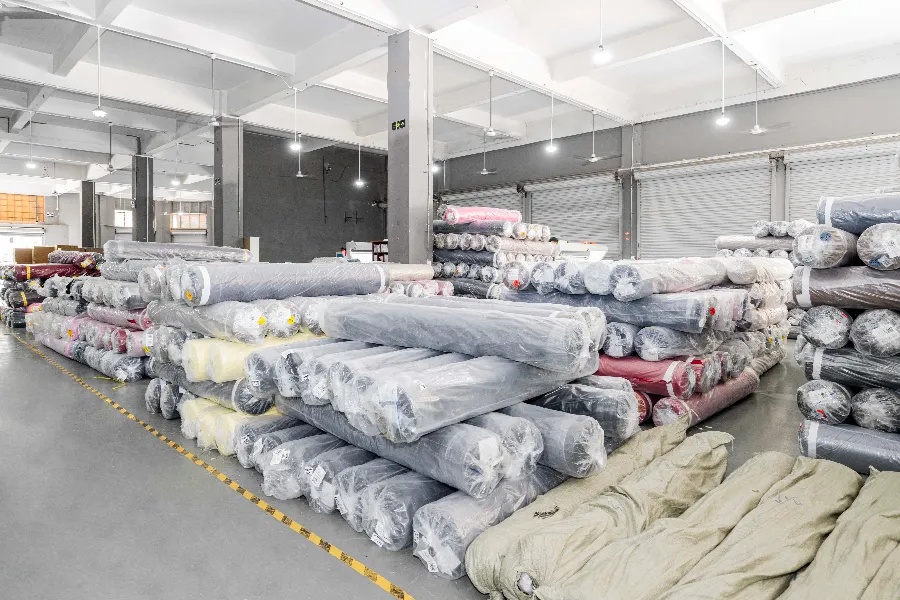
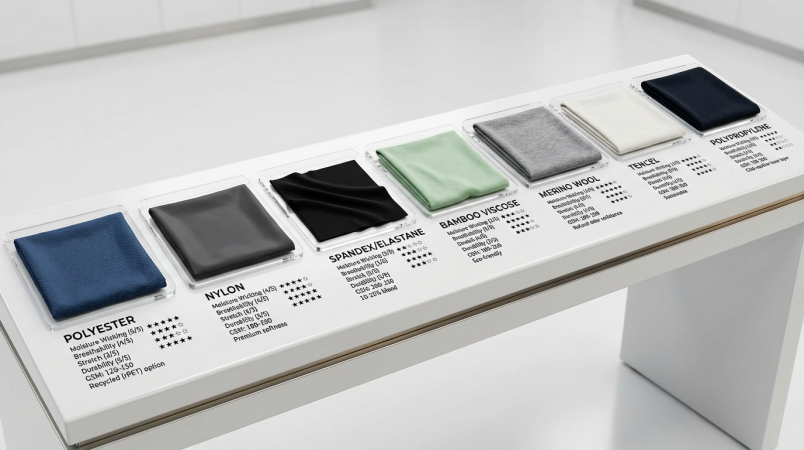
Choosing the right yarns and materials for 3D knitting in sportswear is critical, as it directly impacts fabric strength, 通気性, 持続可能性, and performance characteristics. Synthetic fibers like polyester and nylon dominate due to their durability and moisture management, while eco-friendly options such as recycled polyester and plant-based yarns are increasingly favored for sustainability.
In performance sportswear manufacturing, yarn selection influences not only the durability of the garment but also its ability to manage moisture and environmental impact. The right combination of fibers can help brands balance product longevity and sustainability goals.
| メトリック | Details |
|---|---|
| EcoVero Viscose Savings | Reduces water waste and CO₂ emissions by up to 50% vs. standard viscose |
| Waste Reduction via 3D Knitting | Cuts material waste by ~30% vs. カットソー |
| Spacer Fabric Thickness | Ranges from 1.5 mm に 13 mm |
| High-Performance Polyester | Commonly 1680 denier for durability |
| Fabric Production Widths | 100 cm に 200 cm |
| Layer Yarns | Outer: multifilament polyester, ナイロン, Lycra | Spacer: monofilament polyester, PET |
| Sustainability Certifications | Lenzing EcoVero (FSC, PEFC), REPREVE® recycled nylon |
Material Types and Their Roles in 3D Knitting
- ポリエステル — Industry standard for strength, 吸湿発散性, and cost-effectiveness.
- ナイロン & Lycra blends — Enhance stretch, 快適, and ergonomic fit.
- Monofilament PET — Ideal for the middle spacer layer, providing compression resistance and cushioning.
- Eco-friendly yarns — Lenzing EcoVero viscose and REPREVE® recycled polyester reduce environmental impact without loss of performance.
- Plant-based & biodegradable yarns — Emerging trend with possible durability and cost limitations.
Each yarn type plays a specific role in balancing comfort, 耐久性, and sustainability. Experienced suppliers like サンサンスポーツ integrate these materials into performance wear by matching technical specs with functional design.
Partner with Innovation-Driven Sportswear Manufacturing
Unlock rapid product development with tailored OEM, ODM, そして プライベートブランド solutions designed for performance, 持続可能性, and cutting-edge technology. Collaborate with Sansan Sports to scale your brand with precision-crafted athletic apparel that meets global standards.
How to Integrate 3D Knitting into Your Production Line
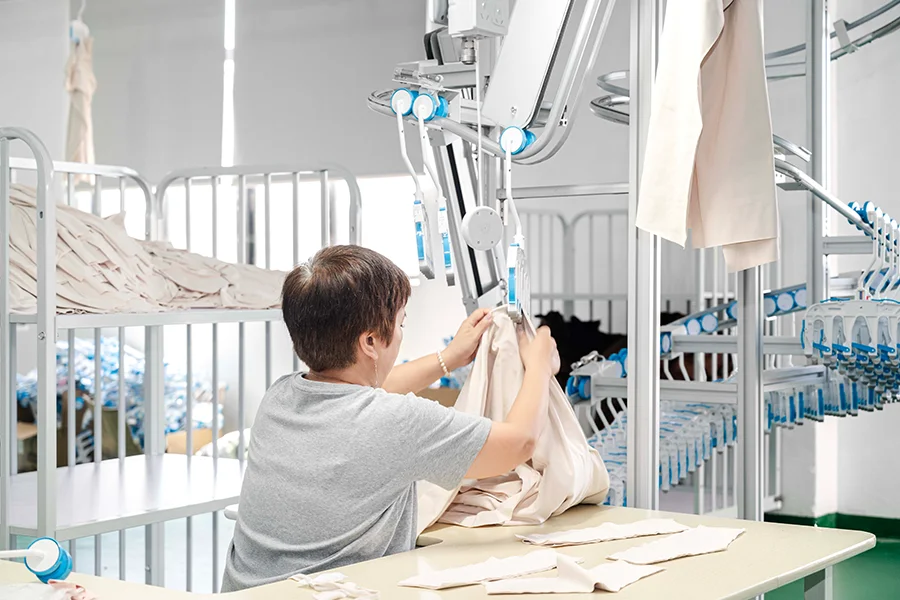
Integrating 3D knitting into a sportswear production line requires capital investment in advanced machinery, digital workflow adaptation, and workforce upskilling, but can deliver up to 30% higher production efficiency, reduce fabric waste by up to 90%, and enable rapid prototyping for customized designs.
Adopting 3D knitting allows sportswear manufacturers to blend advanced textile engineering with sustainable practices, improving output quality and supply chain flexibility. Below we outline market insights, integration steps, and common challenges to help brands leverage the technology effectively.
Key Market Data and Efficiency Gains
| メトリック | パフォーマンス | Growth Indicator |
|---|---|---|
| Global 3D Knitting Machines Market Value (2025) | $1.4 十億 | Established Base |
| Projected Value (2035) | $2.4 十億 | CAGR 5.6% |
| Regional Leaders (2035 projection) | China CAGR 7.6%, India CAGR 7.0% | High Growth |
| Market Share Increase | から 1.3% (2025) に 2.0% (2035) | Expanding Adoption |
| Efficiency & Resource Savings | Production efficiency +30%, fabric waste –90%, 水の使用量 –30%, energy –20% | Sustainability Advantage |
These figures highlight both the economic potential and operational advantages of integrating 3D knitting into sportswear manufacturing for brands aiming to scale sustainably.
Step-by-Step Process for Integration
Based on our experience at Sansan Sports, success with 3D knitting involves careful planning, investment in compatible equipment, and process transformation. Below are practical steps to follow:
利点: 持続可能性, フィット, and Efficiency
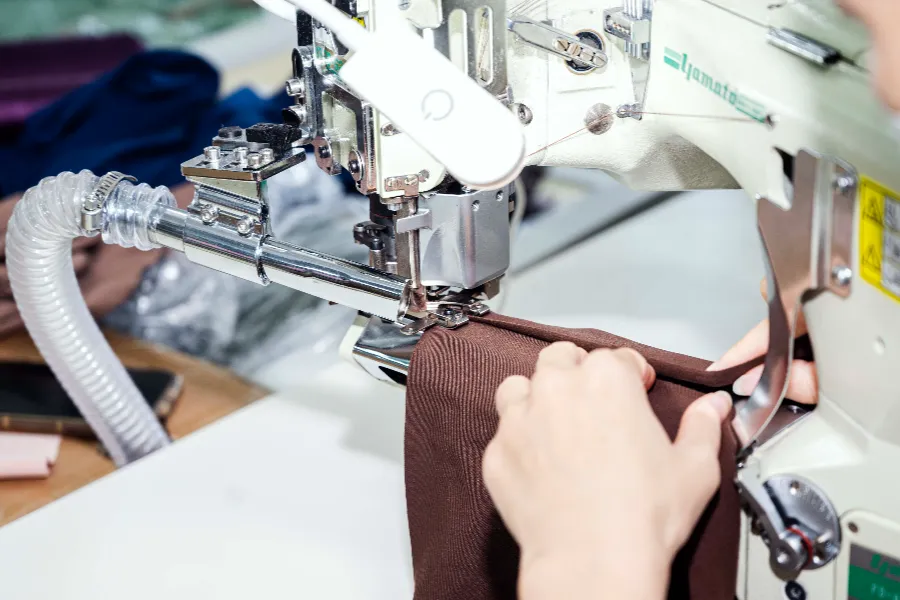
3D knitting in sportswear delivers measurable benefits in sustainability, フィット, and efficiency: it reduces material waste by up to 99%, cuts energy use by 43%, and enables seamless, custom-fit garments that are more durable and lighter than traditional methods.
スポーツウェア ブランドとの協業の経験から, 3D knitting is redefining how performance apparel is made. It offers clear gains in environmental impact, garment quality, and operational efficiency over traditional cut-and-sew methods.
Material and Energy Efficiency
3D knitting technology significantly reduces waste and resource consumption. By producing garments directly to shape, it minimizes fabric offcuts and lowers overall energy requirements.
| 側面 | 3D Knitting | Traditional |
|---|---|---|
| Material Waste | <1% | 30% |
| Energy Use | 43% lower | ベースライン |
| Labor Intensity | Reduced via automation | Higher manual labor |
Improved Fit and Durability
Seamless garment construction improves both strength and comfort. Without stitched seams, apparel resists tearing and retains structure under movement.
- Seamless tensile strength up to 95% compared to 70% in traditional garments.
- Approximately 10% lighter for enhanced mobility.
- Custom-fit capability through advanced knitting technology for ergonomic wearability and extended lifespan.
Production Speed and Cost Benefits
3D knitting accelerates design-to-market timelines, enabling rapid response to market trends. Brands can move from prototype to finished product in hours or days.
- Rapid prototyping: concept to product within hours/days vs weeks traditionally.
- まで 40% production cost savings compared to conventional 2D flatbed knitting or cut-and-sew.
- On-demand/localized production reduces inventory waste and shipping emissions.
よくある質問
Is 3D knitting cost-effective?
私たちの経験では, 3D knitting can be cost-effective for sportswear brands, especially when production runs are optimized. It reduces labor-intensive processes by knitting the garment shape directly, lowering assembly time.
さらに, the technology minimizes material waste during production, which can reduce fabric costs over large-scale orders.
What materials are compatible?
3D knitting works well with a variety of fibers, including synthetic performance yarns and sustainable options. At Sansan Sports, common choices include recycled polyester, nylon blends, bamboo fibers, and organic cotton.
Brands can also integrate technical yarns with properties like moisture management, stretch recovery, or antibacterial treatment to meet specific performance goals.
How does it reduce waste?
Unlike traditional cut-and-sew methods, 3D knitting produces garments with minimal offcuts because the fabric is knitted directly into the required design and size.
This results in up to 30% less material waste and supports sustainable production initiatives, aligning with eco-friendly brand strategies.
Can it scale for mass production?
はい. Modern 3D knitting machines can operate continuously to meet high-volume manufacturing requirements. With multiple units running in parallel, production capacity can scale to thousands of pieces per week.
Sansan Sports leverages flexible manufacturing lines to handle both low-MOQ prototypes and mass production orders without compromising quality.
どのブランドが使用しているか?
Global sportswear brands, innovative sustainable designers, and niche performance apparel startups have adopted 3D knitting for both technical and lifestyle collections.
Its integration is common in athletic footwear uppers, compression gear, and seamless sports tops where fit precision and reduced seams improve comfort and durability.
結論: The Future of Zero-Waste Sportswear
3D knitting combines seamless garment engineering, advanced material selection, and localized production to eliminate fabric waste while enhancing performance, フィット, and supply chain agility. By integrating recycled and eco-certified fibers with high-efficiency manufacturing, brands can cut energy consumption, reduce landfill contributions, and deliver durable sportswear that meets the expectations of eco-conscious athletes and consumers alike.
For sportswear manufacturers, the strategic adoption of 3D knitting is more than a production upgrade—it’s a path to stronger margins, a competitive sustainability profile, and faster response to market trends. Come and contact us from now on!