Sportswear producers and fabric engineers face increasing pressure to deliver garments that balance strength, 편안, 지속 가능성. While knits dominate many segments, woven fabrics remain essential where durability, stability, and specialized performance are non‑negotiable, especially for high‑stress athletic applications.
This guide covers the basics of sportswear weaving technology, key weave types and their performance traits, and how advanced loom innovations are shaping durability and efficiency, helping design teams and manufacturers create apparel that meets demanding performance and environmental goals.
Basics of Fabric Weaving and Its Role in Sportswear
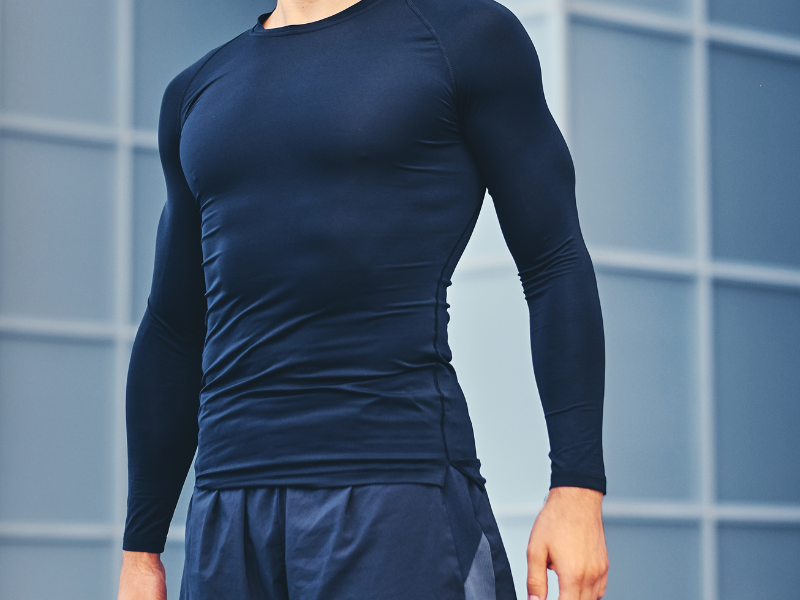
Fabric weaving is the process of interlacing two sets of yarns—warp and weft—using various patterns and machinery to create durable, structured textiles; in sportswear, woven fabrics provide critical properties such as strength, dimensional stability, and controlled breathability, making them essential for high-performance athletic garments.
글로벌 스포츠웨어 브랜드와 협력한 경험을 바탕으로, understanding the fundamentals of weaving helps design teams make smarter fabric choices. The way yarns are interlaced directly affects durability, 유연성, and performance in athletic use.
Primary Weaving Motions
Fabric weaving relies on a sequence of core mechanical motions that transform yarns into structured textiles. Each motion plays a role in determining fabric quality and consistency.
- Shedding: Raising and lowering warp yarns to create a shed space.
- Picking: Inserting the weft yarn through the shed.
- Beating-up: Pushing the weft yarn firmly against the fabric edge.
- Let-off: Releasing warp yarns consistently from the beam.
- Take-up: Winding the woven fabric onto the cloth beam.
Precision in these motions is critical in sportswear weaving to avoid defects and maintain uniform fabric performance across production batches.
Common Weave Types in Sportswear
Different weave patterns are selected to achieve specific functional properties in sportswear, from strength to breathability.
| Weave Type | Usage Frequency | Functional Advantage |
|---|---|---|
| ✅ Plain Weave | 60–70% of woven sportswear | Durability and simplicity |
| 🚀 Twill Weave | ~20% | Enhanced flexibility and drape |
| 💡 Satin Weave | < 10% | Smooth surfaces, compression use |
Technical Specifications and Production Details
Technical parameters guide the selection and manufacturing process for woven sportswear fabrics. High-performing sportswear requires controlled thread density and efficient production speeds.
- Thread count typically ranges from 60 에게 200 threads per inch in woven sportswear fabrics.
- Modern air-jet looms can produce up to 1,500 picks per minute, enabling high production efficiency.
- Sizing processes can boost yarn tensile strength by 20–40% before weaving begins.
These figures illustrate why advanced loom technology and pre-weaving treatments are vital to ensuring material uniformity for sports applications.
Weaving Benefits and Performance in Sportswear
Woven fabrics excel in athletic environments thanks to their balance of strength and functional adaptability. They maintain performance integrity even during intense movements.
- Superior dimensional stability and abrasion resistance, maintaining shape during high-impact activities.
- Advanced weaving methods and fiber blends deliver balanced breathability and moisture management — not just rigidity.
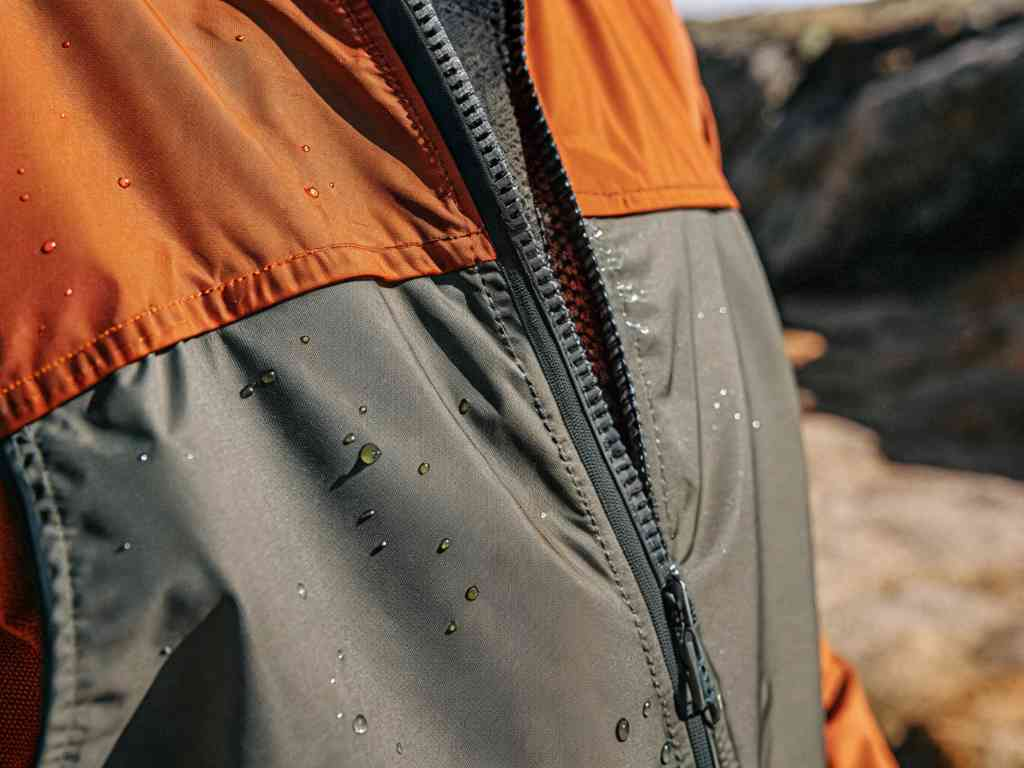
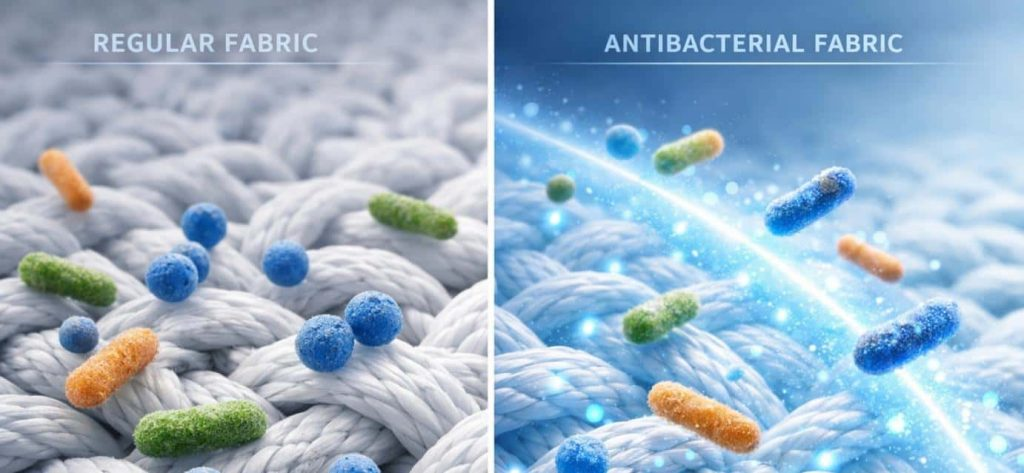
- Finishing treatments like calendaring and heat-setting enhance water repellency, UV protection, and antimicrobial properties.
- Selecting the right weave and fiber combination is crucial for tailoring fabrics to specific sports applications.
우리의 경험에 따르면, incorporating performance finishes and precision weaving gives athletes apparel that meets both comfort and endurance needs. The right choices in this stage define the final garment’s capabilities on the field, in the gym, or on the track.
Key Weave Types for Sportswear (Plain, Twill, Satin)
The three key weave types for sportswear—plain, twill, and satin—differ in mechanical performance and durability. Plain weave offers balanced strength and high breathability, twill provides superior tear resistance and durability, while satin delivers the highest tensile strength in the warp direction but is prone to microplastic emissions and lower tear strength in the weft direction.
Sportswear weaving technology plays a critical role in determining fabric strength, 편안, 내구성, and environmental impact. Understanding these differences helps design teams and fabric engineers select the right weave for each application.
Expert Insights and Practical Implications
Plain weave remains one of the most common choices in sportswear due to its balanced strength, high breathability, and uniform texture. Its tightly interlaced yarns limit movement, which can reduce tear strength compared to twill.
Twill weave is valued for its superior tear resistance (최대 30N) and durable diagonal rib construction. This structure reduces stiffness, improves flexibility, and often results in lower microplastic emissions, making twill ideal for rugged and high-performance wear.
Satin weave offers the highest warp tensile strength and a distinctive lustrous finish. Despite its visual appeal, satin is less resistant to tearing in the weft direction and has higher microplastic emissions, limiting its use primarily to specialized sportswear where aesthetics take priority over maximum durability.
우리의 경험에 따르면, sportswear designers achieve better long-term performance and sustainability by weighing strength, 편안, and environmental impact. Twill is frequently the optimal blend for durability and eco-conscious manufacturing in high-demand athletic apparel.
How Weave Structure Affects Durability and Comfort
The structure of a fabric’s weave directly determines its durability and comfort: plain weaves offer stability but moderate tear resistance, twill weaves provide higher durability and softness, while ripstop weaves deliver the best tear resistance and lightweight comfort due to their reinforced grid pattern.
From our work with performance textiles, we’ve seen how weave structure shapes not only the functional lifespan of sportswear but also how it feels during movement. Each weave type brings its own balance of strength, 유연성, and airflow.
Weave Types and Their Structural Design
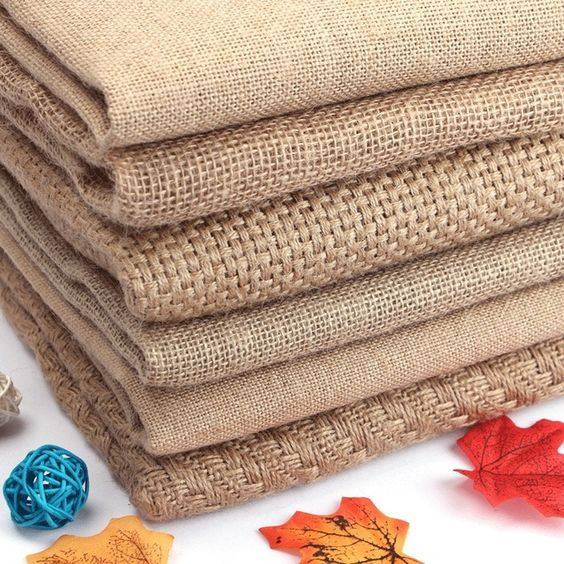
- Plain Weave: Simple crisscross pattern creating a stable and smooth surface.
- Twill Weave: Diagonal ribs that add flexibility and a textured feel.
- Ripstop Weave: Reinforced grid pattern with 5–8 mm spacing to stop tears from spreading.
These structural designs influence how each fabric responds to stress, draping, 그리고 장기간 착용. Choosing the right weave depends on the intended application and performance priorities.
Durability Metrics: Tear Strength and Abrasion Resistance
| Weave Type | Tear Strength (70D Nylon) | 마모 저항 (ASTM D3884) |
|---|---|---|
| Ripstop | ✅ 15–20 lbs/inch | ✅ 300–1000+ cycles |
| Plain Weave | ❌ 5–8 lbs/inch | ⚠️ 300–500 cycles |
| Twill Weave | ⚠️ approx. 4.3–6.7 lbs | — |
| Oxford Weave | — | ⚠️ 500–800 cycles |
Ripstop weave leads in tear resistance, making it ideal for high-impact sports. Abrasion results show Oxford and Ripstop fabrics perform better than plain weave when exposed to repeated friction.
Comfort Factors: Breathability and Weight
- Plain Weave: High breathability, lightweight to medium weight — suited for hot-weather sportswear.
- Twill Weave: Moderate breathability, medium to heavy weight — soft with better drape.
- Ripstop Weave: Moderate to high breathability, lightweight to medium weight — balances protection and comfort.
By adjusting yarn thickness and weave density, manufacturers can fine-tune these comfort parameters. 우리 프로젝트에서는, lighter ripstop fabrics have been effective in delivering both coverage and cooling.
Our team often matches weave types to the end-user environment — from marathon kits requiring rapid moisture release to mountaineering gear needing robust structure.
Elevate Your Sportswear Brand with Cutting-Edge Manufacturing
Partner with Sansan Sports to access innovative fabric technologies, 유연한 생산, and sustainable engineering that bring your vision to life—rapidly and reliably. Experience seamless integration from concept to delivery, tailored for brands that demand performance and quality.

Combining Weaving with Stretch Fibers (스판덱스, Lycra)
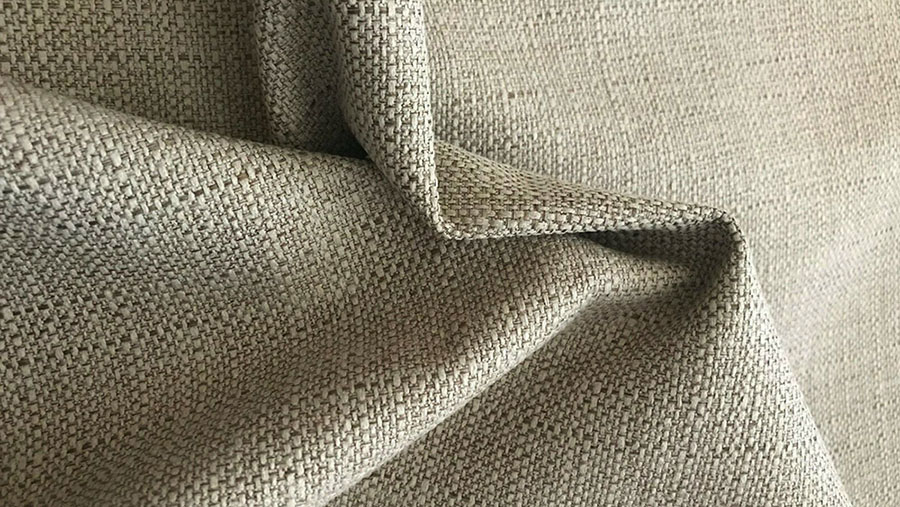
우리의 경험에 따르면, integrating weaving techniques with modern stretch fibers provides sportswear producers with fabrics that perform well under physical stress while maintaining wearer comfort. This combination offers a balanced solution for durability, form retention, and movement flexibility.
Market Overview and Key Metrics
| 📊 미터법 | 값 |
|---|---|
| Global spandex market value in 2025 | $3.24 10억 |
| Expected market value by 2032 (CAGR) | $5.11 10억 🚀 at 6.7% CAGR |
| Market size growth 2025 → 2030 | 1.41 million tons → 1.88 million tons |
| Apparel segment share in 2024 | ✅ 80.56% |
| Solution dry spinning share of production | 92.34% 💡 Up to 20% 에너지 절약 |
| North America’s market share in 2024 | 70.3% |
| Estimated global spandex fiber market value in 2024 | $10 10억 |
Technical Insights: Weaving with Spandex and Lycra Fibers
Weaving interlaces yarns at right angles, creating fabrics that combine mechanical strength with moderate stretch. When paired with spandex, the elasticity sits between knitted and classic woven options, which allows the garment to stay fitted without losing structure.
- Balanced blend of strength and controlled stretch.
- Applications include denim, medical textiles, and adaptable formal wear.
- Maintains shape and fit while enabling ergonomic sports movements.
- Resists deformation under repeated stress, ideal for performance-oriented apparel.
Production Process and Sustainability Considerations
Solution dry spinning remains the leading method for spandex fiber production, contributing over 92% of global output. This process yields uniform, high-quality fibers suitable for woven integrations.
- Next-generation dry spinning reduces energy usage by up to 20%, supporting environmental goals.
- Improved efficiency lowers total production footprint for apparel brands.
- Combining weaving with sustainably sourced stretch fibers aligns with eco-conscious manufacturing strategies.
Choosing Between Woven and Knitted Spandex Fabrics
Many fabric engineers associate stretch with knits, but woven spandex offers enhanced edge stability and durability. Knitted fabrics excel for garments requiring higher multidirectional stretch.
| 특징 | Woven Spandex | Knitted Spandex |
|---|---|---|
| Mechanical strength | ✅ High | ⚠️ Moderate |
| Multidirectional stretch | ⚠️ Medium | ✅ High |
| Shape retention under stress | ✅ Strong | ⚠️ Lower |
Fabric engineers should weigh product goals, 비용, and performance requirements before finalizing the weaving choice. Advances in fiber blends and weaving technology continue to shift these trade-offs, giving brands more options for market positioning.
Sustainability and Efficiency in Weaving Operations
Sustainability and efficiency in weaving operations are critical for reducing the sportswear sector’s environmental footprint, as weaving and related textile processes account for up to 36% of pollution impacts and consume large amounts of water and energy per garment.
In our experience working with sportswear weaving technology, both sustainability and operational efficiency play a decisive role in meeting global environmental targets. The weaving stage alone impacts water, energy, and emissions levels more than many other production steps.
Environmental Impact and Resource Consumption
| 📊 미터법 | 값 |
|---|---|
| 💧 Water usage per cotton shirt | 2,700 liters |
| 💧 Annual water use by textile production | 79 trillion liters |
| 🗑 Textile waste generated annually | 92 백만 톤 (<1% recycled into new garments) |
| 🌍 Global GHG emissions from fashion/textiles | 8.1-10% |
| ⚙️ Pollution share by process | Dyeing & finishing 36%, Yarn preparation 28%, Fiber production 15% |
| 🧵 Synthetic fiber share | 60–69% (as of 2025) |
| ⚠️ Microfiber pollution | 500,000 톤 annually from synthetic fiber washing |
This dataset underscores the direct link between weaving choices and sustainability outcomes. 스포츠웨어 생산업체를 위한, rethinking fiber mix and water use is crucial to lowering impact.
Challenges and Industry Trends
- 미만 1% of textile waste is recycled into new garments; recycled polyester use may decline by 2030.
- Most recycled polyester comes from plastic bottles, not textile-to-textile processes.
- Synthetic fiber reliance continues to drive microfiber pollution in waterways.
- Textile-to-textile recycling demand will exceed supply by 30–4천만 미터톤 ~에 의해 2030.
- 오직 18% of fashion executives rank sustainability as a top growth risk in 2026.
These trends reveal a gap between sustainability commitments and actual operational changes in weaving lines. Sportswear brands must respond to uphold environmental goals.
Efficiency Improvements and Sustainable Practices
- Closed-loop recycling, waterless dyeing, and renewable energy adoption are promising weaving solutions.
- Many techniques remain at pilot scale without full industry roll-out.
- Sustainable fashion market forecast: $12.46 10억 ~에 2025 rising to $53.37 10억 ~에 의해 2030.
- Recycling target for textiles: ~ 위에 30% ~에 의해 2030, improving from below 1%.
- Sportswear makers should align sourcing and supply chain design with circular economy models.
우리 프로젝트에서는, shifting to renewable-powered weaving lines and closed-loop recycling can reduce both emissions and waste volumes.
자주 묻는 질문
Why use woven fabric in sportswear?
In our experience with Sportswear Weaving Technology, woven fabrics provide a tighter structure, making them more resistant to abrasion and wear. This is especially useful for performance apparel where durability is a critical requirement.
Woven materials also offer better wind resistance compared to knitted fabrics, which helps athletes retain warmth during outdoor activities. Combined with moisture-wicking treatments, they maintain comfort in varying conditions.
How does stretch fiber change fabric behavior?
Stretch fibers, such as elastane, improve fabric flexibility by allowing garments to move naturally with the body. This helps maintain an ergonomic fit during high-intensity sports.
When combined with woven structures, stretch fibers enable enhanced freedom of movement without compromising shape retention. For sportswear, this balance of mobility and stability is critical for long-term performance.
Are woven fabrics more durable than knitted ones?
Yes ✅ — woven fabrics generally have a tighter yarn structure, which increases tensile strength and abrasion resistance. This makes them particularly suited for sportswear used in contact sports or rugged environments.
Knitted fabrics, while excellent for stretch and breathability, can be more prone to snagging and wear. Choosing between the two depends on the intended performance profile of the garment.
결론: Weaving the Future of High-Performance Sportswear
Advances in weaving now combine structural strength, stretch integration, automated production, and sustainable practices to deliver fabrics that meet rising performance expectations. By aligning weave selection with intended function, leveraging smart looms for efficiency, and adopting eco-conscious sourcing, sportswear makers can balance durability, 편안, and environmental responsibility. These innovations do more than refine textile quality – they create a platform for agile design and consistent product excellence across segments.
For brands competing in a fast-moving market, strategically applying these capabilities leads to shorter development cycles, 브랜드 차별화 강화, and better alignment with global sustainability goals. Partnering with a trusted manufacturing partner streamlines access to these technologies, enabling faster scaling and reliable output without sacrificing the performance attributes that athletes and consumers demand.