For apparel engineers and fitness apparel buyers, the challenge is designing garments that stay cool, dry, and comfortable under high-intensity use without sacrificing durability or performance. Breathable mesh fabrics offer a way to control heat buildup and moisture, but their benefits depend on the right material choice, estrutura, and manufacturing precision.
This guide covers the science behind breathable mesh fabrics, how mesh enhances airflow and comfort, and the manufacturing processes that ensure consistent quality—helping you create sportswear that performs in demanding conditions and meets market expectations.
What Is Breathable Mesh Fabric?
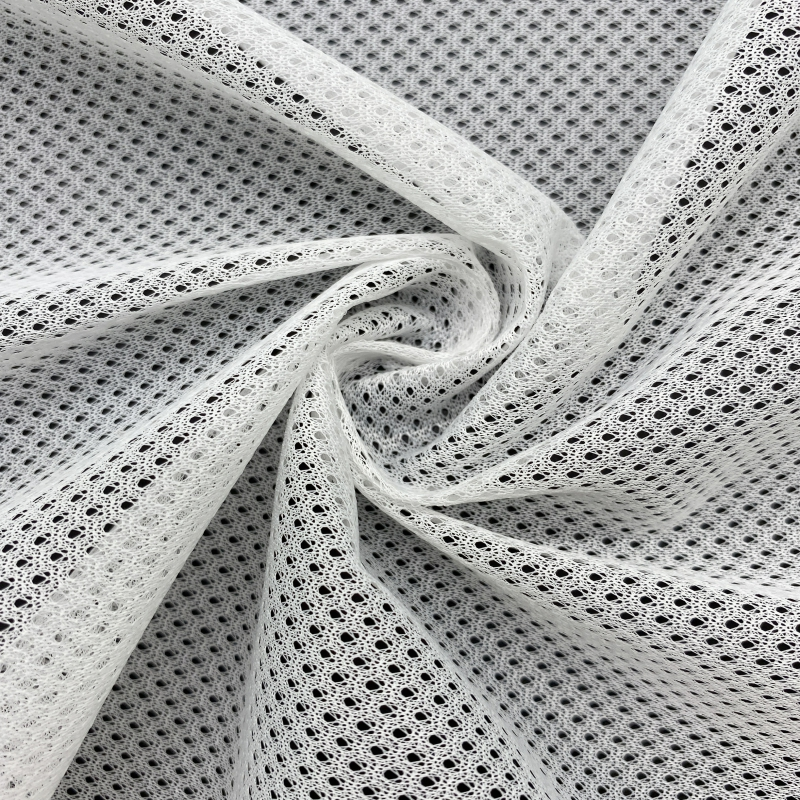
Breathable mesh fabric is a lightweight textile with an open weave structure and thousands of tiny holes, designed to maximize airflow and ventilation, making it ideal for activewear and environments where moisture management and comfort are critical.
Em nossa experiência trabalhando com marcas de roupas esportivas, breathable mesh fabrics have become an essential material for vestuário de desempenho. They combine technical efficiency with wearer comfort, meeting both engineering needs and consumer expectations.
Breathable mesh fabric features an open weave pattern that allows air to circulate freely through thousands of micro-holes. This structure naturally supports body cooling and ventilation during movement.
Technical Specifications and Material Properties
| Especificação | Valor / Range | Beneficiar |
|---|---|---|
| Weight | 40–120 gsm | Suitable for lightweight apparel |
| Air Permeability | 800–1200 mm/s | Rapid air exchange |
| Moisture Wicking | Medium–High | Keeps skin dry and comfortable |
| Durabilidade | Alto (synthetic variants) | Resistance to tearing and wear |
| Care | Machine washable | Easy maintenance |
We often engineer meshes with the optimal balance between gsm and air permeability to match client performance requirements.
Practical Benefits and Applications
- Supports moisture management and temperature regulation, reducing skin irritation during physical activity.
- Commonly used in activewear such as jerseys and shorts, footwear linings, outdoor gear, and medical textiles.
- Performance options vary by hole density and fiber content, offering stretch, apoiar, and weather resistance.
- Balances lightweight comfort, ventilação, and durability better than traditional fabrics.
From our manufacturing perspective, breathable mesh fabrics are versatile across industries. In apparel engineering, they are a go-to choice when comfort, respirabilidade, and durability are all required in one material.
How Mesh Enhances Airflow and Comfort
Mesh fabrics enhance airflow and comfort by leveraging their highly porous, open-weave structures, which allow for rapid heat dissipation and efficient moisture vapor transfer, resulting in cooler, drier, and more comfortable garments—especially in activewear applications.
In our experience manufacturing performance apparel, breathable mesh fabrics play a pivotal role in regulating body temperature during high-intensity activity. Their open structures promote ventilation and quick moisture transfer, keeping athletes dry and comfortable.
Airflow and Moisture Management Data
| Métrica | Performance Result | Entendimento |
|---|---|---|
| Air Permeability (Spacer Mesh) | 0.9 g/m²·h moisture vapor transfer rate with active airflow | High transfer speed supports quick drying |
| Relative Humidity Reduction | De 99% RH saturation to 40% RH ambient over 24 hours with mesh and airflow | Significant humidity drop enhances thermal comfort |
| Heat Flux Dissipation | Spacer mesh: 19–34 W/m² vs foam: 10.4 W/m² | Superior heat management under load |
| Fabric Porosity Example | 84% porosity, 6.4 milímetros openings — minimal improvement over baseline | Indicates need for optimized porosity levels |
| Time to Equilibrium (Moisture) | Mesh with airflow: 240 min vs non-mesh: 820 min | Faster stabilization keeps garments comfortable |
These measurements highlight how fabric engineering, particularly in sports apparel, can dramatically affect garment performance. By selecting mesh with balanced porosity and integrating active airflow designs, it’s possible to significantly improve user comfort.
Key Materials Used in Breathable Fabrics
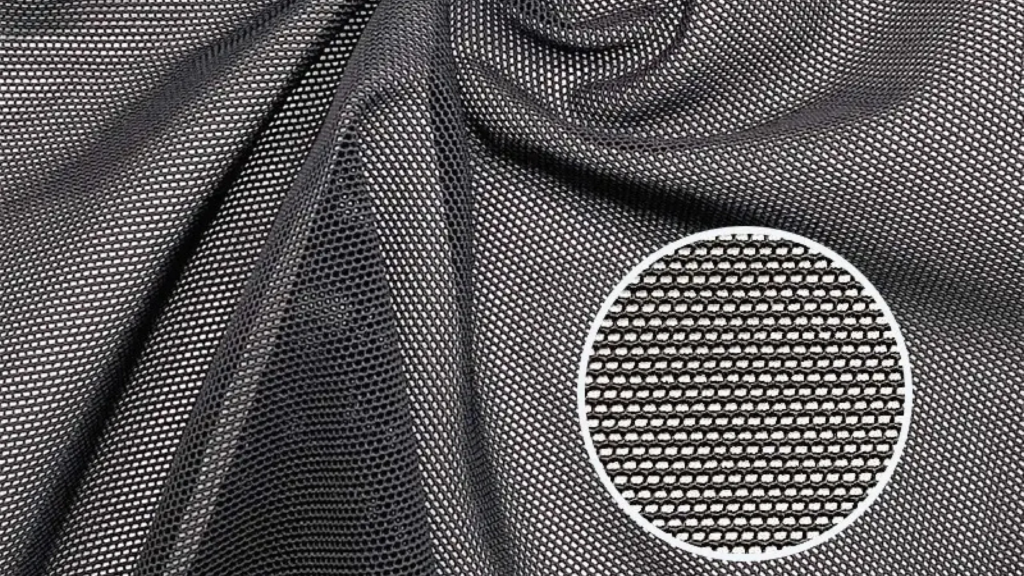
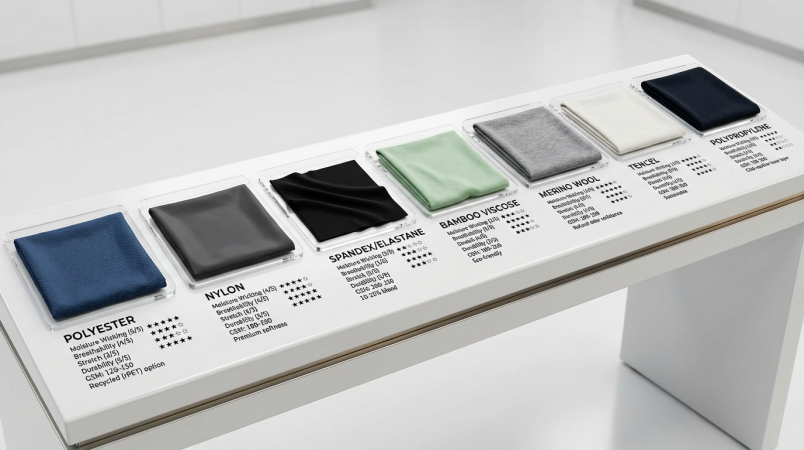
The key materials used in breathable fabrics are polyester, nylon, algodão, and specialized blends combining hydrophilic and hydrophobic properties, often enhanced with coatings like polyurethane and silicone to improve moisture vapor transmission and air permeability.
Breathable mesh fabrics are designed to balance air permeability and moisture control, making them ideal for sportswear and technical apparel. Material choice plays a major role in determining fabric performance, durabilidade, and user comfort.
Common Fiber Types in Breathable Fabrics
Em nossa experiência, selecting the right fiber type is essential to meet the demands of apparel engineers and athletes. Each fiber offers unique strengths when it comes to breathability, conforto, and handling moisture.
- Algodão absorbs up to 25% of its weight in moisture, offers excellent air permeability, and is biodegradable.
- Poliéster is durable, quick-drying, and frequently blended with cotton in 60/40 ou 55/45 ratios to balance breathability and durability.
- Nylon is lightweight, strong, and designed for high breathability with added elasticity, making it common in athletic and technical apparel.
Coatings and Fabric Blends for Performance
Blends and coatings can transform base fabrics into high-performance textiles with targeted capabilities. Para aplicações em roupas esportivas, this is particularly important in balancing waterproofing with airflow.
- Polyurethane e silicone coatings in an 80/20 ou 85/15 blend provide optimal waterproofing while retaining breathability.
- Common blends like 60/40 cotton-polyester combine natural comfort with synthetic durability for activewear.
- Multi-component systems optimize performance by using complementary fiber properties for best results.
Structural Factors Influencing Breathability
Beyond fibers and coatings, the physical structure of a fabric determines its ability to allow air and moisture to pass through. This makes weave density and yarn thickness key engineering considerations.
| Fator | Impact on Breathability | Market Insight |
|---|---|---|
| Internal Fabric Porosity (~8%) | Significantly enhances airflow; measured using micro-CT. | Preferred in high-performance gear. |
| Finer Yarns | Improve breathability but reduce fiber composition impact. | May require reinforced construction for durability. |
| Densely Woven Waterproof Breathable Fabrics | Meet large market demand. | 53.3 milhão sqm in 2024; CAGR 6.0% through 2030. |
Accelerate Your Sportswear Innovation with Expert Manufacturing
Partner with Sansan Sports to leverage cutting-edge fabric technology and sustainable production tailored for your brand’s performance needs. Enjoy flexible, end-to-end solutions that bring your designs to life efficiently and responsibly.
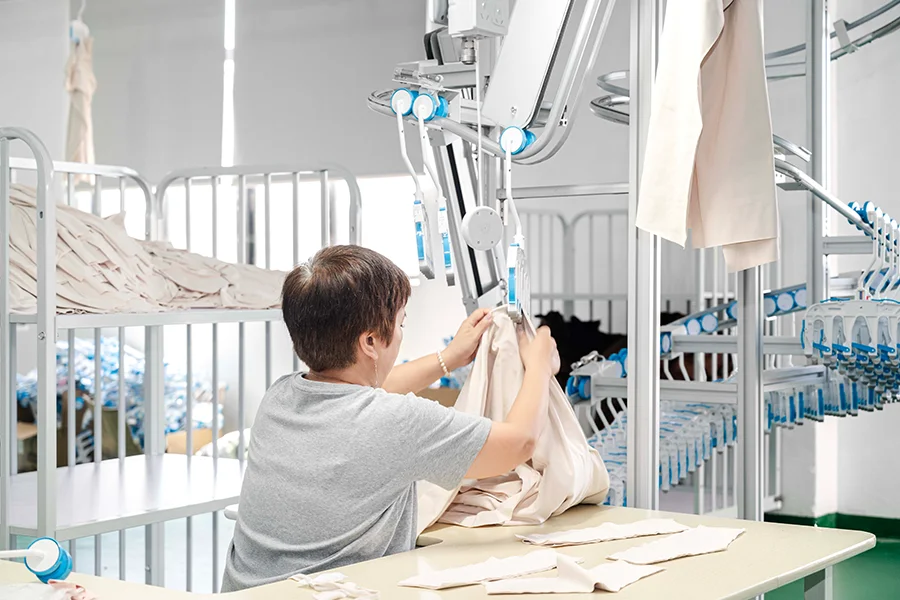
Comparação: Mesh vs. Solid Knit Fabrics
Mesh fabrics are much more breathable and lighter due to their open-knit construction, ideal for high-ventilation use. Solid knit fabrics offer greater warmth, esticar, and wind resistance, better suited for moderate climates and ergonomic garments.
In our experience working with breathable mesh fabrics and solid knit construction for fabricação de roupas esportivas, the choice depends on ventilation needs, clima, and garment purpose. Both options have distinct structural designs, which directly influence performance and comfort.
Fabric Structure and Performance
| Recurso | Mesh Fabrics | Solid Knit Fabrics |
|---|---|---|
| Structure | Open-knit, net-like with 6–16 holes/inch | Tight, continuous loops, no holes |
| Respirabilidade | Very high ventilation | ➖ Moderate to high |
| Heat Retention | Low warmth | Moderate to high warmth |
| Esticar & Durabilidade | High stretch, holds shape, less elasticity | Higher stretch, looser fit, robust durability |
| Proteção | Low wind/water resistance | Moderate protection |
| Care | Quick-dry, easy wash | Gentle care, longer drying |
| Print Quality | Higher mesh counts allow finer, lighter prints | Audacioso, saturated prints with lower mesh counts |
Perguntas frequentes
What is GSM?
GSM stands for grams per square meter and is a measure of fabric weight. Em nossa experiência, breathable mesh fabrics for sportswear often range from 80 para 200 GSM depending on the performance requirements.
Higher GSM means a denser and heavier fabric, which can improve durability but may reduce ventilation. Lower GSM offers lighter weight and more breathability, suitable for training or high-intensity workouts.
How to test breathability?
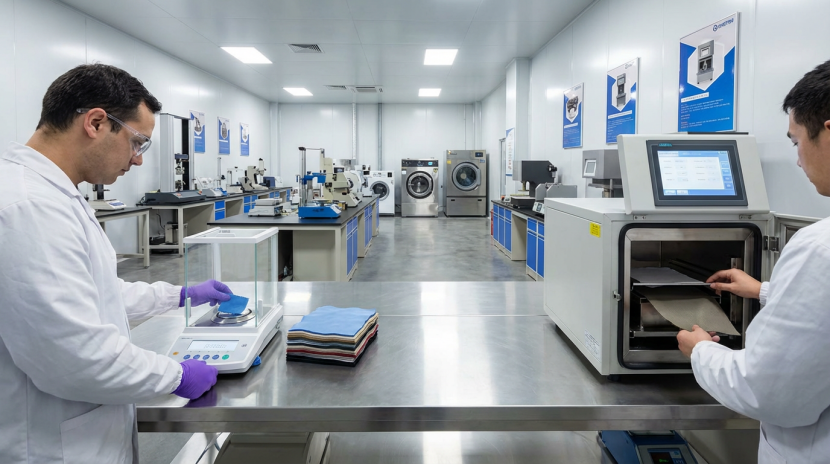
Breathability testing can be done using air permeability tests such as ASTM D737. This measures how easily air passes through the fabric under specific conditions.
We recommend combining lab tests with real-life field trials, placing garments in high-impact activities to assess comfort, regulação de temperatura, and moisture evaporation.
- Lab-based air permeability analysis
- Moisture vapor transmission rate (MVTR) testing
- Athlete wear trials for performance feedback
Is mesh long-lasting?
Mesh fabrics can be highly durable when engineered with high-tensile synthetic fibers such as polyester or nylon. In our production, we use yarns with strong abrasion resistance to extend fabric life.
Factors like GSM, knit structure, and finishing processes such as heat sealing all play a role in longevity. Proper care also ensures the garment maintains performance over many uses.
Is it sustainable?
Yes — breathable mesh can be sustainably manufactured using poliéster reciclado, organic cotton blends, or bamboo fibers. We integrate these into performance apparel while maintaining required functionality.
Sustainable production also involves waste reduction, low-impact dye processes, and recyclable packaging, all of which are achievable within modern supply chains.
- Use of renewable yarns
- Recycled polyester and eco-friendly blends
- Compliance with ISO, BSCI, OEKO-TEX standards
Best uses?
Breathable mesh fabrics excel in high-movement sports and activities where moisture control is key. This includes running, training sessions, ciclismo, and team sports uniforms.
We also apply mesh panels to activewear for targeted ventilation, ergonomic fit, and aesthetic design accents that enhance product appeal.
- Running tops and jerseys
- Training shorts with mesh side panels
- Cycling kits for long-distance comfort
- Team sports kits with custom ventilation zones
Considerações Finais
Breathable mesh fabrics offer an ideal mix of lightness, airflow, and fast moisture control, making them essential in high-performance sportswear. Choices like hole density, fiber blends, and production methods directly shape comfort, durabilidade, and overall product appeal. With proven gains in heat release and moisture evaporation, mesh remains a smart material for activewear and footwear built for demanding conditions.
Sansan Sports provides full-service manufacturing for custom performance apparel under OEM, ODM, and Private Label models. Brands gain access to custom branding, digital sublimation printing, and precision fit technologies—all designed to meet modern performance expectations. Whether creating breathable activewear or rugged footwear, Sansan Sports is a trusted partner for technical excellence and sustainable innovation.