Ultimately, whether compression sportswear boosts performance or primarily supports recovery comes down to selecting the right garment for the right purpose. Factors like pressure level, fabric technology, ajustar, and training environment all influence results. When thoughtfully matched to athletic goals, compression apparel can enhance muscle support, reduce fatigue, and improve recovery efficiency—helping athletes move better and train smarter.
If your brand is ready to elevate its product lineup with high-performance compression gear engineered for real results, Sansan Esportes is here to help. We specialize in innovative activewear development and scalable manufacturing solutions tailored to professional performance needs.
Explore how we can power your next breakthrough 👉 https://sansansports.com/
What Is Compression Technology?
Compression technology reduces digital data size by removing redundancies or unnecessary information, improving storage efficiency and speeding up data transfer without losing essential content.
Em nossa experiência, compression technology plays a critical role in both daily consumer applications and specialized industries such as sportswear design, digital media, and performance analytics. Understanding its fundamentals helps brands and professionals choose optimal tools for storage, velocidade, and data integrity.
Overview of Compression Technology
Compression technology uses algorithms to reduce data size by eliminating redundant or unnecessary data. This allows information to be stored or transmitted more efficiently while maintaining usability.
- Enables faster data transmission and more efficient storage.
- Two main types: lossless (perfect preservation) and lossy (quality trade-off for higher compression).
- Common algorithms: Huffman coding, Run-Length Encoding, Lempel-Ziv-Welch.
Key Data and Types of Compression
| Type | Typical Size Reduction | Quality Impact | Exemplos |
|---|---|---|---|
| Lossy | Até 90% reduction for image/video | Some quality loss | JPEG, MP3 |
| Lossless | 2:1 para 3:1 reduction for text/data | Original quality retained | ZIP, PNG |
In terms of efficiency, bandwidth savings from compression can cut network transfer times by over 50% for large files — a major advantage for B2B operations managing heavy data streams.
Applications and Benefits
- Used in text, images, audio, video, databases, and network data transfers.
- Supports management of heavy datasets such as high-resolution sports imagery or detailed motion analysis video.
- Reduces storage costs and speeds up data sharing across industries, including sports technology and digital media.
- Selecting compression type is a balance of data integrity vs bandwidth/storage limits.
Para marcas de roupas esportivas, combining compression technology with high-performance apparel workflows means faster prototyping, reduced server load for design files, and smoother communication with offshore production teams.
Compression vs. Regular Sportswear
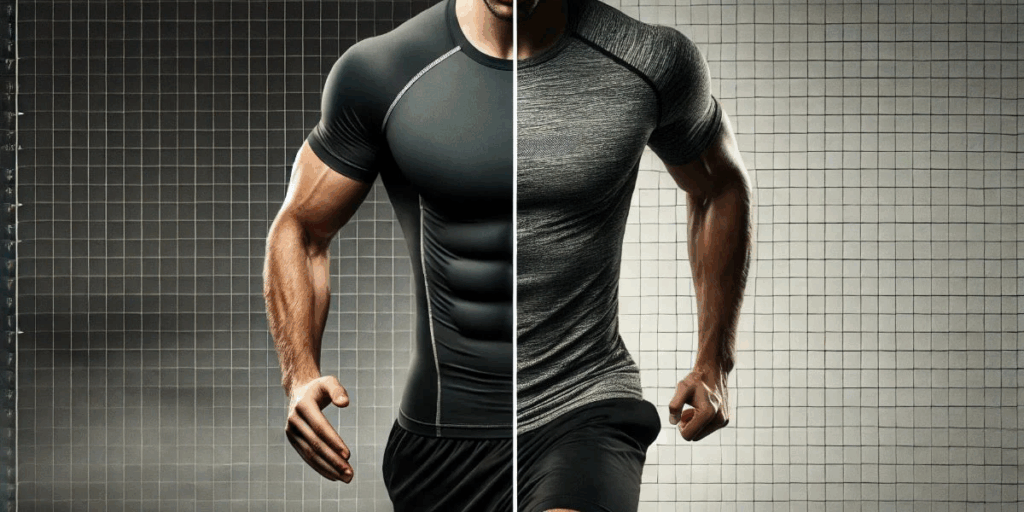
Compression sportswear helps reduce muscle soreness and lowers biochemical markers like creatine kinase after exercise compared to regular sportswear. It offers small improvements in endurance and speed but may reduce comfort due to higher compression and sweating. Regular sportswear emphasizes breathability and comfort at a generally lower price point.
Choosing between compression technology and regular sportswear depends on athlete goals, comfort preferences, and recovery needs. Em nossa experiência, the difference becomes more evident when comparing measurable performance and physiological impacts.
Compression vs. Regular Sportswear
| Métrica | Roupas esportivas de compressão | Regular Sportswear |
|---|---|---|
| Average Lower Body Pressure | 12.08 ± 6.13 mmHg | 6.17 ± 3.27 mmHg |
| Muscle Soreness (24h post-exercise) | Lower | Mais alto |
| Creatine Kinase Levels (24h post-exercise) | Lower | Mais alto |
| Body Surface Temperature During Activity | Mais alto | Lower |
| Sweating / Body Mass Loss | More intense | Less |
| Desempenho (Speed/Endurance) | Slight improvement | No improvement |
| Perceived Comfort | Lower at higher compression | Generally higher |
| Injury Risk | Reduced | No specific protection |
| Price Range | $40–$120 | $20–$60 |
Critical Perspective on Compression Sportswear Benefits
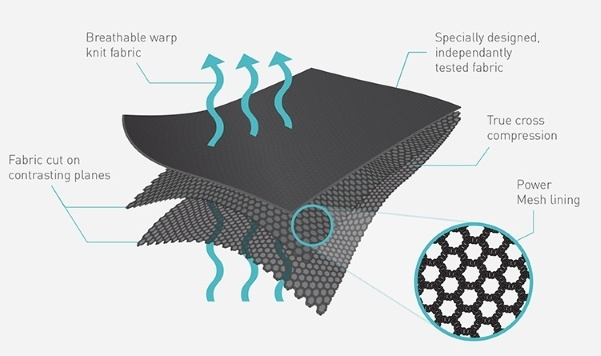
Compression technology is designed to stabilize muscles, reduce soreness after workouts, and boost recovery by improving venous return while limiting muscle vibration. These factors contribute to reduced fatigue and faster readiness for subsequent training sessions.
Evidence from multiple studies indicates that while compression garments support recovery, they do not drastically enhance sprint performance or raw speed. For endurance events, marginal gains can still be valuable for competitive athletes.
On the downside, higher compression levels can raise skin temperature and increase sweating, which may reduce comfort during extended wear. This makes fabric engineering and fit selection critical for balancing performance benefits with usability.
Regular sportswear remains the go-to option for general training due to its superior breathability and comfort, particularly in hot conditions. For athletes targeting recovery and injury prevention, investing in compression gear can be worthwhile despite the higher cost.
How Compression Enhances Blood Flow and Muscle Recovery
Compression garments enhance blood flow and accelerate muscle recovery by increasing venous return, reducing muscle soreness, and improving performance indices during the post-exercise period.
In our experience working with sportswear innovation, compression technology helps athletes manage post-exercise fatigue more effectively. By applying controlled pressure, these garments improve circulation, reduce swelling, and support faster recovery.
Impact of Compression on Venous Blood Flow and Microcirculation
Research shows that compression stockings at about 20 mmHg increase venous blood flow velocity in the distal leg during recovery, which supports better nutrient delivery. Mild external compression can double skin and muscle microvascular blood flow under simulated venous hypertension.
| Parameter | Effect of Compression | Recovery Impact |
| Venous blood flow velocity | +20 mmHg → Increased speed | Faster nutrient transport |
| Microvascular flow under hypertension | Restored from ~32–36% to ~64% baseline | Better oxygen delivery |
| Optimal sports compression level | 20–30 mmHg | Effective recovery support |
Effects on Muscle Oxygenation and Recovery Markers
Compression wear can restore muscle oxygenation by approximately 23% compared to baseline under venous hypertension. This oxygen boost aids in metabolite clearance and energy restoration.
- Medium to large positive effects on venous return, muscle blood flow, and performance recovery within 4 horas post-exercise.
- Marked reduction in muscle soreness and swelling, with effect sizes up to 4.05.
- Strong potential for training programs requiring rapid turnaround between sessions.
Elevate Your Sportswear Line with Expert Innovation & Sustainable Precision
Partner with Sansan Sports to leverage cutting-edge manufacturing, tailored for performance, sustentabilidade, and scalability. Experience streamlined design-to-delivery solutions that bring your brand’s vision to life with uncompromising quality.
Compression vs. Loose Fit: Performance Differences
Compressão fit apparel improves performance by reducing muscle vibration by up to 42%, improving muscle recovery, and enhancing running economy by 2.7%. Loose fit gear offers better breathability and heat dissipation, with up to 30% greater heat loss in warm conditions. The best choice depends on activity intensity, clima, and personal preference.
In our experience working with elite sportswear brands, the choice between compression and loose fit apparel often comes down to balancing performance gains with comfort and climate needs. Below is a breakdown of their differences and how they perform in practice.
Performance Metrics Comparison
| Métrica | Compression Fit | Loose Fit |
|---|---|---|
| Muscle Vibration Reduction | 42% less vibration | None |
| Muscle Soreness Reduction (24h) | 27% less soreness | No significant change |
| Blood/Oxygen Delivery | Até 40% aumentar | No enhancement |
| Running Economy | 2.7% melhoria | Linha de base |
| Heat Dissipation | Fluxo de ar limitado | 30% better heat loss |
| Post-Run Jump Height | 4.5% mais alto | No gain |
| Gerenciamento de umidade | High sweat wicking | Variable |
| Conforto | May feel restrictive | Conforto superior & airflow |
| Wind Resistance | Lower drag | Higher resistance |
| Custo | Generally higher | Lower cost |
How Compression Apparel Works
Compression garments use graduated pressure that stabilizes muscles and reduces oscillation. This design improves blood circulation, delivering oxygen more effectively while speeding waste removal during and after activity.
The measurable benefits include a 2.7% improvement in running economy, allowing athletes to maintain pace with less energy. Reduced muscle vibration by 42% eases fatigue and helps prevent microtrauma.
Adicionalmente, compression gear cuts muscle soreness by 27%, enabling quicker turnaround between training sessions — a key advantage in high-frequency competition schedules.
Benefits and Potential Drawbacks of Compression Apparel
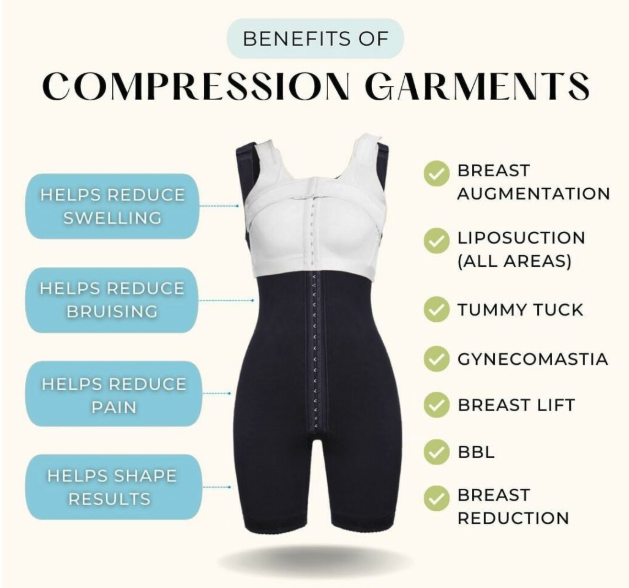
Compression apparel offers measurable benefits for athletes and fitness professionals, including enhanced post-exercise blood flow, reduced muscle soreness, and improved recovery of muscle strength and power, but potential drawbacks include increased localized skin temperature and inconsistent effects on actual performance metrics.
Em nossa experiência, compression technology supports recovery and comfort for both recreational and elite athletes. While research shows measurable physiological effects, the real-world application often depends on the wearer’s activity type and environment.
Physiological Benefits of Compression Apparel
Compression garments contribute to post-exercise recovery by encouraging better blood flow and supporting the muscle structure during rest periods. These effects can help athletes return to training with less downtime.
- Enhanced venous flow velocity and stroke volume during 4-hour post-exercise recovery, aiding circulation.
- Reduction in muscle soreness with lower plasma creatine kinase levels and decreased swelling.
- Significant mitigation of muscle strength decline during rest intervals from 1 acabar 72 horas.
- Reduced muscle vibration during activity, potentially protecting tissue from microtrauma.
When to Choose Compression Wear for Sports
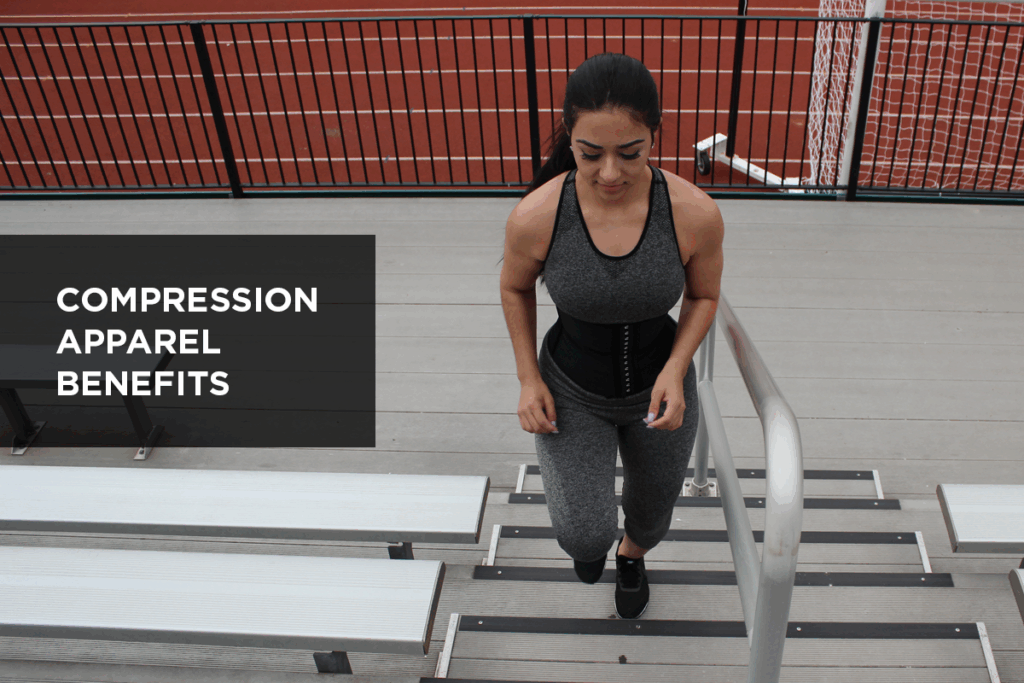
Compression wear is most beneficial for sports recovery when used immediately after intense exercise, especially resistance or endurance activities, and for up to 24 horas post-exercise. It accelerates muscle strength recovery and reduces soreness.
Compression technology in sportswear offers targeted muscle support and circulatory benefits. Em nossa experiência, timing its use greatly influences the balance between recovery gains and performance impact.
Effectiveness of Compression Wear for Recovery
Data shows that muscle strength recovery improves significantly when compression is worn during recovery windows. Effect sizes reach 1.14 within 2–8 hours post-exercise and remain strong at 1.03 beyond 24 horas.
- Significantly reduces delayed onset muscle soreness (DOMS) and lowers creatine kinase, indicating less muscle damage.
- Stabilizes thigh and calf muscles during running by minimizing displacement.
- Works best following activities involving eccentric loading or high resistance.
Impact of Compression Wear on Sports Performance
Studies find no noticeable acute improvement in sprinting, jumping, or agility tests with compression garments. This means athletes should not expect instant boosts in explosive power.
- In endurance events, running economy can improve by up to 9% thanks to reduced muscle oscillation.
- No reports of negative performance effects from using compression wear during activity.
- Gains in economy may indirectly benefit overall race time and fatigue profiles.
Optimal Use and Considerations
Compression wear serves athletes best for post-exercise recovery rather than enhancement during activity. Wearing it between sessions maximizes its circulatory and stabilizing effects.
- Especially effective after high-intensity or eccentric workouts demanding significant muscle repair.
- Ideal pressure and wear duration can vary; research protocols show inconsistency.
- Test different compression grades to match both comfort and recovery speed.
Perguntas frequentes
Does it enhance endurance?
In our experience with vestuário de desempenho, compression technology can help maintain muscle alignment and reduce vibration during activity. This may support improved stamina over longer training sessions. Athletes often report feeling less fatigue when wearing garments engineered for consistent pressure.
Is tighter better?
Not necessarily. Compression wear should apply even pressure without restricting movement or circulation. If the garment feels uncomfortable or leaves deep marks, it’s likely too tight and may hinder performance instead of helping it.
What’s medical-grade compression?
Medical-grade compression refers to garments with certified pressure ratings, usually measured in mmHg, and prescribed for therapeutic use. These are designed for conditions such as poor circulation or recovery from injury and differ from standard sports compression in their targeted pressure zones and regulation standards.
How long to wear?
For training support, many athletes wear compression gear during exercise and up to 2–3 hours afterward to aid recovery. Long-term continuous wear is generally not necessary unless directed by a medical professional.
Wash care?
- Wash in cold water to preserve elasticity.
- Use mild detergent without bleach.
- Air-dry away from direct sunlight to prevent fiber damage.
- Avoid high heat tumble drying which can break down compression fibers.
Considerações Finais
In the end, compression sportswear proves most effective for recovery and muscle stability rather than boosting raw speed or strength. Choosing the right fit, pressão, and fabric ensures athletes get better circulation, reduced soreness, and more consistent performance—while breathable loose-fit options remain essential in hot or high-intensity environments.
To achieve the best results, match apparel to the training goal and conditions. And when developing new products, working with an experienced activewear sport wear manufacturer ensures performance gear that supports athletes without sacrificing comfort or durability.