Sportswear brands face increasing pressure to deliver customized, high-quality apparel quickly while meeting sustainability goals. Traditional printing methods often fall short on speed, flexibilidade, and environmental impact, making digital printing a critical solution for modern production demands.
This guide covers key digital printing technologies, how to choose the right inks and fabrics, and strategies for implementation in production, helping designers, print suppliers, and sportswear brands improve turnaround times, enhance customization, and reduce their environmental footprint. Let’s dive in!
Types of Digital Printing Technologies
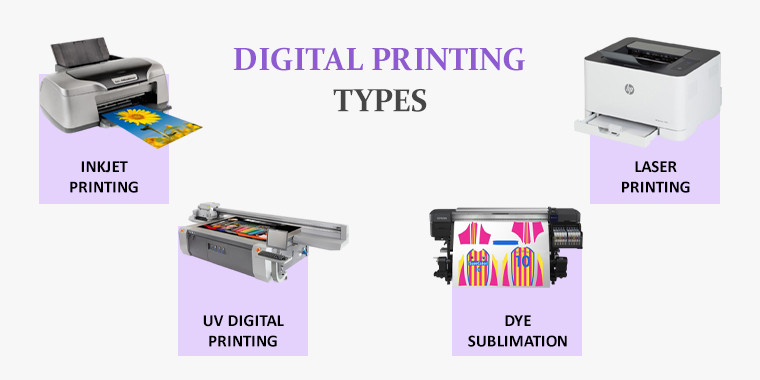
Digital printing includes multiple technologies such as inkjet, laser/electro-photographic, dye-sublimation, UV-curable, direct-to-garment (DTG), and digital press, each suited for different substrates, volumes, and quality needs. Emerging hybrids combine digital with traditional offset methods for enhanced efficiency.
Em fabricação de roupas esportivas, choosing the right digital printing method directly impacts quality, durabilidade, and production efficiency. Different technologies excel with specific fabrics, order sizes, and design details.
Overview of Digital Printing Technologies
- Inkjet (TIJ/Piezo/CIJ): Versatile and cost-effective for short runs, supports paper, tecido, and ceramics.
- Laser/Electro-Photographic: High-speed, precise printing mainly for paper and cardstock.
- Dye-Sublimation: Ideal for polyester fabrics with vivid, durable prints.
- UV-Curable: Instant curing, eco-friendly, suitable for rigid and flexible substrates.
- Direct-to-Garment (DTG): Photographic quality prints on natural fabrics like cotton and silk.
- Digital Press: Sharp, accurate images for brochures, business cards, and short runs.
- Hybrid Systems: Combine digital flexibility with offset speed for large volumes.
Key Characteristics and Benefits by Technology
- Inkjet Printing: Minimal setup time, broad media compatibility, low equipment cost.
- Laser Printing: Excels in high-volume document and label production with superior speed and precision.
- Dye-Sublimation: Washfast, breathable prints bonded to polyester fibers — perfect for vestuário de desempenho.
- UV-Curable Inks: Instant curing and vibrant colors on rigid and flexible materials using energy-efficient LED UV.
- DTG: Best for custom, intricate designs on cotton garments with excellent color vibrancy and soft hand feel.
- Digital Press: Fast turnaround with consistent quality on paper substrates.
- Hybrid Digital-Offset: Supports high-volume sportswear with variable data printing and traditional efficiency.
Considerations and Emerging Trends in Sportswear Printing
- Fabric type, complexidade do projeto, e volume de pedidos guide technology choice for sportswear brands.
- Dye-sublimation remains dominant for polyester sportswear thanks to durability and stretch, but requires heat-press setup.
- DTG suits small runs on natural fibers but has higher ink costs and lower throughput.
- UV-curable printing grows in outdoor sportswear labeling due to fast curing and waterproof qualities.
- Hybrid systems are standard for high-volume team uniform production, offering digital customization with offset speed.
- Capital investment ranges from $20,000 for inkjet to over $1,000,000 for advanced hybrids — ROI depends on order scale.
- Modern digital printing now matches or exceeds traditional speeds for many mid-volume orders.
Processo passo a passo: From Design to Final Print
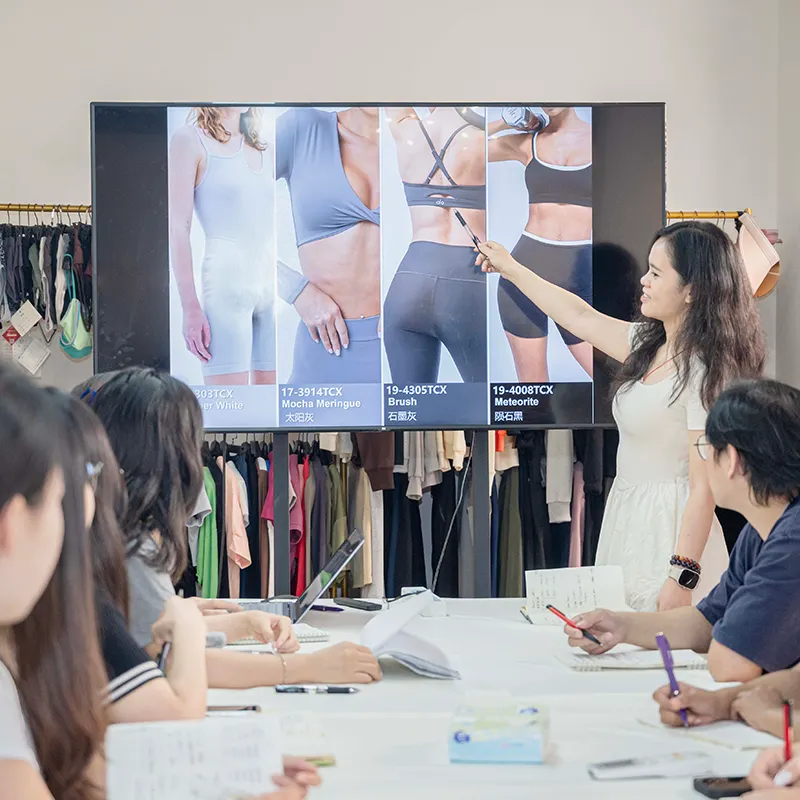
The step-by-step process from design to final print in digital printing for sportswear involves sequential stages: design creation, material selection, production file preparation, impressão, finishing, controle de qualidade, and installation or delivery. Each step requires strict adherence to technical specifications and industry standards to ensure optimal performance and brand consistency.
Em nossa experiência, a well-structured workflow is essential to maintain sportswear quality, achieve vibrant prints, and protect brand integrity. This process links design accuracy with technical precision at each phase, from file preparation to installation.
Design File Preparation and Material Selection
Accurate design files form the backbone of every successful digital printing project. 100% of projects need production-ready files verified for dimensions and color accuracy to prevent costly reprints.
- Dimension and color verification before production.
- Material durability with abrasion resistance of at least 500 cycles.
- UV resistance with ratings of 4+.
- Compliance with ISO, BSCI, and OEKO-TEX standards for environmental and safety assurance.
Printing Technology and Production Process
The printing phase blends advanced hardware with automation to deliver precision and efficiency. Large-format digital printers reaching up to 1200 dpi create sharp, vibrant graphics for sportswear.
- Automated cutting using CNC routers, laser cutters, and vinyl plotters for optimal fit.
- Pre-production file checks reduce errors by up to 80% and minimize waste.
- High-resolution printing ensures brand colors match consistently across batches.
Acabamento, Controle de qualidade, and Installation
After printing, multiple finishing stages ensure product longevity and flawless presentation. Quality checks occur at least three times during the production journey.
- Inspections before printing, after printing, and during final assembly to maintain top standards.
- Laser-guided alignment tools with 0.05° precision for perfect graphics placement.
- Torque-controlled fasteners safeguard against installation damage.
- As-built documentation and warranty registration to support future maintenance.
Choosing the Right Inks and Fabrics
Selecting the optimal inks and fabrics for digital printing on sportswear is critical for achieving vibrant, durável, and high-performance results; dye sublimation inks on polyester fabrics dominate the sector due to their superior colorfastness and stretch compatibility, while eco-friendly water-based and UV-curable inks are increasingly adopted for sustainability and versatility.
Em nossa experiência na Sansan Sports, the ink and fabric combination directly affects color saturation, wear resistance, and environmental impact. Choosing the right pairing supports both performance goals and brand sustainability commitments.
Ink Types and Their Key Characteristics
- Dye Sublimation Ink: Best suited for polyester fabrics; delivers vibrant colors, excellent durability, and resistance to fading.
- Water-Based Ink: Eco-friendly with vibrant colors and fast drying; suitable for natural and synthetic blends but less durable in moisture and outdoor conditions.
- UV-Curable Ink: Offers fast curing with high durability, scratch and water resistance; currently leading the market share.
- Solvent-Based Ink: Provides strong adhesion and resistance to water, light, e abrasão; higher environmental regulations and cost considerations apply.
- Latex Ink: Water-solvent based with a green profile; versatile across substrates for indoor and outdoor use.
Fabric Compatibility and Performance
- Polyester fabrics are preferred for dye sublimation printing due to superior colorfastness and elasticity ideal for activewear.
- Tecidos mistos (natural and synthetic) commonly use water-based inks offering eco-friendliness and versatility.
- Solvent and UV-curable inks suit various substrates including plastics, metals, and textiles beyond polyester.
- Dye sublimation on polyester rates highest for color vibrancy and wash durability, critical for team sports and activewear.
- UV and solvent inks provide excellent abrasion and water resistance, beneficial for performance durability.
Sustainability and Environmental Considerations
- Water-based and latex inks have lower volatile organic compound (VOC) emissions and reduced environmental footprint.
- Eco-conscious brands increasingly adopt these inks for natural and blended fabric options.
- Regulatory pressures affect solvent-based inks due to higher toxicity and environmental concerns.
- Sustainable fabric choices include poliéster reciclado, bamboo fiber, and organic cotton aligned with eco-friendly ink options.
Elevate Your Sportswear Line with Precision-Manufactured Innovation
Partner with Sansan Sports to access cutting-edge fabric technology and tailored production solutions that deliver unmatched performance and sustainability. From conceptual design to global delivery, we turn your vision into market-ready apparel with speed and scalability.
Vantagens: Velocidade, Personalização, and Sustainability
Digital printing on sportswear delivers measurable advantages in speed, personalização, and sustainability compared to traditional methods, enabling faster production cycles, highly personalized designs, and significant reductions in water and chemical usage.
Em nossa experiência de trabalho com marcas globais de roupas esportivas, digital printing has transformed production efficiency, creative flexibility, and environmental responsibility. The following sections break down key benefits and industry insights.
Production Speed and Flexibility
Traditional screen printing can take 4–6 semanas from order approval to delivery. With digital printing, the timeline drops dramatically, often reaching as little as 48–72 hours for small runs or prototypes. This allows brands to react instantly to market trends and seasonal demand.
- Lead times reduced from 4–6 semanas para 48–72 hours for small batches.
- Supports low MOQs of 1–10 pieces (contra. 100–500+ with screen printing).
- Enables just-in-time manufacturing and rapid prototyping for trend-driven collections.
Customization without Extra Cost
Digital printing removes the limitations and setup expenses of traditional methods, offering brands complete creative freedom. Every garment can feature distinct artwork without affecting per-unit cost.
- Unlimited color and design variations per garment — no additional setup fees.
- No physical screens needed, enabling mass customization and personalised products.
- Unique team names, numbers, or graphics on every item boost differentiation.
Benefícios de Sustentabilidade
Environmental impact is a growing concern in sportswear manufacturing. Digital printing addresses this with substantial resource savings compared to conventional dyeing and screen printing.
- Uses up to 95% less water, reducing strain on natural resources.
- Cuts chemical usage by around 60%, lowering environmental footprint.
- On-demand manufacturing reduces fabric waste by up to 30%.
- Consumes up to 55% less energy per meter of fabric than rotary screen printing.
Troubleshooting Common Printing Issues
The most common printing issues in digital sportswear production include hardware malfunctions like print head failures and paper jams, software integration errors, print quality inconsistencies, and challenges managing high-volume workloads. AI-driven predictive maintenance and cloud-based tools help reduce downtime and speed up troubleshooting.
Digital printing on sportswear requires precision, consistency, e velocidade. Businesses aiming to deliver high-performance apparel often face recurring technical challenges that can impact efficiency and quality.
Common Hardware Failures and Their Impact
- Print head failures and roller wear contribute to up to 35% of downtime in high-volume digital printing environments.
- Overheating and toner depletion cause 22% of emergency maintenance calls in digital textile printing.
- Paper jams frequently interrupt workflow, especially in multifunction printers used for sportswear manufacturing.
Em nossa experiência, hardware uptime directly affects production schedules. Proactive maintenance schedules and spare part readiness can mitigate the risk of sudden stoppages.
Typical Print Quality Issues in Sportswear
- 24% of print-on-demand businesses face color inconsistency, fading, and low-resolution output even after years of operation.
- Color fading and substrate compatibility issues are common in sublimation printing, which is growing at 16.8% CAGR.
- Improper artwork resolution and material choice can lead to inconsistent print durability and poor visual appearance.
Quality issues can stem from incorrect calibration or unsuitable fabric selection. Using high-quality substrates aligned with ink chemistry significantly improves results.
How to Implement Digital Printing in Your Factory
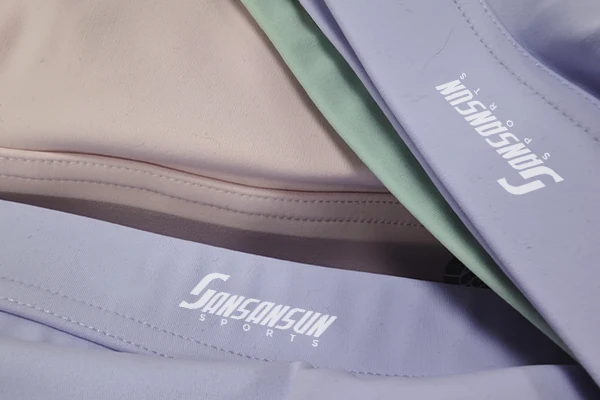
To implement digital printing in your factory, follow a structured process: assess production needs, select suitable digital printing technology (primarily inkjet, which holds 68.12% market share in 2024), invest in equipment, integrate workflow automation, and train staff for optimal operation. Digital printing enables faster turnaround, lower per-unit costs, and supports short-run, customized sportswear production.
Digital printing is transforming sportswear manufacturing, enabling brands to produce short runs, customize designs, and cut lead times. Em nossa experiência, a planned rollout delivers better ROI and ensures technology adoption without costly disruptions.
Step-by-Step Process for Digital Printing Implementation
- Assess batch sizes, customization needs, and substrate compatibility before committing to equipment.
- Select digital printing technology, predominantly inkjet, known for high throughput and precision.
- Make capital investments in equipment despite higher initial costs (about 1.5x of conventional printing per square meter).
- Integrate workflow automation leveraging AI for predictive maintenance and real-time quality control, improving efficiency by up to 30%.
- Conduct comprehensive staff training to ensure optimal operation and maintenance of digital printing systems.
- Consider regulatory compliance and sustainability mandates related to ink formulations and environmental standards.
Market Data and Cost Analysis
| Métrica | Valor | Entendimento |
|---|---|---|
| Digital Printing Market Size (2025 → 2030) | USD 34.34B → USD 48.51B | CAGR 7.16% |
| Inkjet Technology Market Share (2024) | 68.12% | Largest share due to speed and precision |
| Digital Textile Printing CAGR (2024 → 2030) | 9.58% | Strong growth potential in sportswear |
| Asia-Pacific Market Share | 38.56% | North America leads in automation capabilities |
| Equipment Cost vs Conventional Printing | 1.5x per m² | Balanced by lower per-unit costs and faster turnaround |
Perguntas frequentes
What’s the best fabric?
In our experience with digital printing on sportswear, performance fabrics such as recycled polyester blends and moisture-wicking synthetics deliver the best results. They maintain print clarity and color vibrancy over time.
For stretch-heavy designs, we recommend fabrics with high elastane content combined with breathable weaves for comfort and durability.
How long do prints last?
High-quality digital sublimation prints can retain sharpness and color saturation for over 50 wash cycles when applied to compatible polyester fabrics.
Proper care, including washing inside out at low temperatures, extends print life and prevents cracking or fading.
É ecológico?
We implement sustainable printing practices by using water-based inks and minimizing fabric waste through precision cutting.
Many projects also incorporate recycled polyester and biodegradable packaging to lower environmental impact.
Can it handle stretch?
Sim. Digital prints on elastane-rich fabrics are engineered with inks that bond at the fiber level, ensuring designs remain intact during movement.
This makes them ideal for compression wear, roupas de ioga, and team uniforms requiring high flexibility.
Cost comparison?
| Método | Avg. Cost per Unit | Durabilidade | Suitability |
|---|---|---|---|
| Digital Sublimation | $3-$5 | ✅ High | ✅ Polyester-based sportswear |
| Serigrafia | $2-$4 | ⚠️ Medium | ✅ Cotton blends |
| Heat Transfer Vinyl | $4-$6 | ⚠️ Medium-High | ❌ Not ideal for high stretch fabrics |
Conclusão: Modernizing Sportswear Aesthetics
Digital printing is transforming the future of sportswear—combining high-precision graphics, produção rápida, and improved sustainability. With advanced inks, smart automation, and enhanced material compatibility, brands can now achieve bold designs that stay durable through intense performance, while reducing waste and meeting customization demands with ease.
To stay ahead, sportswear brands must embrace efficient digital printing workflows that accelerate product launches, strengthen brand identity, and support eco-friendly production goals.
Ready to upgrade your sportswear line with premium digital printing and smarter manufacturing solutions? Partner with Sansan Esportes to turn innovative designs into high-performance products. Learn more at 👉 https://sansansports.com/