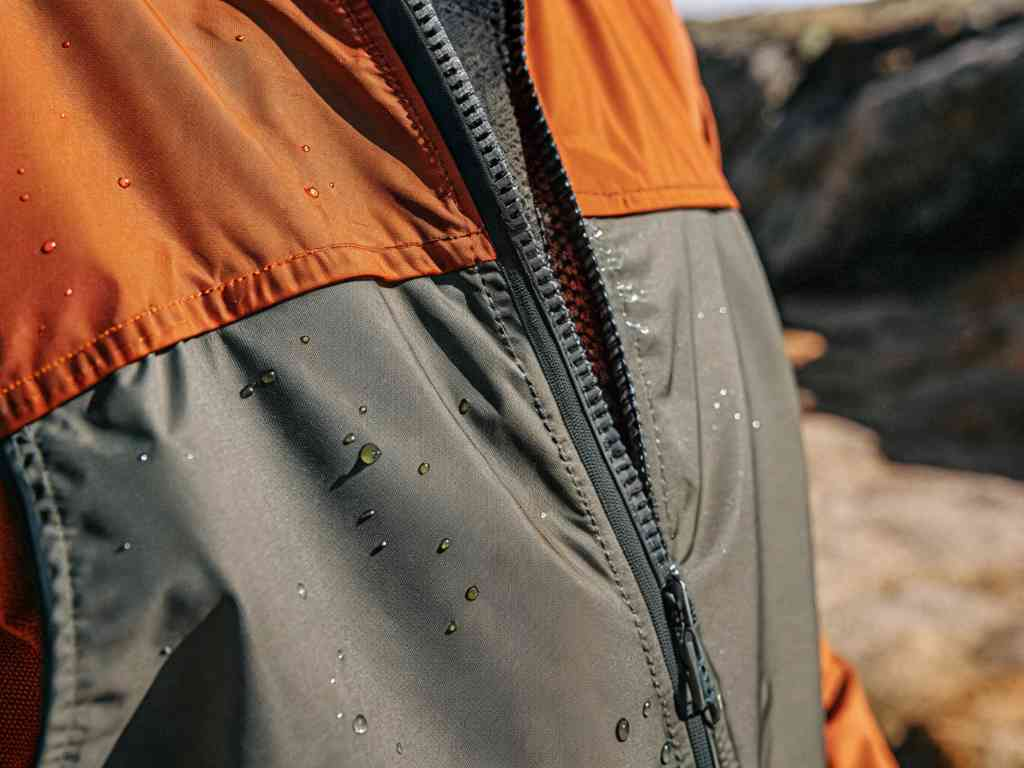
Por que as auditorias de fábrica são importantes no fornecimento de vestuário
As marcas que compram vestuário enfrentam crescente pressão regulatória e expectativas dos consumidores em relação aos direitos trabalhistas, segurança, e práticas ambientais. A falta de sinais de conformidade nas fábricas pode gerar multas dispendiosas, atrasos na produção, e danos duradouros à reputação.
Este guia cobre os principais padrões de conformidade social, como auditar fábricas chinesas de forma eficaz, e estratégias para fornecimento ético, ajudando as equipes de sourcing a fortalecer a supervisão da cadeia de suprimentos, reduzir o risco, e atender às demandas modernas dos compradores nos mercados dos EUA e da UE.
Por que as auditorias de fábrica são importantes no fornecimento de vestuário
As auditorias de fábrica fornecem verificação objetiva da conformidade social, segurança do trabalhador, e padrões ambientais, ajudando marcas de vestuário evitar violações dispendiosas, danos à reputação, e interrupções na cadeia de abastecimento em meio às crescentes demandas regulatórias e dos consumidores.
Em nossa experiência trabalhando com marcas de vestuário, as auditorias de fábrica são uma das ferramentas mais eficazes para proteger as cadeias de fornecimento contra riscos ocultos de conformidade. Eles ajudam a garantir que as decisões de fornecimento estejam alinhadas com os requisitos regulatórios e os compromissos éticos.
Riscos comuns identificados por auditorias de fábrica
Auditorias regulares muitas vezes revelam problemas recorrentes que, se não for resolvido, pode evoluir para graves falhas de conformidade. Esses riscos não estão confinados a uma região ou linha de produtos, tornando o monitoramento proativo essencial.
- ⚠️ Violações salariais e de horário de trabalho são predominantes nas cadeias de fornecimento de vestuário.
- ⚠️ As deficiências de saúde e segurança continuam a ser preocupações fundamentais para a proteção dos trabalhadores.
- ⚠️ Problemas de não conformidade ambiental costumam surgir durante auditorias regulares.
Impacto comercial da não conformidade
| Emitir | Impacto | Ícone |
|---|---|---|
| Multas por violações | Milhões de dólares por incidente | ❌ |
| Lacunas de conformidade relatadas | 9 fora de 10 líderes da cadeia de fornecimento de moda enfrentam desafios | ⚠️ |
| Tempo de resposta à interrupção | Média de 2 semanas afetando os ciclos de estoque e vendas | ❌ |
Além das penalidades financeiras diretas, a não conformidade pode atrasar os prazos de produção e prejudicar o relacionamento com varejistas e consumidores.
Evolução do ambiente regulatório e tendências do setor
Os padrões globais de vestuário continuam a evoluir em direção a uma supervisão mais rigorosa. As expectativas de conformidade agora vão além das inspeções tradicionais de fábrica.
- 🚀 Novos mandatos, como passaportes de produtos digitais, aumentam os riscos de conformidade.
- ⚠️ Leis trabalhistas e ambientais rígidas levam as marcas a programas de auditoria contínua.
- ✅ Crescimento de mercados de vestuário sustentáveis destacam as auditorias como fundamentais para a ética marca.
Perspectivas Críticas sobre Auditorias de Fábrica
Algumas equipes de sourcing tratam erroneamente as auditorias como um exercício de preenchimento de caixas. Na realidade, o valor está no envolvimento contínuo e no acompanhamento.
- 💡 As auditorias não são verificações únicas, mas exigem monitoramento contínuo para garantir uma conformidade duradoura.
- ⚠️ A resistência dos fornecedores à transparência pode limitar a eficácia da auditoria sem forte confiança e tecnologia.
- ✅ Integrar auditorias em uma gestão mais ampla de riscos e no envolvimento dos fornecedores é essencial para a melhoria contínua.
Padrões de conformidade social (por exemplo, ENROLAR, SA8000)
Padrões de conformidade social, como WRAP e SA8000, são estruturas auditáveis por terceiros que certificam organizações’ adesão aos direitos trabalhistas, segurança no trabalho, e práticas éticas. Eles ajudam as marcas a verificar a conformidade com as convenções internacionais de trabalho e direitos humanos nas cadeias de fornecimento globais.
As estruturas de conformidade social desempenham um papel central no fornecimento ético e na produção responsável. Para equipes de sourcing, entendendo seu escopo, métodos de auditoria, e a relevância da indústria é essencial para gerenciando riscos e garantindo a marca integridade.
O que são padrões de conformidade social?
Os padrões de conformidade social são independentes, estruturas auditáveis de terceiros que verificam a adesão de uma empresa aos direitos trabalhistas e à conduta ética nos negócios. Em nossa experiência, as marcas os utilizam para proteger a conformidade nas cadeias de fornecimento globais.
- ✅ Servir como mecanismo de verificação do respeito às convenções internacionais do trabalho e aos direitos humanos.
- ✅ Cobre a proibição do trabalho infantil, prevenção do trabalho forçado, saúde e segurança, anti-discriminação, salários justos.
- ✅ Incluir requisitos do sistema de gestão para apoiar a melhoria contínua.
Principais padrões de conformidade social e suas características
| Padrão | Organismo Certificador | Indústrias Abrangidas | Certificação | Método de auditoria |
|---|---|---|---|---|
| SA8000 | Responsabilidade Social Internacional | Múltiplas indústrias | ✅ Certificação formal | Auditorias externas + entrevistas com trabalhadores |
| ENROLAR | Produção acreditada responsável mundialmente | Vestuário & calçados | ✅ Certificação | Auditorias de fábrica + princípios ambientais |
| BSCI | Ânfora | Multissetorial | ❌ Sem certificação | Estrutura focada em melhoria |
| TRÊS / UMA PERTURBAÇÃO | TRÊS | Tópicos mais amplos de RSE | ❌ Sem certificação | Compartilhamento de dados & plataforma de transparência |
| RBA | Aliança Empresarial Responsável | Indústria eletrônica | ⚠️ Conformidade específica do setor | Escopo de auditoria variado |
Princípios Trabalhistas Fundamentais Cobertos pelas Normas de Conformidade Social
- ✅ Proibição do trabalho infantil com rigorosa verificação de idade.
- ✅ Prevenção do trabalho forçado e escravo.
- ✅ Medidas de saúde e segurança no trabalho.
- ✅ Liberdade de associação e direitos de negociação coletiva.
- ✅ Proteção contra discriminação por características pessoais.
- ✅ Remuneração justa e conformidade com as leis trabalhistas locais.
- ✅ Regulamentação de horários de trabalho razoáveis.
- ✅ Sistemas de gestão para melhoria contínua.
Diferenças entre SA8000, ENROLAR, e Estruturas BSCI
| Aspecto | SA8000 | ENROLAR | BSCI |
|---|---|---|---|
| Certificação | ✅ Certificação rigorosa de terceiros | ✅ Certificação de fábrica | ❌ Sem certificação |
| Rigor de auditoria | Alto – inclui entrevistas com trabalhadores | Alto – conformidade e meio ambiente | Médio – promoção de melhoria |
| Foco na indústria | Todas as indústrias | Vestuário / calçados | Multissetorial |
| Próximas mudanças | SA8000:2026 – auditorias baseadas no desempenho, responsabilidade total da cadeia de valor | Nenhuma grande mudança anunciada | Abordagem de melhoria incremental |
Adoção pelo mercado e uso de padrões de conformidade pela marca
- ✅ SA8000 usado por Disney, Gucci, Timberlândia para verificação abrangente.
- ✅ WRAP adotado por varejistas globais de vestuário/calçados.
- ✅ Os membros da BSCI incluem Aldi, Amazônia, Carrefour.
- ✅ SEDEX/SMETA preferido por Wal-Mart, Pepsi, Nestlé para transparência.
- 💡 Correspondência da indústria: WRAP para produtos costurados, RBA para eletrônica, SA8000/BSCI para multissetorial.
Considerações para equipes de fornecimento da cadeia de suprimentos
- 💡 Padrões de certificação (SA8000, ENROLAR) fornecer auditorias formais; estruturas (BSCI, TRÊS) foco na melhoria flexível.
- ⚠️ SA8000 2026 a atualização se aplicará a subcontratados e trabalhadores domésticos.
- ✅ Indústria de jogos: WRAP para vestuário, RBA para eletrônica, SA8000/BSCI para uso mais amplo.
- ✅ Auditoria ambiental em WRAP, BSCI, TRÊS; pendente em SA8000.
- ⚠️ O rigor da auditoria varia – a SA8000 impõe prazos rígidos para ações corretivas.
Como auditar uma fábrica chinesa: processo & freqüência
As auditorias de fábricas chinesas seguem um processo estruturado de seis etapas no local, duradouro 2 para 5 dias, cobrindo 400 pontos de verificação de qualidade, segurança, ambiente, e trabalho. A frequência da auditoria depende do risco do fornecedor e da criticidade do produto, com auditorias iniciais obrigatórias antes da produção e re-auditorias periódicas com base no desempenho e nas mudanças regulatórias.
Auditar um parceiro de produção na China requer um planejamento completo, uma avaliação estruturada no local, e um plano de acompanhamento claro. Em nossa experiência, esta combinação ajuda as equipes de sourcing a obter dados confiáveis sobre a capacidade do fornecedor, conformidade, e perfil de risco a longo prazo.
O processo de auditoria em seis etapas
Os auditores seguem um fluxo de trabalho claro durante uma visita ao local, garantir que todos os aspectos operacionais e de conformidade sejam revisados sem interromper a produção. As seis etapas principais são:
- 💡 Reunião de abertura com a gestão da fábrica para definição do escopo e expectativas da auditoria.
- ✅ Visita às instalações inspecionando a infraestrutura, linhas de produção, e áreas de armazenamento.
- ✅ Revisão da documentação cobrindo licenças, certificações, folha de pagamento, e registros de treinamento.
- ✅ Amostragem de processos de produção e observação de múltiplas linhas de montagem para consistência de qualidade.
- ⚠️ Entrevistas confidenciais com funcionários para verificar práticas trabalhistas e conformidade.
- 💡 Reunião de encerramento apresentando pontuações preliminares de auditoria e planos de ação corretiva.
Tipos de auditoria e principais componentes da lista de verificação
Diferentes escopos de auditoria abordam diferentes áreas de risco. A maioria dos programas de sourcing usa pelo menos um destes tipos principais:
- ✅ Avaliação Inicial de Fábrica – avalia o perfil básico da fábrica, qualificações do pessoal, e adequação do equipamento.
- ✅ Auditoria Técnica - concentra-se na manutenção de equipamentos, sistemas de qualidade, e controles de produção.
- ⚠️ Auditoria de Conformidade Social – avalia as condições de trabalho, protocolos de segurança, e políticas ambientais.
Os auditores analisam detalhadamente 400-apontar Lista de verificação baseada na ISO 9001 que abrange a qualidade, segurança, ambiente, e trabalho. Os itens críticos nesta lista incluem verificação de licença através de bancos de dados oficiais chineses, medidas de rastreabilidade da produção, e verificações de conformidade de horas extras.
Calendário e frequência das auditorias de fábrica
O momento das auditorias pode influenciar diretamente a gestão de riscos e a qualidade do produto. As melhores práticas recomendam:
- ✅ Realização de auditorias iniciais após a aprovação das ferramentas e antes do início da produção em massa.
- ⚠️ Auditar fornecedores de alto risco pelo menos anualmente ou a cada 6 meses.
- 💡 Auditar parceiros de longo prazo com registros estáveis a cada 2-3 anos ou após mudanças significativas no processo.
- ⚠️ Agendamento de auditorias extras após incidentes ou atualizações regulatórias que impactem os padrões.
Usar um cronograma baseado em risco garante que os recursos se concentrem em fábricas e produtos que necessitam de monitoramento mais próximo.
Preparando-se para uma auditoria bem-sucedida
Uma boa preparação aumenta a eficiência e reduz atrasos no local. As principais etapas incluem:
- 💡 Definir objetivos de auditoria claros e alinhados com os padrões do setor e do cliente.
- ✅ Desenvolvimento de checklists customizados integrando ISO 9001 requisitos e critérios específicos do produto.
- ✅ Coleta de informações pré-auditoria, como fotos da fábrica, organogramas, e referências.
- 🚀 Realização de análises virtuais de documentos e visitas às instalações para detectar riscos iniciais.
- ✅ Garantir a cooperação e transparência da gestão e da equipe da fábrica.
Eleve sua marca de roupas esportivas com fabricação personalizada especializada
Faça parceria com a Sansansun para flexibilidade, produção de roupas esportivas de alta qualidade, alimentada por duas fábricas especializadas e experiência interna em design. Dimensione suas coleções com confiança e retorno rápido, materiais sustentáveis, e soluções personalizadas criadas para expandir sua marca em todo o mundo.
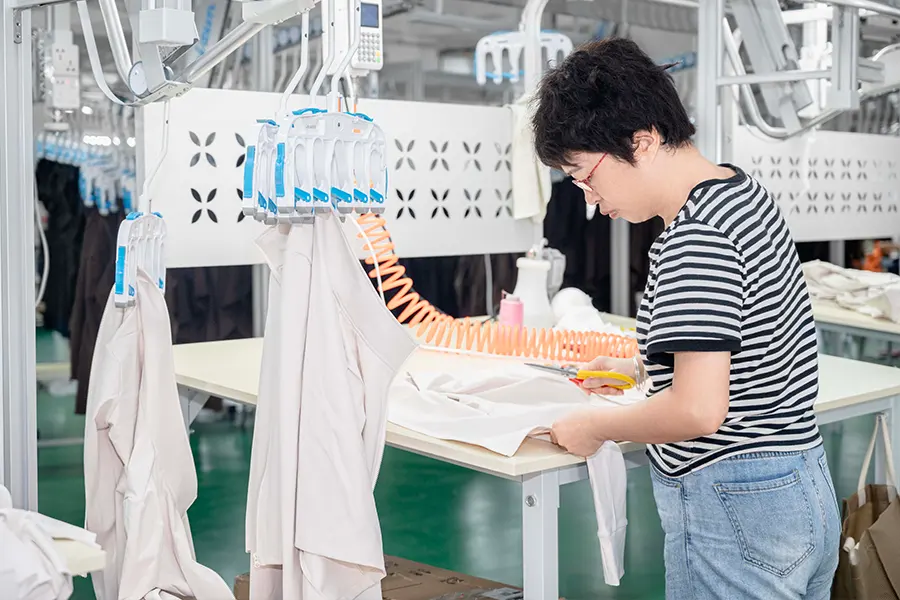
Fornecimento ético: expectativas modernas dos compradores nos EUA/UE
Os compradores modernos nos EUA e na UE consideram o fornecimento ético um padrão básico. Sobre 81% do mandato das equipes de compras fornecedor sustentável práticas, e 90% exigir que os fornecedores demonstrem neutralidade de carbono, impulsionado por regulamentações rigorosas, como a CSRD da UE e as leis da UFLPA dos EUA.
Em nossa experiência, o fornecimento ético passou de uma vantagem competitiva para um padrão não negociável em compras globais. Os compradores agora avaliam os fornecedores não apenas pela qualidade do produto, mas também pelas credenciais de sustentabilidade e pela conformidade com regulamentações internacionais.
Expectativas atuais do comprador
As equipes de compras nos mercados dos EUA e da UE aplicam critérios rigorosos de fornecimento ético antes de contratar fornecedores. Esses padrões são informados por metas de responsabilidade corporativa e pressões externas de conformidade.
- ✅ 81% obrigar a compra apenas de vendedores que sigam práticas sustentáveis
- ✅ 90% exigir prova de neutralidade de carbono dos fornecedores
- 💡 Relatórios transparentes sobre impacto ambiental, condições de trabalho, e a pegada de carbono é esperada
- ✅ Certificações como BSCI, Três, e o comércio justo são frequentemente exigidos
Drivers Regulatórios de Fornecimento Ético
Os quadros jurídicos governamentais e regionais intensificaram as obrigações éticas de fornecimento para as empresas no meio do comércio global.
- ⚠️ O impacto da CSRD e da CSDDD da UE sobre 4,000 Empresas dos EUA, aplicação de divulgações de sustentabilidade e devida diligência na cadeia de fornecimento
- ⚠️ A UFLPA dos EUA proíbe importações relacionadas ao trabalho forçado, pressionando as empresas a verificar as condições de trabalho dos fornecedores
- 💡 Essas regras promovem transparência e responsabilidade, reduzindo riscos de multas, danos à reputação, e exclusão de mercado
Desafios na implementação do fornecimento ético
Apesar dos claros benefícios, alinhar práticas sustentáveis da cadeia de fornecimento com estratégias de negócios continua complexo.
- ⚠️ 57% das empresas lutam para integrar a sustentabilidade nos objetivos principais
- ⚠️ 70% dos funcionários europeus desconhecem políticas de compras sustentáveis — o que evidencia uma lacuna na formação
- 💡 A coordenação de recursos e o envolvimento das partes interessadas é uma barreira significativa para a adoção
Tendências emergentes nas prioridades do comprador
Mudanças nas prioridades de fornecimento sinalizam mudanças de longo prazo na forma como as estratégias de aquisição são projetadas.
- O fornecimento local ganha impulso para mitigar o risco geopolítico e garantir a estrita conformidade trabalhista/ambiental
- Diversidade de fornecedores e modelos de economia circular focam em materiais reciclados e responsabilidade social
- Por 2027, 80% das empresas de TI planejam trabalhar apenas com fornecedores que atendam às metas ESG
Risco de não conformidade & dano à marca
A não conformidade nas auditorias de fábrica e no fornecimento ético expõe as marcas a grandes riscos, incluindo multas regulatórias sobre $100,000 por incidente, recalls de produtos caros, paradas forçadas de produção, e danos duradouros à reputação da marca que podem levar à perda de contratos e acesso ao mercado.
Auditorias de fábrica e verificações de conformidade social são mais do que uma formalidade. Para marcas do setor de roupas esportivas e vestuário de desempenho setor, falhar nessas avaliações traz dificuldades financeiras imediatas e erosão da reputação no longo prazo.
Penalidades Financeiras e Operacionais
Em nossa experiência, agências reguladoras impõem multas severas por violações de segurança e conformidade. Estes não só drenam capital, mas perturbam os cronogramas de produção.
| ⚠️ Incidente | Pena | Impacto |
|---|---|---|
| Violações da OSHA (NÓS) | $100,000+ por incidente | ⚠️ Paradas de produção |
| Falha de conformidade com Ranbaxy | $500 milhão agregar | ❌ Restrições do mercado global |
| Serviços Financeiros Volkswagen (Reino Unido) | £ 5,4 milhões | ⚠️ Perda de confiança pública |
| FTC falso ‘Fabricado nos EUA’ reivindicações (2025) | $15.8 milhão | ❌ A credibilidade da marca foi atingida |
| Recalls de produtos | Milhões em custos | ⚠️ Interrupção operacional |
Recolhimentos de produtos ou paralisações forçadas interrompem cadeias de abastecimento inteiras. Muitas marcas de vestuário enfrentam prazos de entrega perdidos e pedidos de compra cancelados após tais eventos.
Riscos de marca e cadeia de suprimentos
Penalidades regulatórias são apenas o começo. Percepção pública, cobertura da mídia, e a pressão dos ativistas pode prejudicar permanentemente a fidelidade à marca.
- A exposição mediática e o escrutínio dos activistas enfraquecem a confiança do consumidor.
- Perda de contratos ou proibições de mercado após publicidade negativa.
- Auditorias fracassadas devido a registros incompletos ou imprecisos eliminam oportunidades de mercado.
- Violações de fornecedores criam responsabilidades compartilhadas para marcas.
- A transparência e a prontidão contínua para auditoria reduzem os riscos da cadeia de fornecimento a longo prazo.
Marcas ligadas a fornecedores não conformes muitas vezes partilham consequências legais. Manter uma base de fornecedores verificada e ética é essencial para uma presença sustentada no mercado.
Perspectiva Crítica sobre Gestão de Compliance
Compliance é mais do que apenas atender às expectativas legais. Previne quebras operacionais e protege contra a lenta erosão da confiança do consumidor.
- As ações de fiscalização globais estão se acelerando com multas mais severas e mais inspeções.
- Muitas marcas ignoram os riscos associados a fábricas terceirizadas e fornecedores indiretos.
- Estratégias proativas incluem monitoramento contínuo de auditoria, manutenção de registros digitais em tempo real, e supervisão transparente do fornecedor.
- Uma estrutura robusta proporciona adesão regulatória e confiança do cliente no longo prazo.
No setor de roupas esportivas, a adesão ao fornecimento ético também fortalece a narrativa da marca e se alinha às crescentes expectativas dos consumidores em relação à produção responsável.
Selecionando provedores de auditoria & interpretação de relatórios
A seleção de fornecedores de auditoria para conformidade fabril e social exige a avaliação de seus conhecimentos em normas relevantes, reputação de independência, e capacidade de entregar ações acionáveis, relatórios confiáveis que apoiam decisões éticas de fornecimento.
Escolher o fornecedor de auditoria certo é uma etapa crucial para marcas que desejam realizar auditorias rigorosas de fábrica, conformidade social, e padrões de fornecimento ético. As decisões tomadas aqui influenciam tanto o relacionamento com os fornecedores quanto a reputação da marca.
Fatores-chave a serem considerados ao selecionar provedores de auditoria
A seleção do fornecedor de auditoria deve basear-se em experiência mensurável e pontos fortes operacionais claros, em vez de afirmações de marketing. Em nossa experiência, os seguintes pontos de dados ajudam a restringir o campo de forma eficaz.
| Fator | Pontuação / Indicador | Entendimento |
|---|---|---|
| Experiência na indústria | 6.74 / 7 ✅ | Forte conhecimento de regulamentações específicas do setor |
| Conhecimento técnico | 6.50 / 7 ✅ | Habilidades em metodologia e padrões de auditoria |
| Acessibilidade do parceiro | 6.48 / 7 ✅ | Facilidade de comunicação com equipes de auditoria |
| Identificação do problema | 6.68 / 7 🚀 | Capacidade de detectar e resolver não conformidades rapidamente |
| Contato do escritório técnico | 5.78 / 7 💡 | Coordenação suave para execução e acompanhamento |
- Garantir que as propostas sejam detalhadas e transparentes em escopo
- Compare os honorários de auditoria em relação à qualidade do serviço
- Evite fornecedores sem metodologias documentadas
Compreendendo e interpretando relatórios de auditoria
Um relatório de auditoria só tem valor se estiver perfeitamente alinhado com os objetivos e parâmetros de referência acordados. Procure relatórios que apresentem dados de forma objetiva, evitando interpretações que confundem fatos com opiniões.
- Os relatórios devem cobrir todas as áreas de conformidade, garantindo integridade
- As descobertas devem ser acionáveis, fornecendo orientação clara para remediação
- Alinhamento com padrões como ISO, BSCI, ou OEKO-TEX ajuda a validar o escopo
Relatórios acionáveis contribuem diretamente para melhorias na fábrica e fortalecem a garantia da marca em toda a cadeia de fornecimento.
Certificações e experiência de provedores de auditoria
As certificações muitas vezes sinalizam a adesão às melhores práticas reconhecidas e às normas de conformidade globais. Eles também servem como indicadores de confiança ao avaliar fornecedores para avaliações críticas.
- ISO – Sistemas de gestão da qualidade
- BSCI — Iniciativa de Conformidade Social Empresarial
- OEKO-TEX — Normas de segurança têxtil
- AICPA — Garantia profissional em auditoria
- CFE — credencial de examinador de fraude certificado
Além da certificação, revisar métricas como anos na indústria, total de auditorias concluídas, avaliações por pares, e casos de remediação bem-sucedidos. Provedores com forte reconhecimento internacional oferecem auditorias que repercutem em todos os mercados.
Perspectiva Crítica sobre a Seleção de Provedores de Auditoria e Uso de Relatórios
Mesmo fornecedores bem credenciados podem produzir relatórios que agregam pouco valor estratégico se os critérios forem muito genéricos. O foco na relevância e na capacidade de ação torna as auditorias um motor para melhorias genuínas, em vez de uma formalidade de conformidade.
- Auditores-alvo com experiência em auditorias de fábrica e trabalhistas internacionais & padrões ambientais
- Priorize a reputação, independência, e integridade para evitar preconceitos
- Procure fornecedores com garantia de qualidade robusta e avaliações positivas por pares
- Favorecer aqueles com canais de comunicação responsivos para ações pós-auditoria
- Revise criticamente todos os critérios para garantir que eles apoiem mudanças significativas
Lista de verificação do comprador
Uma lista de verificação do comprador para auditorias de fábrica é uma ferramenta abrangente que garante que os fornecedores cumpram, jurídico, e padrões operacionais, cobrindo tudo, desde práticas trabalhistas e saúde & segurança para documentação e conformidade ambiental.
Ao realizar auditorias de fábrica, os compradores precisam de uma abordagem estruturada para verificar se os fornecedores atendem aos requisitos da indústria e regulatórios. Em nossa experiência, uma lista de verificação bem projetada melhora a consistência, transparência, e responsabilidade em todas as cadeias de abastecimento.
Elementos-chave de uma lista de verificação do comprador
As equipes da cadeia de suprimentos devem revisar uma série de aspectos operacionais, social, e fatores ambientais durante auditorias de fábrica. Dividindo isso em claro, categorias acionáveis tornam o processo mais eficaz.
- Documentação do Funcionário: Verifique presença, folha de pagamento para 6–12 meses, contratos de trabalho, registros de horas extras, seguro social, e registros de produção.
- Saúde & Segurança: Verifique as saídas de emergência, ventilação, saneamento, disponibilidade de água potável, uso de EPI, controles de exposição química, e planos de resposta a emergências.
- Conformidade Trabalhista: Confirmar ausência de trabalho infantil, realizar verificação de idade, revisar procedimentos disciplinares e de reclamação, e avaliar políticas anti-discriminação.
- Sistema de Gestão: Procure políticas escritas, registros de ações corretivas, programas de treinamento, presença de Equipes de Performance Social, e mecanismos de reclamação.
- Conformidade Ambiental: Avalie a gestão de resíduos, manuseio de substâncias perigosas, emissões de gases com efeito de estufa, uso de água, e medidas de prevenção da poluição.
- Gestão de Fornecedores: Avalie os processos de verificação de fornecedores, avaliações de risco, Avaliações ESG, e conformidade do corretor de trabalho.
Melhores práticas e descuidos comuns em auditorias
Marcas líderes frequentemente alinham suas listas de verificação de auditoria de fábrica com estruturas como SA8000, BSCI, e ENVOLTÓRIO. Este alinhamento fortalece os esforços de fornecimento ético e reduz os riscos reputacionais.
- Use padrões reconhecidos internacionalmente para orientar auditorias e manter a conformidade global.
- Descuidos comuns incluem verificação inadequada de idade, planos de resposta a emergências incompletos, e mau monitoramento de horas extras.
- Procedimentos de reclamação fracos e sistemas ambientais fragmentados podem minar a responsabilização geral.
- Combine revisões de documentos com entrevistas com funcionários e visitas no local para descobrir problemas ocultos.
- Listas de verificação personalizadas com base no tipo de produto, contexto regional, e necessidades específicas do comprador para maior impacto.
- Atualize regularmente as listas de verificação para acompanhar a evolução das leis e dos padrões do setor.
Lista de verificação do comprador
Decisões sólidas de fornecimento dependem da integração de auditorias rigorosas de fábrica, padrões reconhecidos de conformidade social, e práticas proativas de fornecimento ético em um único, lista de verificação consistente. Alinhando protocolos de auditoria com estruturas como SA8000, ENROLAR, e BSCI, os compradores podem identificar mão de obra, segurança, e lacunas ambientais antes que ameacem a produção ou a credibilidade da marca. Incorporando cronogramas de auditoria baseados em risco, relatórios transparentes, e etapas de remediação acionáveis garantem que os fornecedores atendam às expectativas em ambientes regulatórios dinâmicos.
Usar uma lista de verificação do comprador bem estruturada não apenas reduz os riscos de conformidade, mas também fortalece o relacionamento com os fornecedores e a resiliência do mercado. Priorizar fornecedores de auditoria confiáveis e critérios de relatórios claros mantém a supervisão eficaz e mensurável. As marcas que combinam estes elementos estão melhor posicionadas para evitar disrupções dispendiosas, proteger a reputação, e atender às crescentes demandas dos compradores dos EUA/UE. A parceria com um aliado de sourcing experiente em ética e conformidade pode agilizar esses processos e apoiar metas de crescimento sustentável.