A tecnologia de absorção de umidade tornou-se um padrão fundamental em roupas modernas de desempenho - não apenas para conforto, mas para segurança do atleta, longevidade do produto, e verdadeira vantagem competitiva. Ao compreender a ciência por trás da gestão do suor, selecionando as misturas de fibras certas, e validando o desempenho por meio de testes confiáveis, marcas de roupas esportivas podem oferecer equipamentos que mantêm o corpo seco, estabiliza a temperatura, e melhora cada movimento.
Se você está pronto para elevar sua linha de roupas esportivas com soluções de gerenciamento de umidade de alto desempenho, Sansan Esportes está aqui para ajudar — desde o desenvolvimento avançado de tecidos até a produção escalonável. Explore opções têxteis inovadoras e comece sua próxima inovação hoje 👉 https://sansansports.com/
A ciência por trás da tecnologia de absorção de umidade
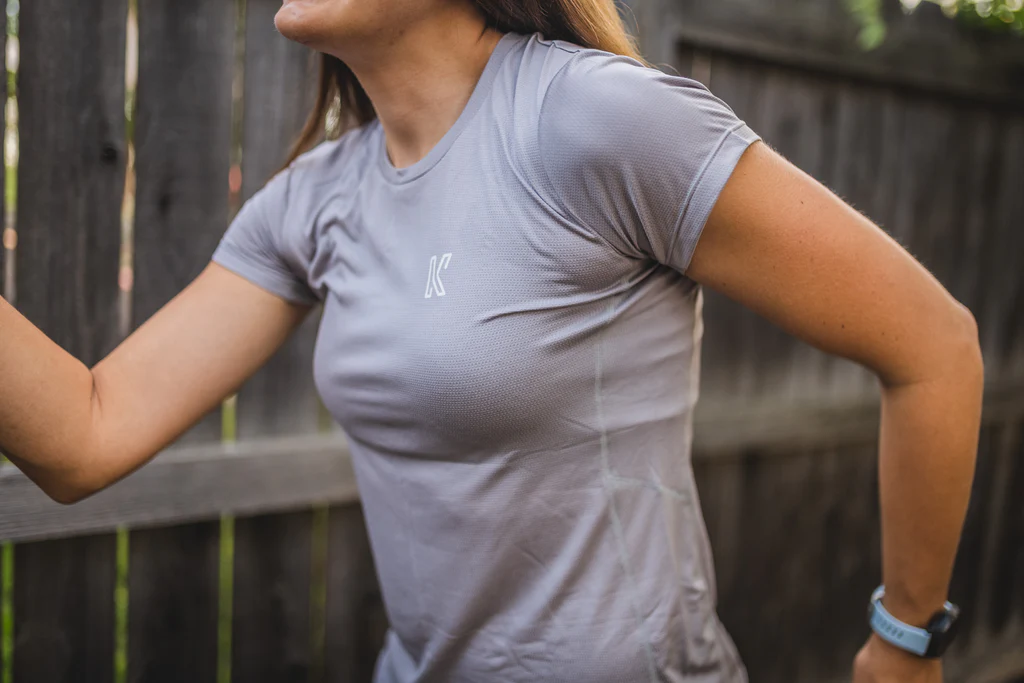
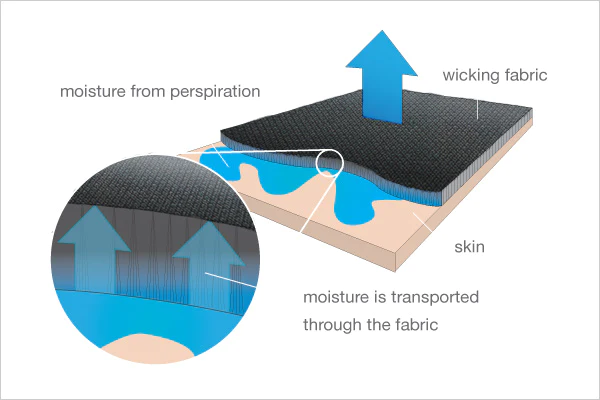
A tecnologia de absorção de umidade aproveita a física da ação capilar, misturas de fibras hidrofílicas/hidrofóbicas, e evaporação rápida para afastar o suor da pele, mantendo os usuários secos e confortáveis.
Os desenvolvedores de roupas esportivas e engenheiros de tecidos contam com tecidos que absorvem a umidade para garantir conforto durante atividades intensas. Esses têxteis usam química de fibra e arquitetura de tecido para controlar o movimento do suor e melhorar a velocidade de evaporação.
Como funciona a absorção de umidade: Tipos de fibra e estrutura de tecido
Em nossa experiência, o gerenciamento eficaz da umidade começa com a mistura certa de fibras. Elementos hidrofílicos puxam o suor, enquanto as camadas hidrofóbicas empurram-no para fora para uma rápida evaporação.
- Fibras hidrofílicas (por exemplo, algodão dentro de núcleos de lã) atrair e absorver o suor.
- Fibras hidrofóbicas (por exemplo, poliéster, exterior de lã) repelir água.
- As combinações de fibras push-pull afastam a umidade da pele de forma eficiente.
- Microporos e geometria de fio projetada aumentam a ação capilar através de pequenos canais.
Esta estrutura projetada garante que o suor saia da pele rapidamente, reduzindo o superaquecimento e o atrito.
Testes e métricas de desempenho para tecidos que absorvem umidade
Fabricantes e fornecedores avaliam tecidos que absorvem a umidade por meio de testes laboratoriais padronizados. Estes revelam quão rápida e eficazmente o suor é transportado e evaporado.
| Tipo de teste | Propósito | Visão de desempenho |
|---|---|---|
| Absorção horizontal | Velocidade de propagação da água (mm/s) | Indica movimento lateral de umidade |
| Absorção transversal | Propagação vertical através de camadas | Mede a capacidade de absorção da fibra |
| Taxa de evaporação | Medição da velocidade de secagem | Liberação de vapor de lã duas vezes mais rápido que o algodão |
Descobrimos que a velocidade de evaporação varia com as misturas de fibras, mas permanece significativamente mais rápida do que o algodão puro em vestuário de desempenho.
Fatores ambientais que afetam a eficácia da absorção de umidade
As condições climáticas influenciam o desempenho dos tecidos. Temperaturas mais altas aceleram a evaporação do suor, enquanto a umidade pode retardá-lo.
- Condições quentes melhoram a velocidade de secagem.
- A alta umidade reduz a eficiência da evaporação.
- O design da roupa deve levar em conta as variações de temperatura e umidade.
- Misturas de fibras balanceadas e geometria de poros mantêm o conforto em climas variados.
Em fabricação de roupas esportivas, a otimização de fatores ambientais garante controle consistente de umidade para atletas em diferentes regiões.
Para marcas que trabalham com Sansan Sports, engenharia de tecidos combina esses insights com um design preciso de roupas para maximizar o desempenho no mundo real.
Tipos de tecidos comuns e misturas usadas
Os tipos e misturas de tecidos mais comuns usados em roupas esportivas que absorvem a umidade são o poliéster, nylon, spandex, bambu, lã, e suas misturas - especialmente algodão-poliéster, lã-nylon, e bambu-poliéster - cada um projetado para equilibrar o gerenciamento de umidade, conforto, durabilidade, e custo.
Em nossa experiência trabalhando com roupas esportivas de desempenho, a escolha do tecido molda significativamente o controle de umidade, respirabilidade, e desgaste a longo prazo. Abaixo detalhamos os tecidos mais utilizados, misturas, e seus dados de desempenho para desenvolvedores e fornecedores de roupas esportivas.
Principais tipos e características de tecido
- Poliéster: Hidrofóbico, seca rapidamente, mais amplamente utilizado para equipamentos de desempenho que absorvem a umidade.
- Nylon: Alta resistência, textura lisa, proporciona absorção consistente sob uso prolongado.
- Spandex (Elastano): Adiciona alongamento, tipicamente 5–10% em misturas para flexibilidade e ajuste de forma.
- Bambu: Macio, antibacteriano, naturalmente respirável; usado sozinho ou misturado para maior conforto.
- Lã: Respirável e absorvente de umidade; a mistura melhora a durabilidade em roupas ativas.
- Algodão: Absorvente e confortável, muitas vezes misturado com produtos sintéticos para melhorar o tempo de secagem e durabilidade.
Cada um desses tecidos desempenha um papel diferente no desempenho do vestuário, desde camisetas ultraleves de poliéster para atletas até camisetas de bambu e algodão para roupas esportivas casuais.
Misturas de tecidos populares e seus efeitos
- 60% Algodão / 40% Poliéster: Equilibra respirabilidade com durabilidade, comum em camisetas de treino.
- 52% Algodão / 43% Viscose / 5% Elastano: Adiciona elasticidade e conforto, otimizado para ioga e desgaste de fitness.
- 50% Lã / 50% Acrílico: Combina calor com cuidado mais fácil, usado em tops de esportes de inverno.
- 55% Linho / 45% Algodão: Leve, respirável, ideal para roupas esportivas de verão.
- 50% Poliéster Reciclado / 50% tencel: Composição sustentável com alta eficiência no gerenciamento de umidade.
💡 Componentes de poliéster melhoram a resistência e resistência a rugas. O algodão aumenta a maciez, mas pode reduzir a durabilidade, enquanto o spandex fornece alongamento, mas diminui o fluxo de ar. A escolha de uma mistura depende da intensidade pretendida, ambiente, e requisitos de longevidade.
Em nossos projetos de fabricação atuais, essas tendências informam diretamente o desenvolvimento de tecidos e as decisões de fornecedores, especialmente para marcas que equilibram alto desempenho com estratégias ecologicamente conscientes.
Benefícios para atletas e fabricantes
Os tecidos que absorvem a umidade proporcionam vantagens mensuráveis de desempenho e conforto para os atletas, como a redução do tempo de secagem. 45 minutos (algodão) tão pouco quanto 8–10 minutos (sintéticos avançados)—enquanto os fabricantes se beneficiam de maior durabilidade do produto, higiene, e a demanda do consumidor por roupas esportivas de alto desempenho.
Os tecidos que absorvem a umidade impactam o mundo atlético e industrial com benefícios técnicos mensuráveis. Eles melhoram o conforto do atleta durante o desempenho, ao mesmo tempo que proporcionam aos fabricantes uma clara vantagem através da inovação de produtos e do posicionamento no mercado..
Benefícios de desempenho para atletas
Em nossa experiência, tecidos sintéticos avançados transformam a experiência atlética, reduzindo o tempo de secagem 45 minutos em algodão para apenas 8–10 minutos. Esta capacidade de secagem rápida mantém os atletas mais leves e confortáveis.
- A baixa retenção de umidade reduz o desconforto durante atividades prolongadas.
- A redução da irritação e atrito da pele proporciona melhor conforto em exercícios de alta intensidade.
- A regulação da temperatura apoia a resistência e minimiza a fadiga.
Vantagens para fabricantes
Para produtores de roupas esportivas, tecidos que absorvem a umidade prolongam a vida útil do produto e melhoram a satisfação do cliente. A sua durabilidade permanece elevada mesmo após repetidos ciclos de lavagem, mantendo os padrões de qualidade da marca.
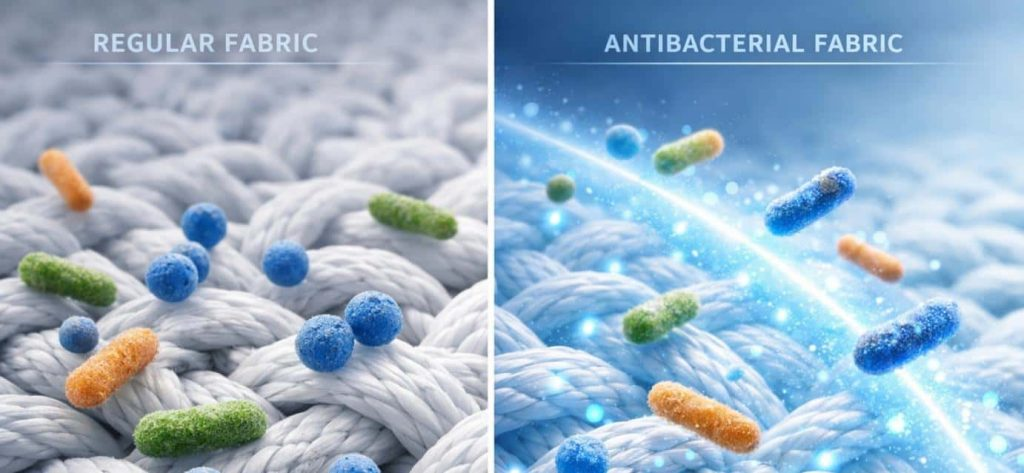
- Os tratamentos antimicrobianos previnem o odor e o crescimento bacteriano para melhorar a higiene.
- A demanda do mercado por roupas esportivas de alto desempenho apoia modelos de preços premium.
- Recursos adicionais, como controle de temperatura e gerenciamento de odores, atraem amplamente, desde atletas profissionais até entusiastas casuais.
Comparação dos principais dados de desempenho
| Métrica | Algodão normal | Sintético Avançado |
|---|---|---|
| Tempo de secagem ⏱ | 45+ min | 8–10 minutos |
| Retenção de umidade | Alto | Baixo |
| Absorção de Água por Peso | 7% | 0.5% |
| Antibacteriano & Controle de Odores | Limitado | Aprimorado |
Comparação: Sintético vs.. Fibras Absorventes Naturais
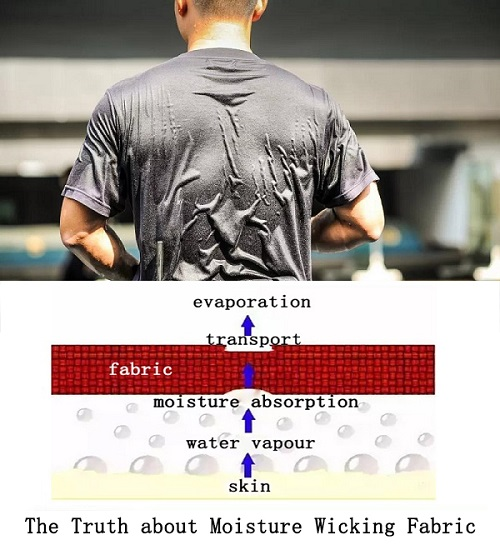
Fibras sintéticas como poliéster e náilon proporcionam transporte de umidade e tempos de secagem mais rápidos em comparação com fibras naturais como algodão ou bambu, que absorvem mais umidade e secam mais lentamente, mas oferecem melhor conforto. A escolha depende das necessidades de desempenho versus prioridades de conforto e sustentabilidade.
Em nossa experiência na fabricação de tecidos que absorvem a umidade para roupas esportivas, as diferenças entre fibras sintéticas e naturais vão além da textura. Eles também afetam o desempenho das roupas sob estresse, quão rápido eles secam, e a sua pegada ambiental.
Comparação de chaves: Propriedades de fibras sintéticas e naturais
| Propriedade | Fibras Sintéticas | Fibras Naturais |
|---|---|---|
| Velocidade de absorção | Modal move a umidade 50% mais rápido que outros; os sintéticos geralmente superam os naturais. | Transporte de umidade mais lento em comparação com produtos sintéticos. |
| Tempo de secagem | O poliéster Coolmax® seca mais rápido que o algodão; baixa retenção de água. | Retenha a água e seque mais devagar, aumentando o desconforto potencial. |
| Absorção de umidade | Poliéster absorve <1% por peso. | Bambu, linho, e sisal absorvem 10%. |
| Retenção de água | Hidrofóbico, baixa retenção. | Retém a umidade por mais tempo. |
| Conforto | Misturas (85–90% sintético + 10–15% algodão) pontuação mais alta em testes de desgaste. | Algodão puro preferido pelo toque, mas menos eficaz no controle de umidade. |
| Resistência Mecânica/Térmica | Maior durabilidade e resistência ao calor. | Menor resistência térmica e mecânica. |
| Impacto Ambiental | Derivado de combustíveis fósseis, baixa biodegradabilidade. | Renovável e biodegradável com menor energia de processamento. |
Sustentabilidade e Inovação em Materiais Wicking
A sustentabilidade e a inovação em materiais absorventes estão avançando rapidamente, com marcas integrando sintéticos reciclados, fibras biodegradáveis, e processos de circuito fechado para reduzir o impacto ambiental e, ao mesmo tempo, melhorar o gerenciamento e o desempenho da umidade. As principais inovações incluem poliéster reciclado, bambu, tencel, fios de casca de ostra, e tecidos inteligentes.
Em nossa experiência de trabalho com marcas globais de roupas esportivas, a mudança para tecidos ecológicos que absorvem a umidade está transformando o desenvolvimento de produtos. Os fabricantes estão equilibrando padrões de alto desempenho com fornecimento e processos sustentáveis, resultando em crescimento mensurável do mercado e novos avanços emocionantes na ciência dos materiais.
Crescimento do mercado e principais métricas
O mercado de materiais absorventes sustentáveis continua a se expandir à medida que aumenta a demanda do consumidor por roupas esportivas ecologicamente corretas. Investimentos em fibras recicladas e biodegradáveis sustentam o crescimento constante das receitas para fornecedores em todo o mundo.
| Métrica | Valor |
|---|---|
| 2024 Tamanho do mercado | $4.16 bilhão |
| Projetado 2032 Tamanho do mercado | $5.09 bilhão |
| CAGR (2024–2032) | 4.1% |
| Taxa de crescimento inicial (2024–2025) | 6.7% |
| Taxa média de crescimento (2025–2029) | 6.4% |
Materiais Inovadores Impulsionando a Sustentabilidade
A inovação de materiais está no centro dos tecidos sustentáveis que absorvem a umidade, permitindo que roupas de desempenho atendam às metas atléticas e ambientais.
- Poliéster reciclado de garrafas PET e redes de pesca descartadas reduz o desperdício nos oceanos.
- Misturas biodegradáveis de cana-de-açúcar/PLA e fibras naturais como bambu e Tencel reduzem a pegada ecológica.
- Tencel usa 50× menos água que o algodão e é totalmente biodegradável.
- Os fios de casca de ostra reciclados oferecem propriedades naturais de desodorização e regulação de temperatura.
Esses materiais estão remodelando as tecnologias de gerenciamento de umidade, proporcionando leveza, tecidos respiráveis alinhados com os princípios da economia circular.
Práticas de Fabricação Sustentável
Além das matérias-primas, os fabricantes estão inovando processos para criar modelos de produção sustentáveis. Em nossos projetos, implementing water and resource efficiency measures has proven critical.
- Elevate Textiles reduced water use by 31.5% and increased recycled water usage by 71% between 2019–2024.
- Achieved 71.9% uptake of sustainable cotton and nearly 9% recycled polyester in 2024.
- Operated 17 zero waste-to-landfill facilities globally.
- Adopted closed-loop systems, zero liquid discharge water treatment, and enzyme-based fiber extraction.
Emerging Trends and Challenges
The future of moisture-wicking fabrics is intertwined with digital and smart technologies, promising deeper integration between apparel and performance tracking.
- Smart textiles with biometric sensors embedded into fabrics for real-time data monitoring.
- Circular economy projects transforming oyster shells and fishing nets into high-performance yarns.
- A expansão destas inovações para a produção em massa continua a ser um desafio devido à competitividade em termos de custos.
- Integrar a sustentabilidade desde a concepção do material até à cadeia de abastecimento final é essencial para um impacto a longo prazo.
Marcas de roupas esportivas que fazem parceria com fabricantes experientes, como Sansan Sports, obter acesso a esses recursos avançados, mantendo a responsabilidade ambiental.
Perguntas frequentes
Como funciona?
Os tecidos que absorvem a umidade são projetados para afastar o suor da pele em direção à camada externa do tecido.
Isso ajuda o suor a evaporar rapidamente, mantendo o usuário seco, legal, e confortável durante a atividade física.
Nossas roupas esportivas integram esses tecidos com técnicas avançadas de tricô para maximizar esse efeito mesmo em condições de alto desempenho.
As misturas de algodão são eficazes?
Misturas de algodão podem oferecer algum controle de umidade, mas o algodão puro tende a reter a umidade em vez de afastá-la.
Misturas que incluem fibras sintéticas como poliéster ou náilon melhoram o desempenho de absorção, mantendo um toque macio.
Para roupas esportivas intensas, recomendamos sintéticos de alto desempenho ou misturas técnicas onde o teor de algodão está abaixo 30%.
É durável?
Tecidos que absorvem a umidade de alta qualidade, especialmente aqueles feitos de poliéster ou náilon, mantêm seu desempenho após lavagens repetidas.
Nosso processo de fabricação inclui testes de abrasão para garantir a durabilidade do tecido sob movimento ativo.
Com os devidos cuidados, as roupas retêm propriedades de absorção por bem mais 100 ciclos de lavagem.
Ele retém odores?
Tecidos sintéticos básicos podem reter odores se não forem tratados com acabamentos antimicrobianos ou resistentes a odores.
Integramos tecnologia antibacteriana em nossos tecidos, reduzindo o crescimento de bactérias que causam odor.
Isso garante frescor mesmo durante uso prolongado em ambientes esportivos de alta intensidade.
Melhores exemplos de tecido?
- ✅ Malha de poliéster projetada – leve e de secagem rápida.
- ✅ Mistura de nylon-elastano – elástico com alto gerenciamento de umidade.
- ✅ Híbrido Bambu-Poliéster — ecológico com propriedades antibacterianas naturais.
- ✅ Poliéster Reciclado — opção sustentável com capacidade total de desempenho.
Em nossa experiência, a seleção dos tecidos depende do tipo de esporte, clima, e sensação de roupa desejada.
Conclusão: Projetando roupas de desempenho da próxima geração
A escolha dos tecidos corretos que absorvem a umidade é a base da próxima geração de roupas de alto desempenho - onde a engenharia avançada de fibras, materiais sustentáveis, e design ergonômico se unem para manter os atletas secos, confortável, e movendo-se livremente. Priorizando a durabilidade, regulação de temperatura, e recuperação de alongamento duradoura, as marcas podem oferecer roupas com desempenho tão alto quanto os atletas que as usam.
Para permanecer competitivo em um mercado em rápida evolução, as marcas de roupas esportivas devem transformar a inovação em tecidos em sucesso comercial por meio de fornecimento estratégico e parceiros de fabricação especializados. E Sansan Esportes, nós ajudamos você a agilizar o desenvolvimento, reduzir riscos técnicos, e trazer roupas esportivas de alto desempenho para o mercado com confiança.
👉 Desbloqueie soluções de tecidos mais inteligentes e eleve sua linha de produtos hoje mesmo: https://sansansports.com/