In yoga athletic wear, and modern activewear, spandex is often treated as a key sign of quality. Many brand owners and buyers believe that higher spandex content means better stretch, better comfort, and better performance. Na realidade, spandex works best when it is balanced correctly with other fibers.
From real factory experience, more spandex does not always mean better results. This article explains how spandex works, why the 20% “golden ratio” is widely used, and what risks appear when fabrics are over-stretched or poorly engineered.
What Is Spandex?
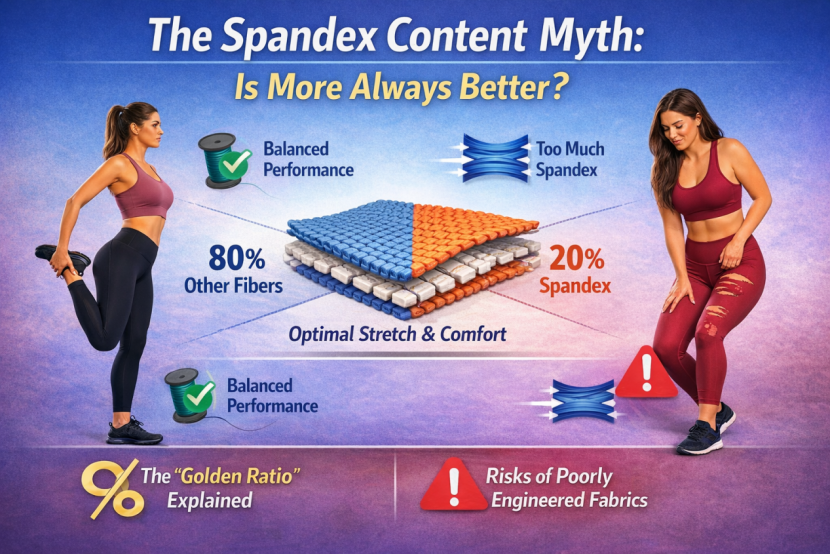
Spandex is a synthetic fiber known for its ability to stretch and return to its original shape. It is usually blended with nylon or polyester in stylish yoga wear and active sportswear brands. Spandex itself is rarely used alone. Instead, it supports the main fabric by adding flexibility and comfort.
Para fabricantes de roupas de ioga, spandex helps garments move with the body. It improves fit, reduces tightness, and supports muscle movement. No entanto, spandex does not provide strength or durability on its own. That is why it must be carefully balanced with other fibers.
Does Spandex Really Shrink?
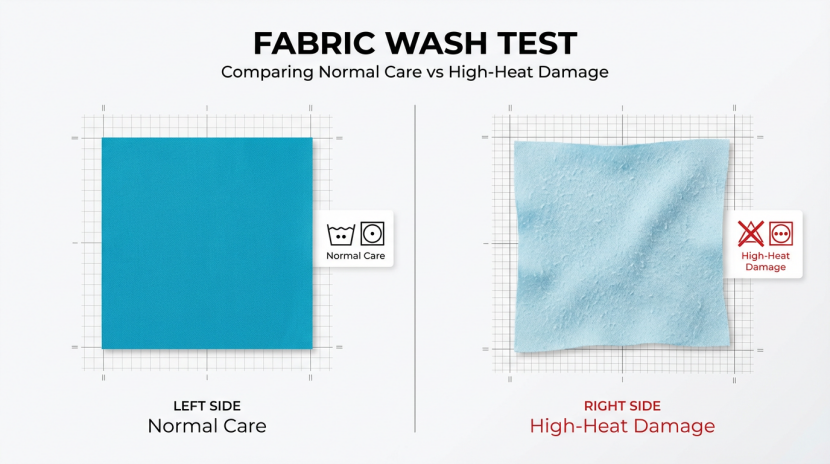
Spandex does not shrink in the traditional way like cotton. What people often call shrinking is actually loss of elasticity. High heat, strong washing chemicals, or poor drying methods can damage spandex fibers. When this happens, the fabric cannot recover well after stretching.
From an activewear manufacturer’s point of view, careful control during dyeing, heat setting, and finishing is very important. In production, we adjust temperature and time to protect elastic fibers. For buyers and consumers, following proper wash care helps maintain fabric performance for a longer time.
Bagging Out Explained: Why Leggings Lose Shape
Bagging out is one of the most common problems in leggings and yoga pants. It appears around the knees, hips, and seat after repeated wear. This usually happens when fabric stretches easily but cannot return fully to its original form.
High spandex content without strong base fibers can increase this risk. The fabric feels soft and stretchy at first, but over time it becomes loose. In yoga athletic wear and male gym clothes, bagging out reduces both appearance and comfort, making the product feel low quality.
Optimal Spandex Percentages by Activity Type
Not all activewear requires the same amount of spandex.Different activities place different demands on stretch, apoiar, and shape recovery. Understanding the right spandex percentage helps brand owners and buyers create garments that feel comfortable, last longer, and perform well during movement.
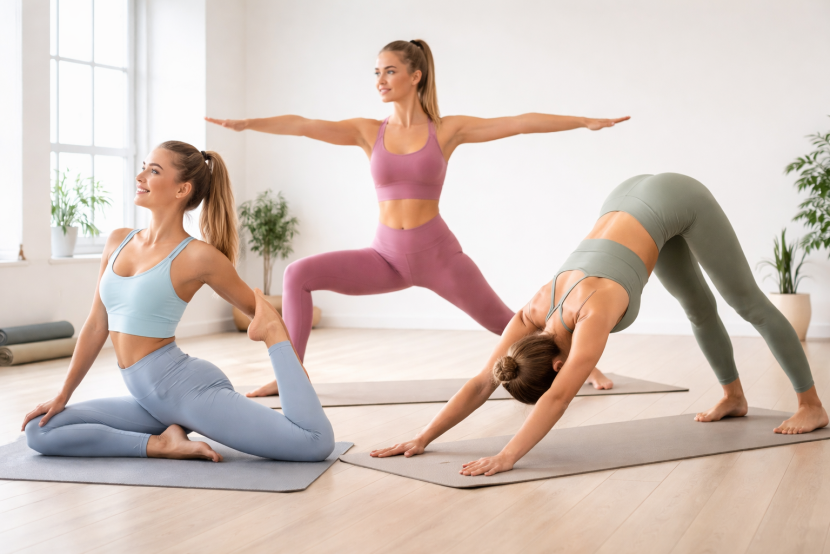
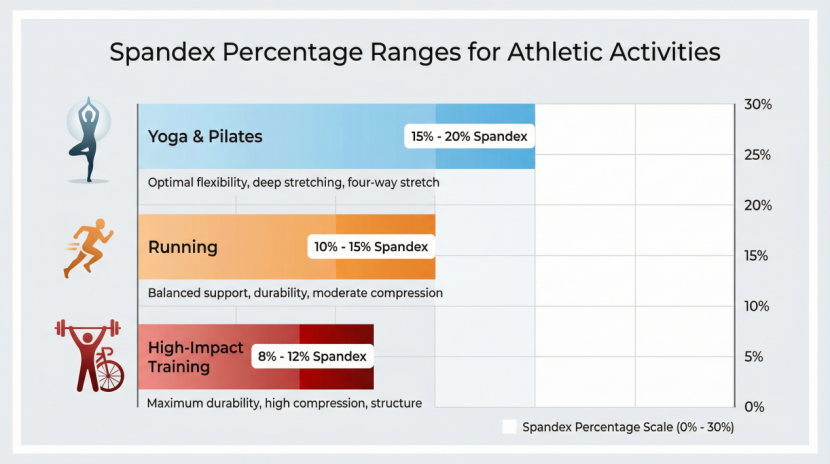
For yoga and pilates, fabrics need high flexibility to allow deep stretches and smooth transitions between poses. A spandex content of 15–20% is usually ideal. This range gives the garment enough elasticity to move with the body while maintaining shape over time.
For running or cardio-focused workouts, garments need a combination of stretch and support. A slightly lower spandex content of 10–15% is preferred. This provides enough flexibility for movement but prioritizes durability and stability.
For high-impact training and weightlifting, support is key. Active sportswear brands often use 10–12% spandex combined with strong base fibers like polyester or nylon. This ensures that male gym clothes and other training apparel maintain their shape and provide proper muscle support without sagging.
By adjusting spandex content according to activity type, yoga wear manufacturers and activewear manufacturers can deliver garments that meet performance needs, enhance comfort, and reduce issues like bagging out.
Fabric Engineering: Balance Over Maximum Stretch
Good fabric performance is not only about spandex percentage. Fabric engineering includes yarn quality, knitting structure, densidade do tecido, and finishing methods. A fabric with moderate spandex and strong nylon can perform better than a fabric with very high spandex and weak structure.
Active sportswear brands that focus on balance achieve better customer feedback. In our production process, we test stretch, recuperação, and durability together to ensure stable results in bulk orders.
Real-World Testing: 15% contra 30% Desempenho
In real testing, fabrics with 15–20% spandex often show stronger recovery after repeated stretching and washing. Fabrics with 30% spandex feel very soft at first but tend to lose shape faster over time. After wear tests, higher spandex fabrics are more likely to show bagging out.
This is why many experienced yoga wear manufacturers avoid extreme spandex levels. Comfort should last throughout the product life, not only during the first wear.
Brand Comparison: Spandex Content Reality Check
When comparing different active sportswear brands, many buyers expect premium products to contain very high spandex percentages. Na realidade, most established brands do not focus on promoting high spandex numbers. Instead, they prioritize fabric performance, ajustar, e durabilidade a longo prazo.
Well-known fitness brands often use moderate spandex levels, usually within the 15–20% range. This allows them to maintain consistent fit across sizes and reduce common problems such as bagging out and uneven stretching.
For yoga wear manufacturers and partners like sansansun sports, guiding brands to choose the right spandex ratio helps create reliable products, reduce returns, and build lasting brand trust.
Consumer Guide: Spotting the Right Blend
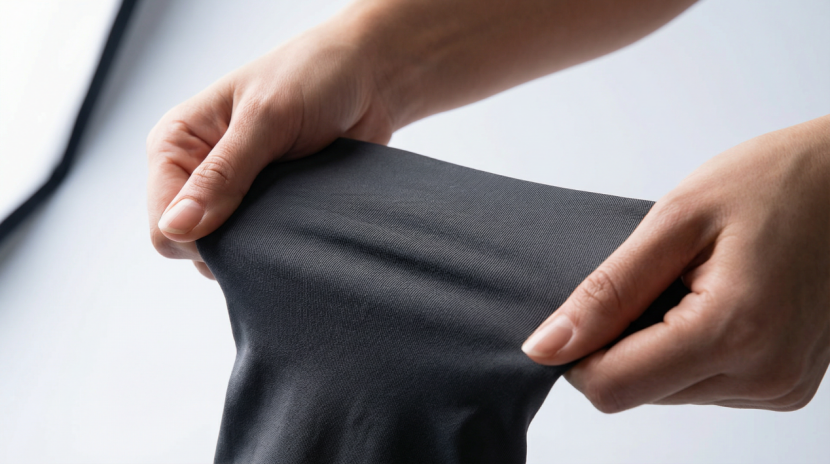
Choosing the right fabric blend is more important than choosing the highest spandex number. A good blend feels supportive, stretches smoothly, and quickly returns to its original shape. This balance helps yoga athletic wear and male gym clothes maintain fit and comfort over time.
When checking fabric, gently stretch and release it. Quality stylish yoga wear recovers fast and feels stable, not loose. Fabric structure and intended activity should always guide the blend choice. Working with experienced activewear manufacturer helps brands test and adjust fabrics before production, reducing quality risks
Perguntas frequentes
Is more spandex always better?
Não. While spandex improves stretch and comfort, too much can cause problems. High spandex fabrics are more likely to overstretch and bag out over time. This reduces durability and makes leggings or yoga pants lose their shape after repeated wear and washing.
What is the best spandex range for yoga wear?
For most yoga athletic wear, 15–20% spandex is ideal. This range provides good stretch for poses and movement, while maintaining long-term shape recovery. It allows the garment to move with the body comfortably without becoming loose after repeated use. Fabrics outside this range may either feel too stiff or stretch too easily, affecting both comfort and durability.
Does spandex quality vary?
Sim. Not all spandex fibers are the same. Higher-grade spandex stretches more evenly, recovers better, and lasts longer. Processing methods during yarn production, tricô, and finishing also affect performance.
Is the same ratio used for male gym clothes?
Not always. Male gym clothes often require slightly less spandex than yoga wear. This is because men’s gym garments need more support and stability, especially for high-impact exercises. Slightly lower spandex ratios, combined with strong base fibers like polyester or nylon, provide better hold and durability without sacrificing comfort.