This guide details the identical segmented polyurethane fiber, reviewing properties like 500-700% elongation, ≥95% elastic recovery per ASTM D2594, and ideal 20-40 denier yarn blends for precise sourcing and robust quality control.
Elastane vs Spandex
В 2026, elastane and spandex refer to the same synthetic fiber, chemically defined as segmented polyurethane, used for stretch in apparel. The distinction is geographic: “спандекс” is common in the US, пока “elastane” is used across Europe, Канада, и Азия.
Both offer identical stretch, восстановление, and durability properties, making the name irrelevant to technical specifications for sourcing professionals.
The Core Identity: Same Fiber, Different Regions
Elastane and spandex name the same synthetic fiber: segmented polyurethane. This material is widely valued for its remarkable elasticity in apparel.
Textile definitions require this fiber to contain at least 85% polyurethane by weight. This ensures consistent stretch properties across various garment types.
The main difference is geographic. “Спандекс” is the common term in the United States. Conversely, “elastane” is prevalent in Europe, Канада, and most of Asia. This regional naming convention does not affect the fiber’s chemical makeup or performance.
Technically, their composition and performance are identical. This means a garment made with “спандекс” in the US is the same as one made with “elastane” in Europe.
For global sourcing, manufacturers like Dongguan Sansansun Sports Co., ООО. understand this distinction. We focus on the material specifications, not just the name, to ensure precise fabric procurement for your custom activewear.
Производительность & Specification
This fiber offers impressive stretch capacity, typically ranging from 500–700% of its original length. Importantly, it also features near-complete recovery, meaning it returns to its initial shape after stretching.
For comfort stretch in everyday apparel blends, a 2–5% concentration is common. In high-compression activewear or specialized athletic garments, the percentage often increases to 15–25% to provide strong support and shaping.
When sourcing, focus on the critical parameters: the fiber’s percentage in the fabric blend and the base fiber (like cotton or polyester). The terms “elastane” или “спандекс” are less important than these technical details.
Lastly, be aware of this fiber’s sensitivities. It can degrade over time when exposed to chlorine or high heat. This impacts care instructions and product longevity, especially for swimwear or high-temperature washing.
What Is the Elastane?
Эластан, also known as spandex, is a synthetic fiber renowned for its exceptional elasticity. It is chemically defined as a segmented polyurethane elastomer and must meet specific regulatory content thresholds, such as ≥85% segmented polyurethane in the EU, to carry the ‘elastane’ label. This fiber is crucial for stretchable textiles like activewear and denim.
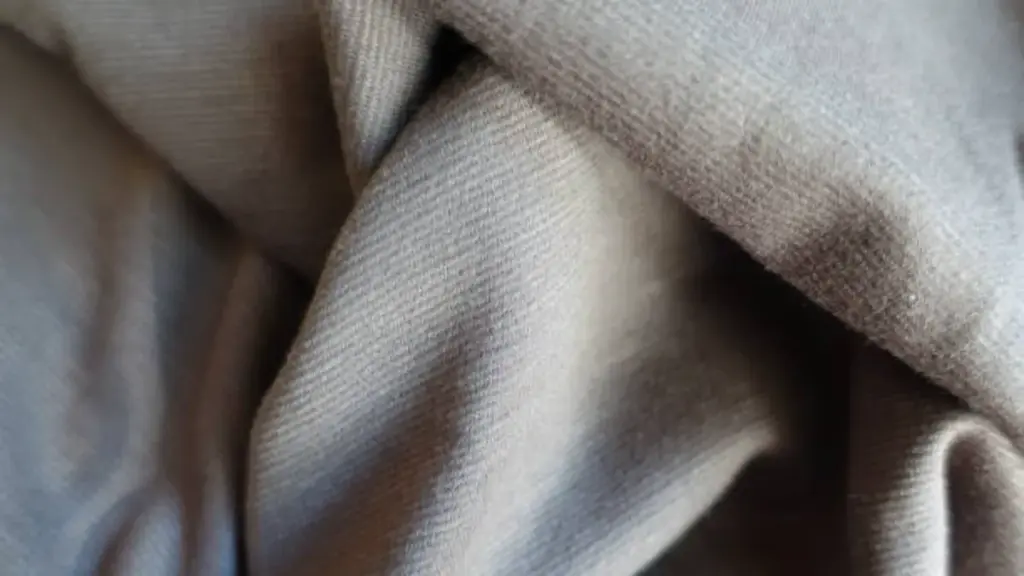
Elastane’s Core Composition and Identity
Эластан, known as spandex in the US, is a critical synthetic fiber for stretchable textiles. Its identity is rooted in precise chemical makeup and specific regulatory definitions globally.
- Химически, elastane is a segmented polyurethane (TPU) elastomer fiber. It is synthesized from macro-glycols and diisocyanates.
- EU regulations require fibers to contain ≥85% by mass of segmented polyurethane to be legally labeled ‘elastane’.
- In the US, the Textile Fiber Products Identification Act designates ‘spandex’ as the generic fiber name for this material.
Key Physical Properties and Performance Benchmarks
Elastane’s unique performance stems from its inherent physical properties. These attributes make it ideal for high-stretch applications, with specific benchmarks ensuring quality and durability.
- Commercial elastane yarns typically have a linear density of 20–40 denier, measured by ISO 1973 or ISO 2060 стандарты.
- The fiber’s density is about 1.2 g/cm³, with a very low moisture regain of approximately 1.3%.
- High-quality elastane demonstrates an elastic recovery rate of ≥95% after 300% cyclic stretch, commonly evaluated using ASTM D2594.
- Its softening point ranges from 175–220°C (347–428°F). A practical ironing limit below 150°C (302°F) is recommended to avoid thermal damage.
Сравнение производительности: Stretch, Восстановление, Долговечность
Elastane and spandex are chemically identical fibers. Performance in stretch, восстановление, and durability comes from fiber specifications like denier, yarn type, and fabric construction, along with blend ratios. Both offer 500-700% elongation and excellent recovery, with specialized variants providing enhanced durability against chlorine and UV.
This section clarifies the true factors behind stretch, восстановление, and durability in fabrics containing these elastic fibers. It moves beyond terminology to focus on the specifications that matter for activewear.
| Особенность | Описание / Impact |
|---|---|
| Fiber Identity | Elastane and spandex are chemically the same polyurethane-based elastomeric fiber. Their names simply reflect regional usage. |
| Raw Fiber Elongation | Both fibers can stretch 500–700% of their original length and fully recover to their initial form. |
| Garment-Level Stretch | Actual stretch in finished apparel ranges from 50–200%, determined by fabric construction, blend, and finishing processes. |
| Recovery Capability | Both fibers consistently demonstrate “excellent” к “superior” восстановление, returning to their original shape after being stretched repeatedly. |
| Долговечность (General) | They resist fatigue, abrasion, body oils, sweat, and common detergents, helping maintain elasticity through regular wear and washing. |
| Долговечность (Специализированный) | Standard versions are vulnerable to chlorine and UV light. Specialized variants like Lycra Xtra Life or elasterell-P offer enhanced environmental resistance. |
Detailed Metrics: Stretch, Восстановление, and Durability Factors
The raw elastane or spandex fiber can stretch an impressive 500–700% of its original length. Crucially, it fully recovers to its initial size after extension. This high elasticity is fundamental to comfort and fit in activewear.
In a finished garment, the actual stretch range is typically 50–200%. This variation comes from how the fiber is integrated into the fabric. Mechanical-stretch fabrics, which achieve elasticity through weave or knit patterns without elastane, usually provide a more modest 10–20% extension.
Both elastane and spandex demonstrate excellent to superior recovery. They consistently return to their original length, even after repeated stretching cycles. This prevents garments from bagging out, ensuring they maintain their shape over time.
These fibers offer high resistance to fatigue, abrasion, body oils, sweat, and common detergents. This means the elasticity is preserved through consistent wear and washing, extending the garment’s lifespan.
While generic elastane and spandex are vulnerable to chlorine and UV radiation, specialized variants address these weaknesses. Brands like Lycra Xtra Life™ or fibers like elasterell-P offer enhanced resistance, making them ideal for swimwear or outdoor activewear. Sansansun works with a variety of these advanced materials to meet specific product requirements for durability and performance.
Design Your Edge: Спортивная одежда премиум-класса, Custom Materials.
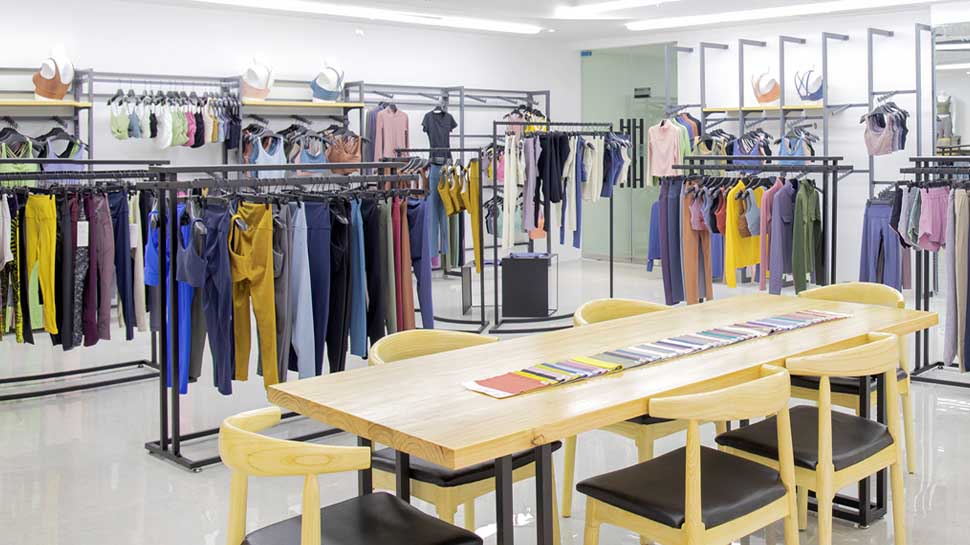
Labeling, Regional Names, and Trade Terms
Globally,
spandexиelastaneare interchangeable terms for the same fiber, but specific regulatory bodies dictate which name appears on apparel labels.US rules permit either, while the EU mandates
elastane. National regulations also outline minimum content thresholds and exemptions for elastic components, influencing how garments are legally labeled.
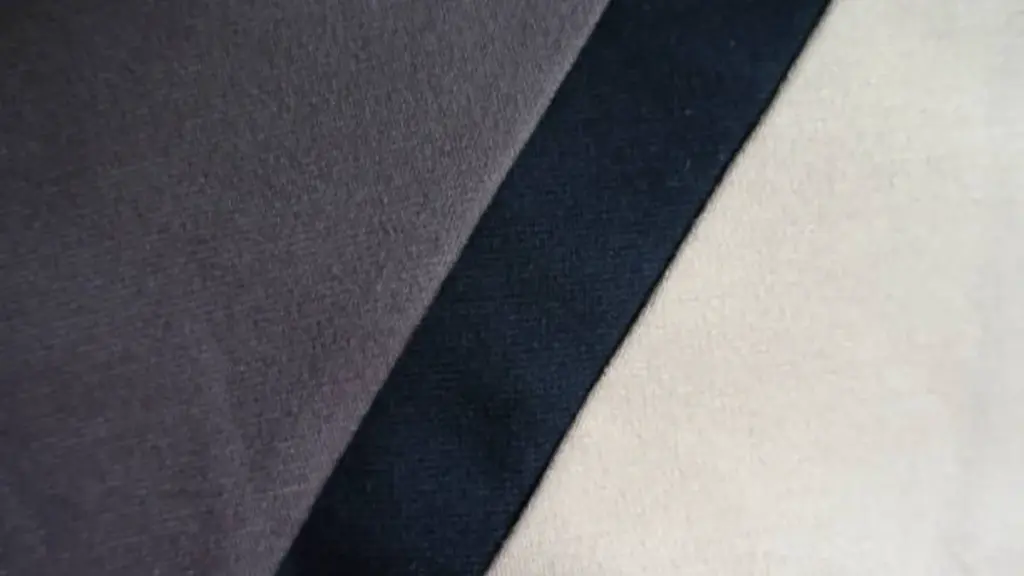
Understanding how to label apparel with elastic fibers like spandex or elastane involves navigating various global regulations. These rules dictate not only the fiber’s generic name but also its content percentage and how trade names can be displayed.
For brands focused on global markets, staying compliant requires precise knowledge of regional textile labeling laws. This ensures your products meet legal requirements and build consumer trust.
Global Naming Conventions: Spandex vs. Эластан
The official generic name for this highly elastic fiber varies depending on the region where the apparel is sold. These variations are driven by specific regulatory bodies and international standards.
- United States: US regulations (FTC) permit either
spandexилиelastaneas generic names on labels, сspandexbeing the more common consumer term. - European Union: The EU Textile Regulation mandates
elastaneas the generic fiber name. It specifically defines this fiber as at least 85% segmented polyurethane by weight. - International Standard: ИСО 2076:2010 establishes
elastaneas the official international generic name for this man-made fiber. - Канада: Canada’s Textile Labelling Act recognizes
spandexas a generic name, thoughelastaneis also widely accepted on labels. - Mexico: NOM‑004‑SE‑2021 requires generic names to align with national NMX standards. Any trade name, such as LYCRA®, must appear alongside the generic name using equal-size characters.
Navigating these specific regional terms is crucial for accurate labeling and market entry. A knowledgeable manufacturing partner helps ensure compliance.
Content Thresholds and Trade Name Guidelines
Beyond the fiber’s generic name, regulations also specify how much of the fiber must be present to be listed. There are also specific rules for branded components and trademarks.
- US FTC Rules (Fiber Content): Fibers at 5% or more by weight must be listed. If a fiber is less than 5% but provides a significant function (например, ‘4% spandex’ for stretch), it can still be named.
- Allowed Deviation: A ±3 percentage point deviation is typically allowed between labeled and actual fiber content in the US. Larger deviations may indicate mislabeling.
- Elastic Component Omission: Elastic material not exceeding 20% of a product’s surface area can be omitted from the fiber breakdown. In this case, the label should state ‘exclusive of elastic’.
- Canada’s Elastic Yarn Rule: Elastic yarn under 5% of the total fiber mass can be listed by its generic name, as ‘other fibre’, or omitted with the phrase ‘exclusive of elastic’ if other fibers total 100%.
- Trademark Usage (например, ЛАЙКРА®): When using a trademark like LYCRA® on US labels, the generic name (например,
spandex) must appear with it the first time it is mentioned (например, ‘LYCRA® spandex’). - LYCRA® Hangtag Programs: For garments to qualify for LYCRA® fiber hangtag programs, they must contain at least 50% stretch fabrics, and all spandex/elastane components must use approved LYCRA® fibers.
These detailed requirements highlight the need for careful material sourcing and labeling practices. Partnering with an experienced manufacturer like Dongguan Sansansun Sports Co., ООО. ensures your custom activewear aligns with all relevant labeling regulations.
How Blend Ratios Change Fabric Behavior
Fabric behavior is precisely tuned by adjusting elastane blend ratios. Low percentages (3–5%) provide comfort stretch for casual wear, while moderate levels (5–10%) offer everyday flexibility. Higher concentrations (15–25%) deliver targeted compression and strong recovery essential for specialized activewear and swimwear.
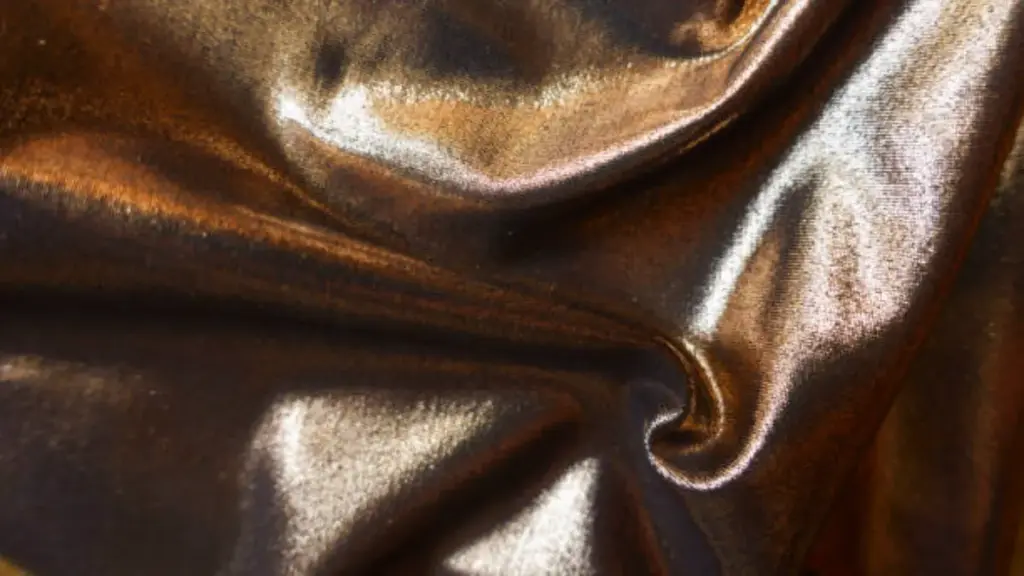
Elastane Content and Fabric Stretch Characteristics
Understanding how elastane influences fabric characteristics is key for creating performance apparel. Even small quantities dramatically alter a fabric’s behavior.
- Small additions of elastane, typically 2–10% of total fabric weight, significantly change fabric mechanics.
- Fabrics rarely exceed 30% elastane content because above this, handle and durability become problematic.
- Individual elastane filaments can elongate 500–800% of their original length.
- Blend ratio directly controls stretch percentage, modulus, восстановление, and perceived compression.
Optimal Blends for Specific Garment Applications
Different garment types need specific levels of stretch and support. The elastane content is tailored to meet these unique performance demands.
- Casual wear and streetwear tops use 3–5% elastane for light comfort stretch and improved crease recovery.
- Everyday items like jeans, футболки, or basic leggings often feature 5–10% elastane for moderate stretch and shape retention.
- General activewear requires 8–15% elastane for substantial four-way stretch and recovery, often in polyester or nylon blends.
- Компрессионное белье, купальники, and high-performance gear utilize 15–25% elastane for maximum stretch, high recovery, and muscular support.
- Common blend archetypes include cotton–spandex (5–10% spandex), polyester–spandex (10–20% spandex), and nylon–spandex (10–20% spandex).
For brands developing specialized activewear, like those produced by Sansansun, precise blend ratios are fundamental. These ratios ensure each garment delivers its intended performance and comfort.
Quality Control: Testing Stretch & Восстановление
Quality control for stretch and recovery in elastane fabrics relies on specific mechanical tests, like ASTM D2594 and ISO 20932. These standards assess properties such as elongation, fabric growth, and recovery percentages, ensuring material performance.
Strict conditioning under ISO 139 (20 ± 2 °C and 65 ± 4 % RH) maintains test accuracy by controlling environmental factors influencing fiber behavior in 2026.
Ensuring fabrics perform as expected is vital for activewear and athleisure products. Stretch and recovery testing guarantees that materials maintain their shape and elasticity over time and use. This process involves precise measurements and adherence to global standards.
Key Standards for Stretch & Recovery Testing
| Standard | Applies To | Key Property Assessed | Typical Extension | Conditioning Standard |
|---|---|---|---|---|
| АСТМ Д2594 | Knitted Fabrics | Stretch, Рост, Восстановление | 50% | ИСО 139 |
| ASTM D3107 | Woven Fabrics | Stretch, Рост, Восстановление | Варьируется | ИСО 139 |
| ИСО 20932 | Various Fabric Types | Fabric Elasticity (Strip & Grab) | Варьируется | ИСО 139 |
Fundamentals of Stretch and Recovery Testing
Evaluating fabric elasticity involves precise mechanical tests. These define how much a fabric specimen is extended, for how long it is held, and when recovery measurements are taken.
- Mechanical test standards define how much a fabric specimen is extended, for how long it is held, and when recovery is measured.
- This testing is crucial for ensuring fabric performance in activewear, корректирующее белье, and other stretch-dependent garments in 2026.
- Tests quantify properties such as elongation percentage, fabric growth (permanent set), and recovery percentage at defined time points.
Key Industry Standards and Test Parameters
Industry standards provide clear methodologies for consistent and accurate stretch and recovery assessments. Environmental controls during testing are just as important as the test itself.
- ASTM D2594 governs stretch properties for knitted fabrics, often using a 50% extension, while ASTM D3107 applies to woven fabrics.
- ИСО 20932 parts 1-3 provide international standards for determining fabric elasticity using strip and grab methods.
- Standard test atmospheres, per ISO 139 (20 ± 2 °C and 65 ± 4 % RH), are essential for comparable results.
- The linear density of elastane fibers (ИСО 1973) directly influences fabric stretch power and recovery behavior in 2026.
В Сансансан Спортс, we integrate these rigorous testing protocols into our quality control process. We ensure that all activewear and yoga wear fabrics meet the highest standards for elasticity and durability, delivering consistent performance for our client brands.
Buying Tip: Spec Language for Contracts
Precise contract language for elastane/spandex ensures consistent quality and compliance. Use ‘elastane (спандекс)’ with chemical specifications like ‘polyether–polyurea copolymer’ and align with ISO/FTC rules.
Clearly define performance metrics such as 400-600% elongation, 20-50 g/denier tenacity, specific blend ratios (например, 2-20% для спортивной одежды), and processing temperatures below 85°C. Также, include explicit requirements for stretch, восстановление, и долговечность.
Creating clear, detailed contract specifications for elastane and spandex is crucial. This ensures your activewear products consistently meet quality standards and comply with global regulations.
Vague terms can lead to inconsistencies in material quality and performance, affecting your brand’s reputation.
Defining Fiber Terminology for Contract Clarity
Standardizing fiber naming in contracts helps avoid confusion and ensures compliance worldwide. Precise terminology protects your brand and product integrity.
- Always use “elastane (спандекс)” or “elastane (also known as spandex)” for contractual documents. This aligns with both FTC and ISO textile terminology.
- Specify the fiber type chemically. Use “polyether–polyurea elastane copolymer” for accurate technical descriptions.
- A strong contractual phrase for future products could be: “fiber: elastane (спандекс), polyether‑polyurea copolymer, labeled per ISO and FTC textile rules.”
Quantifying Performance and Blend Specifications
Beyond naming, defining the mechanical properties and blend ratios is vital. These details ensure consistent performance and quality control for your activewear products.
- Elastane fibers should have an elongation of 400–600% (4–6× original length) and full recovery. This ensures fabric stretch and shape retention.
- Specify spandex yarn tenacity between 20–50 g/denier. Covered-yarn tensile strength should be around 3000–4000 psi.
- Detail blend ratios for specific garments: 2–20% elastane for sportswear, 15–25% for swimwear, and over 40% for lingerie or hosiery.
- Set thermal processing limits for conventional spandex at or below 85 °С (185 °F). High heat can degrade the fiber.
- Include clear requirements for stretch, восстановление, долговечность, and shape retention as essential inspection points.
- If specific heat-set performance is needed, consider integrating branded technologies like LYCRA® EASY SET. This might mean requiring 15–20% reduced heat exposure during processing.
Working with an experienced manufacturer like Sansansun ensures these precise specifications are met. Our expertise in activewear production guarantees material quality and compliance for your brand.
Beyond the Name: Smart Sourcing for Elastane
Elastane and spandex are interchangeable names for the same fiber. True sourcing success comes from defining precise technical specifications, blend ratios, and robust quality control tests. This prevents quality issues and ensures garments deliver expected stretch and recovery.
Accurate contract language and validated material specifications protect your brand from costly variations. It guarantees long-term product performance and consistent customer satisfaction.
Часто задаваемые вопросы
Are elastane and spandex identical?
Да, elastane and spandex refer to the same synthetic fiber, a segmented polyurethane elastomer.
‘Spandex’ is the generic name used in the United States, while ‘elastane’ is the internationally recognized generic name (EU/ISO).
What is Lycra relative to elastane?
Lycra is a registered brand name by DuPont (now Invista) for its specific type of spandex or elastane fiber.
Химически, it is indistinguishable from other generic elastane fibers, but it represents a premium brand within the elastane category.
How much elastane is typically used in sportswear?
For performance sportswear and activewear, knit fabrics often incorporate 10–25% elastane, as seen in leggings and compression garments.
Casual stretch woven fabrics, such as those for pants or denim, commonly use a lower percentage, ranging from 2–8% elastane.
Does elastane degrade from sweat or heat?
Standard-grade elastane resists body oils and sweat effectively.
Однако, it can degrade under prolonged exposure to high heat, chlorine, and aggressive chemicals used in washing or drying. These conditions accelerate the loss of stretch and can cause yellowing over time.
How are stretch and recovery properties tested?
Textile professionals evaluate stretch and recovery using standard methods such as ASTM D2594 / D3107 for knitted fabric growth and recovery, or ISO 20932-1 for elasticity and recovery in both woven and knitted fabrics. For elastane filament yarns, ИСО 137 measures extension at break.
Elastane can typically stretch up to 700% of its original length and then recover, showcasing its superior elastic performance.