In active wear, seam choice affects comfort, durability, and product value. Many new activewear brands think flatlock is always better, but this is not true. Different garment zones need different stitching methods. Understanding overlock and flatlock helps sportswear brands and clothing manufacturers create better products with the right balance of strength and comfort. In this article, we’ll break down the differences, explore garment zones, and explain how factories like Sansan Sports select the best stitching method for each part of a top sportswear piece.
Overlock Seams: Strength for Low-Stretch Zones
Overlock seams are the workhorses of garment manufacturing. They use multiple threads to join fabric edges and prevent fraying. This makes them ideal for low-stretch zones such as waistbands, pockets, or structural panels in sports clothing. Overlock stitching is fast, cost-effective, and strong, which is why many activewear brands rely on it for areas that don’t need high flexibility.

Flatlock Seams: Comfort for High-Movement Areas
Flatlock seams are designed to lie flat against the skin. They reduce bulk and prevent chafing, making them perfect for high-movement areas like underarms, side panels, and knees. For activewear yoga leggings or activewear tops, flatlock stitching increases comfort during stretching and dynamic workouts. While slightly slower to produce, the result is premium quality sports clothing that customers love.

Garment Zone Analysis: Waistband vs Leg Panels
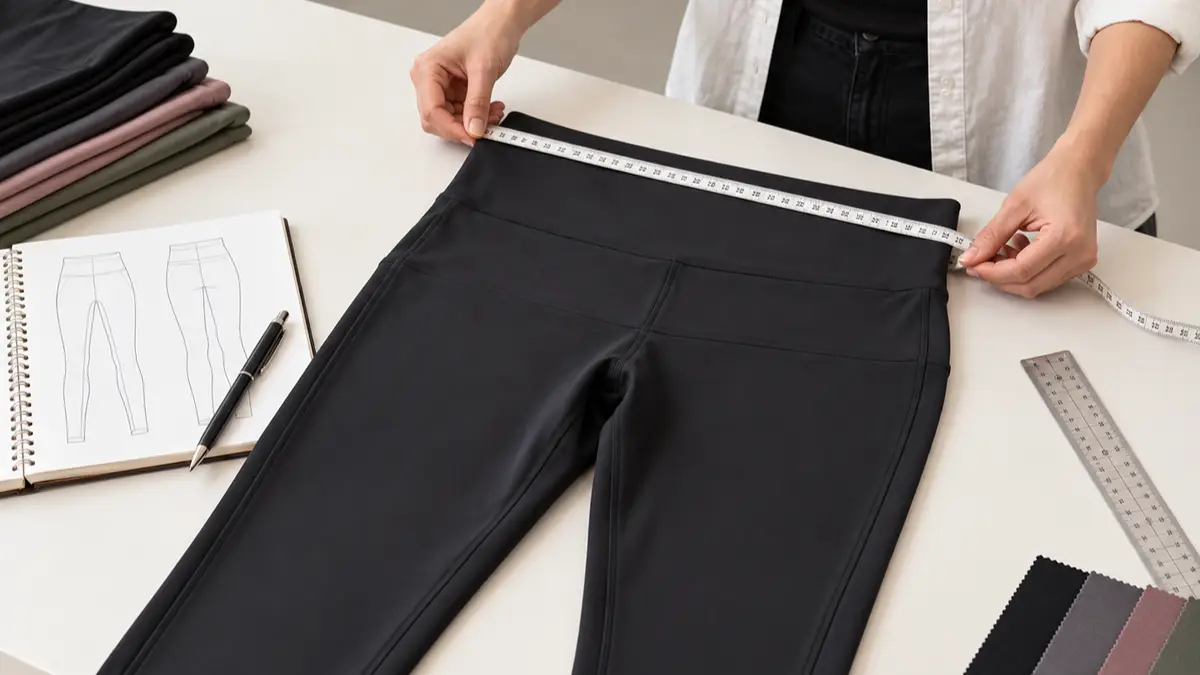
Not all parts of a garment need the same seam type. Waistbands and cuffs usually benefit from overlock stitching due to their structural role, while leg panels, side seams, and sleeve areas perform better with flatlock seams to accommodate stretch and reduce friction. Understanding these zones helps activewear brands optimize comfort and durability in their collections
Friction Mapping: Where Chafing Actually Occurs
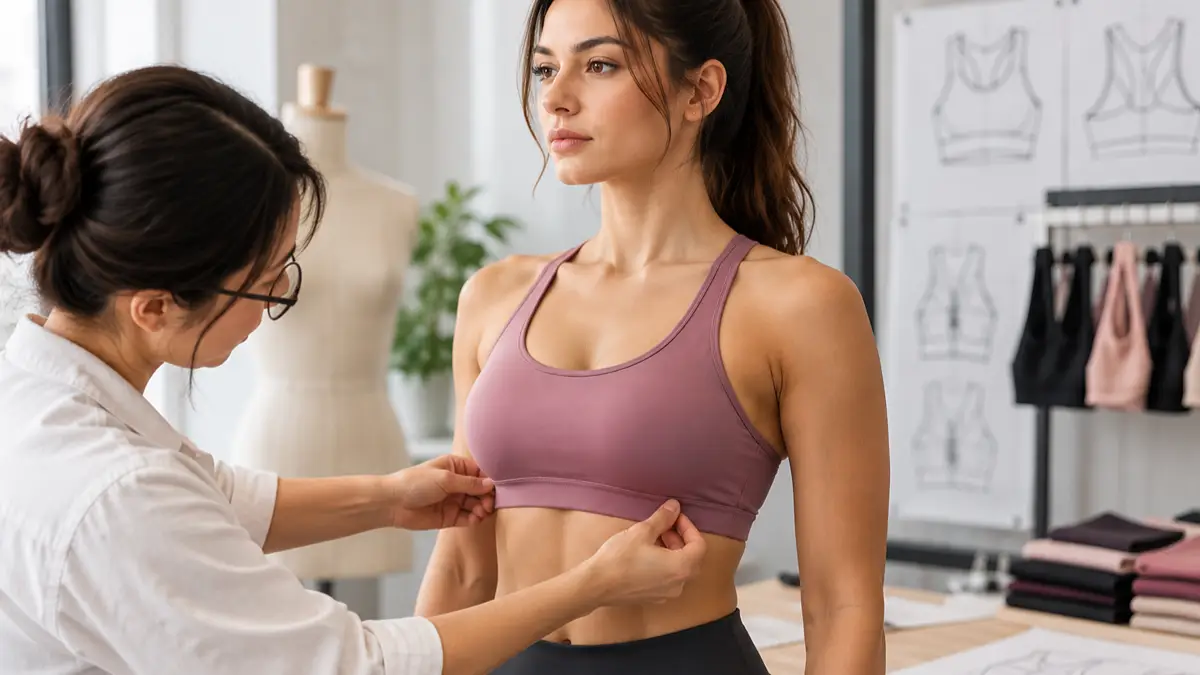
Chafing is a common complaint among athletes and yoga practitioners. High-friction areas like inner thighs, underarms, and around the bra line require flatlock seams or hybrid stitching. Low-friction zones, such as the outer leg or back panels, can use overlock seams without discomfort. Mapping friction points is essential for sportswear brands and clothing manufacturers aiming to produce top sportswear that users enjoy wearing.

Why Seam Quality Matters in Garment Manufacturing
Seam quality directly impacts garment longevity, fit, and wearer satisfaction. Weak or uneven seams can lead to tearing, loose threads, and poor fit. For activewear brands aiming for repeat customers, investing in high-quality seam construction is non-negotiable. Overlock and flatlock stitching each offer unique benefits that factories like Sansan Sports use to maintain consistent quality across collections.
Flatlock vs Overlock in Garment Factories
Manufacturers evaluate several factors when choosing seam types: fabric stretch, garment zone, production speed, and end-use. Sportswear brands collaborating with factories often rely on the expertise of clothing manufacturers to determine whether overlock or flatlock provides the right balance of strength and comfort. This ensures garments meet performance expectations while staying cost-effective.

Hybrid Construction: Best Seam for Each Zone
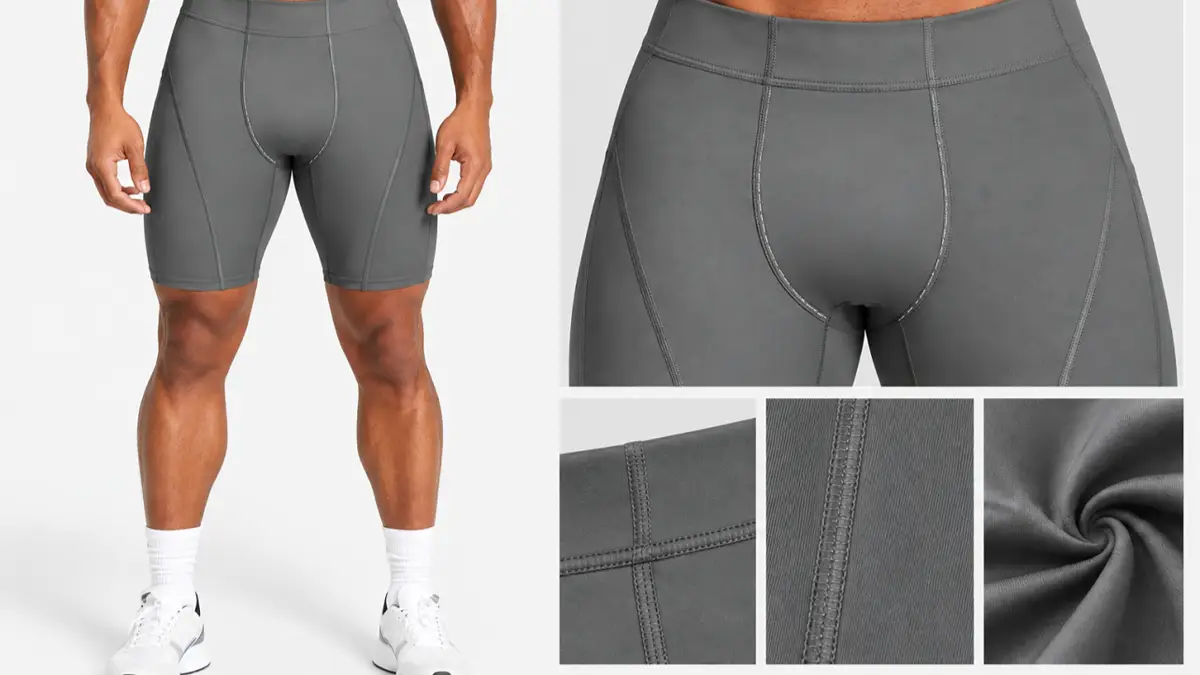
Many top sportswear garments combine overlock and flatlock seams. For example, activewear yoga leggings might have overlock stitching at the waistband and flatlock seams along the inner legs. Hybrid construction ensures durability, comfort, and a premium look without unnecessary production costs. Clothing manufacturers like Sansan Sports often create sample garments with hybrid stitching to test comfort and flexibility before full production.
The Role of Flatlock & Overlock in Modern Apparel Manufacturing

In modern apparel manufacturing, flatlock and overlock seams each serve a clear purpose. Overlock delivers structural integrity, while flatlock provides comfort and reduces chafing. Understanding these functions allows activewear brands and clothing manufacturers to design garments that meet both performance and aesthetic expectations. A thoughtful seam strategy can elevate any activewear yoga collection.
Frequently Asked Questions
Q1: Can I use flatlock seams everywhere in activewear?
No. Flatlock is best for high-stretch, high-friction zones. Using it in low-stretch areas can be inefficient and may reduce structural strength.
Q2: Are overlock seams comfortable for yoga wear?
Yes, in low-friction zones like waistbands and back panels. But for areas that touch the skin during movement, flatlock is preferred.
Q3: How do factories like Sansan Sports decide seam types?
They evaluate fabric type, garment zone, movement patterns, and end-user comfort. Hybrid construction is often used for optimal performance.
Q4: Does seam type affect garment longevity?
Absolutely. High-quality overlock and flatlock seams prevent tearing, maintain shape, and extend the life of activewear and sportswear garments.
Conclusion

Not every seam needs to be flatlock. Overlock is best for strength in low-stretch zones, while flatlock is ideal for comfort in high-movement areas. The key is using each stitch where it performs best.
If you’re building an activewear yoga line, the right seam choice can improve both quality and comfort. Work with experienced clothing manufacturers like Sansan Sports to develop smart stitching solutions for your collection. Contact us to start your next project with the right foundation.