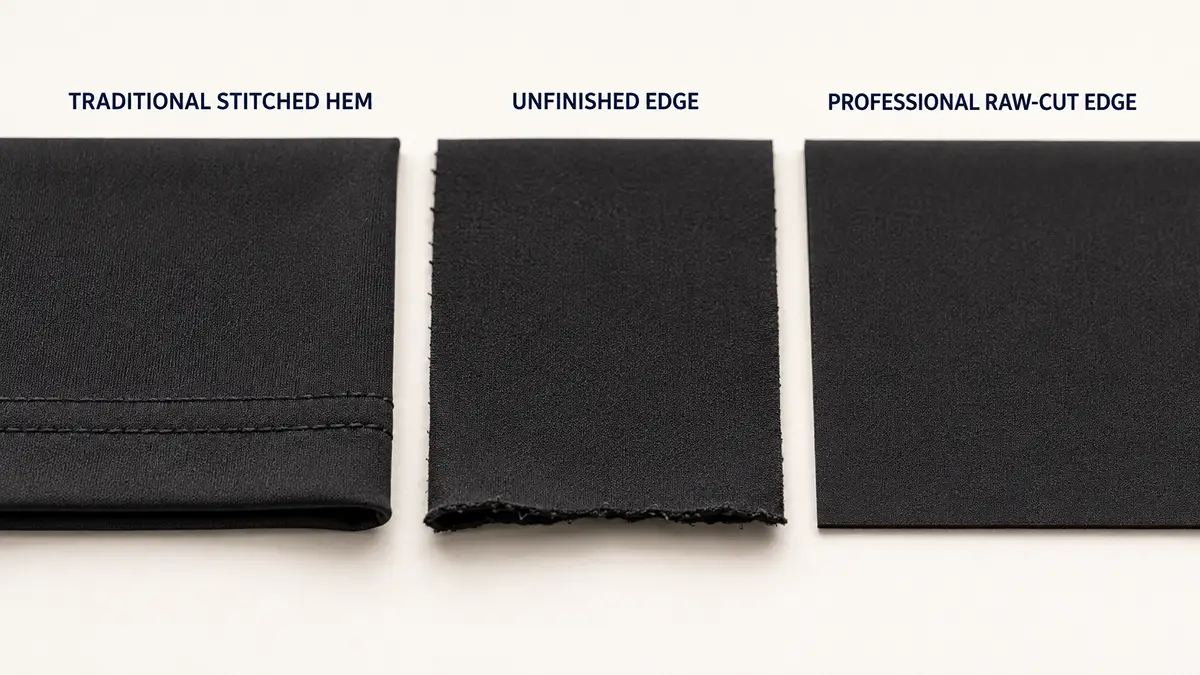
Modern activewear collections look cleaner and more refined than ever. Smooth edges, minimal seams, and a streamlined silhouette have become key design features for brands developing premium performance apparel.
Behind that sleek appearance is a more advanced production method. Laser cutting and thermal bonding make no-sew construction possible, allowing garments to feel lighter, look cleaner, and reduce the bulk created by traditional stitching. For brands developing new products, understanding how these technologies work can lead to better design choices and more reliable manufacturing decisions.
At Sansan Sports, we support activewear brands from concept development to bulk production. In this guide, we explain how laser cut and thermal bonding technology works, where it performs best, what technical issues to watch for, and how to evaluate whether no-sew construction is right for your product line.
What No-Sew Construction Means in Modern Activewear
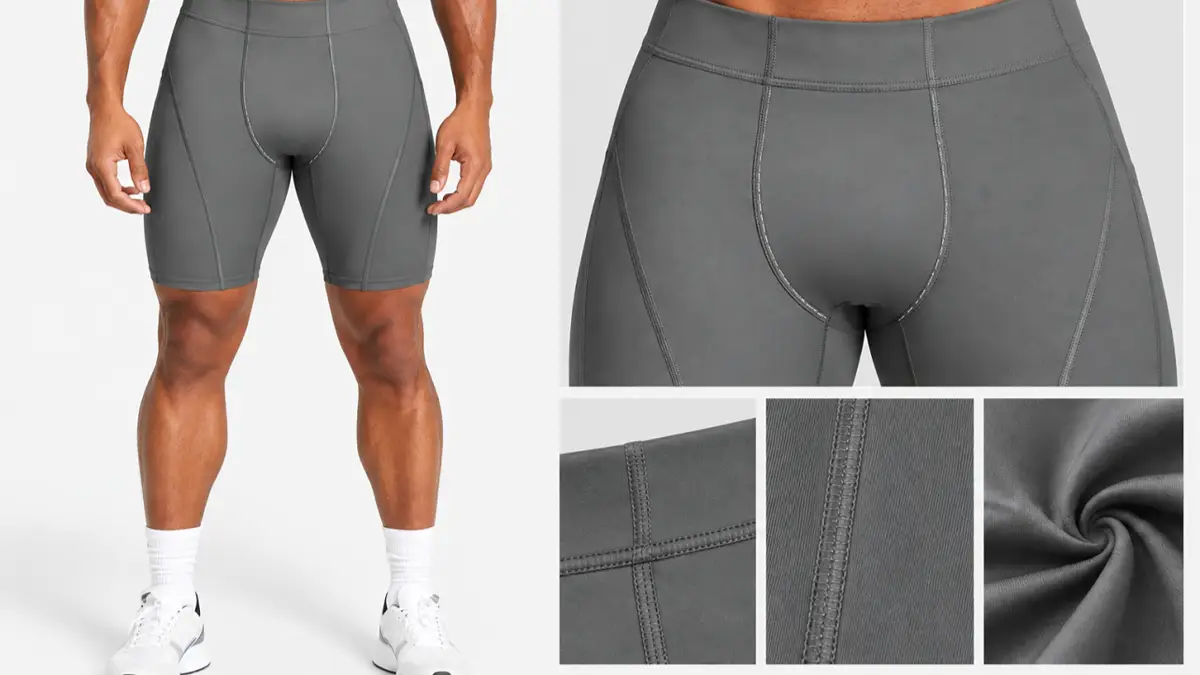
Traditional garment construction relies on stitching to join panels, secure edges, and build shape. This method is still widely used, but it can create seam bulk, visible stitch lines, and friction points that affect comfort.
No-sew construction uses laser cutting and thermal bonding to replace some of those stitched areas. This creates a cleaner and more technical finish that many top sportswear brands prefer for premium collections.
In active wear development, no-sew construction is valued for three main reasons:
- It reduces bulk in high-contact areas.
- It creates a smoother and more premium-looking finish.
- It helps garments feel lighter and more comfortable during movement.
For sports clothing manufacturers, this is not just a visual upgrade. It is also a technical solution for improving both appearance and wearability.
How Thermal Bonding Works in Activewear Production
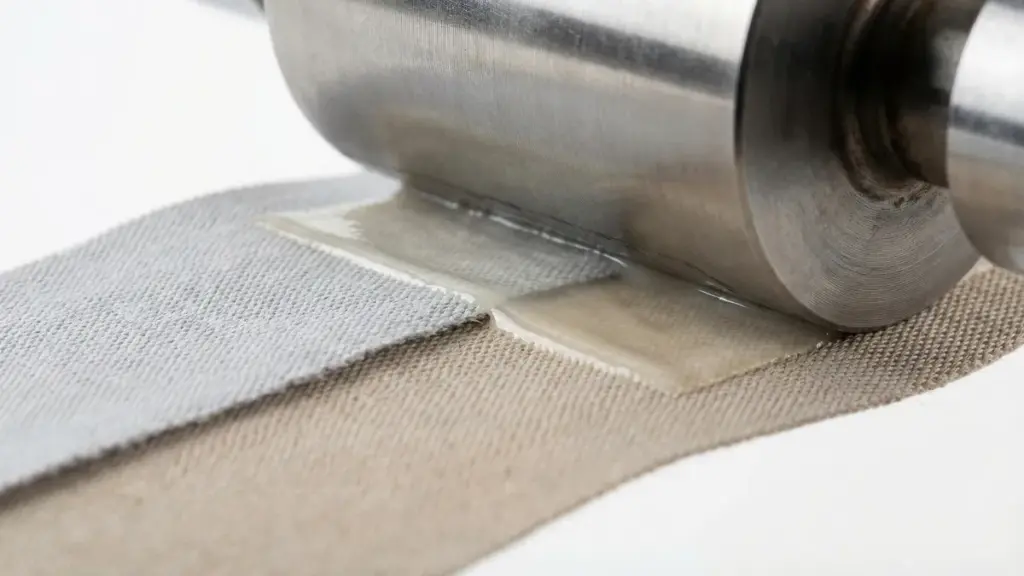
Thermal bonding joins fabric layers using heat, pressure, and a heat-activated adhesive. Instead of sewing two fabric pieces together with thread, clothing manufacturers place a bonding film or tape between them and apply controlled heat to create a flat seam.
When done correctly, the result is smooth, flexible, and durable. That is why thermal bonding is widely used in leggings, sports bras, fitted tops, and other active wear products.
The bonding result depends on several factors:
- Adhesive type
- Fabric composition
- Temperature setting
- Pressure level
- Bonding time
If one of these factors is not controlled well, the seam may look good at first but fail later in washing or wear. Experienced sports clothing manufacturers test these settings before production so the final garment performs as well as it looks.
Why No-Sew Construction Creates a Cleaner Activewear Look

One of the biggest advantages of no-sew construction is appearance. Without bulky seam allowances or visible stitches, garments look more modern, more refined, and more aligned with the direction of top sportswear brands.
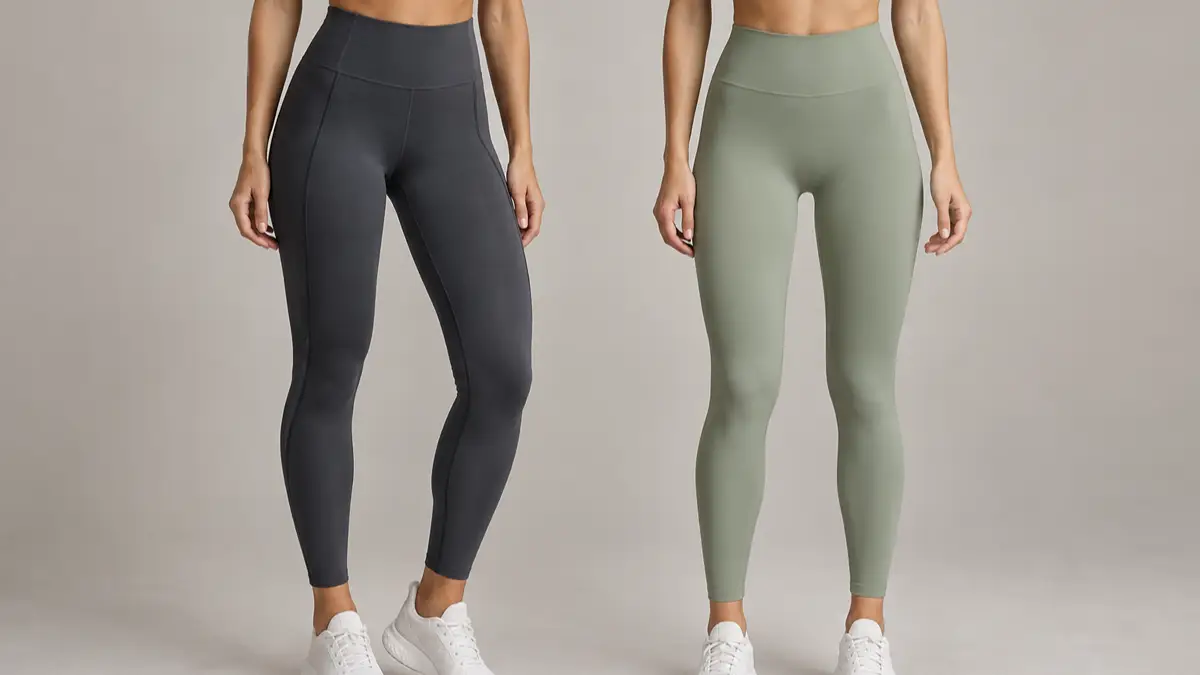
This cleaner finish is especially valuable in active wear yoga collections, where customers expect both comfort and a sleek silhouette. Bonded edges help the garment look smoother on the body, which supports a more premium brand image.
For clothing manufacturers serving performance brands, this aesthetic benefit matters because it supports:
- Better visual consistency
- A more premium product presentation
- A cleaner fit in close-to-body styles
In many cases, customers notice the polished look before they understand the technical process behind it.
How Fabric Type Affects Thermal Bonding Performance
Not every fabric works equally well with thermal bonding. This is one of the most important points for brands to understand before sampling starts.
Synthetic fabrics usually perform best because they respond well to heat and work effectively with bonding adhesives. That is one reason sports clothing manufacturers often recommend polyester- and nylon-based fabrics for bonded active wear.
Here is a simple breakdown:
- Polyester: Usually bonds well and is widely used in performance apparel.
- Nylon: Also bonds well, but often needs slightly different settings.
- Stretch blends: Can work well, but must be tested based on fiber ratio and fabric structure.
- Cotton and natural fibers: More difficult to bond and often require specialized solutions.
Experienced clothing manufacturers evaluate fabric compatibility early, because the wrong fabric choice can create avoidable sampling delays, weak bond performance, and higher development cost.
Why Bond Strength Matters in Stretch Performance Apparel
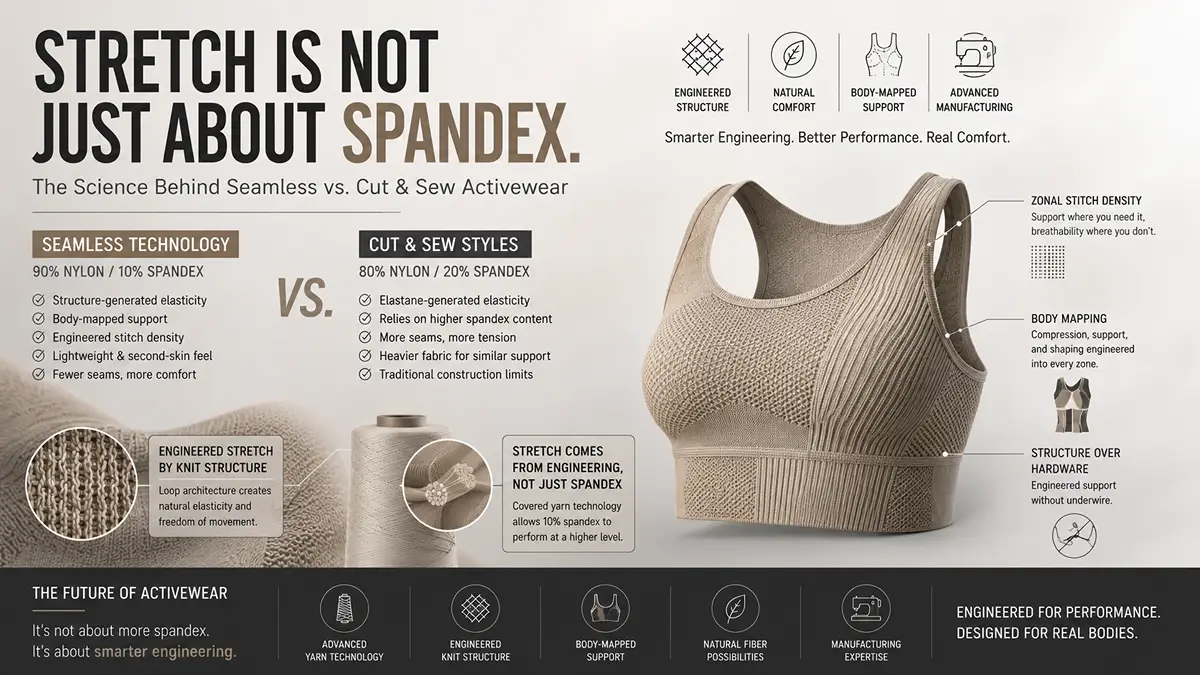
Performance active wear is designed to stretch, recover, and move in multiple directions. That makes bond strength one of the most important technical issues in no-sew construction.
A bonded seam must be strong enough to hold under tension, but flexible enough to move naturally with the fabric. If the seam is too rigid, it may crack or feel restrictive. If it is too weak, it may peel apart after repeated movement.
The most common bond-performance risks include:
- Delamination, where bonded layers begin to separate
- Edge lifting, where corners or seam ends start to peel
- Reduced stretch recovery, where the bonded area no longer moves naturally with the garment
For sports clothing manufacturers, these are critical quality points. Top sportswear brands expect bonded products to maintain both appearance and performance over time, so real stretch testing is essential before production approval.
How No-Sew Seams Maintain Flexibility and Comfort
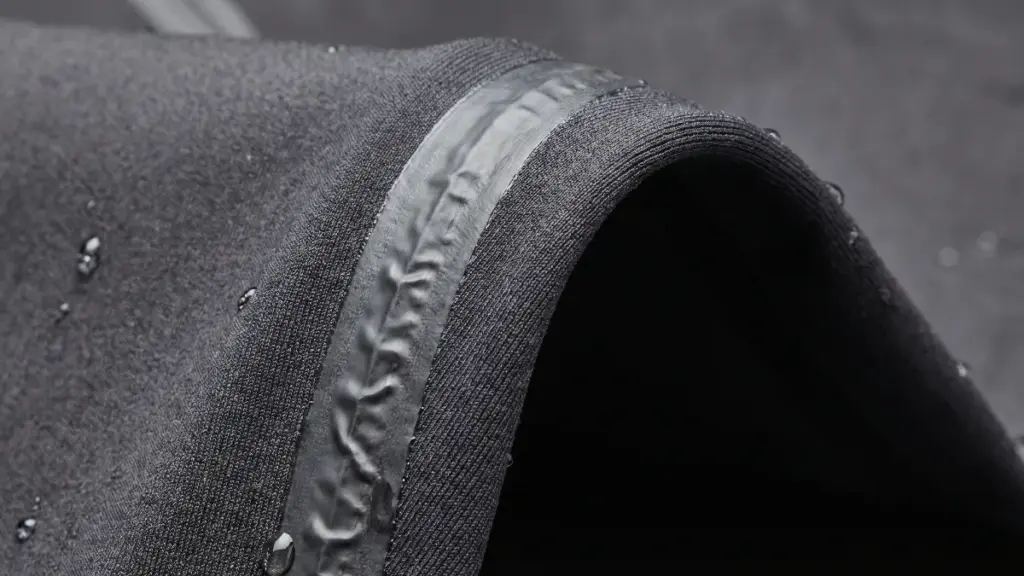
A common concern with thermal bonding is stiffness. Buyers often worry that bonded seams may feel hard or unnatural, especially in fitted garments.
That concern is valid if low-quality adhesive is used. Poor bonding materials can create a plastic-like feel that goes against the purpose of no-sew active wear design.
Well-developed bonded construction should deliver:
- A flat seam surface
- Good stretch behavior
- Soft hand feel
- Comfortable movement against the skin
At Sansan Sports, bonding materials are selected based on fabric type, product use, and stretch requirements. As experienced sports clothing manufacturers, we know that comfort must be tested just as carefully as seam strength.
How Laser Cutting Improves Precision and Reduces Waste
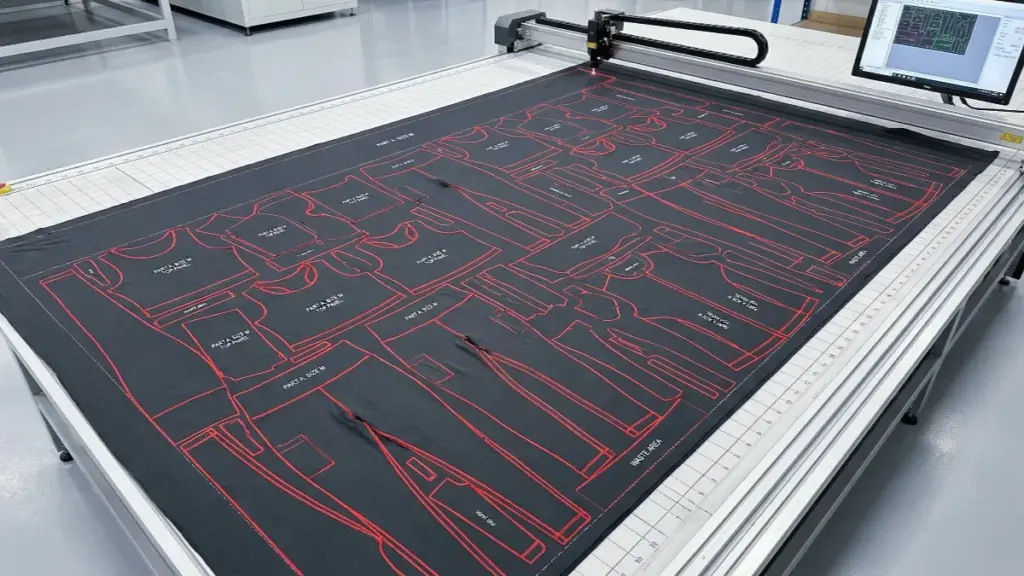
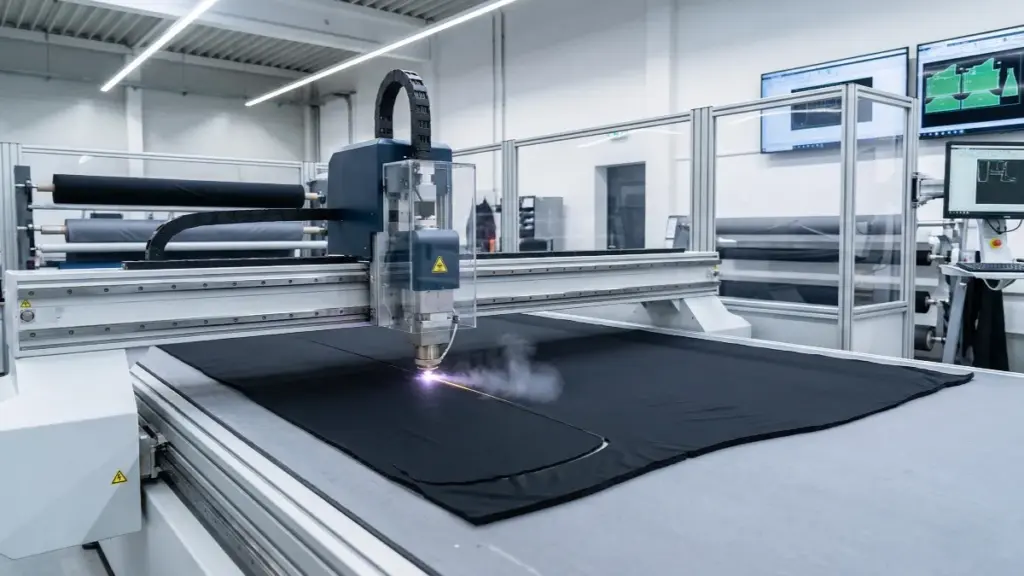
Laser cutting gives clothing manufacturers a high level of precision in preparing fabric panels for bonded construction. Because the cutting path follows a digital pattern, each panel can be cut consistently with clean edges.
This is especially important in no-sew active wear production, where bonded sections need to align accurately. Even a small cutting error can become visible in the final garment.
Laser cutting also supports production efficiency in several ways:
- It creates clean and accurate edges.
- It improves consistency from one panel to the next.
- It helps bonded components align more precisely.
- It can reduce fabric waste when marker planning is optimized.
For top sportswear brands, this level of cutting accuracy supports a more premium final product and better consistency across bulk production.
How Bonded Activewear Performs After Washing and Sweat Exposure
A bonded garment must do more than look clean in a sample room. It must also stay strong after repeated workouts, washing, and exposure to sweat.
That is why durability testing is a necessary part of no-sew active wear development. Sports clothing manufacturers should evaluate whether bonded seams remain intact, flexible, and visually clean after real-use stress.
Key performance checks usually include:
- Wash-cycle testing
- Stretch and recovery testing
- Sweat-resistance testing
- Edge stability checks
- Flexibility retention after repeated wear
At Sansan Sports, these evaluations are part of the development process before bulk production begins. For activewear brands, this reduces risk and helps ensure the final product meets the quality level expected in premium markets.
Why Brands Work With Experienced Sports Clothing Manufacturers
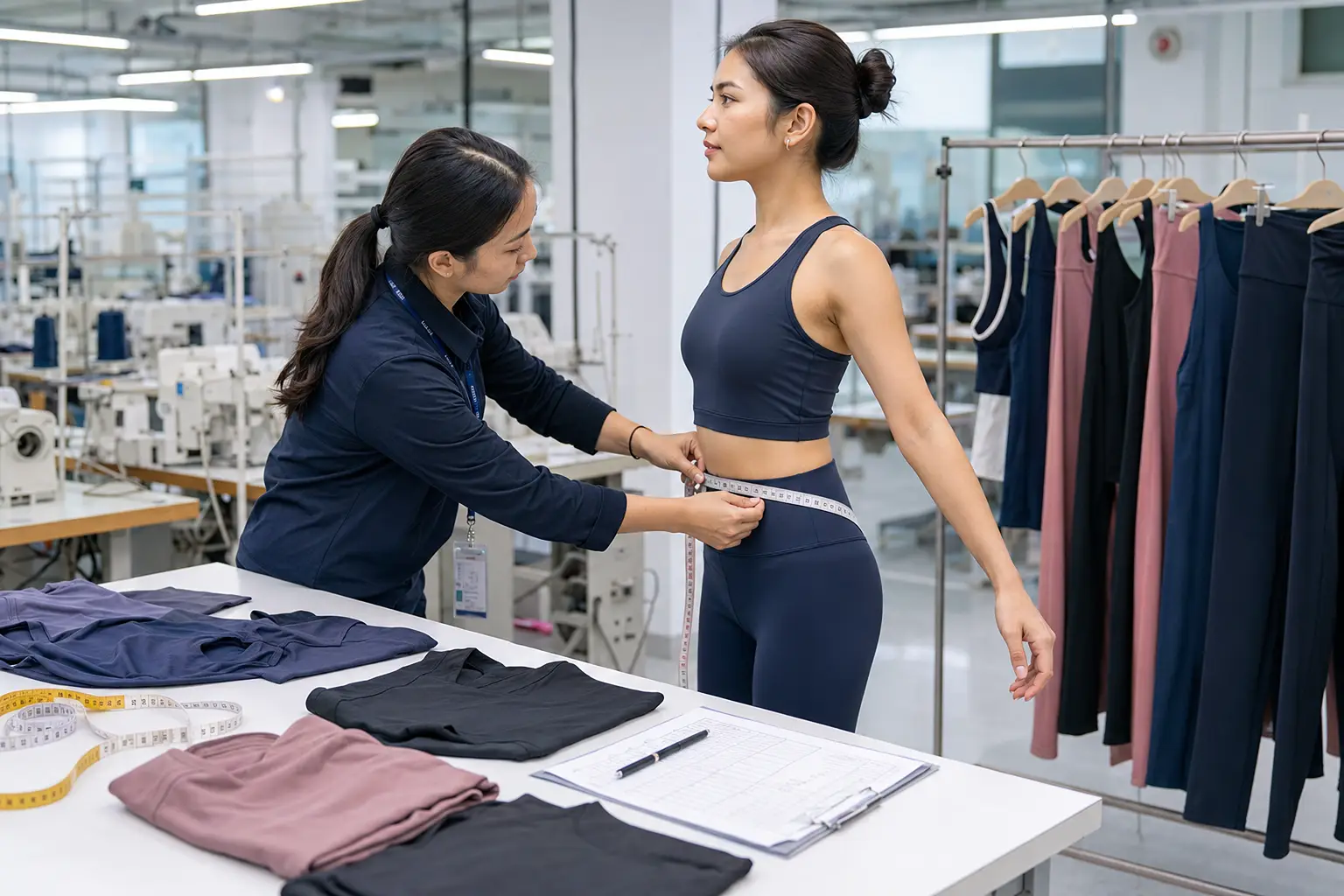
No-sew construction requires more than the right machines. It also requires process knowledge, careful testing, and the ability to match each fabric with the correct bonding method.
For brands developing premium active wear, working with experienced clothing manufacturers can help reduce errors early in development and improve production consistency later.
A strong manufacturing partner should be able to support:
- Fabric evaluation
- Bonding method selection
- Sample refinement
- Stretch and wash testing
- Bulk production quality control
This is where factory experience makes a real difference. The cleaner the design looks, the more precise the production process needs to be behind it.
Conclusion
Laser cutting and thermal bonding are changing how modern active wear products are developed. They allow sports clothing manufacturers to create garments that look cleaner, feel lighter, and meet the expectations of brands seeking a more premium finish.
For activewear brands, successful no-sew construction depends on more than appearance. Fabric compatibility, bond strength, flexibility, durability, and production precision all need to work together.
As one of the experienced clothing manufacturers serving performance apparel brands, Sansan Sports helps customers develop no-sew products with the technical support needed from sampling through production. For top sportswear brands and growing labels alike, that process helps turn a clean design idea into a reliable finished garment.
Frequently Asked Questions
Is thermal bonding suitable for all types of activewear?
Not always. Thermal bonding works best with synthetic performance fabrics such as polyester and nylon. Some blended fabrics also work well, but each fabric should be tested before full development.
Does no-sew construction increase production cost?
In most cases, yes. Compared with traditional sewing, no-sew construction usually requires more specialized equipment, tighter process control, and more testing. However, many top sportswear brands accept this because the final product offers a cleaner look and stronger premium positioning.
How do I know if my fabric will bond well?
The best approach is to evaluate the fabric specification early. Experienced sports clothing manufacturers will review fiber content, weight, stretch level, and surface finish before recommending a bonding method.