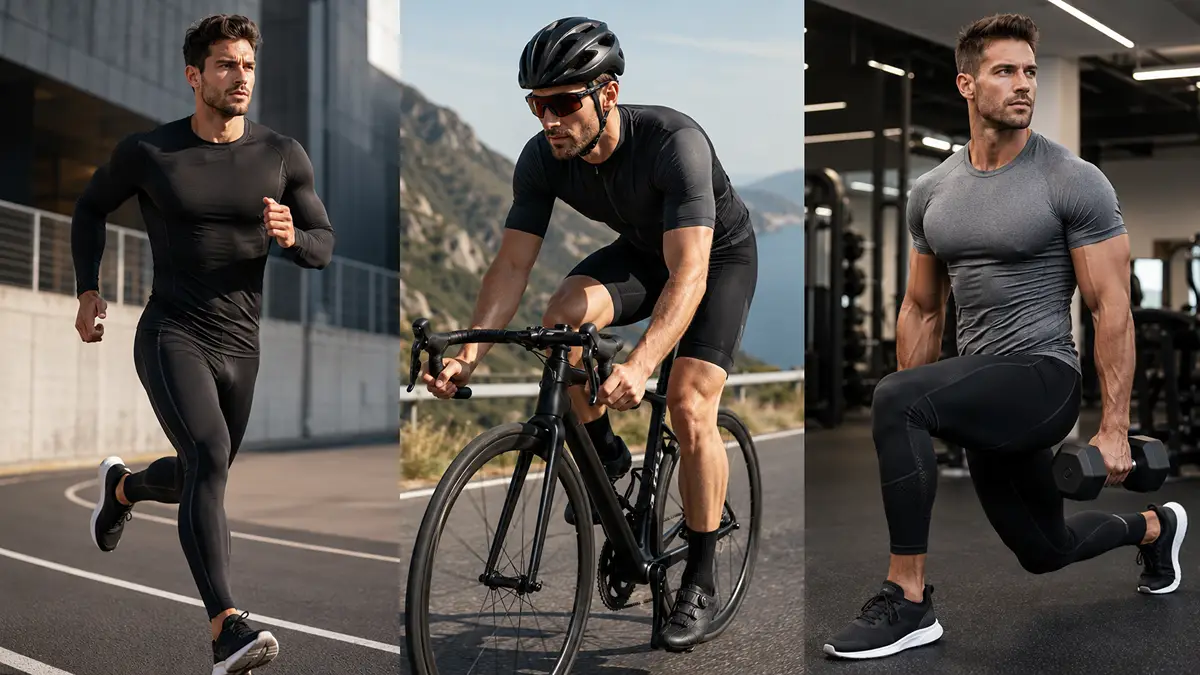
Moisture-wicking technology has become a core standard in modern performance apparel — not just for comfort, but for athlete safety, product longevity, and real competitive advantage. By understanding the science behind sweat management, selecting the right fiber blends, and validating performance through reliable testing, sportswear brands can deliver gear that keeps the body dry, stabilizes temperature, and enhances every movement.
If you’re ready to elevate your activewear line with high-performance moisture-management solutions, Sansan Sports is here to help — from advanced fabric development to scalable production. Explore innovative textile options and start your next breakthrough today 👉 https://sansansports.com/
The Science Behind Moisture-Wicking Technology
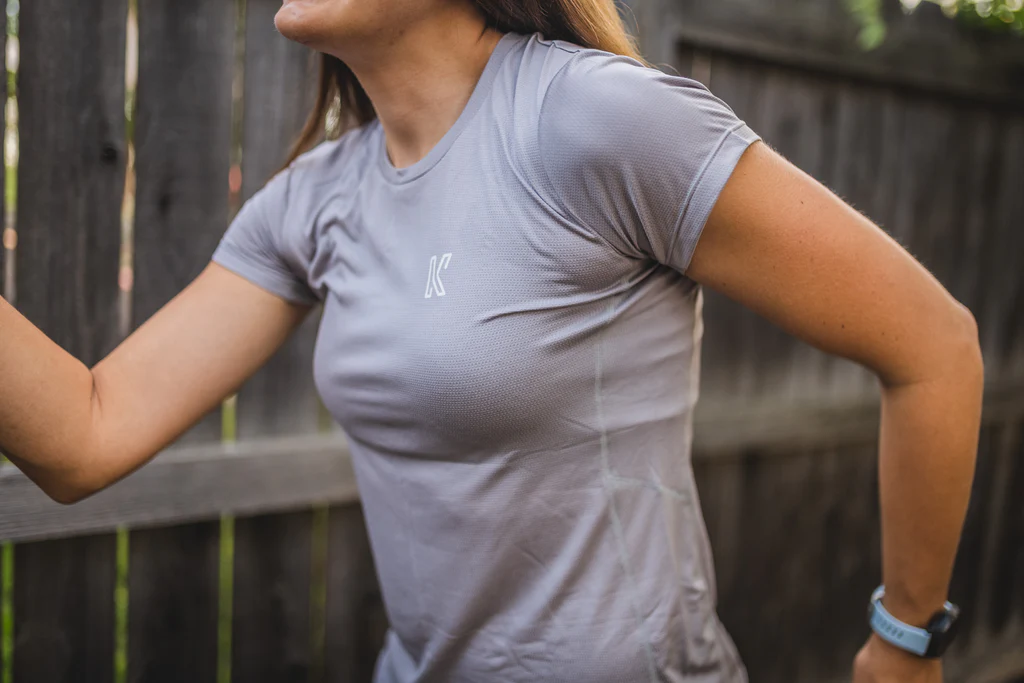
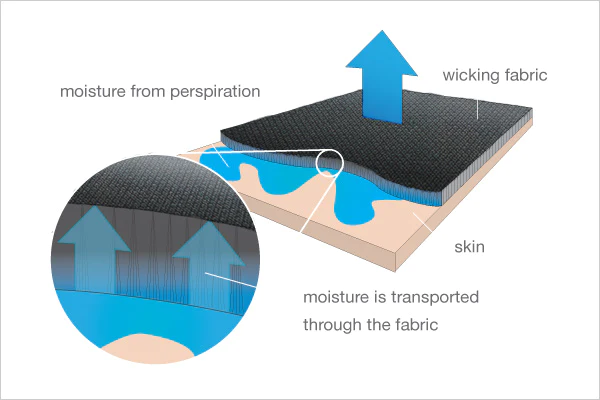
Moisture-wicking technology leverages the physics of capillary action, hydrophilic/hydrophobic fiber blends, and rapid evaporation to move sweat away from the skin, keeping wearers dry and comfortable.
Sportswear developers and fabric engineers rely on moisture-wicking fabrics to ensure comfort during intense activity. These textiles use fiber chemistry and fabric architecture to control sweat movement and improve evaporation speed.
How Moisture-Wicking Works: Fiber Types and Fabric Structure
In our experience, effective moisture management starts with the right blend of fibers. Hydrophilic elements pull sweat in, while hydrophobic layers push it outward for quick evaporation.
- Hydrophilic fibers (e.g., cotton within wool cores) attract and absorb sweat.
- Hydrophobic fibers (e.g., polyester, wool exterior) repel water.
- Push-pull fiber combinations move moisture away from skin efficiently.
- Micropores and engineered yarn geometry boost capillary action through tiny channels.
This engineered structure ensures sweat leaves the skin quickly, reducing overheating and chafing.
Testing and Performance Metrics for Moisture-Wicking Fabrics
Manufacturers and suppliers assess moisture-wicking fabrics through standardized lab tests. These reveal how fast and effectively sweat is transported and evaporated.
| Test Type | Purpose | Performance Insight |
|---|---|---|
| Horizontal wicking | Speed of water spread (mm/sec) | Indicates lateral moisture movement |
| Transverse wicking | Vertical spread through layers | Gauges fiber absorption capacity |
| Evaporation rate | Drying speed measurement | Wool vapor release twice as fast as cotton |
We’ve found that evaporation speed varies with fiber blends but remains significantly faster than pure cotton in performance apparel.
Environmental Factors Impacting Moisture-Wicking Effectiveness
Climate conditions influence how fabrics perform. Higher temperatures accelerate sweat evaporation, while humidity can slow it down.
- Warm conditions improve drying speed.
- High humidity reduces evaporation efficiency.
- Garment design should account for temperature and humidity variations.
- Balanced fiber blends and pore geometry maintain comfort in varying climates.
In sportswear manufacturing, optimizing for environmental factors ensures consistent moisture control for athletes across different regions.
For brands working with Sansan Sports, fabric engineering combines these insights with precise garment design to maximize real-world performance.
Common Fabric Types and Blends Used
The most common fabric types and blends used in moisture-wicking sportswear are polyester, nylon, spandex, bamboo, wool, and their blends—especially cotton-polyester, wool-nylon, and bamboo-polyester—each engineered to balance moisture management, comfort, durability, and cost.
In our experience working with performance sportswear, fabric choice significantly shapes moisture control, breathability, and long-term wear. Below we break down the most widely used fabrics, blends, and their performance data for sportswear developers and suppliers.
Key Fabric Types and Characteristics
- Polyester: Hydrophobic, dries quickly, most widely used for moisture-wicking performance gear.
- Nylon: High strength, smooth texture, delivers consistent wicking under extended use.
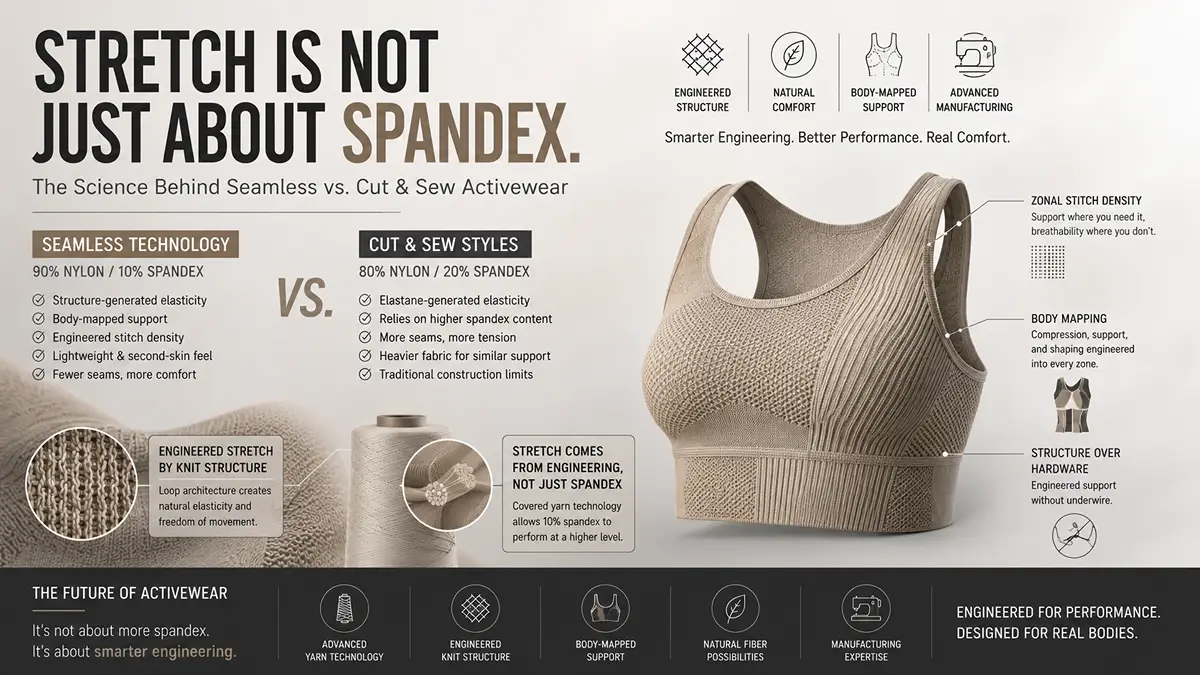
- Spandex (Elastane): Adds stretch, typically 5–10% in blends for flexibility and form fit.
- Bamboo: Soft, antibacterial, naturally breathable; used alone or blended for added comfort.
- Wool: Breathable and moisture-wicking; blending improves durability in active garments.
- Cotton: Absorbent and comfortable, often blended with synthetics to improve drying time and durability.
These fabrics each play a different role in garment performance, from ultralight polyester jerseys for athletes to bamboo-cotton tees for casual sportswear.
Popular Fabric Blends and Their Effects
- 60% Cotton / 40% Polyester: Balances breathability with durability, common in training t-shirts.
- 52% Cotton / 43% Viscose / 5% Elastane: Adds stretch and comfort, optimized for yoga and fitness wear.
- 50% Wool / 50% Acrylic: Combines warmth with easier care, used in winter sports tops.
- 55% Linen / 45% Cotton: Lightweight, breathable, ideal for summer sports apparel.
- 50% Recycled Polyester / 50% Tencel: Sustainable composition with high moisture management efficiency.
💡 Polyester components improve strength and wrinkle resistance. Cotton increases softness but may reduce durability, while spandex provides stretch yet decreases airflow. Choosing a blend depends on intended intensity, environment, and longevity requirements.
In our current manufacturing projects, these trends directly inform fabric development and supplier decisions, especially for brands balancing high performance with eco-conscious strategies.
Benefits for Athletes and Manufacturers
Moisture-wicking fabrics provide measurable performance and comfort advantages for athletes—such as reducing drying time from over 45 minutes (cotton) to as little as 8–10 minutes (advanced synthetics)—while manufacturers benefit from enhanced product durability, hygiene, and consumer demand for high-performance sportswear.
Moisture-wicking fabrics impact both the athletic and manufacturing world with measurable technical benefits. They improve athlete comfort during performance while giving manufacturers a clear edge through product innovation and market positioning.
Performance Benefits for Athletes
In our experience, advanced synthetic fabrics transform the athletic experience by reducing drying time from over 45 minutes in cotton to just 8–10 minutes. This quick-dry capability keeps athletes lighter and more comfortable.
- Low moisture retention reduces discomfort during sustained activity.
- Reduced skin irritation and chafing delivers better comfort in high-intensity exercise.
- Temperature regulation supports endurance and minimizes fatigue.
Advantages for Manufacturers
For sportswear producers, moisture-wicking fabrics extend product life and improve customer satisfaction. Their durability remains high even after repeated wash cycles, maintaining brand quality standards.
- Antimicrobial treatments prevent odor and bacterial growth for enhanced hygiene.
- Market demand for high-performance sportswear supports premium pricing models.
- Added features like temperature control and odor management appeal broadly—from professional athletes to casual enthusiasts.
Key Performance Data Comparison
| Metric | Regular Cotton | Advanced Synthetic |
|---|---|---|
| Drying Time ⏱ | 45+ min | 8–10 min |
| Moisture Retention | High | Low |
| Water Absorption by Weight | 7% | 0.5% |
| Antibacterial & Odor Control | Limited | Enhanced |
Comparison: Synthetic vs. Natural Wicking Fibers
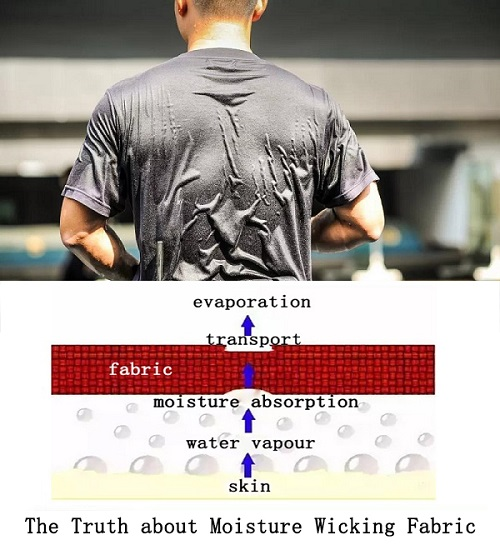
Synthetic fibers like polyester and nylon deliver faster moisture transport and drying times compared to natural fibers such as cotton or bamboo, which absorb more moisture and dry slower but offer better comfort. Choice depends on performance needs versus comfort and sustainability priorities.
In our experience manufacturing moisture-wicking fabrics for sportswear, the differences between synthetic and natural fibers go beyond texture. They also impact how garments perform under stress, how quickly they dry, and their environmental footprint.
Key Comparison: Properties of Synthetic and Natural Wicking Fibers
| Property | Synthetic Fibers | Natural Fibers |
|---|---|---|
| Wicking Speed | Modal moves moisture 50% faster than others; synthetics generally outperform naturals. | Slower moisture transport compared to synthetics. |
| Drying Time | Coolmax® polyester dries faster than cotton; low water retention. | Retain water and dry slower, increasing potential discomfort. |
| Moisture Absorption | Polyester absorbs <1% by weight. | Bamboo, flax, and sisal absorb over 10%. |
| Water Retention | Hydrophobic, low retention. | Hold moisture longer. |
| Comfort | Blends (85–90% synthetic + 10–15% cotton) score highest in wear tests. | Pure cotton favored for feel but less effective at moisture control. |
| Mechanical/Thermal Strength | Higher durability and resistance to heat. | Lower thermal and mechanical resistance. |
| Environmental Impact | Derived from fossil fuels, low biodegradability. | Renewable and biodegradable with lower processing energy. |
Sustainability and Innovation in Wicking Materials
Sustainability and innovation in wicking materials are rapidly advancing, with brands integrating recycled synthetics, biodegradable fibers, and closed-loop processes to reduce environmental impact while enhancing moisture management and performance. Key innovations include recycled polyester, bamboo, Tencel, oyster shell yarns, and smart fabrics.
In our experience working with global sportswear brands, the shift toward eco-friendly moisture-wicking fabrics is transforming product development. Manufacturers are balancing high-performance standards with sustainable sourcing and processes, resulting in measurable market growth and exciting new material science breakthroughs.
Market Growth and Key Metrics
The sustainable wicking materials market continues to expand as consumer demand for eco-conscious sportswear rises. Investments in recycled and biodegradable fibers underpin steady revenue growth for suppliers worldwide.
| Metric | Value |
|---|---|
| 2024 Market Size | $4.16 billion |
| Projected 2032 Market Size | $5.09 billion |
| CAGR (2024–2032) | 4.1% |
| Early Growth Rate (2024–2025) | 6.7% |
| Mid Growth Rate (2025–2029) | 6.4% |
Innovative Materials Driving Sustainability
Material innovation is at the core of sustainable moisture-wicking fabrics, allowing performance apparel to meet both athletic and environmental goals.
- Recycled polyester from PET bottles and discarded fishing nets reduces ocean waste.
- Biodegradable sugarcane/PLA blends and natural fibers like bamboo and Tencel lower ecological footprints.
- Tencel uses 50× less water than cotton and is fully biodegradable.
- Upcycled oyster shell yarns offer natural deodorizing and temperature regulation properties.
These materials are reshaping moisture management technologies, delivering lightweight, breathable fabrics aligned with circular economy principles.
Sustainable Manufacturing Practices
Beyond raw materials, manufacturers are innovating processes to create sustainable production models. In our projects, implementing water and resource efficiency measures has proven critical.
- Elevate Textiles reduced water use by 31.5% and increased recycled water usage by 71% between 2019–2024.
- Achieved 71.9% uptake of sustainable cotton and nearly 9% recycled polyester in 2024.
- Operated 17 zero waste-to-landfill facilities globally.
- Adopted closed-loop systems, zero liquid discharge water treatment, and enzyme-based fiber extraction.
Emerging Trends and Challenges
The future of moisture-wicking fabrics is intertwined with digital and smart technologies, promising deeper integration between apparel and performance tracking.
- Smart textiles with biometric sensors embedded into fabrics for real-time data monitoring.
- Circular economy projects transforming oyster shells and fishing nets into high-performance yarns.
- Scaling these innovations to mass production remains challenging due to cost competitiveness.
- Integrating sustainability from material design to the final supply chain is essential for long-term impact.
Sportswear brands that partner with experienced manufacturers, such as Sansan Sports, gain access to these advanced capabilities while maintaining environmental responsibility.
FAQs
How does it work?
Moisture-wicking fabrics are engineered to pull sweat away from the skin toward the outer layer of the fabric.
This helps sweat evaporate quickly, keeping the wearer dry, cool, and comfortable during physical activity.
Our sportswear integrates these fabrics with advanced knitting techniques to maximize this effect even in high-performance conditions.
Are cotton blends effective?
Cotton blends can offer some moisture control, but pure cotton tends to retain moisture rather than move it away.
Blends that include synthetic fibers like polyester or nylon improve wicking performance while keeping a soft touch.
For intense sportswear, we recommend high-performance synthetics or technical blends where cotton content is below 30%.
Is it durable?
High-quality moisture-wicking fabrics, especially those made from engineered polyester or nylon, maintain their performance after repeated washes.
Our manufacturing process includes abrasion testing to ensure fabric durability under active movement.
With proper care, garments retain wicking properties for well over 100 wash cycles.
Does it trap odor?
Basic synthetic fabrics can trap odor if not treated with anti-microbial or odor-resistant finishes.
We integrate antibacterial technology into our fabrics, reducing bacteria growth that causes odor.
This ensures freshness even during extended wear in high-intensity sports environments.
Best fabric examples?
- ✅ Engineered Polyester Mesh — lightweight and quick-drying.
- ✅ Nylon-Spandex Blend — stretch with high moisture management.
- ✅ Bamboo-Polyester Hybrid — eco-friendly with natural antibacterial properties.
- ✅ Recycled Polyester — sustainable option with full performance capability.
In our experience, selecting fabrics depends on the type of sport, climate, and desired garment feel.
Conclusion: Designing the Next-Gen Performancewear
Choosing the right moisture-wicking fabrics is the foundation of next-generation performancewear—where advanced fiber engineering, sustainable materials, and ergonomic design come together to keep athletes dry, comfortable, and moving freely. By prioritizing durability, temperature regulation, and long-lasting stretch recovery, brands can deliver apparel that performs as hard as the athletes who wear it.
To stay competitive in a rapidly evolving market, sportswear brands must transform fabric innovation into commercial success through strategic sourcing and expert manufacturing partners. At Sansan Sports, we help you streamline development, reduce technical risks, and bring high-performance activewear to market with confidence.
👉 Unlock smarter fabric solutions and elevate your product line today: https://sansansports.com/