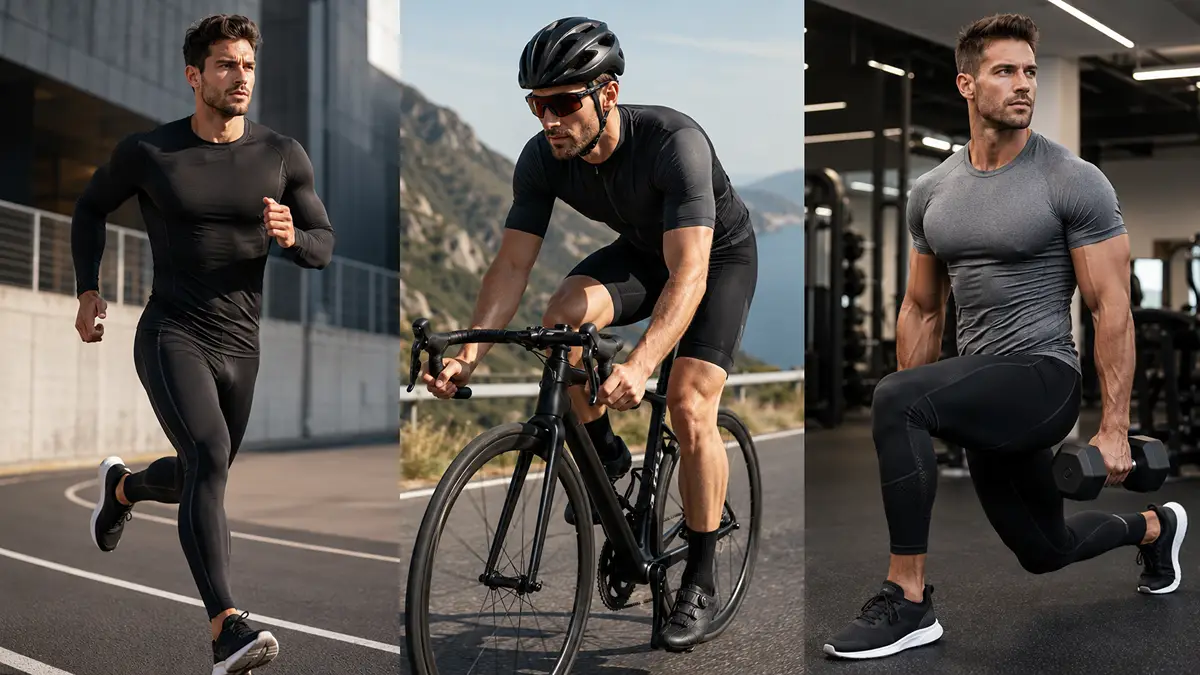
إذا كنت تطلق خط ملابس مضغوطة لسوق الاتحاد الأوروبي, يعد اختيار القماش هو العامل الأكبر بين المنتج الذي يؤدي الأداء والمنتج الذي يتم إرجاعه. معظم مشاكل الجودة لا تأتي من الخياطة السيئة. إنها تأتي من المشترين الذين يتخطون خطوة مواصفات القماش قبل بدء أخذ العينات.
في SANSANSUNSPORTS, we work with European sportswear brands every week who come to us after a first production run disappointed them. The shirt looked fine on paper, but it sagged after a few washes, or it felt too tight to move in. The fix is almost always the same: get the fabric spec right before you order, ليس بعد.
يشرح هذا الدليل خيارات النسيج الثلاثة التي نوصي بها في أغلب الأحيان للطبقات الأساسية المضغوطة, حتى تعرف بالضبط ما الذي يجب أن تطلبه عند إطلاع الشركة المصنعة الخاصة بك.
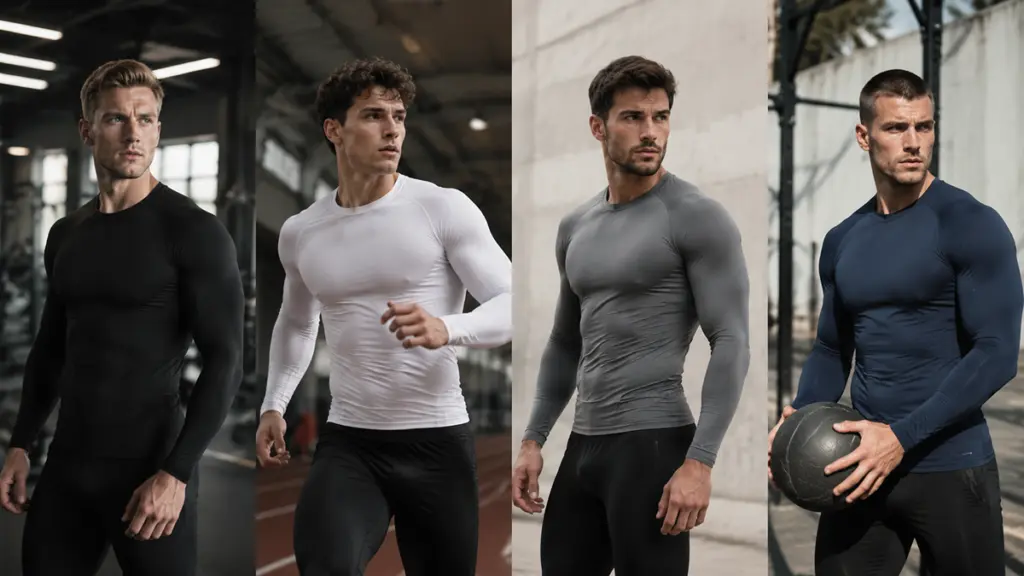
لماذا تعتبر مواصفات النسيج المضغوط أكثر أهمية من الأسلوب
A compression shirt only works if the fabric does its job: عقد العضلات ثابتة, إدارة العرق, and bouncing back to shape wear after wear. If you only describe “stretchy” or “tight” fabric in your brief, you leave too much room for guesswork.
المشترون الأوروبيون الذين يحددون التركيب الدقيق ونظام GSM (جرام لكل متر مربع) الحصول على عينات تطابق توقعاتهم في المحاولة الأولى. غالبًا ما يحتاج المشترون الذين يتخطون هذه الخطوة إلى جولتين أو ثلاث جولات من إعادة التشكيل, which costs time and money. As a compression fabric wholesale partner, تطلب SANSANSUNSPORTS دائمًا من العملاء الجدد مستوى الضغط المستهدف والاستخدام النهائي قبل عرض الأسعار, لأن هذه التفاصيل الفردية تغير القماش الذي نوصي به.
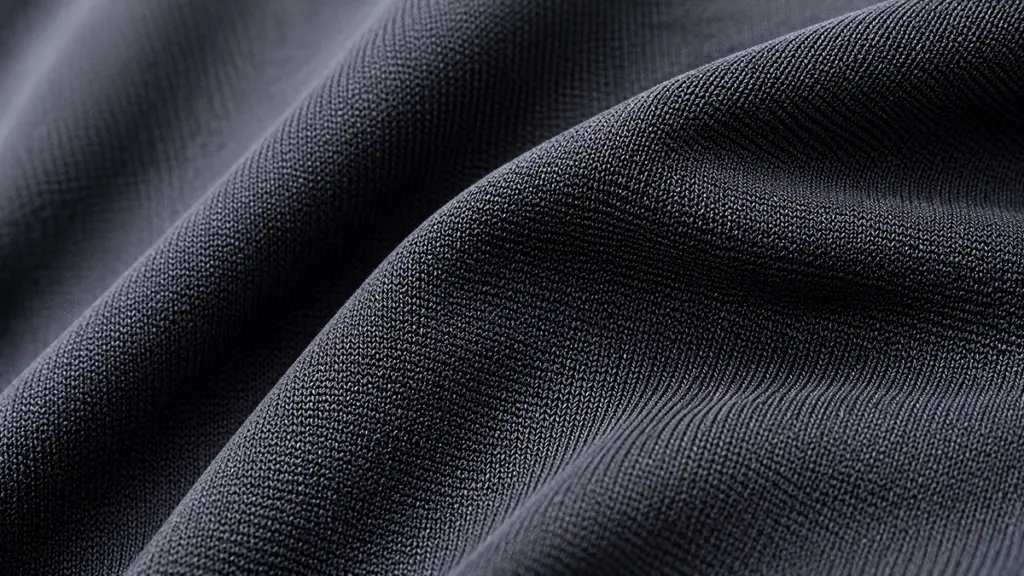
80/20 Nylon-Spandex: The Industry Standard
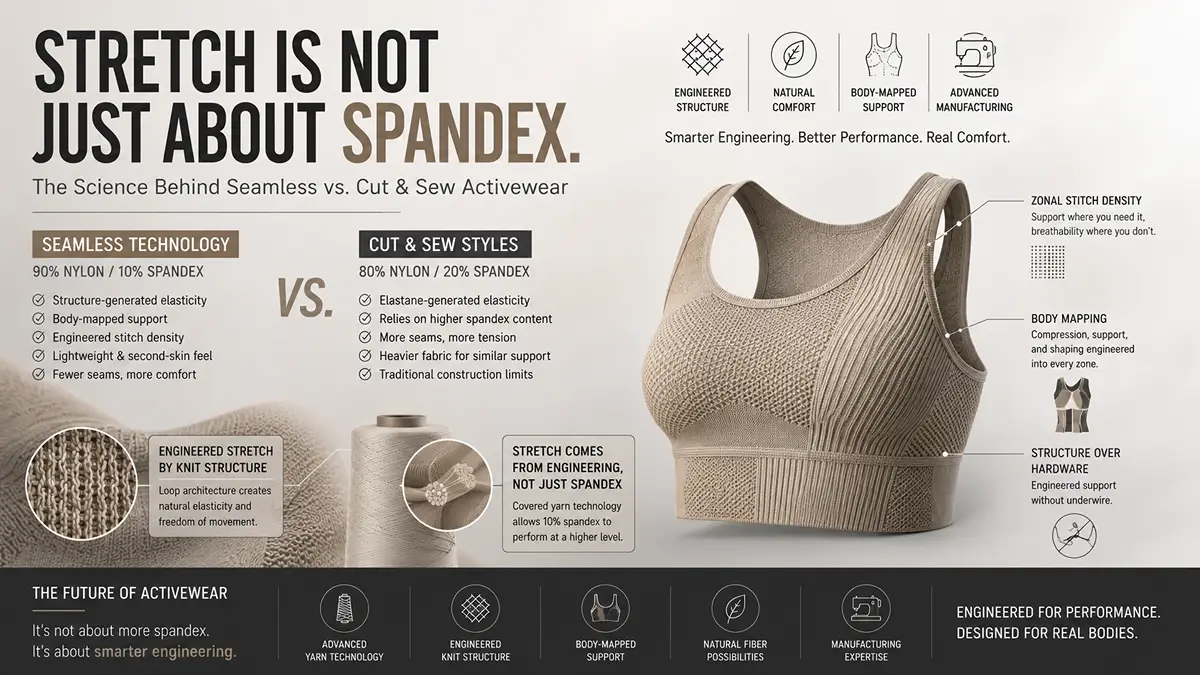
هذا المزيج هو الخيار الأكثر شيوعًا لارتداء ضغط الأداء, and for good reason. ال 80 يمنح النايلون بنسبة 100% قوة النسيج ويحافظ على شكله, while the 20 توفر الألياف اللدنة في المائة التمدد والانتعاش مما يجعل الضغط فعالاً.
Typical weight runs between 180 و 200 جي إس إم, وهي ثقيلة بما يكفي للحفاظ على شكلها ولكنها لا تزال قابلة للتنفس بدرجة كافية للاستخدام النشط. هذا هو القماش الذي نوصي به في أغلب الأحيان عندما تطلب إحدى العلامات التجارية شركة مصنعة لضغط ألياف لدنة من النايلون يمكنها تقديم دعم ثابت للعضلات عبر نطاق كامل الحجم.
يعمل بشكل جيد ل جري, ركوب الدراجات, التدريب في صالة الألعاب الرياضية, وطبقات أساسية متعددة الرياضات. إذا كانت علامتك التجارية تخدم الرياضيين الذين يتحركون باستمرار ويتعرقون بشدة, هذه هي عادةً نقطة البداية الأكثر أمانًا. تحافظ SANSANSUNSPORTS على هذا المزيج في المخزون عبر أوزان GSM المتعددة, لذلك يمكن البدء بأخذ العينات دون انتظار طلب غزل مخصص.
88/12 البوليستر دنة: خيار أكثر بأسعار معقولة
لا تحتاج كل علامة تجارية إلى ضغط متميز لكل خط إنتاج. ال 88/12 يوفر مزيج البوليستر والألياف اللدنة نقطة سعر أقل مع الاستمرار في تقديم أداء قوي ممتص للرطوبة.
المقايضة هي في الاحتفاظ بالضغط. هذا النسيج يعمل بشكل جيد في البداية, ولكن قوة التحمل تصبح أسرع قليلاً مع الغسلات المتكررة مقارنة بالنايلون والألياف اللدنة. للعلامات التجارية التي تبني خط إنتاج متوسط المدى أو كبير الحجم, غالبًا ما تكون هذه المقايضة منطقية, خاصة عندما تحتاج أسعار التجزئة إلى الحفاظ على قدرتها التنافسية.
غالبًا ما نقترح هذا الخيار على العلامات التجارية الناشئة التي ترغب في اختبار سوق الاتحاد الأوروبي بمقاس أوسع قبل الالتزام بالقماش المتميز عبر مجموعتها بأكملها. كمورد للطبقة الأساسية للأداء, يمكننا مساعدتك في تحديد المكان المناسب للبوليستر سباندكس والمكان الذي لا يناسبه.
نايلون سباندكس مُعاد تدويره: الأداء يلتقي بالاستدامة
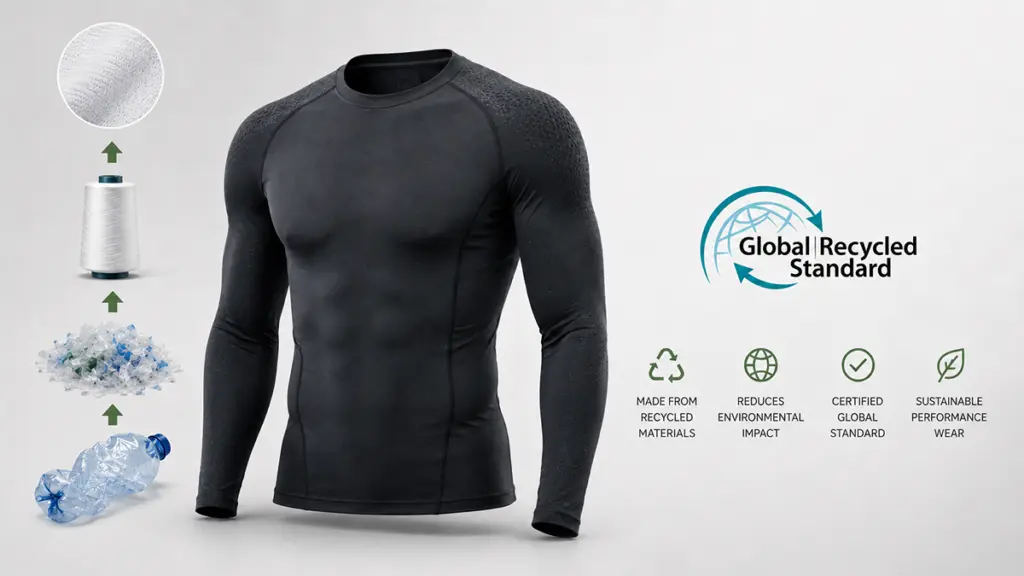
يطلب مشترو التجزئة في الاتحاد الأوروبي المواد المعاد تدويرها أكثر من أي وقت مضى, وهذا هو المكان الذي يأتي فيه النايلون المعاد تدويره المعتمد من GRS. الأداء مشابه للنايلون البكر في معظم اختبارات الضغط, وهو ما يفاجئ الكثير من المشترين لأول مرة.
السعر يدور حول 15 ل 20 أعلى بنسبة 100% من النايلون والألياف اللدنة القياسية, ولكنه يضع علامتك التجارية بقوة أمام مشتري التجزئة الذين لديهم متطلبات بيئية مكتوبة في سياسة المصادر الخاصة بهم. إذا كانت علامتك التجارية تستهدف تجار التجزئة المتميزين في الاتحاد الأوروبي أو تنشئ قصة استدامة في تسويقك, يغلق هذا القماش هذه الفجوة دون التضحية بجودة الضغط.
تقوم شركة SANSANSUN بمصادر الخيوط المعتمدة من GRS مباشرةً, مما يجعل المهل الزمنية قابلة للإدارة حتى بالنسبة لعمليات تشغيل MOQ الأصغر. هذا مهم لارتداء الضغط مشاريع تصنيع المعدات الأصلية في أوروبا حيث يجب أن تكون أوراق التصديق جاهزة قبل تخليص البضائع من الجمارك.
المواصفات الواحدة التي ينسىها معظم المشترين: فئة الضغط
ما وراء تكوين النسيج, هناك تفصيل واحد يُطلب من المشترين في الاتحاد الأوروبي تأكيده بشكل متزايد: فئة الضغط, بمعنى الضوء, واسطة, أو شركة. يقوم تجار التجزئة في جميع أنحاء أوروبا بتشديد متطلبات وضع العلامات, وتظهر فئة الضغط على ملصقات المنتجات أكثر مما كانت عليه حتى قبل عامين.
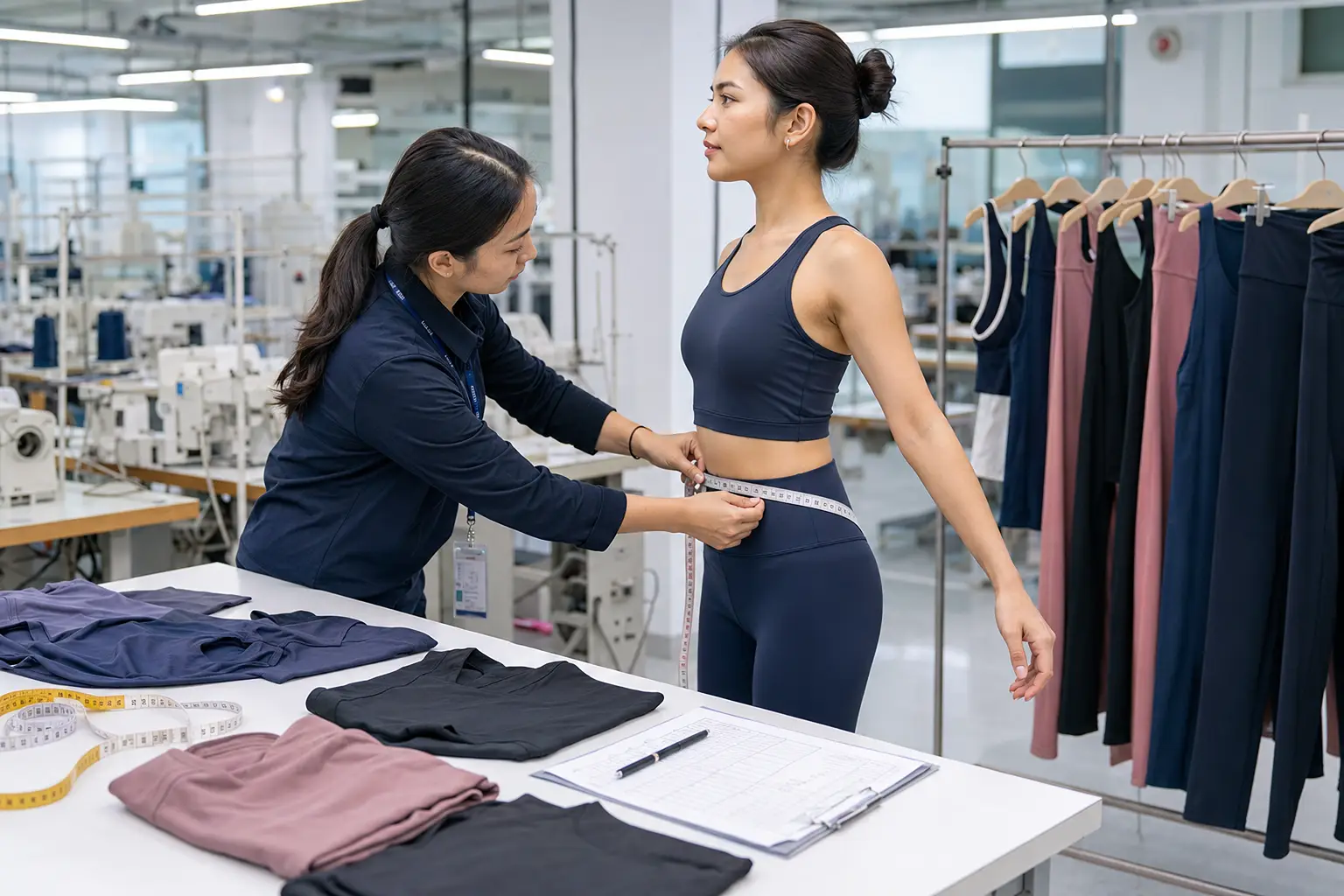
إذا لم يسألك المصنع الخاص بك هذا السؤال, اسألهم أولا. تؤثر فئة الضغط على كيفية قص القماش وخياطته, ليس فقط ما هو الغزل المستخدم. إن ارتكاب هذا الخطأ يعني أن القميص يستخدم القماش المناسب من الناحية الفنية ولكنه لا يعمل بالطريقة التي يتوقعها عميلك. يقوم فريق نمط SANSANSUNSPORTS ببناء فئة الضغط مباشرة في خطة القطع, لذا فإن مطالبة الملصق والملمس الموجود في متناول اليد يتطابقان بالفعل.
قائمة مرجعية سريعة قبل تقديم طلب عينة:
- تم تأكيد تكوين القماش وGSM كتابيًا
- تم تحديد فئة الضغط (ضوء, واسطة, حازم)
- الاستخدام النهائي محدد (جري, ركوب الدراجات, نادي رياضي, رياضة متعددة)
- تم تأكيد احتياجات الشهادة في حالة استهداف تجار التجزئة المهتمين بالبيئة
- تمت مناقشة توقعات اختبار الغسيل مع المصنع الخاص بك
الأسئلة المتداولة
ما هو GSM الأفضل للقمصان الضاغطة?
تستخدم معظم القمصان المضغوطة للأداء 160 ل 200 نسيج جي إس إم. الأوزان الخفيفة تناسب منتجات المناخ الدافئ أو الصيف, في حين أن ارتفاع GSM ضمن هذا النطاق يوفر ضغطًا ومتانة أقوى.
نايلون سباندكس المعاد تدويره قوي مثل النايلون البكر?
نعم, في معظم اختبارات أداء الضغط, يعمل النايلون المعاد تدويره المعتمد من GRS بشكل مشابه للألياف اللدنة المصنوعة من النايلون, مع فرق السعر المعتدل فقط.
هل يمكن لشركة SANSANSUN المساعدة في الحد الأدنى لكميات الطلب المنخفضة لارتداء الضغط?
نعم. باعتبارنا أحد شركاء تصنيع المعدات الأصلية وتصنيع التصميم الشخصي (OEM) في مجال الضغط، فإننا نرتدي شريكًا لتصنيع المعدات الأصلية في أوروبا, تعمل SANSANSUN مع العلامات التجارية الناشئة والمتنامية على موك مرنة, بما في ذلك عمليات الأقمشة المعاد تدويرها المعتمدة من GRS.
هل يتطلب تجار التجزئة في الاتحاد الأوروبي فئة ضغط على الملصقات؟?
يطلب المزيد من تجار التجزئة في الاتحاد الأوروبي معلومات عن فئة الضغط حول تصنيف المنتجات. ويساعد تأكيد ذلك مع الشركة المصنعة قبل الإنتاج على تجنب مشكلات الامتثال لاحقًا.
إذا كنت مصادر الضغط النسيج بالجملة لإطلاق الاتحاد الأوروبي, الحصول على المواصفات الخاصة بك بشكل صحيح من البداية يوفر الوقت والميزانية. تعمل SANSANSUNSPORTS مباشرة مع العلامات التجارية الأوروبية للملابس الرياضية والشركات الناشئة لتتناسب مع القماش المناسب, جي إس إم, وفئة الضغط لكل خط إنتاج, من العينة الأولى إلى الإنتاج الكامل.