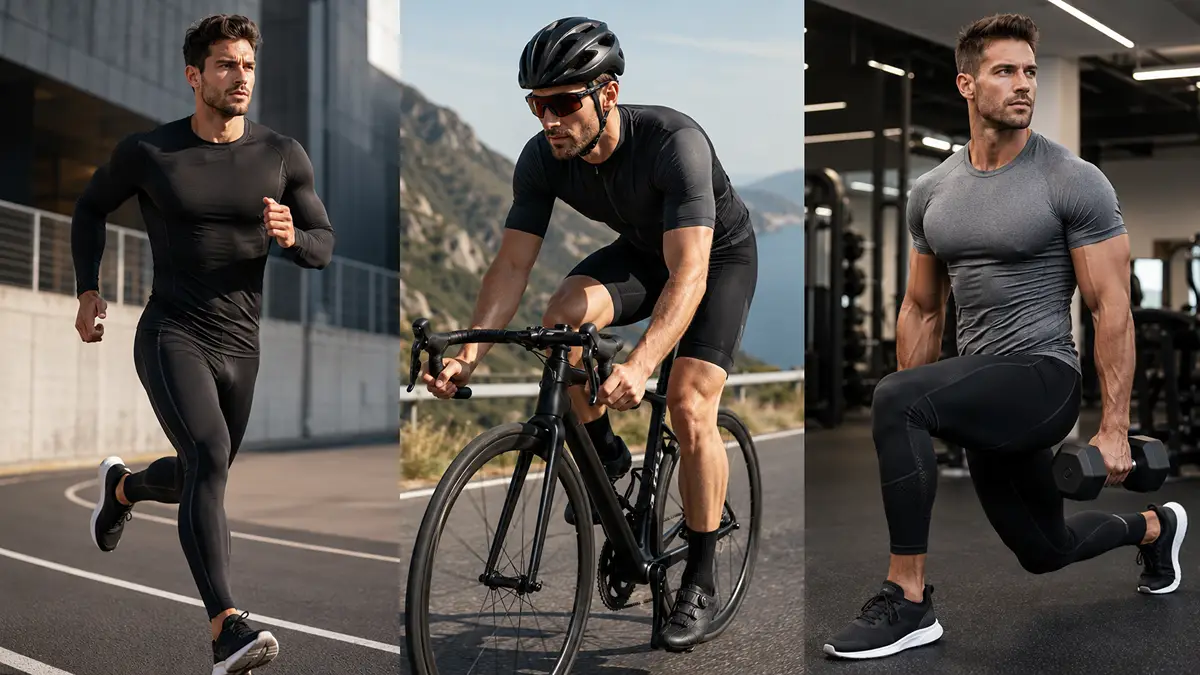
When you put on a yoga top or sports bra, the last thing you want is a scratchy tag rubbing against your skin. That small discomfort can ruin an entire workout. اليوم, more activewear brands are moving away from traditional sewn-in labels and choosing heat-transfer labels instead. This shift is not just about comfort. It is about quality, brand image, and long-term customer satisfaction. If you are building an activewear brand or sourcing from a factory for the first time, understanding this trend will help you make better product decisions.
What Are Heat-Transfer Labels?
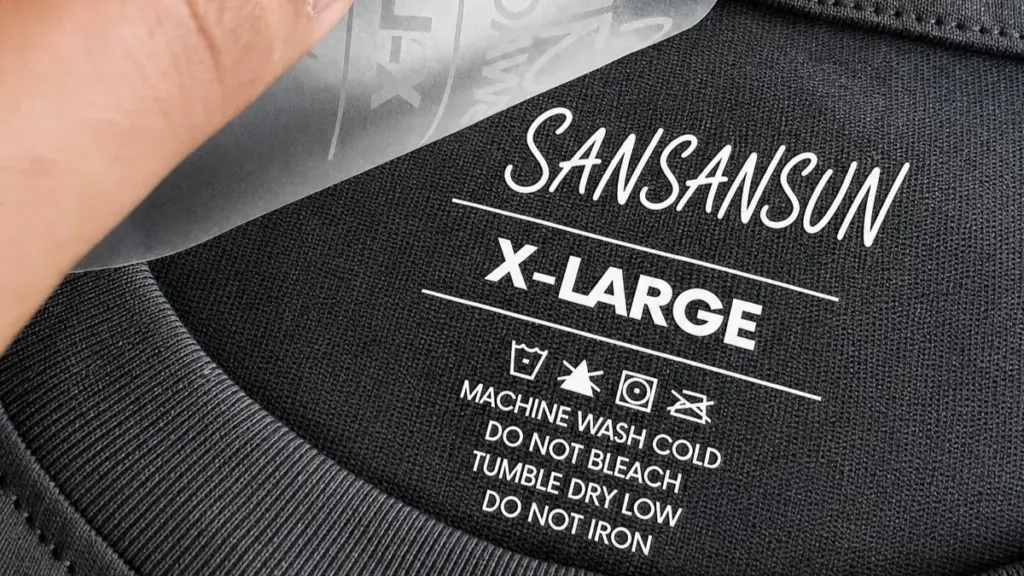
Heat-transfer labels are printed directly onto the inside of a garment using heat and pressure. Instead of sewing in a woven label, the following information is transferred onto the fabric surface:
- Fiber content
- Brand logo
- Size
- Care instructions
- Country of origin
The process works like this. A design is printed onto a release film. The film is then pressed onto the garment at a controlled temperature. The ink bonds with the fabric fibers. Once cooled, the film is removed and only the print remains on the fabric.
This method is clean, سريع, and precise. It works well on most activewear fabrics including nylon, البوليستر, and spandex blends. For brands that care about how the inside of a garment looks and feels, this is one of the most important production details to get right.
How Sewn-In Labels Create Discomfort in Performance Apparel
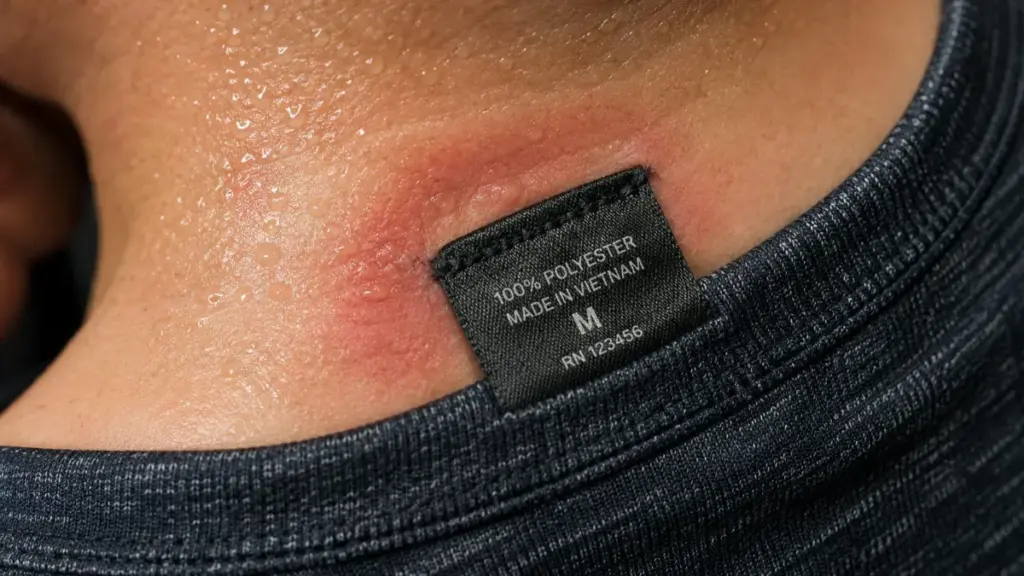
Traditional woven or printed labels are sewn into the seam or neck area of a garment. This method has been used for decades in general clothing. But activewear is different.
أثناء التمرين, the body moves constantly. Fabric shifts and stretches. A small sewn-in tag that feels fine in a fitting room can become very irritating after twenty minutes of yoga or running. The edges of the label can fold, curl, or scratch the skin repeatedly.
Many customers cut out these tags after their first wear. But cutting tags can damage the fabric or leave rough threads behind. This creates a poor user experience and reflects badly on the brand.
Heat-transfer labels remove this problem completely. There is nothing to scratch, fold, or cut out. The surface feels smooth and flat. For buyers and brand owners, this is a simple upgrade that directly improves how customers feel about your product.
Why Neck and Waist Need Tagless Solutions
Not all areas of a garment carry the same risk of irritation. The neck and waist are the 2 most sensitive zones in activewear.
The neck area sits directly against the skin during all types of movement. If there is a label here, it will rub with every turn of the head or stretch of the arms. ل ملابس اليوغا خصوصاً, where poses require full neck and shoulder movement, this is a real problem.
The waistband is another high-contact area. In leggings and shorts, the inner waistband label touches bare skin throughout the entire workout. Sweat makes the label wet. A wet woven label becomes even rougher against the skin.
Heat-transfer printing solves both of these problems. The print sits flat on the fabric. It does not add extra layers or edges. Brands that apply tagless solutions to these two key zones will immediately notice better customer reviews and fewer complaints about comfort.
اختبار المتانة: Labels That Survive Sweat and 100+ يغسل
A common concern from buyers is whether heat-transfer labels last. This is a fair question. Activewear is washed frequently and exposed to sweat, حرارة, and stretching. The label must survive all of this without cracking, peeling, or fading.
Good heat-transfer labels are tested for wash durability. In standard testing, labels should remain clear and intact after 50 ل 100 دورات الغسيل. At our factory, we use inks and transfer materials that are specifically formulated for high-performance fabrics.
The key factors that affect durability are ink quality, application temperature, and fabric compatibility. If any of these is wrong, the label will start to crack or lift at the edges after just a few washes. Working with an experienced manufacturer who understands fabric behavior is essential.
لأصحاب العلامات التجارية, always ask your factory for wash test results before approving a label style. A label that fails after ten washes will damage your brand reputation.
Print Techniques: Silicone, Water-Based, and High-Stretch Inks
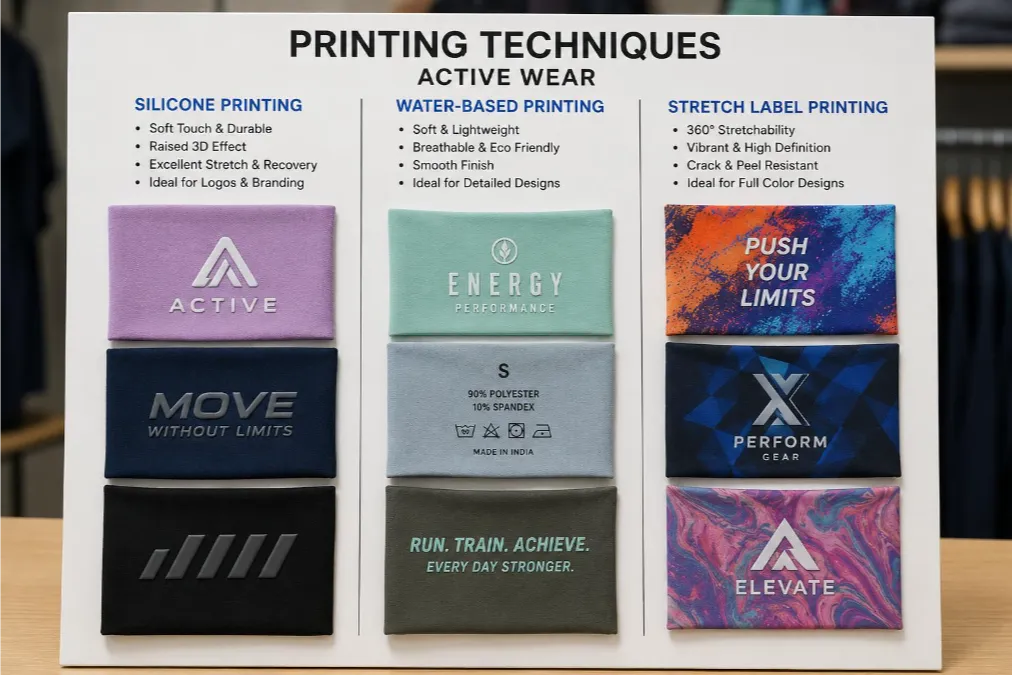
Not all heat-transfer inks are the same. The type of ink used affects how the label feels, how long it lasts, and how well it moves with the fabric.
Silicone ink: is soft and flexible. It stretches well and is often used on areas that experience a lot of movement, like waistbands or underarms. It has a slightly raised feel on the skin but is very smooth and non-irritating.
Water-based ink: is thinner and feels almost invisible on the fabric. It is popular for care labels and size tags where a clean, minimal look is preferred. It works best on lighter الأقمشة تمتد.
High-stretch inks: are designed specifically for fabrics like nylon-spandex blends that expand significantly during wear. These inks flex with the fabric without cracking. Choosing the wrong ink on a high-stretch fabric is one of the most common mistakes in activewear production.
For startup brands, discuss ink options with your manufacturer early. The right choice depends on your fabric type, garment design, and the level of stretch your product requires.
Brand Aesthetics: Clean Interior Look for Premium Positioning
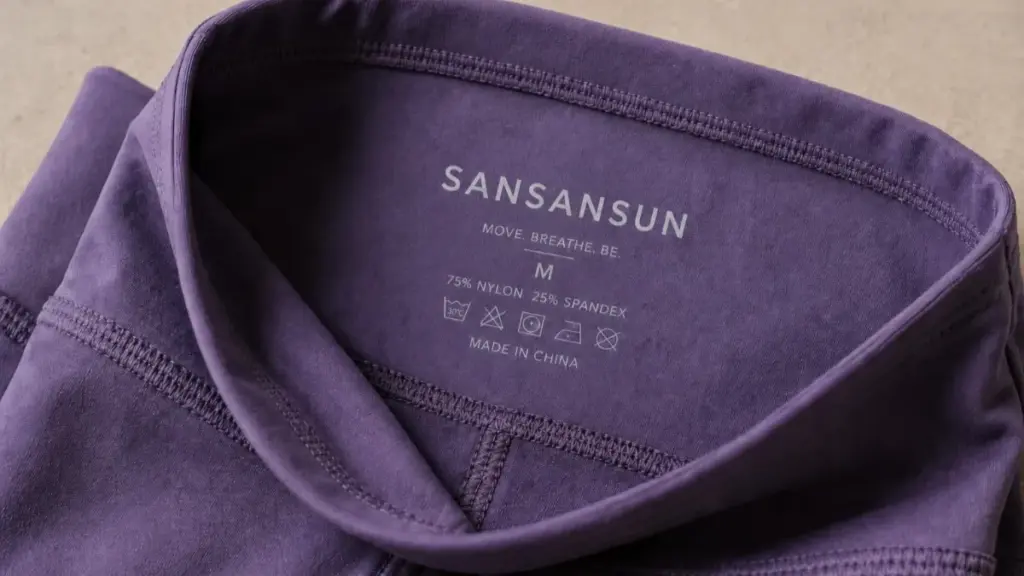
The inside of a garment tells a story about the brand. When a customer turns a legging inside out and sees a perfectly printed label on clean, smooth fabric, it creates a premium impression. When they see a bulky woven tag hanging at an angle, it feels cheap regardless of how good the outer fabric is.
Heat-transfer labels give brands full control over typography, layout, and color. You can print your logo, care symbols, مقاس, country of origin, and any other required information in a layout that matches your brand identity.
This matters especially for direct-to-consumer brands selling on Instagram, TikTok, or their own website. Customers share unboxing content. They photograph the details. A clean interior finish becomes part of your brand story.
At Sansanunsports, we can replicate your exact brand guidelines inside the garment. We help you design a label layout that looks professional from day one.
The Growing Trend Toward Tagless Activewear
The shift toward tagless activewear is not just a short-term trend. It reflects a bigger change in how brands think about product quality and customer experience.
اليوم, comfort is not only about the fabric on the outside. Even the inside details of a garment matter. That’s why more brands are moving away from traditional sewn-in labels and switching to heat-transfer (tagless) التسميات.
Many major global sportswear brands made this switch years ago. الآن, mid-size and new startup brands are also following the same direction. Customers have started to expect this level of comfort and finish. بسبب هذا, clothing with old-style tags can now feel outdated and less premium.
For buyers sourcing from China, adding heat-transfer labels to production is now easier and more affordable than before. Minimum order quantities are flexible ,design turnaround is faster, and the quality of printing materials has improved a lot in recent years.
If you are launching a new activewear brand or improving your current collection, switching to heat-transfer labels is one of the simplest and most effective upgrades you can make for better comfort and a more premium product feel.
How Sansan Sports Supports Private Label Labeling Solutions
سانسان سبورتس is a China-based sports clothing manufacturer specializing in:
- ملابس رياضية ذات علامة خاصة
- Heat-transfer label customization
- Wash durability testing
- OEM and ODM production
- Low MOQ manufacturing
We help brands create fully customized tagless labels that match their visual identity and perform reliably on high-stretch fabrics.
Whether you are launching your first yoga collection or upgrading an existing product line, our team can recommend the best label solution for your fabric, تصميم, والميزانية.
خاتمة
Heat-transfer labels are a small detail with a big impact. They improve comfort, protect skin during movement, enhance brand appearance, and reflect the quality standards that today’s activewear buyers expect. Whether you are a new brand just starting out or an established buyer looking to improve your product, understanding label technology is an important part of making better sourcing decisions. At our factory, we work with brands at every stage to help them choose the right label solution for their fabric, تصميم, والميزانية. Getting the inside of your garment right is just as important as getting the outside right.
If you are developing a new activewear line, contact us to request label samples and find the best solution for your brand.
الأسئلة المتداولة
س1: Are heat-transfer labels durable enough for activewear?
نعم. High-quality heat-transfer labels are designed to survive frequent washing and stretching. Good labels remain intact for 50 ل 100 or more wash cycles when the correct ink and application method are used.
س2: Can I customize the label design with my own brand logo and colors?
نعم. Heat-transfer labels can be fully customized with your brand logo, typography, size information, care instructions, and color palette.
س3: Why are heat-transfer labels better than sewn-in tags?
Sewn-in tags can scratch the skin during movement, especially in high-contact areas like the neck and waist. Heat-transfer labels are flat, سلس, and cause no irritation.