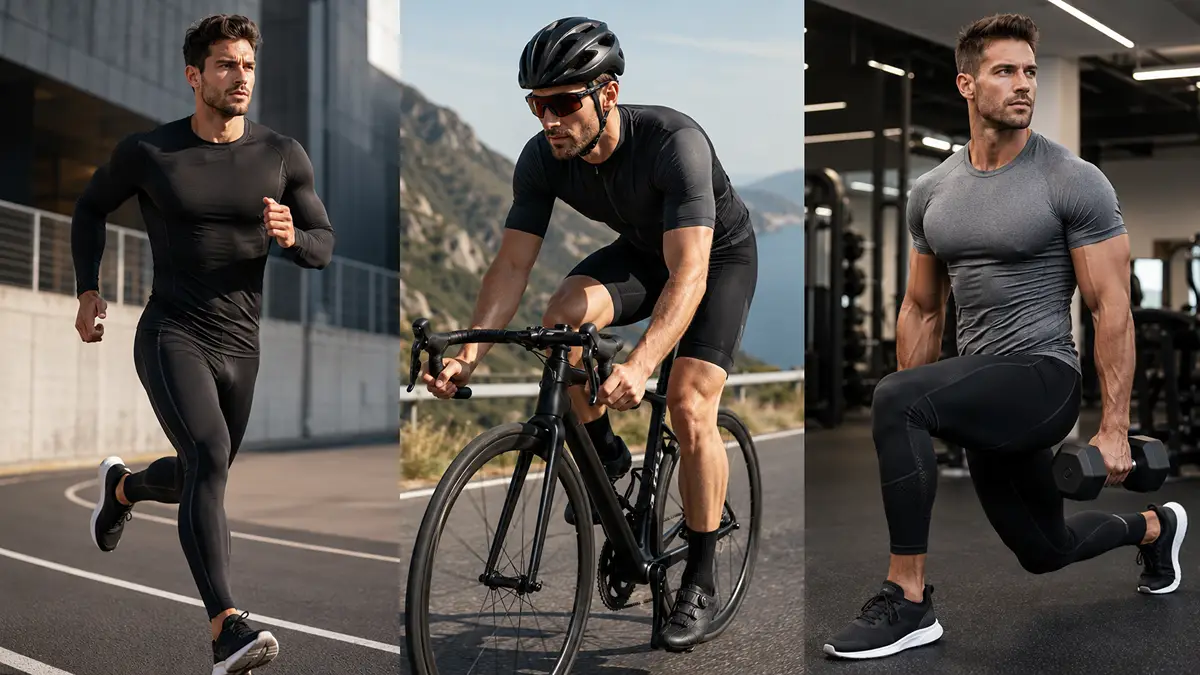
A few years ago, most activewear brands focused on three things when developing products: strecken, fit, and price. If the leggings looked good and the fabric felt soft enough, the product moved into production.
Heute, Jedoch, Yoga-Kleidung is no longer used only for workouts. Consumers wear activewear to Pilates classes, cafés, airports, and even while working from home. As activewear becomes part of everyday life, people are paying closer attention to comfort, skin feel, Nachhaltigkeit, and overall product experience.
This shift is driving growing demand for sustainable yoga wear fabrics that combine performance, Komfort, and lifestyle appeal.
Bamboo Fabrics: The Soft Comfort Direction
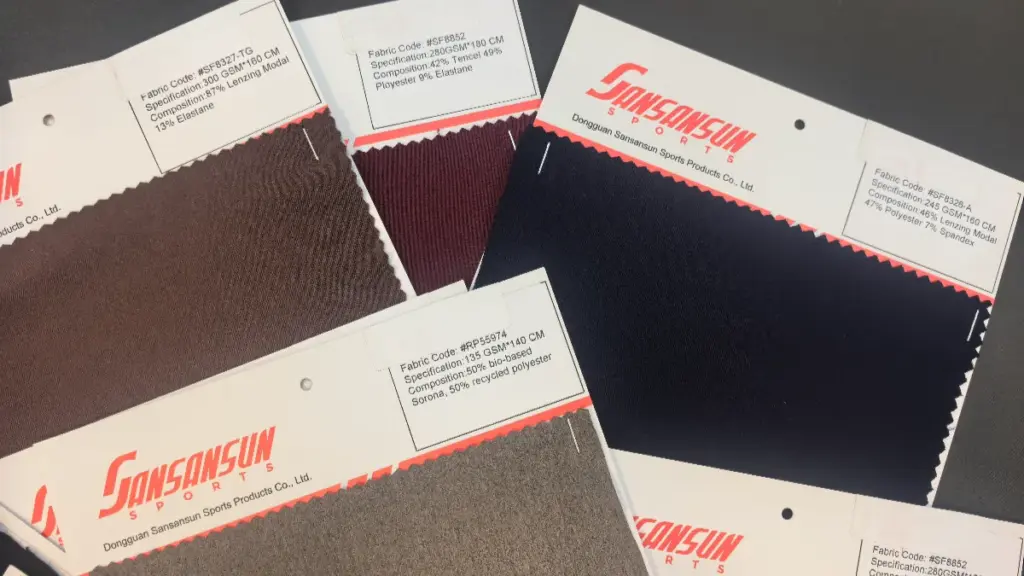
One category that continues to gain momentum is bamboo-based activewear fabric. Brands such as OLESSA and BOODY have helped introduce bamboo fabrics to a wider audience, particularly among consumers who prioritize wellness, Komfort, and eco-conscious living.
The popularity of bamboo fabrics comes from their ability to deliver a natural and comfortable wearing experience while still supporting active lifestyles.
Key Benefits of Bamboo Fabrics
- Excellent breathability
- Effective moisture absorption
- Soft skin feel
- Leichter Komfort
- Natural antibacterial properties
For activewear applications, bamboo is commonly blended with spandex to improve performance characteristics. This combination helps create garments that feel relaxed and natural while maintaining flexibility during movement.
Why Yoga Brands Are Choosing Bamboo
Many premium yoga wear brands use bamboo blends because they offer:
- Better stretch recovery
- Improved shape retention
- Enhanced durability
- Greater comfort for all-day wear
Perhaps more importantly, bamboo fabrics create a strong emotional connection with consumers. Shoppers often associate bamboo apparel with wellness, cleanliness, Sicherheit, and natural living. As yoga wear increasingly overlaps with lifestyle fashion, these emotional perceptions are becoming just as important as technical performance.
Tencel™: Luxury Sustainability
Another fabric gaining significant attention in the premium activewear market is Tencel™. Produced from natural wood pulp through a closed-loop manufacturing process, Tencel is often promoted for its sustainability credentials. Jedoch, most consumers are attracted to it for a much simpler reason—it feels luxurious.
Compared with traditional activewear fabrics, Tencel offers a more refined and elevated experience that aligns well with premium yoga and Pilates brands.
Key Benefits of Tencel™
- Silky softness
- Cooling touch
- Smooth drape
- Elegant appearance
- Premium texture
The fabric helps create garments that feel sophisticated rather than overtly athletic, making it particularly suitable for consumers seeking versatile products that transition seamlessly from studio sessions to everyday life.
Allgemeine Anwendungen
Many premium brands now use Tencel for:
- Flared leggings
- Fitted long-sleeve tops
- Lounge sets
- Relaxed activewear
- Elevated basics
This softer and more lifestyle-oriented positioning has become especially popular in Europe, Australien, and premium U.S. activewear markets.
Lenzing Modal™: The Second-Skin Fabric
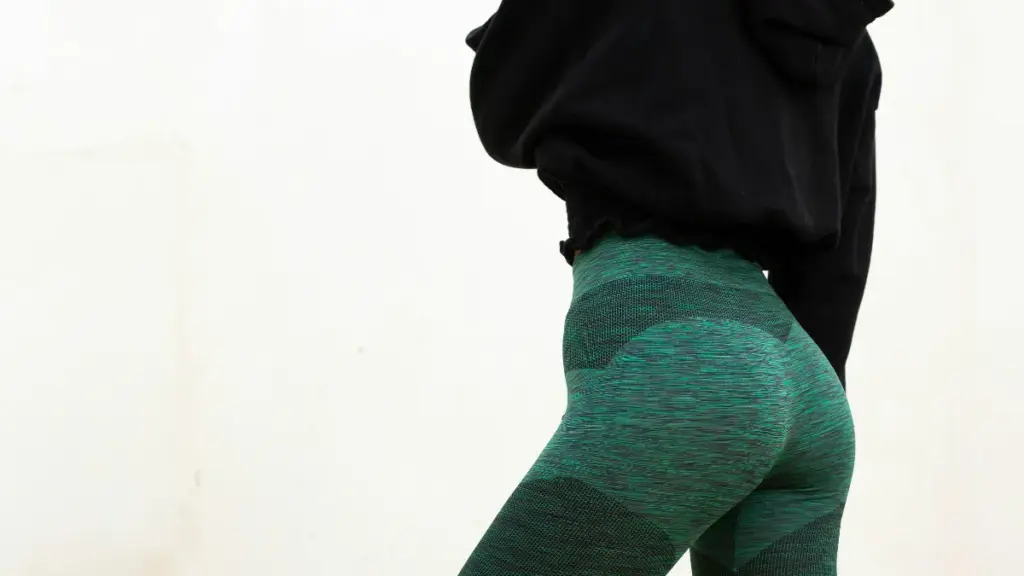
One of the most requested fabrics among boutique yoga wear brands today is Lenzing Modal™. It has become particularly popular among brands focused on Pilates, wellness aesthetics, slow living, and minimal luxury.
What makes Modal unique is its ability to combine softness and comfort with enough flexibility to support movement.
Key Benefits of Modal™
- Exceptional softness
- Lightweight structure
- Stretch comfort
- Smooth surface texture
- Elegant drape
Many consumers describe Modal garments as feeling like a second skin. Unlike heavily compressive activewear, Modal allows clothing to move naturally with the body.
Why Consumers Love Modal
Modern consumers are increasingly looking for:
- Freedom of movement
- Natural comfort
- Soft body feel
- Less restrictive apparel
Infolge, Modal has become a popular choice for yoga and Pilates collections that emphasize comfort and mindfulness rather than high-intensity performance.
Bio-Baumwolle: The Return to Simplicity
While performance fabrics continue evolving, another trend is happening at the same time. Many consumers are actively returning to simpler and more natural materials.
After years of synthetic-heavy fashion, shoppers are increasingly searching for products made from organic cotton and other skin-friendly fabrics.
What Consumers Are Looking For
- Bio-Baumwolle
- PFAS-free materials
- Non-toxic clothing
- Low-chemical processing
- Skin-safe textiles
For wellness-focused brands, these attributes often align closely with their broader brand values and customer expectations.
Benefits of Organic Cotton
- Natural comfort
- Soft breathability
- Reduced chemical exposure
- Skin-friendly wear
- Relaxed lifestyle aesthetics
Organic cotton is particularly popular in maternity activewear, low-impact yoga apparel, wellness collections, travel wear, and everyday basics.
While it may not offer the same technical performance as synthetic fabrics, its appeal lies in simplicity, transparency, und Komfort.
Recycled Fabrics Are Becoming the New Standard

Gleichzeitig, recycled performance fabrics are quickly becoming a baseline expectation for many premium activewear brands.
A few years ago, recycled materials were often viewed as a niche sustainability feature. Heute, they are increasingly considered a standard requirement for new product development.
Materials Brands Are Requesting
- Recycled nylon
- Recyceltes Polyester
- Recycled poly-spandex blends
Many startups and established brands also expect suppliers to provide:
- GRS certification
- OEKO-TEX certified options
- Traceable supply chains
- Sustainability documentation
The New Challenge
Consumers no longer want sustainability without performance.
They expect fabrics to be:
- Dauerhaft
- Weich
- Supportive
- Feuchtigkeitstransportierend
- Environmentally responsible
For manufacturers and product developers, the challenge is no longer simply creating sustainable products. The challenge is creating sustainable products that still feel premium and perform at a high level.
Different Sustainable Fabrics Comparison
| Stoff | Softness | Nachhaltigkeit | Leistung | Am besten für |
|---|---|---|---|---|
| Bambus | Hoch | Hoch | Medium | Yoga, Pilates, Lounge Wear |
| Tencel™ | Hoch | Very High | Medium | Premium Lifestyle Collections |
| Modal™ | Very High | Hoch | Medium | Pilates & Wellness Brands |
| Bio-Baumwolle | Medium | Hoch | Low-Medium | Daily Wear & Wellness |
| Recyceltes Nylon | Medium | Hoch | Hoch | Performance Activewear |
| Recyceltes Polyester | Medium | Hoch | Hoch | Ausbildung & Sportbekleidung |
The ideal fabric depends on your target customer, Markenpositionierung, Preispunkt, und Leistungsanforderungen.
Partner with an Experienced Sustainable Yoga Wear Manufacturer
Bei SANSANSUN SPORT, we work with growing yoga wear and activewear brands across Europe, dem Nahen Osten, Australien, and the United States. One thing has become increasingly clear: the future of premium activewear is no longer only about design.
The strongest brands are thinking much more strategically about fabric selection.
Questions Leading Brands Are Asking
- What emotional feeling does the fabric create?
- Does the fabric support the brand story?
- Does the hand feel justify the retail price?
- Can quality remain consistent in bulk production?
- Will customers immediately notice the difference?
- Can sustainability and performance coexist?
These questions often have a greater impact on long-term success than design trends alone.
How We Support Activewear Brands
We continue expanding our eco-focused fabric development capabilities, einschließlich:
- Bamboo performance fabrics
- Tencel™ activewear fabrics
- Lenzing Modal™ collections
- Organic cotton blends
- Recycled nylon fabrics
- Recycled polyester performance Stoffe
- Eco-certified yoga wear developments
We also support brands with:
- Stoffbeschaffung
- Swatch development
- OEM / ODM manufacturing
- Custom dyeing
- Small MOQ production
- Private label manufacturing
- Fabric recommendations based on positioning
- GRS & OEKO-TEX certified options
Because choosing the right fabric is no longer just a sourcing decision. It is becoming a brand positioning decision.
Letzte Gedanken
Honestly — we believe this is only the beginning.The future activewear market will belong to brands that can combine.Performance Comfort Emotion Sustainability Lifestyle and Product Identity into one complete product experience.
Curious to hear your thoughts:
Do you think consumers today are buying activewear mainly for: Leistung, Ästhetik, or emotional comfort?