
Stoffgedächtnis: Wie hochwertige Stoffe danach ihre Form behalten 100 Wäscht
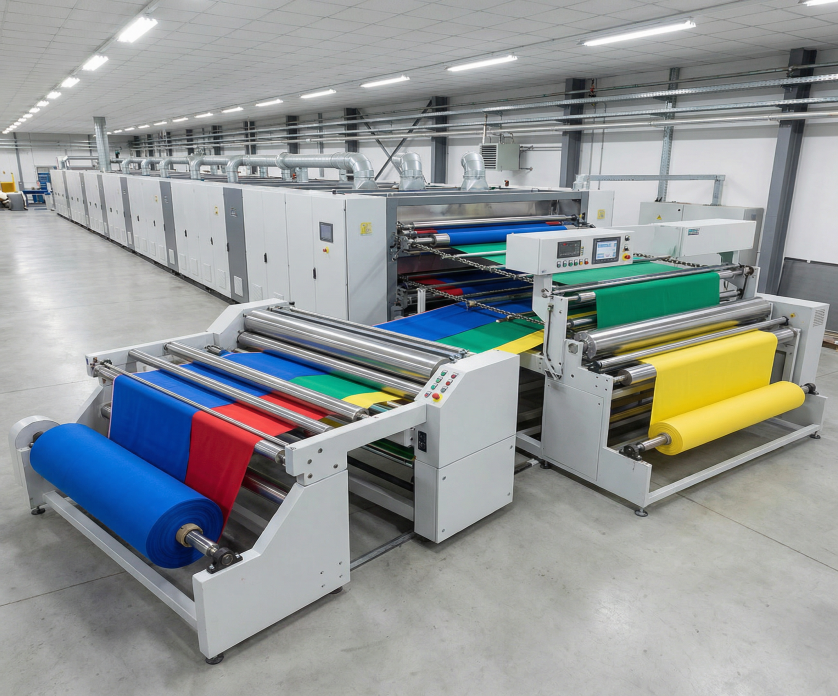
Entdecken Sie das Geheimnis des Stoffgedächtnisses – sehen Sie, wie hochwertige Textilien ihre Form behalten, fit, und Leistung auch danach 100 wäscht.
Vorteile der Verwendung von Modalstoffen von Lenzing in der Sportbekleidung
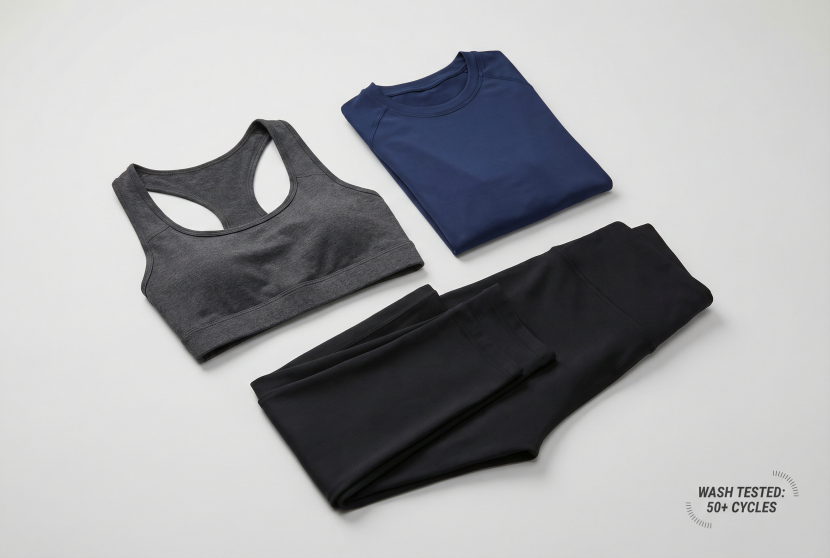
Werten Sie Ihre Sportkleidung mit Lenzing Modal auf – weich, atmungsaktiv, umweltfreundlicher Stoff, der den Komfort erhöht, Stil, und Leistung.
Hochwirksame Stützstoffe für CrossFit und Laufen
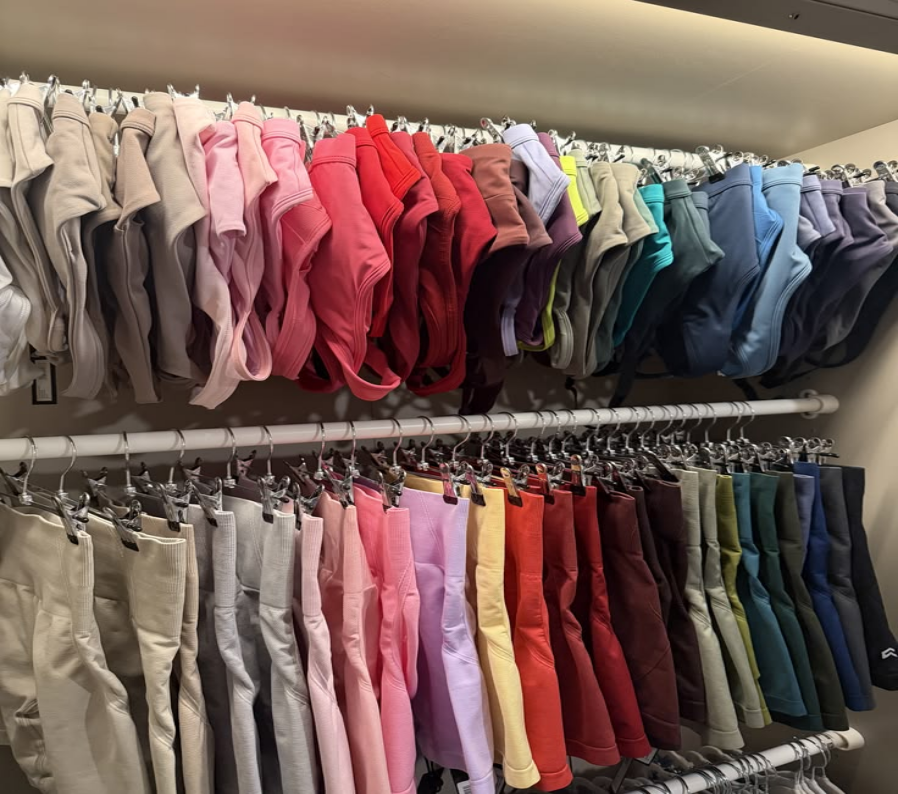
Steigern Sie Ihre Leistung mit langlebigem, Atmungsaktive Stützstoffe, die für CrossFit-Intensität und Langstreckenläufe entwickelt wurden.
Von Neo 100% Recycelbarer Stretchstoff für Activewear
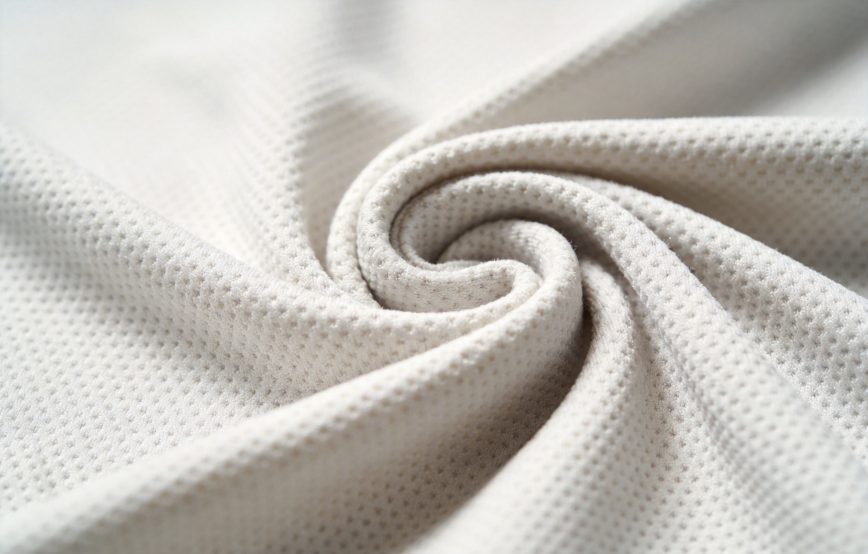
Werten Sie Ihre Sportkleidung mit Neolast auf. Das 100% recyclable stretch fabric perfectly balances premium performance and sustainability.
Schnell trocknend & UV-schützender Sorona/PA56-Performance-Stoff für moderne Sportbekleidung

Werten Sie Ihre Sportkleidung mit Sorona/PA56-Stoff auf! Erleben Sie erstklassigen UV-Schutz, Schnelltrocknungstechnologie, und unschlagbaren Komfort.
Wie Lösungsfärben dunkle Leggings vor dem Ausbleichen schützt
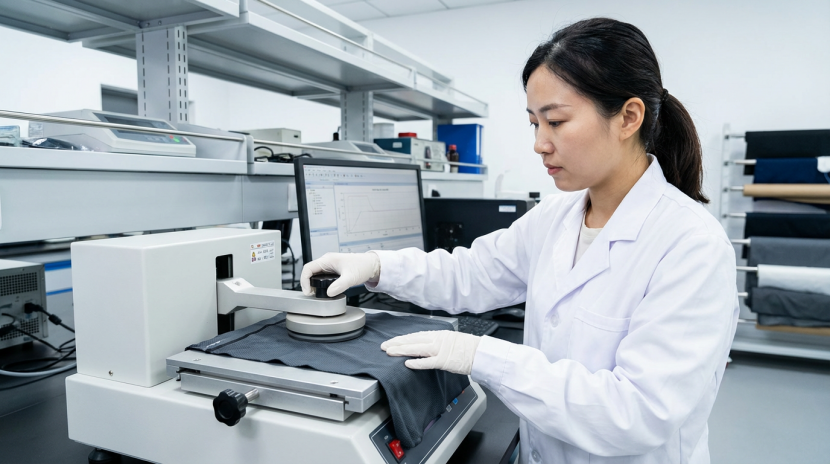
Sorgen Sie dafür, dass Ihre dunklen Leggings wie neu aussehen! Sehen Sie, wie innovatives Lösungsfärben reichhaltige Ergebnisse erzielt, fade-proof color wash after wash.
Mikroplastik-Abwurf: Das versteckte Problem bei Activewear-Stoffen
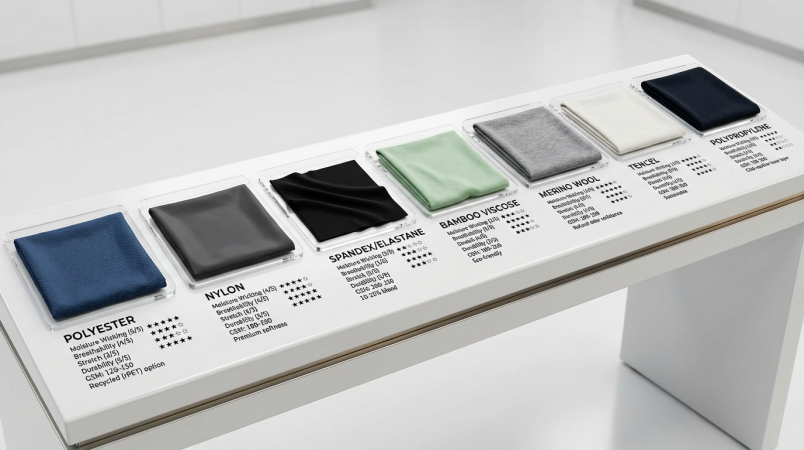
Die Freisetzung von Mikroplastik in Sportbekleidungsstoffen gefährdet die Ozeane und die Gesundheit. Erfahren Sie, was die Ursachen dafür sind und wie Marken die Auswirkungen reduzieren können.
Brushed Back-Technologie: Wärme ohne aufzutragen in Winter-Aktivkleidung

Bleiben Sie warm, ohne aufzutragen. Entdecken Sie die Technologie mit gebürsteter Rückseite für geringes Gewicht, Atmungsaktive Winter-Aktivbekleidung für Spitzenleistungen.
Der Spandex-Content-Mythos: Ist mehr immer besser?
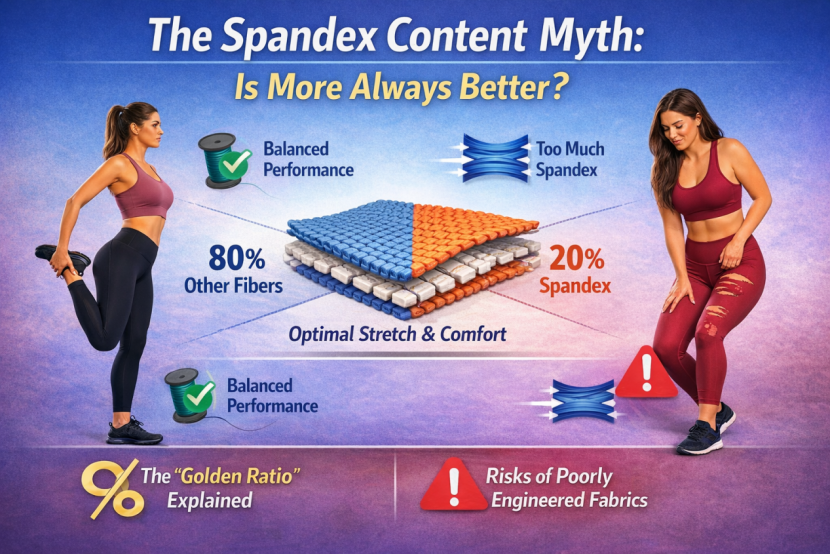
Ist ein höherer Spandex-Anteil immer besser?? Explore the truth behind fabric stretch, Komfort, Haltbarkeit, und Leistung.
PCM Black Tech: Intelligente Stoffe, die die Temperatur regulieren
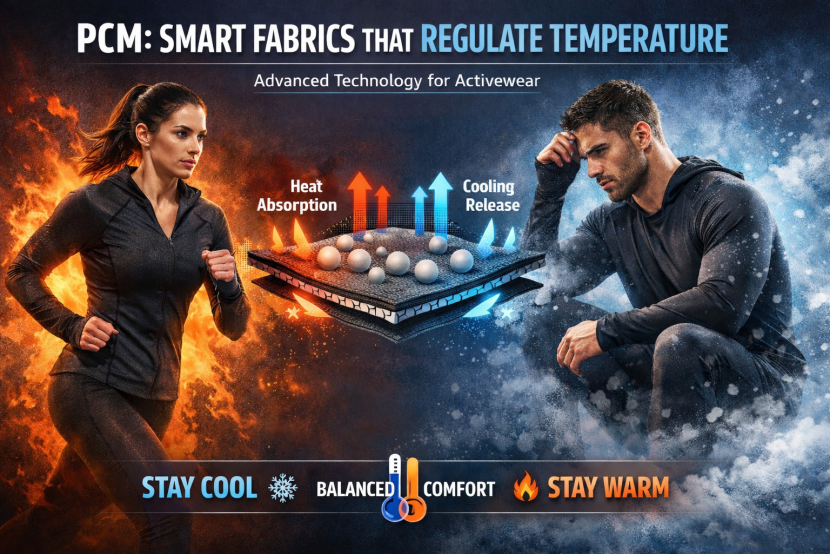
Entdecken Sie die intelligenten PCM Black Tech-Stoffe, die die Temperatur regulieren, enhancing comfort, Leistung, and innovation in modern textiles.


