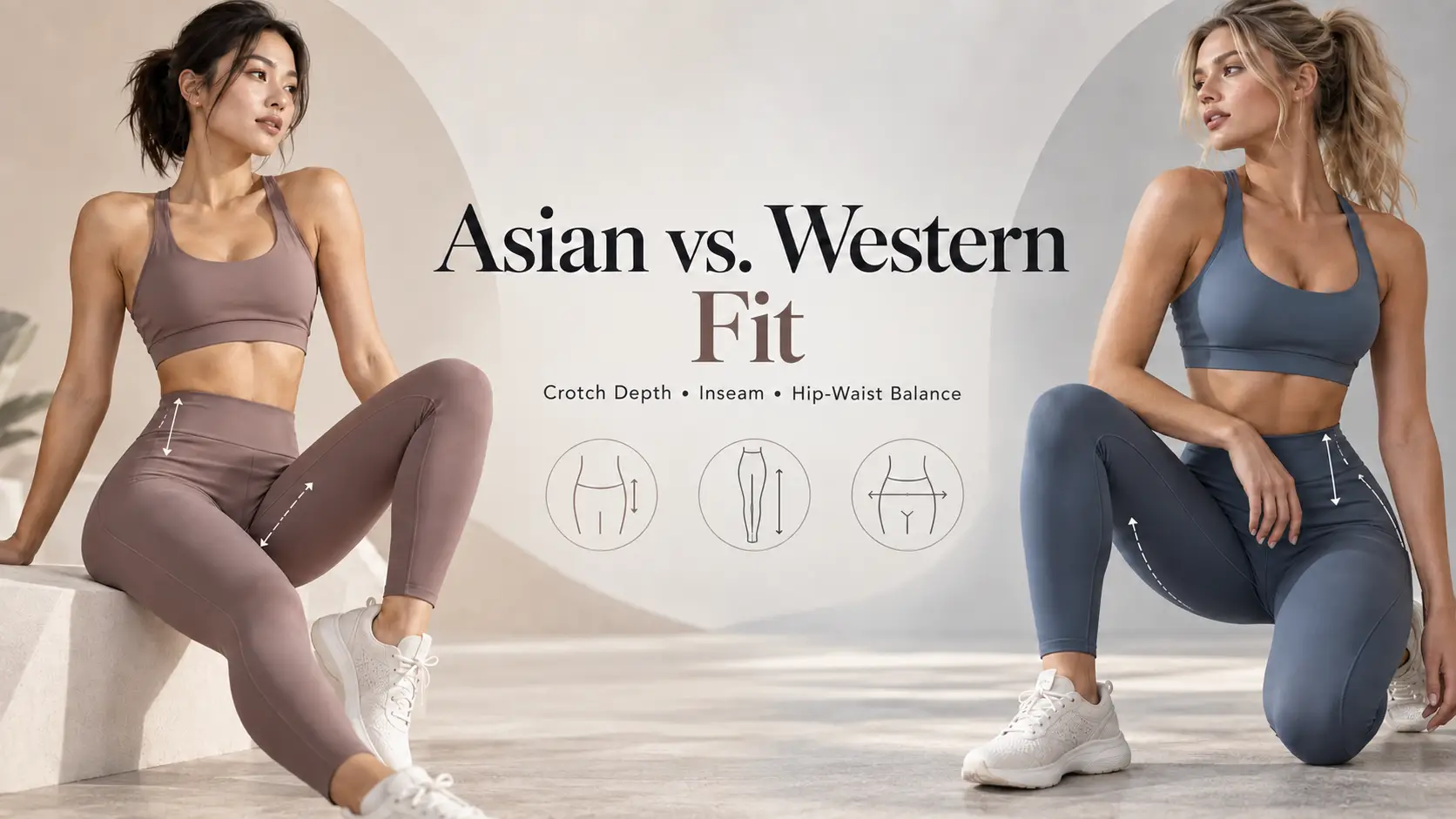
Maternity activewear design needs more than soft fabric and extra stretch. As pregnancy progresses, changing body measurements require thoughtful pattern design, flexible waistbands, and comfortable belly support.
Für wachsende Activewear-Marken, developing maternity yoga wear means balancing elasticity, Geweberückgewinnung, Atmungsaktivität, and garment construction. These details influence how prenatal leggings fit during movement and accommodate a growing belly.
This guide explains how to design maternity activewear, select suitable materials, and evaluate samples before bulk manufacturing.
What Makes Maternity Activewear Different?
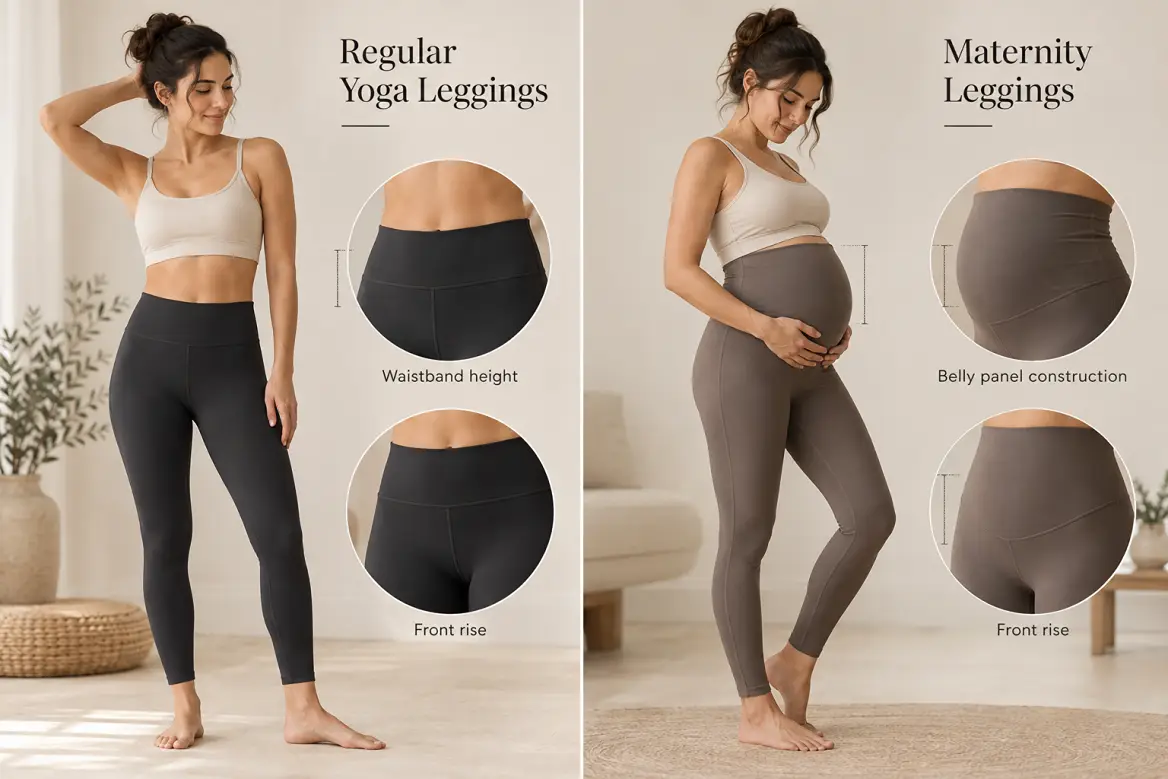
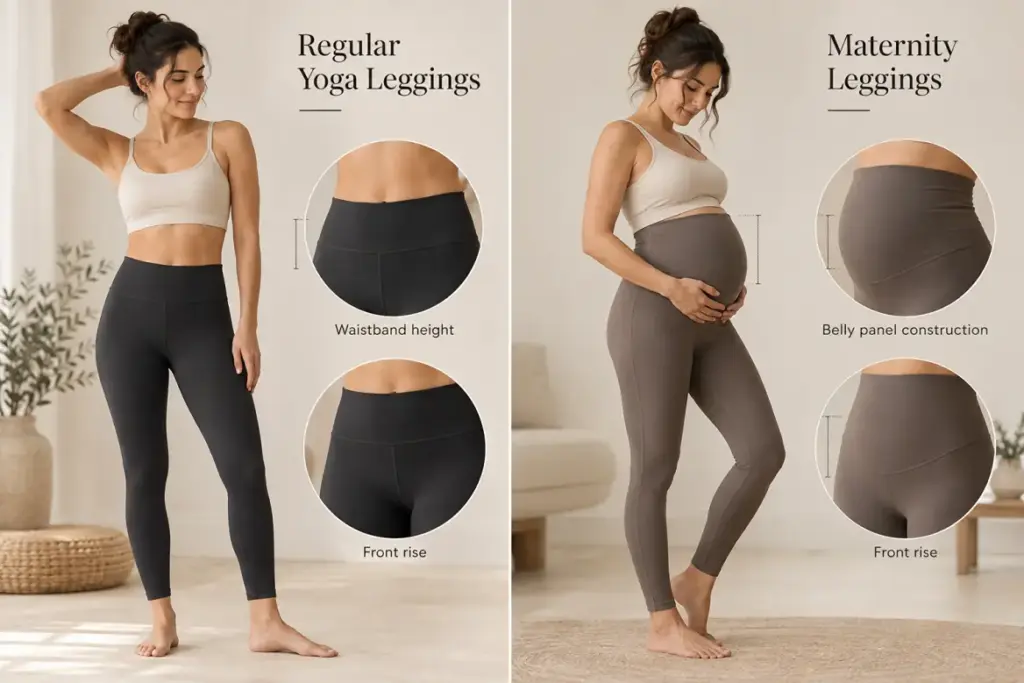
Unlike standard yoga leggings, maternity leggings are designed to accommodate changes in abdominal shape and waist measurements throughout pregnancy.
The key differences involve waistband tension, belly panel construction, front rise, und Dehnungsanforderungen.
| Design feature | Regular yoga leggings | Maternity yoga leggings |
|---|---|---|
| Bund | Firm elastic sized on negative ease | Gentle tension spread over a wider band |
| Front rise | Standard waist height | Extended or curved rise |
| Strecken | Movement flexibility | Movement plus belly expansion |
| Fit testing | Standard body measurements | Pregnancy-stage fit evaluation |
Für wachsende Marken, these adjustments help create maternity collections that prioritize comfort without sacrificing appearance or functionality.
A collection-level view of the same category is covered in our maternity activewear guide for fitness brands.
Belly Support Engineering in Prenatal Patterns
Effective belly support begins with maternity leggings pattern design, not stronger compression.
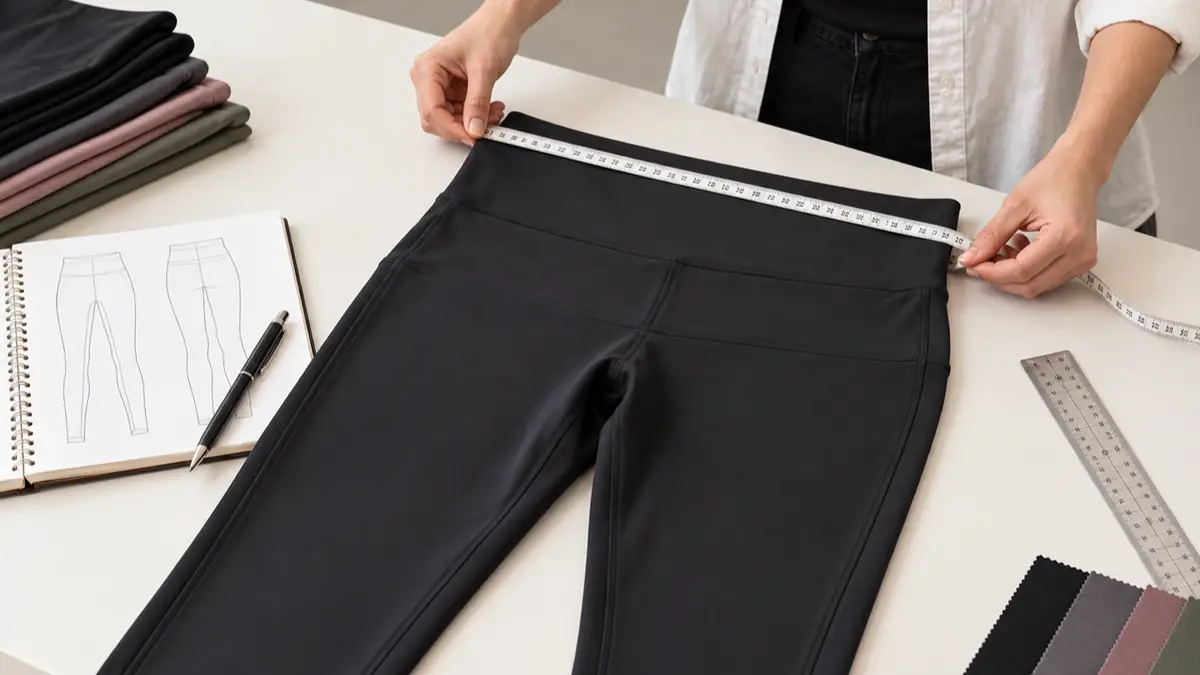
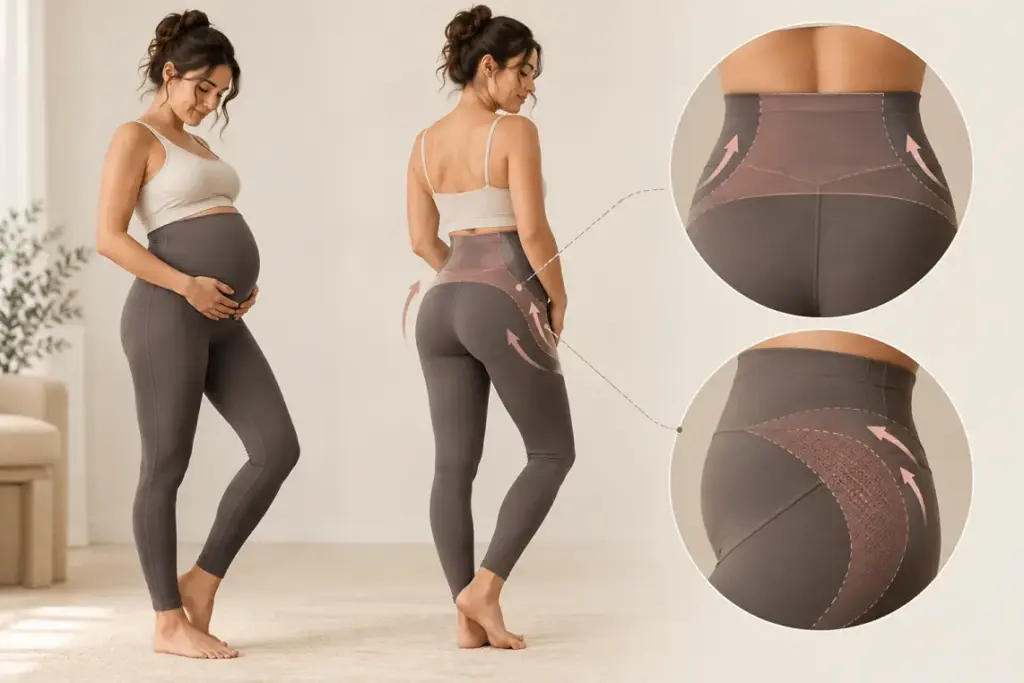
A well-designed belly panel follows the changing abdominal shape while spreading pressure across a wide contact area instead of concentrating it along one band line. Pattern makers adjust the waistband curve, front rise, and panel dimensions to allow comfortable movement.
During sampling, manufacturers should evaluate whether the waistband rolls down, creates pressure, or shifts during sitting and gentle stretching. Band migration is the most frequent complaint in maternity fit sessions, and its causes overlap with ordinary leggings, as covered in leggings waistband rolling.
Für Marken, proper panel engineering can improve fit consistency across different maternity sizes.
Elasticity and Recovery Balance for Bump Growth
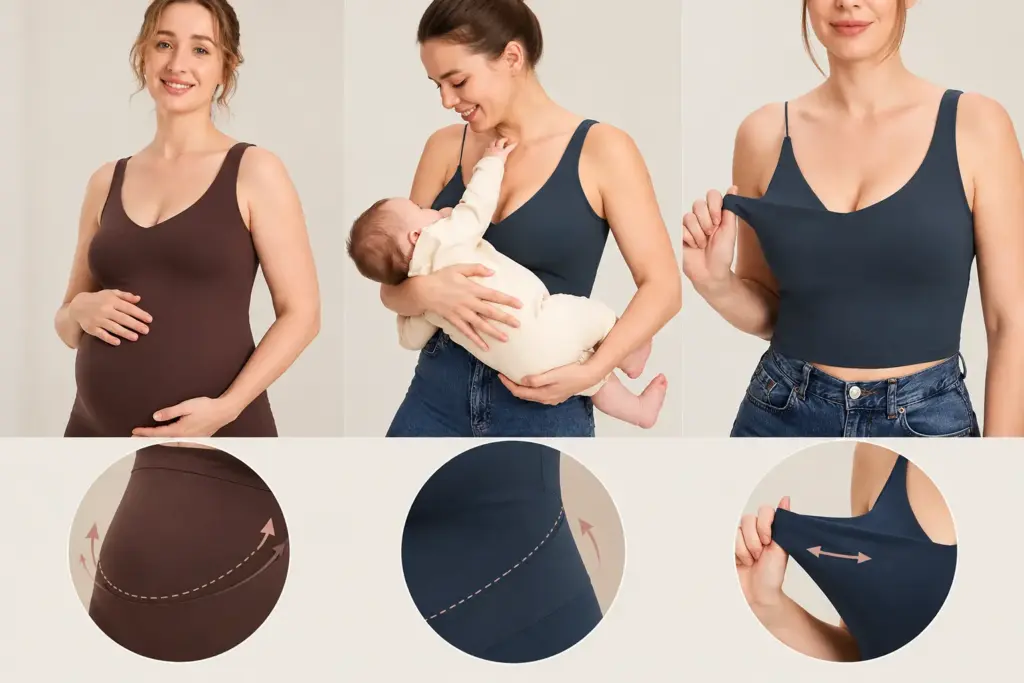
Activewear knits are usually described as four-way stretch, meaning they extend in both length and width. The numbers that actually predict fit are warp and weft elongation, and residual elongation once the fabric is released.
Jedoch, maximum elasticity does not automatically mean better comfort. Fabric must also recover after stretching to prevent loose knees, sagging, or waistband deformation.
Two fabrics with the same nylon-elastane composition may perform differently because of their knitting structure, yarn properties, und Veredelungsprozesse.
Brands should compare stretch extension, Erholung, and fabric tension before selecting materials for production. Stretch and recovery are two separate specifications, which is the distinction drawn in recovery power vs stretch in spandex.
Rise and Panel Adjustments for Pregnancy Stages
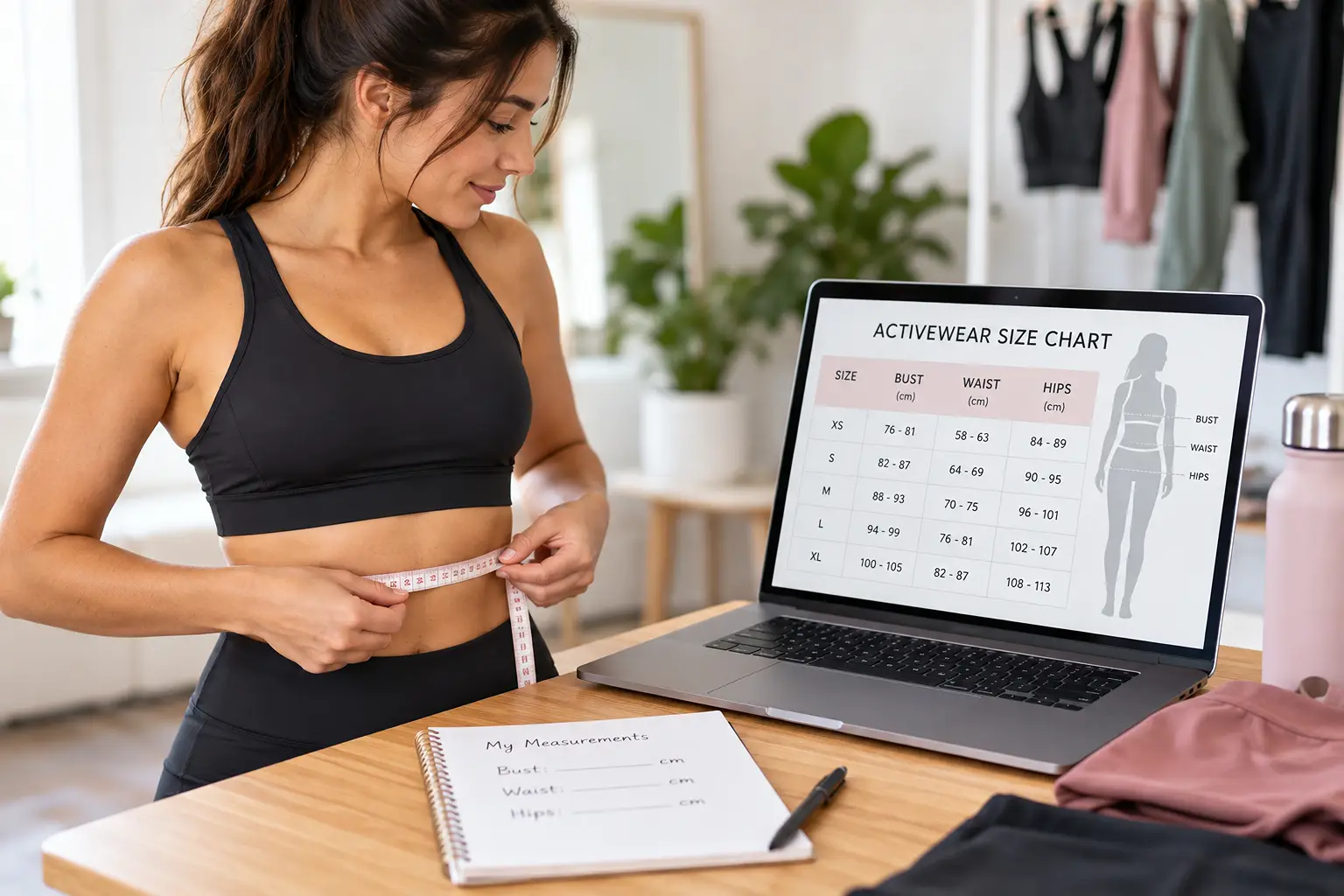
Pregnancy changes the shape and size of the abdomen, making standard leggings grading unsuitable for every maternity design.
Three common waistband constructions are:
- Over-the-bump leggings: a wide panel spans the abdomen and distributes pressure across it, while the band itself rests low on the hips.
- Under-the-bump leggings: a lower band sits beneath the belly and leaves the abdomen unconstrained, at the cost of more migration in later stages.
- Side-panel leggings: stretch panels at the sides extend as the bump grows, which suits a single style worn across all three trimesters.
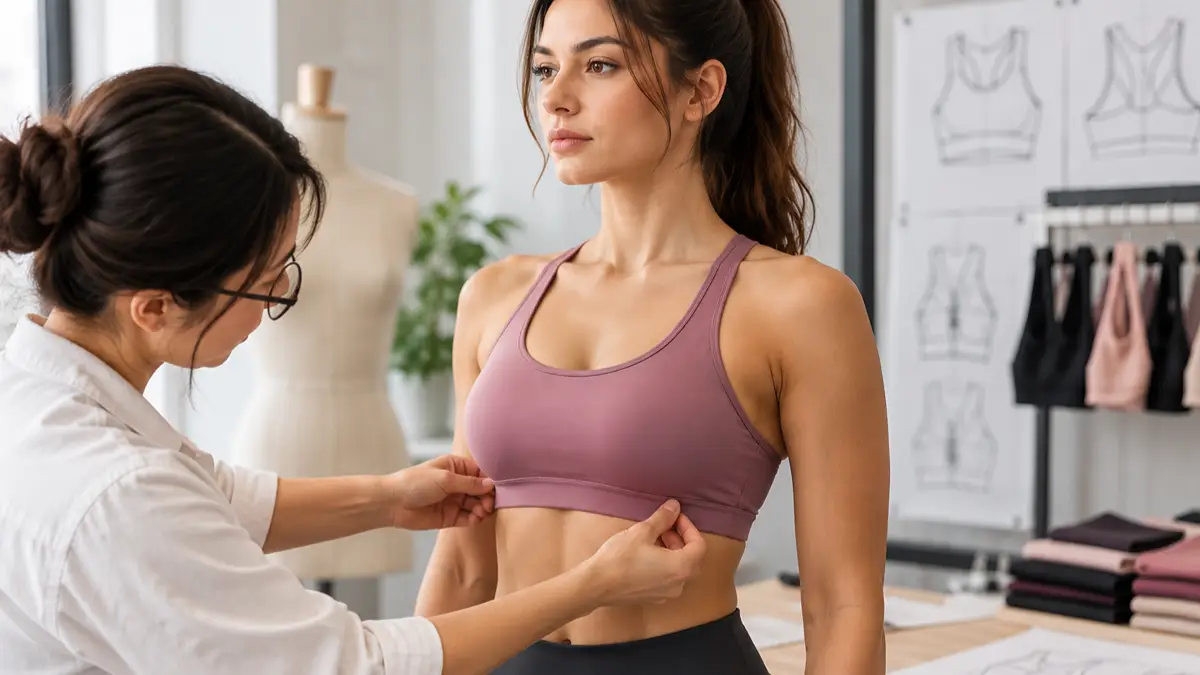
No single construction suits every customer. Brands should evaluate comfort, panel height, and waistband stability through fit testing at different pregnancy stages.
All three constructions sit inside the maternity activewear SANSANSUN develops for private label collections.
For Middle Eastern collections, over-the-bump leggings can also be paired with longer maternity tops and modest activewear designs.
Fabric Choices Prioritizing Stretch Recovery
Selecting the right fabric is essential for comfortable maternity activewear manufacturing.
Brands should consider softness, elongation and recovery, Atmungsaktivität, Feuchtigkeitsmanagement, Opazität, and washing durability.
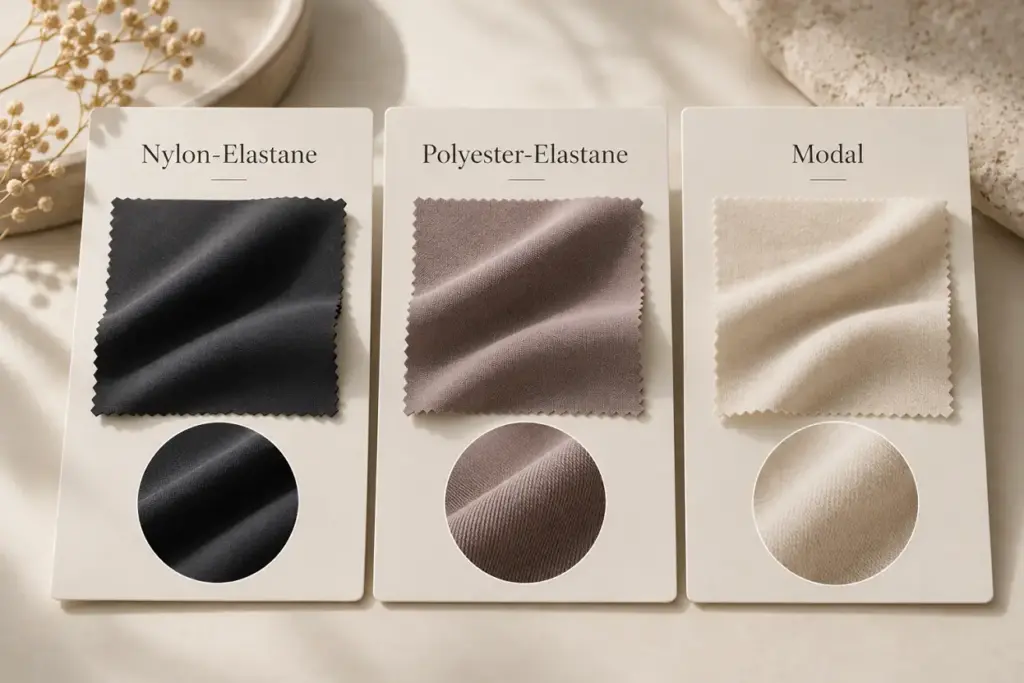
| Stofftyp | Main advantage | Manufacturing consideration |
|---|---|---|
| Nylon-elastane | Smooth feel and elastic recovery | Check waistband tension and opacity |
| Polyester-elastane | Durability and flexibility | Evaluate softness and breathability |
| Modal-elastane blends | Brushed hand feel and airflow | Cap the blend ratio; frequent washing exposes pilling and knee bagging |
Vor der Massenproduktion, brands should request fabric testing for recovery, Opazität, Schwindung, und Farbechtheit.
Maternity ranges should also confirm skin-contact credentials such as OEKO-TEX® Standard 100, and decide at pattern stage whether the design needs nursing access for postpartum wear.
Seamless Construction to Avoid Pressure Points
Seam placement influences comfort, particularly around the abdomen, hips, and inner thighs.
Two common manufacturing approaches are seamless knitting and cut-and-sew construction.
| Konstruktion | Main benefit | Design consideration |
|---|---|---|
| Nahtloses Stricken | Fewer sewn seams and smooth transitions | Control knitted waistband tension |
| Cut-and-sew | Flexible panel shapes and detailed pattern adjustments | Use smooth seam placement and finishing |
Seamless leggings can reduce certain friction points, while cut-and-sew methods offer greater flexibility in shaping maternity belly panels.
Elastane percentage alone does not decide which option feels better, because seamless knits build stretch structurally, as covered in why seamless activewear needs less spandex.
Für wachsende Marken, choosing the correct construction depends on design requirements, fit expectations, and production planning.
Posture Support Through Strategic Reinforcements
Maternity activewear may include flexible reinforcement panels around the hips and lower back to improve garment stability.
Unlike medical support products, standard prenatal yoga leggings should not claim to correct posture or relieve pregnancy-related pain without appropriate evidence.
Stattdessen, manufacturers should focus on balanced fabric tension, comfortable movement, and avoiding restrictive abdominal pressure.
During wear testing, brands should evaluate how reinforcement panels perform when standing, gehen, Biegen, and sitting.
Häufig gestellte Fragen
What is the best fabric for maternity activewear?
Nylon-elastane is the default choice for maternity leggings because it combines elastic recovery with opacity. Modal-elastane blends feel softer but lose shape faster, so the blend ratio needs testing. Either way, ask the mill for elongation and recovery data rather than a four-way stretch claim.
How are maternity leggings different from regular yoga leggings?
Maternity leggings modify the front rise, belly panel, and waistband so the garment accommodates abdominal growth. They are also graded and fit-tested across pregnancy stages instead of against one body measurement set.
Are seamless or cut-and-sew maternity leggings better?
Both have advantages. Seamless construction reduces sewn seams and can reach the required stretch with lower elastane content, while cut-and-sew allows more detailed shaping of belly panels and waistband curves.
Can maternity activewear manufacturers customize sizing and belly panels?
Ja. OEM and ODM manufacturing can support custom patterns, belly panel dimensions, Stoffe, size grading, Farben, Branding, und Verpackung, including over-the-bump, under-the-bump, and side-panel constructions.
Abschluss
Successful maternity activewear design requires the right combination of belly support, Dehnungserholung, pattern adjustments, and comfortable garment construction.
For growing brands entering international and Middle Eastern markets, careful fabric selection and pregnancy-stage fit testing can help reduce product-development mistakes and improve collection consistency.
LAGER, a China-based OEM, ODM, and MDMD activewear manufacturer, supports custom activewear development through fabric sourcing, Musterherstellung, Musterentwicklung, und Massenproduktion.
Contact SANSANSUN to discuss fabric selection, individuelle Designs, and manufacturing requirements for your next maternity activewear collection.