
Cómo afecta GSM a las polainas: 300gsm frente a 220 gsm para comodidad a prueba de sentadillas
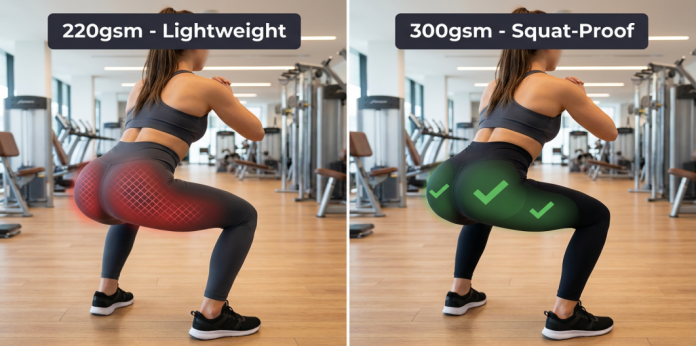
GSM define cobertura y confianza. Compare 300gsm vs 220gsm leggings for true squat-proof comfort and support. Don’t miss out!
Ropa deportiva antiolor: Iones de plata frente a minerales naturales

El sudor es una parte natural de cada entrenamiento., especially during in daily fitness routines. Sin embargo, bad odor in leggings, sujetadores deportivos, and gym tops is something no one enjoys. Even after washing, some activewear still smells, which can be frustrating for users and damaging for brands. That’s why modern anti odor activewear uses special fabric […]
¿Qué materiales no se pueden reciclar?? Edición Textil para Marcas (2026 Referencia)

Materiales textiles que contienen más 2-3% elastane or incompatible coatings like PU/PVC pose significant recycling barriers, leading to substantial landfill waste and hindering brand sustainability goals. For product designers and material developers, understanding these limitations is critical. This guide details why fabrics with >3 wt% EVOH or carbon black pigment challenge 2026 recycling standards. It outlines […]
Poliéster vs poliéster reciclado: ¿Cuál debería elegir su marca?? (2026 Guía)

Esta guía analiza las distinciones de producción de poli.(tereftalato de etileno), compares fabric performance like 3.5–5.5 cN/dtex tenacity, and details GRS certifications to inform your 2026 material strategy. Polyester vs Recycled Polyester Virgin polyester and recycled polyester are both poly(tereftalato de etileno) (MASCOTA) at a chemical level. Their main difference lies in feedstock origins and processing impacts. Recycled […]
¿Es seguro el poliéster reciclado?? Salud, Microplásticos & Rendimiento explicado (2026)
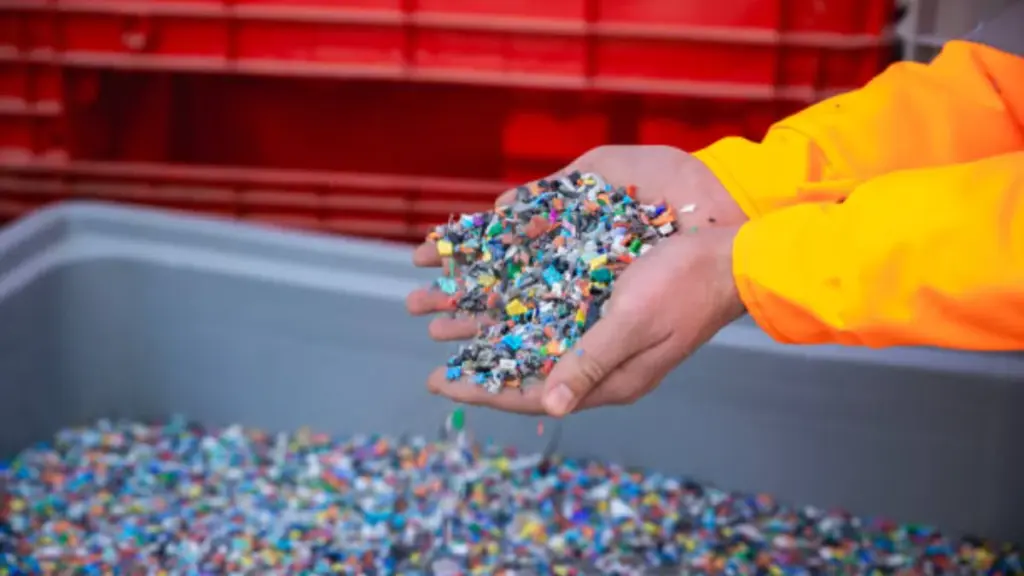
Unaddressed concerns around chemical residues or microplastic shedding risk compromising product integrity and exposing businesses to compliance failures. This guide provides technical clarity, analyzing the 30 mg/kg antimony limits under OEKO-TEX Standard 100, tracing content via GRS, and assessing shedding with ISO 4484-1 to ensure robust material specifications. ¿Es seguro el poliéster reciclado?? Recycled polyester is […]
Poliéster versus spandex: ¿Qué tela funciona mejor para la ropa moderna?? (2026 Guía)
Esta guía explora diferencias fundamentales como poli(tereftalato de etileno) versus segmented polyurethane, details performance metrics such as ASTM D2594 for stretch, and covers care protocols (p.ej., 20-25 °C washes) for fabric blends. Poliéster versus spandex: What’s the Key Difference? Poliéster (poly(tereftalato de etileno)) acts as the strong, durable, and structurally stable component in fabrics, providing shape retention […]
Elastano versus spandex: ¿Son realmente la misma tela??
Esta guía detalla la fibra de poliuretano segmentada idéntica, reviewing properties like 500-700% elongation, ≥95% elastic recovery per ASTM D2594, and ideal 20-40 denier yarn blends for precise sourcing and robust quality control. Elastane vs Spandex In 2026, elastane and spandex refer to the same synthetic fiber, chemically defined as segmented polyurethane, used for stretch in […]
Eco-Fabric Spotlight: RPET Yoga Leggings from Bottles
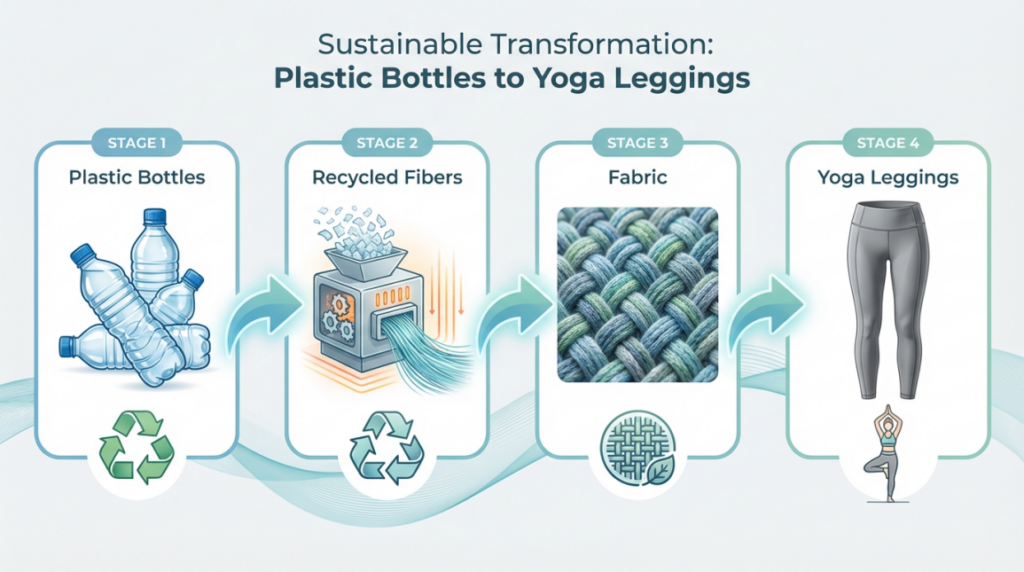
Explore RPET yoga leggings made from recycled bottles and how manufacturers help brands create sustainable, high-quality activewear.
Capillary Action in Quick-Dry Fabrics: The Real Science
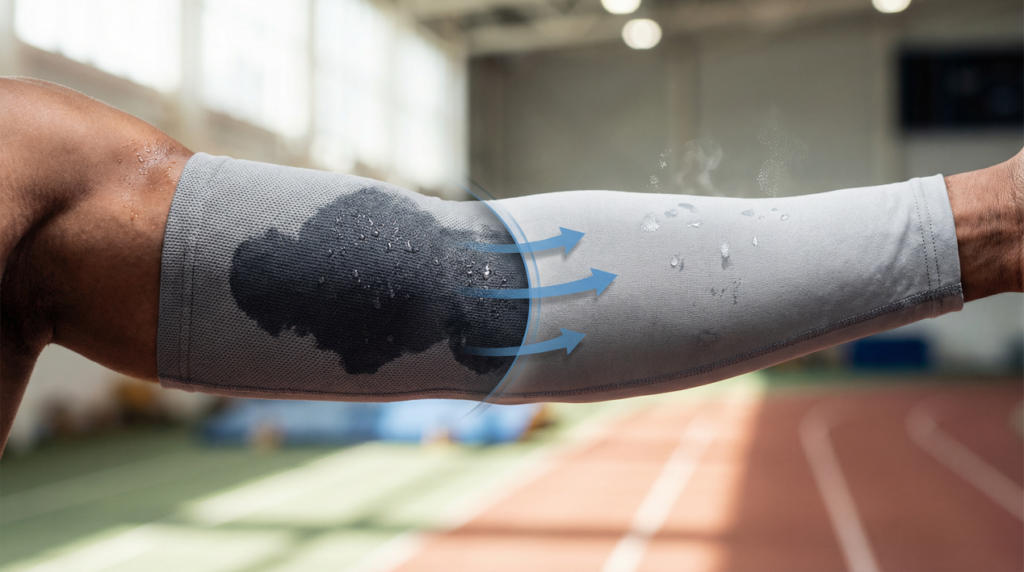
Learn how capillary action powers true quick-dry fabrics and why top brands choose Sansansun Sports for custom sportswear apparel.
Sensación desnuda: Microfibra & Cepillado para ropa deportiva Buttery-Soft
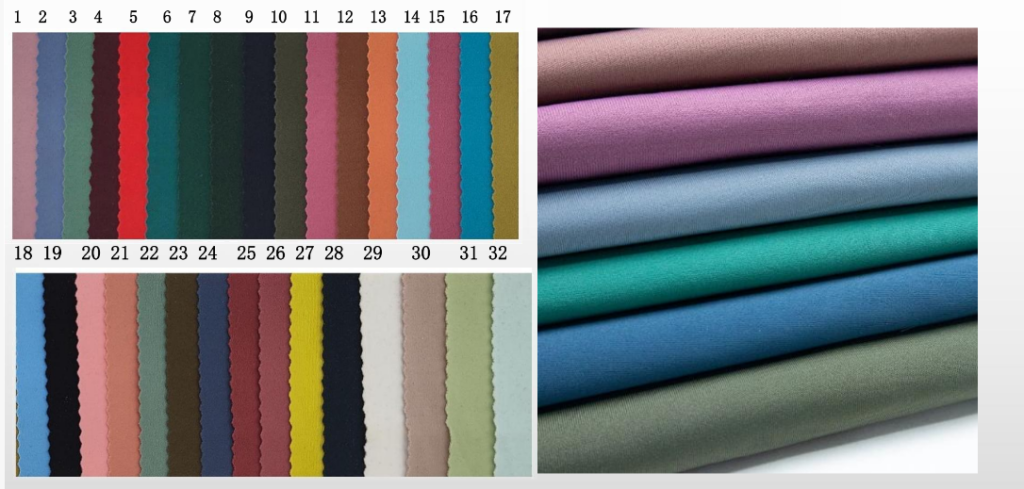
Explore cómo los tejidos de microfibra y las técnicas de cepillado crean ropa deportiva suave como la mantequilla, enhancing comfort, performance, and premium feel.


