
Tecnología cepillada: Calidez sin volumen en ropa deportiva de invierno

Mantente abrigado sin volumen. Explora la tecnología cepillada que potencia el peso ligero, Ropa deportiva de invierno transpirable para un máximo rendimiento..
El mito del contenido de spandex: Es más siempre mejor?
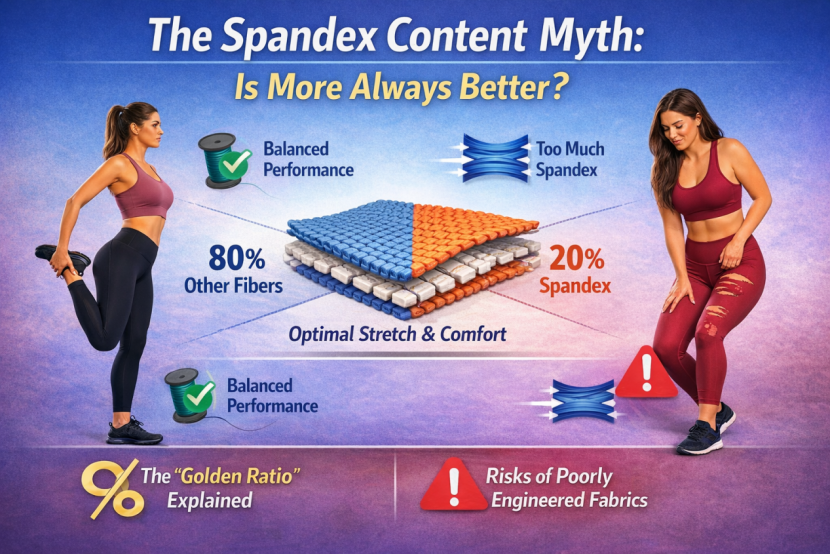
¿Siempre es mejor un mayor contenido de spandex?? Explore the truth behind fabric stretch, comodidad, durabilidad, y rendimiento.
PCM tecnología negra: Tejidos inteligentes que regulan la temperatura
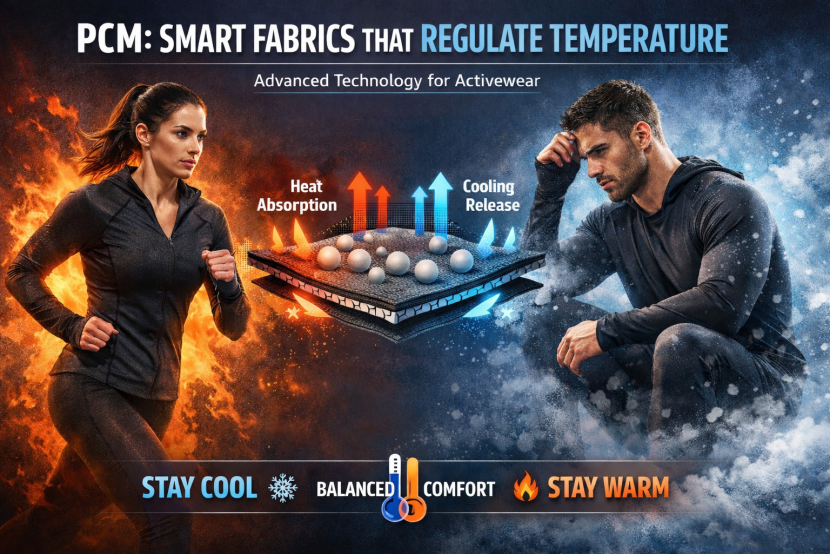
Explora los tejidos inteligentes PCM Black Tech que regulan la temperatura, mejorando la comodidad, actuación, and innovation in modern textiles.
Tejidos de alto rendimiento a base de plantas: Bambú & TENCEL™ Lyocell en ropa deportiva
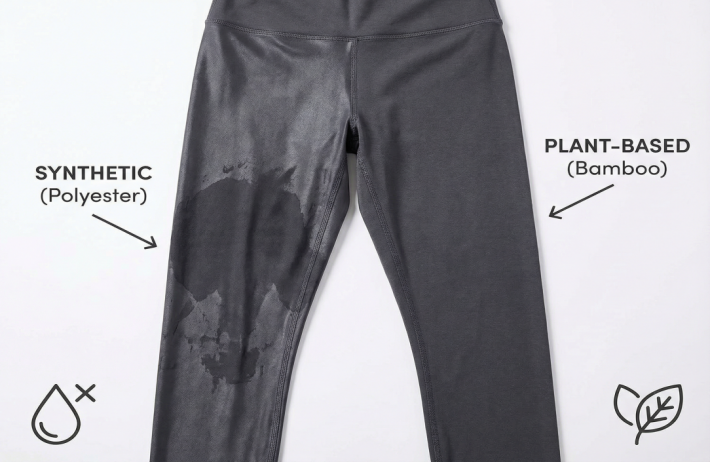
Explicación de los tejidos de alto rendimiento a base de plantas: El bambú y el lyocell TENCEL™ aportan suavidad., and moisture-wicking comfort for activewear.
¿Por qué las costosas polainas se pelan después de dos usos??
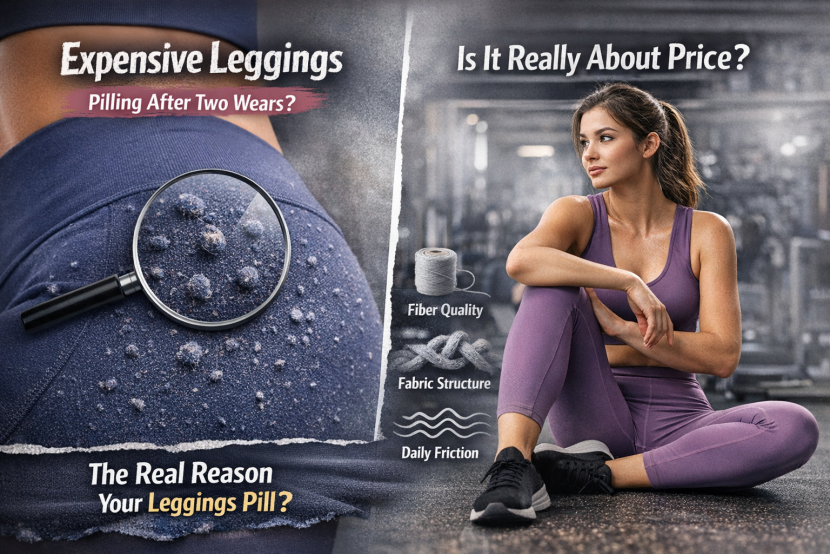
Leggings premium con bolitas después de dos usos.? Aprende por qué sucede, how fabric quality matters, and smart tips to keep leggings smooth longer.
Por qué es importante el módulo de tejido en la ropa de yoga
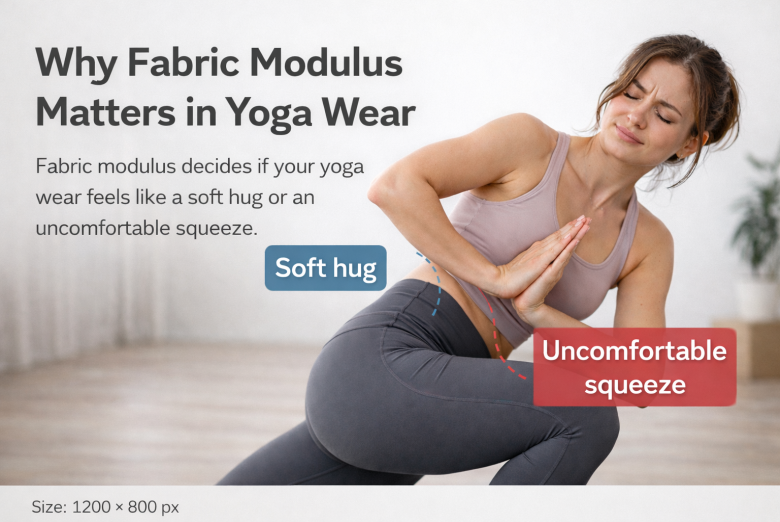
Learn why fabric modulus matters in yoga wear and how it affects stretch, apoyo, comodidad, and performance during every pose.
Nailon vs.. Poliéster: Encontrar la tela adecuada para tu entrenamiento
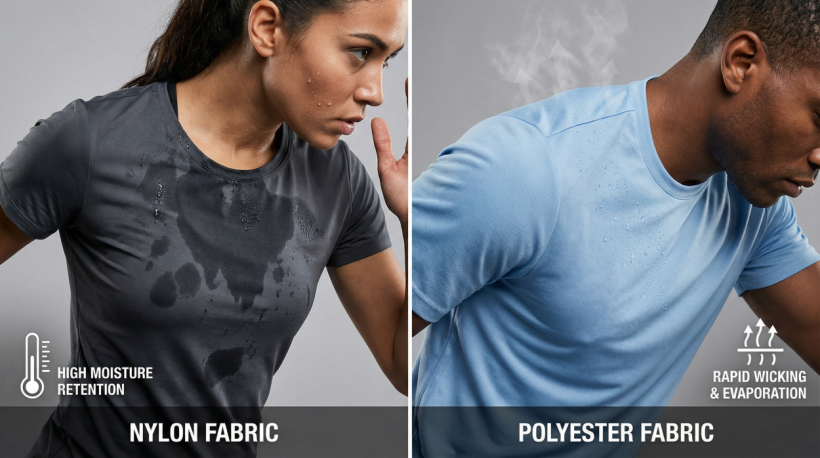
Nailon o poliéster? Explore las diferencias clave en el rendimiento, comodidad, and durability to choose the best workout fabric.
Tipos de tela: Guía completa para diseñadores & Compradores
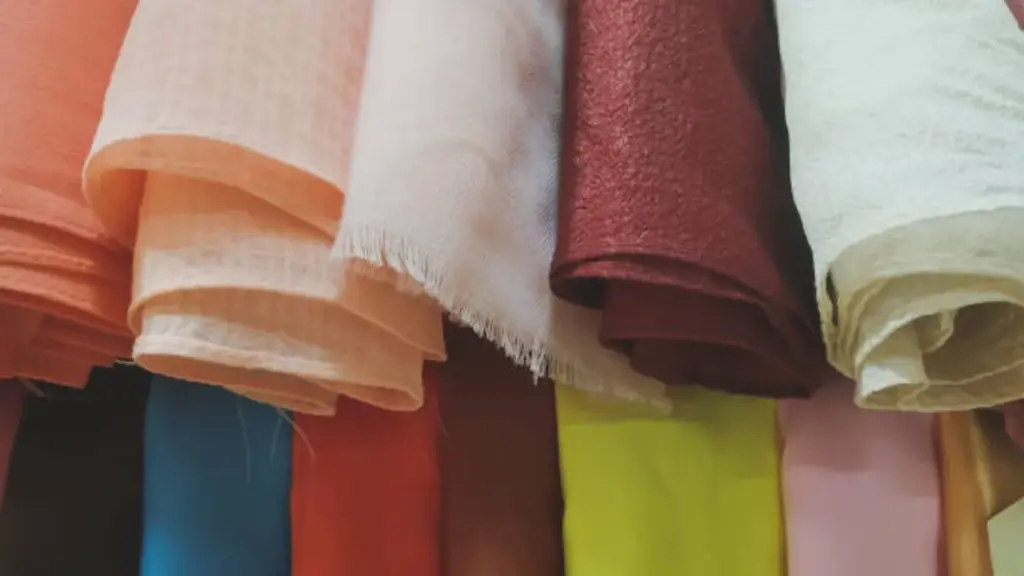
This guide provides a precise breakdown of materials from natural cotton and linen to advanced synthetics like nylon and spandex. We detail specific metrics, including ISO 2076 standards and optimal gsm ranges, to ensure informed material selection for your next collection. The Main Types of Cloth Fabric Explained In 2026, we classify the main types […]
Nailon regenerado Econyl®: Convertir los desechos del océano en ropa deportiva

El nailon regenerado Econyl® convierte los desechos del océano en ropa deportiva de alto rendimiento, blending sustainability with durability and sleek style.
Cómo afecta GSM a las polainas: 300gsm frente a 220 gsm para comodidad a prueba de sentadillas
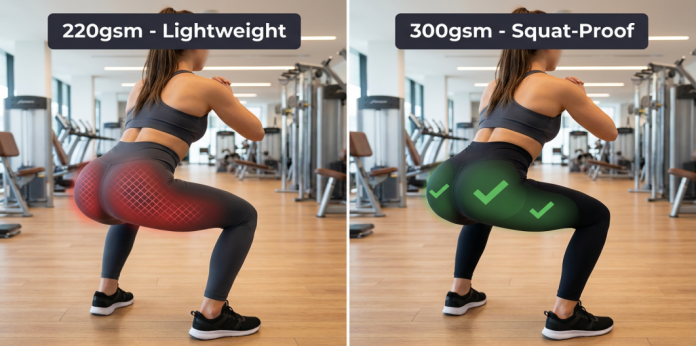
GSM define cobertura y confianza. Compare 300gsm vs 220gsm leggings for true squat-proof comfort and support. Don’t miss out!


