For garment technicians, factory engineers, और परिधान डिजाइनर, the limits of traditional stitching can hold back performance, टिकाऊपन, and production efficiency. Heat-sealing technology offers stronger seams, reduced bulk, and faster output—addressing critical demands in modern sportswear and technical apparel manufacturing.
This guide covers what heat-sealing technology is, its key benefits over stitching, and how it improves comfort and durability—helping industry professionals boost garment performance, streamline production, and expand design possibilities.
What Is Heat-Sealing Technology?
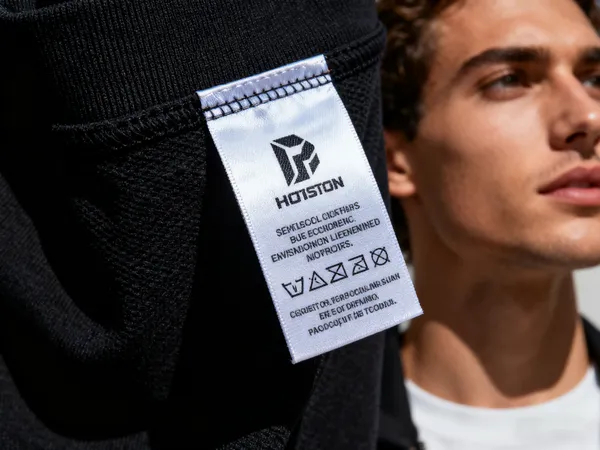
Heat-sealing technology is a manufacturing process that applies controlled heat and pressure to bond two thermoplastic materials together, creating airtight, watertight, and durable seals. It is widely used in apparel to create seamless, लाइटवेट, and high-performance garments without stitching or adhesives.
In our experience with heat-sealing technology in clothing, it has transformed how high-performance garments are made. By eliminating stitching and adhesives, brands achieve greater durability and comfort while maintaining sleek aesthetics.
Core Principles and Process Components
Heat-sealing fuses thermoplastic materials by applying a combination of heat, दबाव, and time. The process softens materials to their melting point, enabling two layers to bond firmly.
- Precise control of temperature, pressure duration, and contact time prevents material damage and ensures consistent seals.
- Common thermoplastics: polyethylene (PE), polypropylene (पीपी), polyvinyl chloride (PVC).
- Popular sealing methods include impulse sealing and constant heat sealing for varied manufacturing needs.
Applications and Industry Use Cases
Heat-sealing has broad applications beyond apparel, serving industries that demand airtight and moisture-resistant seals.
- Medical device packaging, automotive components, electronics, and food packaging.
- Apparel applications: bonding synthetic fabrics, composite layers, and elastomeric components without needle holes or adhesives.
- High-speed continuous motion sealers increase productivity while ensuring seal integrity.
- Integration with 3D body scanning improves precision fit and sportswear performance.
Benefits and Quality Characteristics
We have found that garments produced with heat-sealing offer superior protection and comfort compared to traditional sewn products.
- Airtight, moisture-resistant, tamper-proof, contaminant-resistant seals.
- No stitching means reduced bulk, minimized chafing, and improved durability.
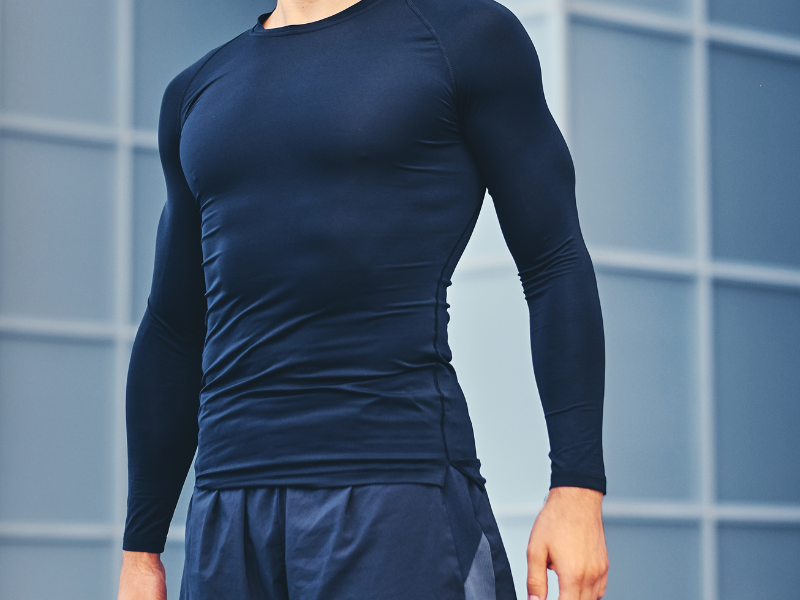
- Lightweight comfort and seamless joints essential for high-performance activewear.
- Requires careful machine calibration and skilled operators to avoid material damage.
Efficiency and Innovation in Heat-Sealing Equipment
Modern equipment has drastically improved production speed and sustainability in apparel manufacturing.
- High-speed machines run with minimal waste, suited for both prototypes and mass production.
- Innovations like sealing ribbon technology and continuous motion conveyor systems shorten cycle times.
- Lower per-unit costs and energy use promote eco-friendly manufacturing practices.
Key Benefits Over Traditional Stitching
Heat-sealing technology delivers superior durability, water resistance, and production efficiency compared to traditional stitching. It creates seamless, watertight bonds without needle holes, reducing water ingress and labor costs, making it ideal for high-performance and outdoor apparel.
Heat-sealing technology in clothing has rapidly gained adoption in performance and outdoor apparel production. हमारे अनुभव में, the shift from needle-and-thread methods to thermally bonded seams delivers measurable improvements in function, aesthetics, और दक्षता.
प्रदर्शन तुलना: Waterproofing and Durability
| Criteria | Traditional Stitching | Heat-Sealing Technology |
|---|---|---|
| 💧 Water Leak Resistance | ❌ Needle holes create weak points; 82% of waterproof failures caused by stitched seams. | ✅ Seamless, watertight bonds prevent water ingress. |
| 🛡 Durability in High-Stress Areas | ❌ Strong initially but can develop micro-gaps over time. | ✅ Maintains structural integrity longer under repeated stress. |
Production Efficiency and Cost Implications
| कारक | Traditional Stitching | Heat-Sealing Technology |
|---|---|---|
| 🚀 Production Speed | ✅ तक 20 bags/minute with manual handling. | ✅ Matches speed but automates process, reducing manual handling. |
| 💰 Labor Costs | ❌ Higher due to manual sewing requirements. | ✅ Lower due to automation, offsets higher machine investment. |
| 🛠 Maintenance | ❌ Frequent resealing or reinforcement needed. | ✅ Minimal long-term maintenance requirements. |
डिज़ाइन, Material Compatibility, and Repairability
- Aesthetics: Traditional stitching shows visible threads for a classic look. Heat sealing creates smooth, minimalist seams for a premium finish.
- Material Compatibility: Stitching works on a broad range of fabrics, including cotton and wool. Heat sealing requires thermoplastic-coated textiles like PVC or polyurethane.
- Repairability: Stitched seams can be fixed with a simple sewing kit. Heat-sealed seams need specialized tools and trained technicians.
Environmental and Sustainability Considerations
- Waste Efficiency: Heat sealing produces less offcut waste through precise material application compared to sewing.
- Energy Consumption: Lower energy draw in high-volume production runs than stitching lines.
- Material Impact: Heat sealing uses thermoplastic coatings that may present recyclability challenges. Traditional textiles can offer more biodegradable or recyclable options.
How Heat-Sealing Improves Comfort and Durability
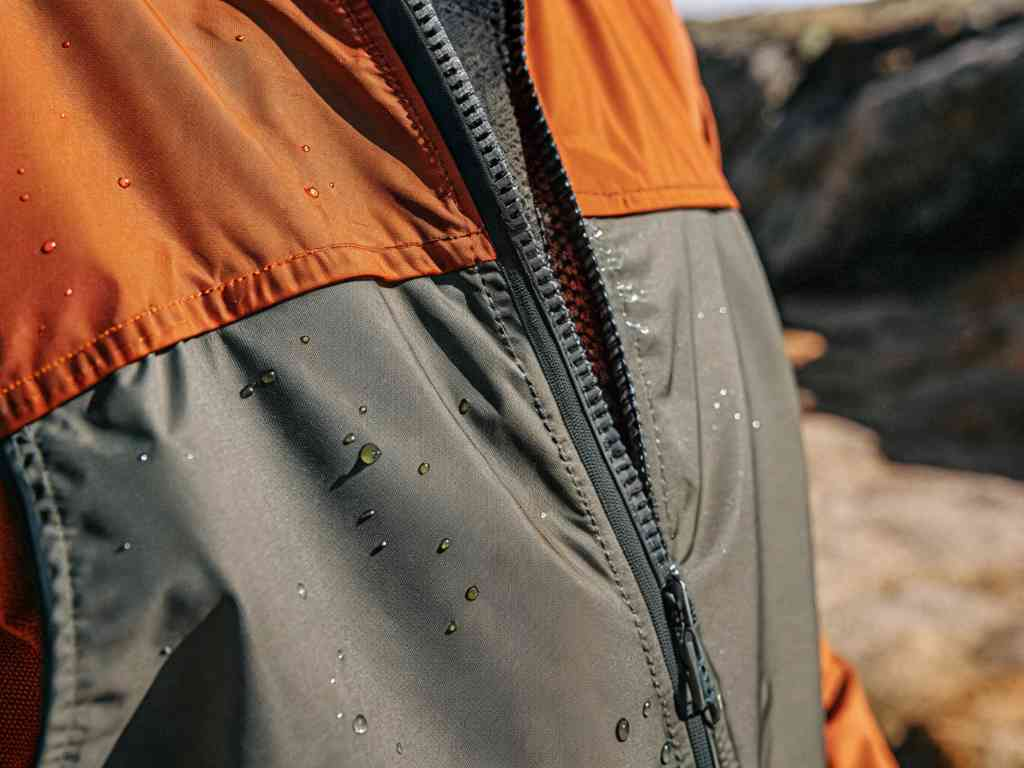
Heat-sealing in clothing manufacturing significantly enhances both comfort and durability by eliminating bulky stitched seams, creating smoother garment interiors, and forming strong, long-lasting bonds that resist wear and washing better than traditional sewing.
In our experience with sportswear and performance apparel manufacturing, heat-sealing technology delivers measurable benefits for both end users and production teams. It goes beyond the limits of thread-based stitching, allowing for smoother designs and stronger joins.
Seam Comfort and Bulk Reduction
Heat-sealed seams are up to 50% thinner than traditional stitched seams. This reduction in thickness directly improves how a garment feels when worn, especially during high movement.
- Thinner seams reduce chafing and discomfort, especially important for athletes and active users.
- Smoother interior garment surfaces result from eliminating raised stitches.
- Ideal for ergonomic sportswear requiring close-skin contact without irritation.
Enhanced Durability and Wash Performance
| विशेषता | Heat-Sealed Seams | Stitched Seams |
|---|---|---|
| Washing Cycle Resistance | ✅ Withstand up to 30% more cycles | ❌ Lower resistance |
| Seal Properties | ✅ Waterproof & airtight | ❌ Thread gaps allow water ingress |
| Abrasion & Stretch Resistance | ✅ High resistance to wear | ❌ Greater risk of fraying |
Manufacturing Efficiency and Quality Control
- Heat-sealing machines operate up to 2× faster than traditional sewing equipment.
- Modern systems cut energy consumption by approximately 20%, reducing running costs.
- Automated processes lower defect rates to 1–2% की तुलना में 5–7% with manual sewing.
- Material waste decreases by 10-15% due to precision seam placement.
For OEM and ODM sportswear production, these gains translate into shorter lead times, leaner resource use, and consistently high output quality.
Elevate Your Sportswear with Tailored Innovation
Partner with Sansan Sports to access cutting-edge manufacturing and sustainable solutions that accelerate product development and scale your brand globally. Experience unmatched flexibility and quality, crafted to meet the evolving demands of performance and athleisure markets.
Application in Performance Apparel and Swimwear
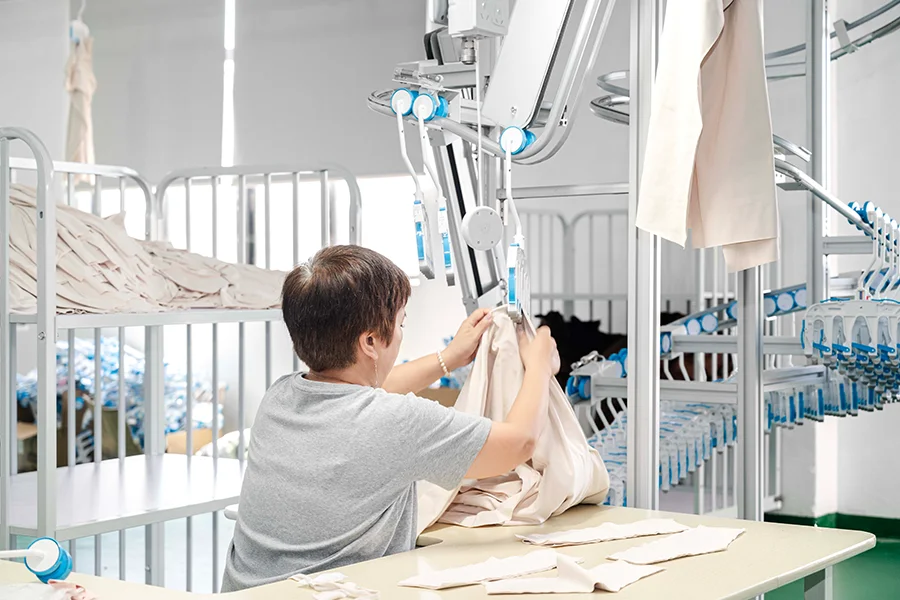
Heat-sealing technology is increasingly applied in performance apparel and swimwear to create seamless, लाइटवेट, and hydrodynamic garments, enhancing comfort and reducing drag for athletes and swimmers.
हमारे अनुभव में, heat-sealing technology in clothing has reshaped how performance apparel and swimwear are designed and manufactured. By removing traditional stitches and replacing them with bonded seams, sportswear brands can achieve a balance of lightweight comfort, टिकाऊपन, and high athletic efficiency.
Performance Benefits of Heat-Sealed Garments
- Heat-sealed seams cut garment weight by up to 15%, improving both aerodynamic and hydrodynamic performance.
- Reduces water absorption in swimwear by up to 30%, lowering drag and increasing speed.
- Enables garments to dry up to 20% और तेज, boosting comfort during use.
- Minimizes chafing and enhances moisture management, which supports endurance in sports.
Durability and Lifespan Advantages
- Swimwear with heat-sealed seams lasts up to 25% longer due to better resistance against chlorine and saltwater damage.
- Bonded seams offer higher flexibility and strength, reducing the impact of frequent movements.
- Lower seam failure rates help garments keep their form and visual appeal for longer periods.
Market Adoption and Industry Impact
- ऊपर 60% of premium swimwear and 45% of high-end performance apparel now integrate heat-sealed seams in key areas.
- Enables complex ergonomic designs by bonding different materials without compromising cmfort.
- Professional athlete feedback confirms improved flexibility, आराम, and competitive performance.
The Future of Seamless Activewear Production
The seamless activewear production market is expected to reach between $20 और $24 अरब in 2025, growing annually by around 7% through 2033. This growth is fueled by innovations in technology, sustainability focus, and increasing demand for ergonomic, high-performance apparel worldwide.
Seamless activewear production is rapidly evolving as global demand surges. हमारे अनुभव में, advances in digital manufacturing, sustainable textiles, and specialized finishing methods are reshaping how brands design and deliver performance apparel.
Market Size and Growth Drivers
| 📊 मीट्रिक | कीमत |
|---|---|
| Global market size 2025 | $20–$23.88 billion |
| Forecast market size 2033 | $41.96 अरब |
| सीएजीआर (2025–2033) | 7.0%–7.3% 🚀 |
- Growing fitness and athleisure trends drive worldwide demand.
- Increased disposable income boosts spending on premium apparel.
- Advances in manufacturing technology enhance product capability.
- Strong consumer emphasis on sustainable and ethical production.
Technological Innovations Enhancing Production
- AI-driven design and 3D knitting enable a precise fit and personalization.
- Digital body scanning supports ergonomic garment construction, reducing chafing.
- Smart fabrics integrate moisture-wicking, breathability, stretchability, and odor resistance.
- Heat-sealing technology in clothing and laser cutting improve comfort while reducing production time.
In our operations, integrating heat-sealing with seamless knitting creates garments that are lighter, more flexible, and require less stitching — enhancing comfort and durability.
Sustainability and Regional Market Dynamics
- Adoption of recycled polyester, bamboo fiber, and organic cotton is on the rise.
- Waste-reducing production processes are now standard in leading factories.
- Major production hubs in China, वियतनाम, and Bangladesh offer cost efficiency and skilled labor.
- Key consumption markets in North America and Europe demand premium, tech-enhanced apparel.
We have seen growing interest from brands in sourcing sustainable materials without compromising performance. Regional expertise also impacts speed-to-market and product quality.
Key Industry Players and Market Structure
- शीर्ष 10 companies control 60–70% of global revenue, exceeding $5 अरब.
- Market remains moderately concentrated, balancing established leaders and niche innovators.
- Smaller companies gain traction with sustainable, high-performance product lines.
- Advances in digital production and fabrics will shape future competitive advantages.
From our manufacturing experience, seamless production offers both technical and commercial advantages, allowing brands to respond faster to market trends while delivering higher-quality apparel.
पूछे जाने वाले प्रश्न
How does heat-sealing work?
Heat-sealing technology in clothing uses controlled temperature and pressure to bond fabric layers or apply trims without traditional stitching. This process involves specialized heated elements that melt an adhesive film or activate thermoplastic fibers.
हमारे अनुभव में, it delivers smoother seams, reduces bulk, and improves garment comfort, especially in activewear. The result is a lightweight join that also enhances water resistance.
क्या यह टिकाऊ है?
हाँ, when done correctly, heat-sealed seams can be as strong or stronger than stitched ones. The durability depends on adhesive quality, correct temperature calibration, and the skill of the technician.
We’ve seen athletic garments withstand over 50 machine washes without seam degradation, provided they use performance-grade tapes and undergo proper quality control.
What materials are suitable?
- ✅ Polyester blends with thermoplastic properties
- ✅ Nylon-based performance fabrics
- ✅ Laminated textiles for waterproof apparel
- ⚠️ Avoid natural fibers like pure cotton without coatings
Material compatibility ensures the bonding layer melts and flows correctly during sealing. Sansan Sports often pairs moisture-wicking fabrics with heat-sealed designs for optimal performance.
How to prevent seam failure?
- 💡 Pre-test adhesive compatibility with the target fabric
- 💡 Use calibrated heat and pressure settings for each material
- 💡 Incorporate quality tapes with high peel and shear strength
- ⚠️ Avoid excessive stretch during sealing, which can weaken bonds
Preventing seam failure is about a balance of technology and technique. We train operators to monitor every sealing cycle for consistent results.
What machines are needed?
- ✅ Hot air seam sealing machines
- ✅ Heat press units with precision temperature control
- ✅ High-frequency welding systems for technical fabrics
- ✅ Laser cutters for clean edge preparation
Equipment choice varies based on production scale and garment type. उदाहरण के लिए, sports jackets may require dual-head seam sealers to speed up workflow without compromising quality.
अंतिम विचार
Heat-sealing technology is reshaping garment manufacturing by combining stronger seams, faster production, and cleaner aesthetics into one streamlined process. From improving comfort with thinner, chafe-free joins to extending product life through superior water resistance and abrasion performance, every benefit ties directly to higher-quality apparel. Beyond sportswear, this approach suits technical applications where precision, टिकाऊपन, and design flexibility drive value.
For factories aiming to stay competitive, adopting heat-sealing isn’t just an equipment upgrade—it’s a strategic shift toward faster turnaround, lower defect rates, and advanced product capability. By aligning material selection with machine precision and skilled operation, teams can reduce long-term costs and strengthen their market position. Partnering with experienced suppliers can accelerate integration and ensure each seam meets performance and brand standards.