स्मार्टवियर डेवलपर्स, आर&डी टीमें, और निवेशकों को सेंसर सटीकता में तकनीकी बाधाओं पर काबू पाने के दौरान कच्चे बायोमेट्रिक डेटा को सार्थक प्रदर्शन अंतर्दृष्टि में बदलने की चुनौती का सामना करना पड़ता है, बैटरी की आयु, और परिधान स्थायित्व. पहनने योग्य सेंसर एकीकरण अब एक विशिष्ट प्रयोग नहीं है - यह प्रतिस्पर्धी स्पोर्ट्सवियर डिजाइन और स्वास्थ्य अनुकूलन का एक मुख्य घटक बन रहा है.
यह मार्गदर्शिका बताती है कि पहनने योग्य सेंसर कैसे काम करते हैं, खेलों में इलेक्ट्रॉनिक्स को एकीकृत करने की रणनीतियाँ, और ये प्रणालियाँ एथलीटों और प्रशिक्षकों को क्या लाभ पहुंचाती हैं, उद्योग के हितधारकों को बाजार के लिए तैयार उत्पादों को डिजाइन करने में मदद करना जो टिकाऊ के साथ उन्नत डेटा ट्रैकिंग को जोड़ते हैं, उपयोगकर्ता के अनुकूल सुविधाएँ.
पहनने योग्य सेंसर क्या हैं और वे कैसे काम करते हैं?
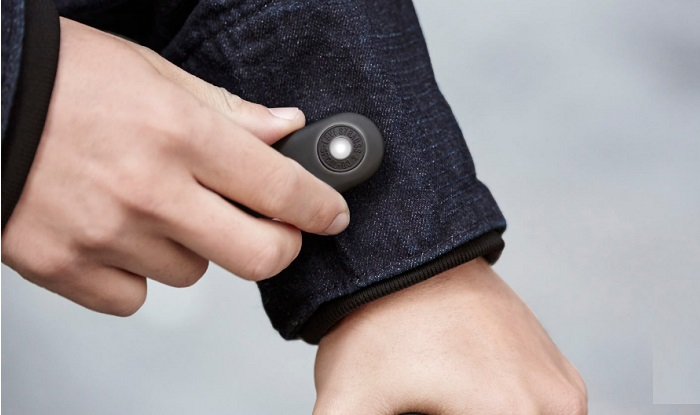
पहनने योग्य सेंसर कपड़ों या एक्सेसरीज़ में लगे छोटे इलेक्ट्रॉनिक उपकरण होते हैं जो लगातार एकत्रित होते रहते हैं, प्रक्रिया, और एकीकृत सेंसर का उपयोग करके पहनने वाले से शारीरिक या पर्यावरणीय डेटा संचारित करता है, प्रोसेसर, और वायरलेस कनेक्टिविटी. वे गति या हृदय गति जैसे विशिष्ट संकेतों का पता लगाते हैं, उन्हें डिजिटल डेटा में परिवर्तित करें, और इसे वास्तविक समय की निगरानी या विश्लेषण के लिए प्रसारित करें.
स्मार्टवियर डेवलपर्स के साथ काम करने का हमारा अनुभव, पहनने योग्य सेंसर एकीकरण में आराम के बीच एक सटीक संतुलन शामिल है, टिकाऊपन, और कार्यक्षमता. नीचे हम उनके घटकों का पता लगाते हैं, सेंसर प्रकार, डेटा प्रोसेसिंग के तरीके, और लाभ.
पहनने योग्य सेंसर की परिभाषा और मुख्य घटक
पहनने योग्य सेंसर परिधान या सहायक उपकरण में एम्बेडेड कॉम्पैक्ट डिवाइस हैं जिन्हें उपयोग के दौरान शारीरिक और पर्यावरणीय मेट्रिक्स को ट्रैक करने के लिए डिज़ाइन किया गया है. वे मानव शरीर के लिए लघु डेटा संग्रह केंद्र के रूप में कार्य करते हैं.
- एक्सेलेरोमीटर जैसे लघु सेंसर, जाइरोस्कोप, और हृदय गति मॉनिटर.
- कच्चे सिग्नलों को प्रयोग योग्य डेटा प्रारूपों में परिवर्तित करने के लिए प्रोसेसर.
- ब्लूटूथ के माध्यम से डेटा भेजने के लिए वायरलेस ट्रांसमीटर, वाईफ़ाई, या सेलुलर नेटवर्क.
ये घटक गति जैसे मापदंडों का पता लगाते हैं, हृदय दर, और तापमान, फिर उन्हें निगरानी और विश्लेषण के लिए डिजिटल रूप में परिवर्तित करें.
सामान्य प्रकार के सेंसर और एकत्रित डेटा
आधुनिक वियरेबल्स एक व्यापक डेटा सेट प्रदान करने के लिए कई सेंसर मॉड्यूल को एकीकृत करते हैं. यह संयोजन उन्नत कोचिंग का समर्थन करता है, फिटनेस ट्रैकिंग, और स्वास्थ्य अंतर्दृष्टि.
- एक्सेलेरोमीटर और जाइरोस्कोप - गति का पता लगाने और कदमों की गिनती के लिए.
- हृदय गति मॉनिटर और रक्त ऑक्सीजन सेंसर.
- जीपीएस और बैरोमीटर - स्थान और ऊंचाई माप के लिए.
- पर्यावरण अनुकूलन के लिए त्वचा तापमान सेंसर.
डेटा ट्रांसमिशन विधियों में आमतौर पर क्लोज-रेंज सिंक के लिए ब्लूटूथ या वाई-फाई शामिल होता है, और विश्वव्यापी ट्रैकिंग के लिए सेलुलर नेटवर्क.
पहनने योग्य सेंसर डेटा को कैसे संसाधित और संचारित करते हैं
अधिकांश डिवाइस सीधे एम्बेडेड माइक्रोकंट्रोलर पर डेटा प्रोसेस करते हैं. कुछ डिज़ाइन में, गहन विश्लेषण को कनेक्टेड स्मार्टफ़ोन या क्लाउड सेवाओं द्वारा नियंत्रित किया जाता है.
- वायरलेस कनेक्टिविटी विकल्प: ब्लूटूथ, वाईफ़ाई, और सेलुलर.
- उपयोग के दौरान प्रदर्शन समायोजन को सक्षम करने वाला वास्तविक समय फीडबैक.
- कॉम्पैक्ट आकार जैसे मेट्रिक्स - नीचे 50 ग्राम कलाई उपकरणों के लिए.
- बैटरी जीवन भिन्न-भिन्न है 1 खत्म करने के लिए 14 दिन प्रसंस्करण जटिलता पर निर्भर करता है.
हमारी विनिर्माण परियोजनाओं में, टिकाऊ प्रदर्शन परिधान डिजाइन के साथ सेंसर हार्डवेयर को संरेखित करना ब्रांडों और अंतिम-उपयोगकर्ताओं के लिए दीर्घकालिक मूल्य सुनिश्चित करता है.
स्पोर्ट्सवियर डिज़ाइन में इलेक्ट्रॉनिक्स का एकीकरण
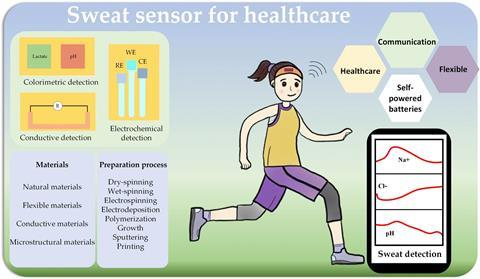
स्पोर्ट्सवियर डिज़ाइन में इलेक्ट्रॉनिक्स का एकीकरण तेजी से आगे बढ़ रहा है, सेंसर के साथ, स्मार्ट कपड़ा, और कनेक्टेड प्लेटफ़ॉर्म प्रदर्शन निगरानी के केंद्र बन गए हैं, स्वास्थ्य ट्रैकिंग, और एथलेटिक परिधान में उपयोगकर्ता की सहभागिता.
हमारे अनुभव में, खेलों में पहनने योग्य सेंसर का एकीकरण एथलीटों के लिए एक नए युग को आकार दे रहा है, ब्रांडों, और डेवलपर्स समान हैं. यह परिवर्तन स्मार्ट टेक्सटाइल्स और एम्बेडेड इलेक्ट्रॉनिक्स में तेजी से विकास द्वारा संचालित है, डेटा-समृद्ध की पेशकश, प्रदर्शन-संचालित समाधान.
बाज़ार अवलोकन और प्रमुख प्रौद्योगिकियाँ
| 📊 खंड | कीमत & विकास |
|---|---|
| स्मार्ट कपड़ों का बाज़ार | 💡 USD 5.16 अरब (2024) → USD 21.48 अरब (2030), 🚀 सीएजीआर 26.2% |
| एकीकृत इलेक्ट्रॉनिक्स के साथ स्मार्ट वस्त्र | 💡 USD 7 अरब (2024), 🚀 सीएजीआर 22.8% (2025-2034) |
| खेल पहनने योग्य वस्तुओं का बाजार | 💡 USD 2.3 अरब (2025) → USD 9.4 अरब (2035), 🚀 सीएजीआर 15% |
| एक्टिववियर बाज़ार | 💡 USD 345.79 अरब (2025) → USD 605.89 अरब (2032), 🚀 सीएजीआर 8.34% |
- बायोमेट्रिक निगरानी के लिए एंबेडेड सेंसर.
- निर्बाध कनेक्टिविटी के लिए प्रवाहकीय सामग्री.
- लचीलेपन और संवेदनशीलता के लिए ग्राफीन-आधारित स्ट्रेन सेंसर.
- अनुकूली प्रदर्शन ट्रैकिंग के लिए एआई-एकीकृत कपड़े.
- वास्तविक समय डेटा साझा करने के लिए जीपीएस और क्लाउड कनेक्टिविटी.
- उपयोगकर्ता सहभागिता और विश्लेषण के लिए ऐप-आधारित डैशबोर्ड.
स्पोर्ट्सवियर में एंबेडेड इलेक्ट्रॉनिक्स के अनुप्रयोग और लाभ
- हृदय गति की वास्तविक समय पर निगरानी, मांसपेशियों में खिंचाव, साँस लेने, और आंदोलन.
- पूर्वानुमानित विश्लेषण के माध्यम से पुनर्प्राप्ति और चोट की रोकथाम पर अंतर्दृष्टि.
- प्रशिक्षण डेटा के भंडारण और विश्लेषण के लिए क्लाउड कनेक्टिविटी.
- वर्कआउट को अनुकूलित करने के लिए वैयक्तिकृत फीडबैक लूप.
- खेल विज्ञान को उपभोक्ता इलेक्ट्रॉनिक्स के साथ विलय करके एथलीट अनुभव को बढ़ाया.
स्मार्ट परिधान न केवल एथलीटों को प्रदर्शन पर नज़र रखने में सहायता करता है बल्कि कोच और मेडिकल टीमों को रणनीतियों को परिष्कृत करने की भी अनुमति देता है. ब्रांडों के लिए, यह एकीकृत डिजिटल अनुभवों और मूल्य वर्धित सेवाओं के माध्यम से अंतर करने के अवसर खोलता है.
पहनने योग्य सेंसर एकीकरण के अगले चरण में इलेक्ट्रॉनिक्स पहनने वाले के लिए लगभग अदृश्य हो सकता है. उम्मीदों में ऑन-द-फ़्लाई वैयक्तिकृत प्रशिक्षण मार्गदर्शन और उन्नत जुड़ाव सुविधाओं के साथ अनुकूली परिधान शामिल हैं जो खेल से परे रोजमर्रा के स्वास्थ्य प्रबंधन तक विस्तारित हैं।.
सटीक विनिर्माण के साथ अपने खेलों को उन्नत बनाएं & नवाचार
अत्याधुनिक फैब्रिक तकनीक तक पहुंचने के लिए सैन्सन स्पोर्ट्स के साथ साझेदारी, टिकाऊ उत्पादन, और आपके ब्रांड की अनूठी दृष्टि के लिए तैयार किए गए स्केलेबल वर्कफ़्लो. गुणवत्ता या पर्यावरण के प्रति जागरूक मानकों से समझौता किए बिना प्रदर्शन-संचालित परिधान तेजी से वितरित करें.
बैटरी जीवन और धुलाई क्षमता में चुनौतियाँ
स्मार्टवियर में सेंसर को एकीकृत करने में बैटरी जीवन और धोने की क्षमता मुख्य तकनीकी बाधाएं हैं. जबकि स्मार्टवॉच तक की पेशकश करती है 40 दिनों की बैटरी लाइफ, कपड़ा-एकीकृत सेंसर ऊर्जा घनत्व सीमाओं का सामना करते हैं और कुछ ही समय बाद महत्वपूर्ण रूप से ख़राब हो जाते हैं 10-15 धोने का चक्र, सटीकता की हानि और स्थायित्व चुनौतियों का कारण बनता है.
स्मार्टवियर डेवलपर्स को पहनने योग्य सेंसर एकीकरण में दोहरी चुनौती का सामना करना पड़ता है: कपड़ा-आधारित उत्पादों में धोने की क्षमता सुनिश्चित करते हुए बैटरी के प्रदर्शन को अधिकतम करना. दोनों कारक उपभोक्ता के विश्वास को सीधे प्रभावित करते हैं, उत्पाद का जीवनकाल, और बाजार को अपनाना.
बैटरी लाइफ मेट्रिक्स और उपभोक्ता प्राथमिकताएँ
| डिवाइस का प्रकार | बैटरी की आयु | उपभोक्ता नोट्स |
|---|---|---|
| प्रीमियम स्मार्टवॉच | ⏱ 3-7 दिन | ⚠️ बार-बार चार्ज करने की आवश्यकता होती है |
| विस्तारित मॉडल (सौर) | ✅ 40+ दिन | 🚀 लंबी तैनाती के लिए सर्वश्रेष्ठ |
| ओएस घड़ियाँ पहनें | ⏱ 4-6 दिन | ⚠️ मध्यम बैटरी जीवनकाल |
| बजट फिटनेस ट्रैकर | ✅ 14-17 दिन | 💡संतुलित कीमत & बैटरी |
- ऊपर 60% उपभोक्ता बैटरी जीवन को सर्वोच्च क्रय कारक मानते हैं.
- 11.7% कम बैटरी अवधि के कारण असंतोष की रिपोर्ट करें.
- इससे अधिक 70% स्मार्टवॉच की कम से कम डिलीवरी होती है 2 वर्तमान में कितने दिनों की बैटरी लाइफ है.
टेक्सटाइल-इंटीग्रेटेड सेंसर के लिए वॉशेबिलिटी चुनौतियां
- टेक्सटाइल सेंसर खो गए 50-70% सटीकता के बाद 10-15 पर धोता है 40डिग्री सेल्सियस.
- यांत्रिक तनाव कठोर भागों में फ्रैक्चर और लचीले इंटरकनेक्ट में धातु की थकान का कारण बनता है.
- डिटर्जेंट और सॉफ़्नर पॉलिमर कोटिंग्स को ख़राब करते हैं, तक चालकता में कटौती 25% बाद 5 धुलाई.
- ई-टेक्सटाइल के लिए कोई मौजूदा धुलाई मानक नहीं, इंजीनियरिंग प्रयासों को जटिल बनाना.
बाज़ार की हकीकत: बैटरी जीवन और स्थायित्व को संतुलित करना
निर्माता अक्सर एक कारक के बदले दूसरे कारक का व्यापार करते हैं. उच्च बैटरी जीवन कठोर डिज़ाइनों में प्राप्त किया जा सकता है लेकिन धोने योग्य वस्त्रों में शायद ही कभी.
- गार्मिन सौर ऊर्जा से चलने वाली घड़ियाँ पहुँचती हैं 40+ दिनों की बैटरी लाइफ लेकिन मशीन से धोने योग्य नहीं हैं.
- बजट फिटनेस ट्रैकर धोने की क्षमता को प्राथमिकता देते हैं लेकिन उनकी बैटरी लाइफ मध्यम होती है (14-17 दिन).
- बच्चों और मजबूत स्मार्टवॉच में उपभोक्ता प्रतिक्रिया प्राथमिक मुद्दों के रूप में नाजुकता और कम बैटरी को दर्शाती है.
- कपड़ा एकीकरण अभी भी एक उत्पाद में मजबूत बैटरी और उच्च धुलाई क्षमता दोनों प्रदान करने में विफल है.
स्मार्टवियर एकीकरण में उभरते समाधान और बाधाएँ
- पावर-कुशल आर्किटेक्चर कठोर पहनने योग्य वस्तुओं में बैटरी का विस्तार करते हैं लेकिन अभी तक धोने योग्य वस्त्रों पर लागू नहीं होते हैं.
- कपड़ा सेंसर देख सकते थे 30-50% बैटरी जीवन ड्रॉप बनाम. वितरित शक्ति डिज़ाइन के कारण कठोर उपकरण.
- इसके बाद सेंसर पुन: अंशांकन की आवश्यकता हो सकती है 5-10 प्रदर्शन संबंधी समस्याओं के कारण धुल गया.
- प्रीमियम एनकैप्सुलेशन सुरक्षा में सुधार करता है लेकिन घटक लागत को बढ़ाता है 15-25%.
- अधिकतम व्यावहारिक धुलाई क्षमता अभी भी कम है (5-10 चक्र), परिधान के नीचे जीवनकाल की अपेक्षाएँ.
आर के लिए तकनीकी और परीक्षण अनुशंसाएँ&डी टीमें
- आईएसओ के अनुसार टेक्सटाइल सेंसर के स्थायित्व का परीक्षण करें 6330 (कपड़े धोने) और आईईसी 60068-2-30 (यांत्रिक झटका).
- हाइड्रोलिसिस और थकान का विरोध करने के लिए एनकैप्सुलेशन और लचीले इंटरकनेक्ट में सुधार करें.
- वितरित बिजली घनत्व को बढ़ावा देने के लिए ऊर्जा संचयन और पतली-फिल्म बैटरियों में निवेश करें.
- सामग्री लागत को संतुलित करें, प्रदर्शन, और सुरक्षात्मक कोटिंग्स के साथ स्थायित्व.
- उपभोक्ता देखभाल की आदतों से मेल खाने के लिए यथार्थवादी जीवनचक्र अपेक्षाएँ निर्धारित करें.
स्वास्थ्य और फिटनेस निगरानी में भविष्य के अनुप्रयोग
भविष्य की स्वास्थ्य और फिटनेस निगरानी एआई-संचालित पहनने योग्य सेंसर के इर्द-गिर्द घूमेगी, ग्लूकोज और नींद जैसे प्रमुख मेट्रिक्स की निरंतर ट्रैकिंग, और डिजिटल चिकित्सा विज्ञान के साथ एकीकरण. इन प्रगतियों से वैश्विक फिटनेस ट्रैकर बाज़ार की वृद्धि को बढ़ावा मिलने की उम्मीद है 17% सीएजीआर के माध्यम से 2035.
स्वास्थ्य और फिटनेस निगरानी तेजी से विकसित हो रही है क्योंकि पहनने योग्य सेंसर एकीकरण अमीर को सक्षम बनाता है, वास्तविक समय की अंतर्दृष्टि. डेवलपर्स, निवेशकों, और विनिर्माण भागीदार बाज़ार की माँगों का अनुमान लगाने के लिए इन रुझानों के साथ तालमेल बिठा रहे हैं.
बाज़ार की वृद्धि और प्रमुख मेट्रिक्स
हमारे अनुभव में, स्वास्थ्य और फिटनेस निगरानी क्षेत्र तेजी से विस्तार दिखा रहा है, हार्डवेयर और सॉफ्टवेयर दोनों को अपनाने से प्रेरित. निम्नलिखित डेटा उद्योग को आकार देने वाली अनुमानित वित्तीय और शिपमेंट वृद्धि पर प्रकाश डालता है.
| 📊 मीट्रिक | डेटा |
|---|---|
| वैश्विक फिटनेस ट्रैकर बाजार का आकार | $65.78 अरब में 2024 → $372.96 अरब द्वारा 2035 |
| सीएजीआर (2025-2035) | 🚀 17.09% |
| पहनने योग्य डिवाइस शिपमेंट | 396 मिलियन यूनिट में 2023 |
| फिटनेस ऐप बाजार मूल्य | $8.1 अरब में 2023 → $19.3 अरब द्वारा 2030 (🚀 17.6% सीएजीआर) |
| एआई-संचालित फिटनेस ऐप बाजार | $23.98 अरब द्वारा 2026 |
उभरती प्रौद्योगिकियाँ और अनुप्रयोग
कई तकनीकी रुझान स्वास्थ्य निगरानी में पहनने योग्य सेंसर एकीकरण को फिर से परिभाषित कर रहे हैं. ये नवाचार कदम गिनती या कैलोरी ट्रैकिंग से कहीं आगे उपयोग के मामलों का विस्तार कर रहे हैं.
स्मार्ट परिधान विकास में एआई की भूमिका
एआई वास्तविक समय में स्वास्थ्य निगरानी को सक्षम करके स्मार्ट परिधान विकास को मौलिक रूप से बदल रहा है, पूर्वानुमानित रखरखाव, और मशीन लर्निंग और कंप्यूटर विज़न प्रौद्योगिकियों के माध्यम से वैयक्तिकृत फिट अनुकूलन. स्मार्ट कपड़ों का बाजार तेजी से बढ़ रहा है, तक बढ़ने की ओर अग्रसर है $5.12 अरब एक पर 20.62% से सीएजीआर 2023 को 2028, खेलों में अनुप्रयोगों द्वारा संचालित, उपयुक्तता, और स्वास्थ्य सेवा.
एआई पहनने योग्य प्रौद्योगिकियों को परिधान में एकीकृत करने के तरीके को नया आकार दे रहा है, उन्नत टेक्सटाइल इंजीनियरिंग के साथ डेटा-संचालित अंतर्दृष्टि का सम्मिश्रण. स्मार्टवियर डेवलपर्स और निवेशकों के लिए, यह विकसित होता स्थान उपभोक्ता जुड़ाव और परिचालन दक्षता दोनों में महत्वपूर्ण अवसर प्रदान करता है.
बाजार विकास और एआई अपनाने के रुझान
| 📊 मीट्रिक | विकास प्रक्षेपण |
|---|---|
| 🚀स्मार्ट कपड़ों का बाज़ार | $5.12 अरब पर वृद्धि 20.62% सीएजीआर (2023-2028) |
| 🚀फैशन बाजार में एआई | से $2.23 अरब (2024) को $60 अरब (2034), 39% सीएजीआर |
| 🚀परिधान में जनरेटिव एआई | से $96.5 दस लाख (2023) को $2.23 अरब (2032) |
| 📈 एआई अपनाने की दर | से 20% को 44% H1 में 2025 |
| 💡मैकिन्से लाभ प्रभाव | $150-275 बिलियन द्वारा अतिरिक्त लाभ 2028 |
स्मार्ट परिधान विकास में एआई अनुप्रयोग
हमारे अनुभव में, स्मार्ट परिधान में पहनने योग्य सेंसर एकीकरण सरल चरण ट्रैकिंग से कहीं आगे बढ़ गया है. अग्रणी स्पोर्ट्सवियर ब्रांड अब गहन बायोमेट्रिक डेटा कैप्चर करने और एआई-संचालित प्लेटफॉर्म फ़ीड करने के लिए उन्नत मॉड्यूल एम्बेड करते हैं.
- सेंसर प्रणालियाँ हृदय गति की वास्तविक समय पर निगरानी करने में सक्षम बनाती हैं, मांसपेशियों की गतिविधि, और तापमान—खेल और फिटनेस अनुकूलन के लिए महत्वपूर्ण है.
- मशीन लर्निंग और कंप्यूटर विज़न उप के साथ वैयक्तिकृत फिटिंग की अनुमति देते हैं-2मिमी शुद्धता, नाइके फ़िट के बेंचमार्क के समान.
- डिजिटल फैब्रिक विश्लेषण सामग्री के प्रदर्शन को अनुकूलित करता है और टिकाऊ नवाचार का समर्थन करता है, साथ 82% खरीदार को आभासी नमूनों पर भरोसा है.
- पूर्वानुमानित विश्लेषण मांग पूर्वानुमानों में सुधार करता है, अतिउत्पादन और अपशिष्ट धाराओं को कम करना.
- छोटे उत्पाद चक्र—उदा., टॉमी हिलफिगर ने डिज़ाइन-टू-सैंपल समय में कटौती की 30%, पेरी एलिस स्पेड SKU द्वारा लॉन्च किया गया 95%, स्टिच फिक्स ने रिटर्न कम कर दिया 30%.
एआई-संचालित स्मार्ट परिधान विकास के लाभ
एआई का लाभ ब्रांड मूल्य और ग्राहक अनुभव दोनों तक फैला हुआ है, इसे प्रतिस्पर्धी बाज़ारों में एक रणनीतिक विभेदक बनाना.
- वैयक्तिकृत फिट और एकीकृत स्वास्थ्य-ट्रैकिंग उपभोक्ता अनुभव को उन्नत करते हैं.
- सटीक मांग पूर्वानुमान इन्वेंट्री अपशिष्ट को कम करके स्थिरता को बढ़ाता है.
- बेहतर दक्षता और तेजी से समय-समय पर बाजार लागत में कटौती और नवप्रवर्तन को बढ़ावा.
- प्रत्यक्ष राजस्व लाभ-एआई परीक्षणों से पता चलता है 25% रूपांतरण उत्थान और 12% प्रति सत्र अधिक राजस्व.
- सामग्री नवाचार प्रदर्शन से समझौता किए बिना बायोडिग्रेडेबल और पुनर्नवीनीकरण कपड़े के एकीकरण को सक्षम बनाता है.
पूछे जाने वाले प्रश्न
स्मार्ट कपड़ों में कौन से सेंसर का उपयोग किया जाता है??
स्मार्ट कपड़े अक्सर इच्छित अनुप्रयोग के आधार पर सेंसर की एक श्रृंखला को एकीकृत करते हैं. सामान्य प्रकारों में एक्सेलेरोमीटर शामिल हैं, जाइरोस्कोप, हृदय गति मॉनिटर, तापमान सेंसर, और कपड़ा-आधारित दबाव सेंसर.
खेलों के लिए पहनने योग्य सेंसर एकीकरण के साथ हमारे अनुभव में, डेवलपर्स एथलीटों और फिटनेस उत्साही लोगों के लिए डेटा-समृद्ध अंतर्दृष्टि प्रदान करने के लिए बायोमेट्रिक मॉनिटरिंग टूल के साथ मोशन ट्रैकिंग सेंसर को जोड़ते हैं.
वे कैसे संचालित हैं?
स्मार्ट परिधानों में अधिकांश पहनने योग्य सेंसर कॉम्पैक्ट रिचार्जेबल बैटरी का उपयोग करते हैं, अक्सर लिथियम-आयन या लिथियम-पॉलिमर प्रकार. कुछ डिज़ाइन ऊर्जा संचयन का उपयोग करते हैं, गति या शरीर की गर्मी को विद्युत शक्ति में परिवर्तित करना.
सतत निगरानी प्रणाली के लिए, कम-शक्ति वाले इलेक्ट्रॉनिक्स और ब्लूटूथ कम ऊर्जा मॉड्यूल चार्ज के बीच बैटरी जीवन को कई दिनों तक बढ़ाने में मदद करते हैं.
क्या वे धोने योग्य हैं?
धोने की क्षमता सेंसर एनकैप्सुलेशन और परिधान निर्माण पर निर्भर करती है. कई आधुनिक स्मार्ट वियर उत्पाद हटाने योग्य सेंसर मॉड्यूल का उपयोग करते हैं, कपड़ों को स्वयं मशीन से धोने की अनुमति देना.
उच्च प्रदर्शन वाले स्पोर्ट्सवियर निर्माण में, वाटरप्रूफ हाउसिंग और लचीले मुद्रित सर्किट सेंसर को झेलने में मदद करते हैं 30+ गिरावट के बिना सौम्य धुलाई चक्र.
वे क्या डेटा एकत्र कर सकते हैं?
पहनने योग्य सेंसर गति पैटर्न को पकड़ सकते हैं, बॉयोमीट्रिक्स, और पर्यावरणीय कारक. विशिष्ट डेटा में हृदय गति शामिल है, सांस रफ़्तार, आसन विश्लेषण, गतिविधि मायने रखती है, और त्वचा का तापमान.
जब स्पोर्ट्सवियर प्रदर्शन फैब्रिक के साथ एकीकृत किया जाता है, उन्नत सेंसर सरणियाँ जलयोजन निगरानी के लिए पसीने की संरचना का विश्लेषण भी प्रदान कर सकती हैं.
बाज़ार का आकार क्या है?
वैश्विक स्मार्ट कपड़ों के बाजार का मूल्य लगभग था $2.5 अरब में 2023 और इसके लगभग सीएजीआर से बढ़ने का अनुमान है 25% के माध्यम से 2030.
खेलों को अपनाने से विकास को बढ़ावा मिलता है, स्वास्थ्य देखभाल, और सैन्य अनुप्रयोग, पहनने योग्य सेंसर एकीकरण अगली पीढ़ी के प्रदर्शन परिधान के लिए एक मानक बन गया है.
अंतिम विचार
पहनने योग्य सेंसर और स्मार्ट स्पोर्ट्सवियर एक ऐसे चरण में प्रवेश कर रहे हैं जहां सटीक डेटा, एआई-संचालित अंतर्दृष्टि, और टिकाऊ डिज़ाइन एथलेटिक प्रदर्शन और स्वास्थ्य निगरानी को नया आकार देने के लिए एकजुट होते हैं. कपड़ा-एकीकृत इलेक्ट्रॉनिक्स में प्रगति, बहु-सेंसर संलयन, और निर्बाध कनेक्टिविटी एथलीटों के लिए नई क्षमताओं को खोल रही है, प्रशिक्षकों, और स्वास्थ्य सेवा प्रदाता. स्थायित्व और बाजार में स्वीकार्यता सुनिश्चित करने के लिए बैटरी जीवन और धोने की क्षमता जैसी महत्वपूर्ण चुनौतियों का समाधान करना आवश्यक होगा, सुरक्षित डेटा प्रबंधन और नियामक अनुपालन के माध्यम से उपयोगकर्ता का विश्वास बनाए रखते हुए.
डेवलपर्स के लिए, आर&डी टीमें, और निवेशक, रणनीतिक अवसर ऐसे समाधानों के निर्माण में निहित है जो स्केलेबल विनिर्माण और सामग्री स्थिरता के साथ तकनीकी नवाचार को संतुलित करते हैं. अनुभवी स्मार्टवियर निर्माताओं के साथ साझेदारी से प्रोटोटाइपिंग को सुव्यवस्थित किया जा सकता है, टाइम-टू-मार्केट में तेजी लाएं, और तैनाती के जोखिमों को कम करें - तेजी से बढ़ते वैश्विक बाजार में अपने ब्रांड को सबसे आगे रखें और स्थायी प्रतिस्पर्धी लाभ हासिल करें.