In the active wear yoga market, dark leggings are always best sellers. Black, navy, and deep brown are safe colors for many collections. However, fading is a common problem. After several washes, some leggings turn grey or uneven. This affects customer satisfaction and brand reputation.
For sportswear brands and startups working with sports clothing manufacturers, choosing the right dyeing method is very important. Solution dyeing is becoming a preferred option for many activewear brands because it offers strong color durability and lower environmental impact. Below, we explain why this process matters and how it supports long-term product quality.
Solution Dyeing Explained: Eco-Friendly Color That Lasts
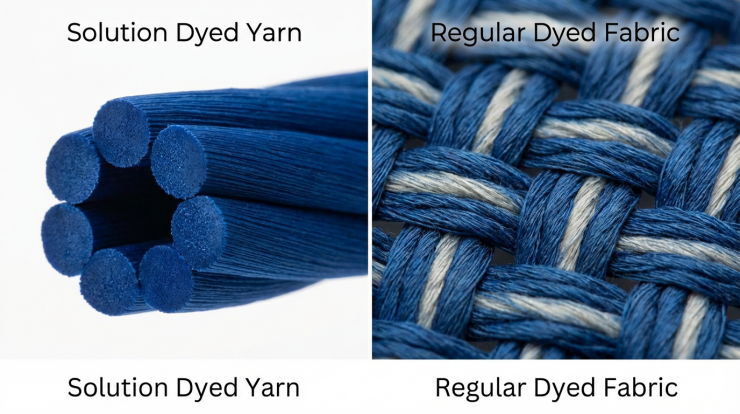
Solution dyeing is different from traditional fabric dyeing. Instead of coloring the fabric after it is knitted, the pigment is added directly into the fiber material before it is spun into yarn. This means the color becomes part of the fiber itself.
Because the color is inside the fiber, not only on the surface, it lasts much longer. At the same time, this process uses less water compared to traditional dye baths. For women’s yoga wear collections that often use dark solid colors, solution dyeing provides both stability and sustainability.
How Solution Dyeing Prevents Color Fading in Dark Leggings
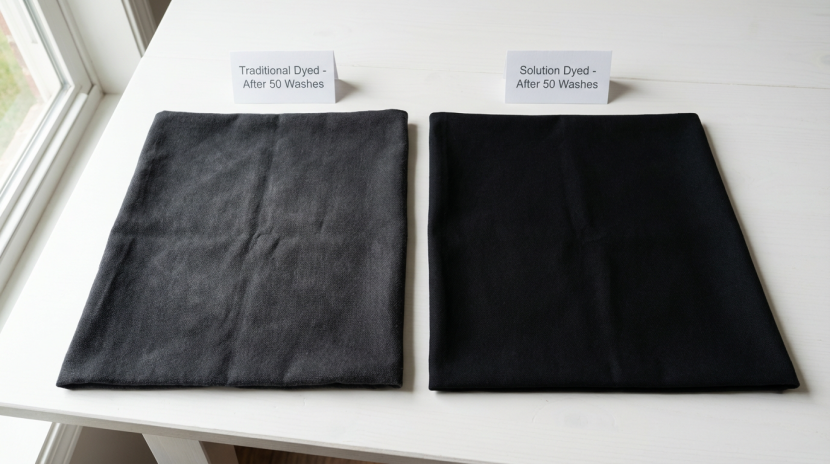
Color fading is one of the biggest problems in dark active wear yoga leggings. In traditional dyeing, fabric is colored after knitting. The dye mostly stays on the surface. After many washes, stretching, and daily friction, the surface color slowly fades.
Solution dyeing works in a different way. The pigment is mixed into the fiber material before it becomes yarn. This means the entire fiber carries color inside and outside. Even if the fabric is stretched during workouts or washed many times, the shade remains stable.
For sportswear brands, this process reduces customer complaints about grey or uneven black leggings. It helps maintain a clean, rich color for a longer time.
Lower Chemical Use and Reduced Environmental Impact
Traditional fabric dyeing requires large dye baths, high water usage, and multiple washing steps. These processes use fixing agents and other chemicals to help the color stay on the fabric surface. As a result, wastewater treatment becomes necessary, which increases environmental pressure.
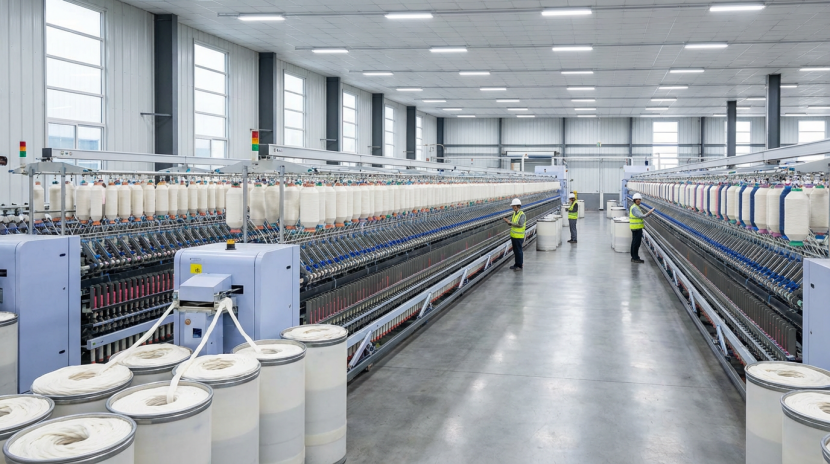
Solution dyeing reduces these steps. Since the pigment is added directly into the fiber before spinning, there is no need for heavy dye baths after knitting. This means less water consumption and fewer chemicals used during production.
For buyers looking to build eco-conscious activewear brands, this is a practical improvement in the supply chain.For sportswear brands working with responsible clothing manufacturers, lower chemical use is not only better for the environment, but also a practical long-term production choice.
Crocking and Rub Tests: Superior Color Retention
Crocking happens when color transfers to other surfaces because of rubbing. This is common in dark leggings and tight sports clothing.
Solution dyed fabrics perform better in rub tests. Since the pigment is embedded inside the fiber, it does not easily transfer to skin or light-colored garments. This is especially important for modest activewear and compression leggings that experience constant friction.
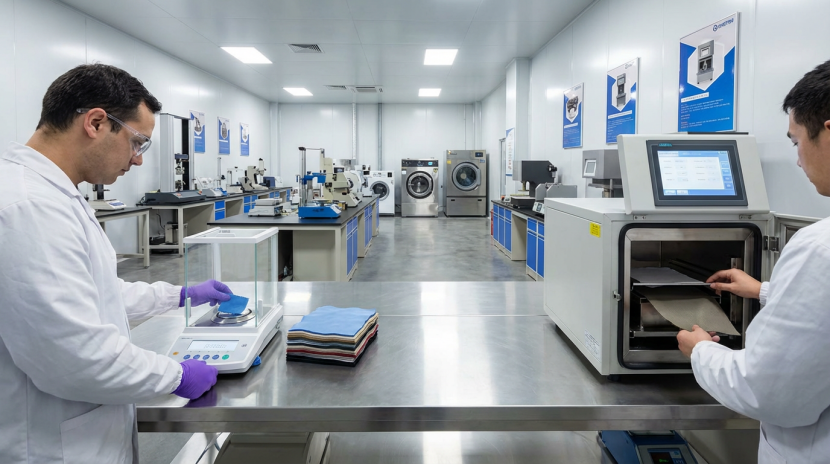
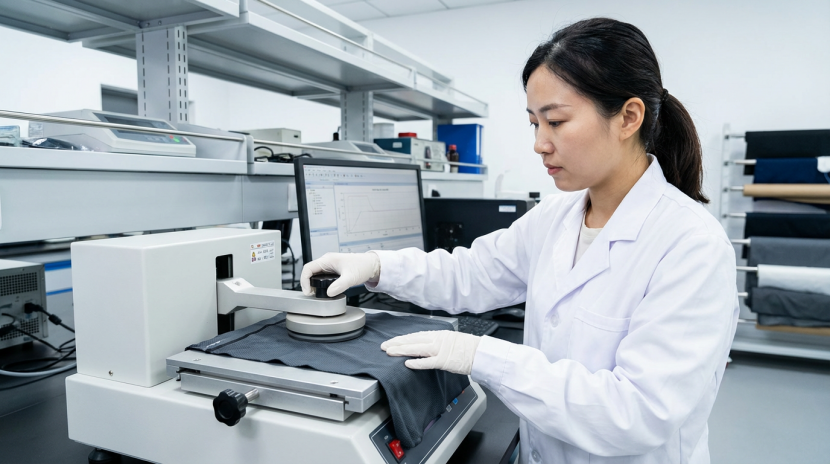
In our factory, we test fabric before bulk production. Stable rub test results help sports clothing manufacturers reduce quality risks.
UV Resistance: Outdoor Performance Advantage
Many active wear yoga and training garments are used outdoors. Strong sunlight and UV rays can damage fabric color over time. In traditional dyeing, the color sits mainly on the surface of the fabric. Long exposure to sunlight can cause fading and uneven shades.
With solution dyeing, the pigment is built into the entire fiber structure. This makes the fabric more resistant to UV exposure. Even after regular outdoor use, dark leggings and tops maintain a deeper and more consistent color.
For sportswear brands developing outdoor collections, this added UV resistance improves product durability. It helps protect the appearance of the garment and supports a higher quality standard in competitive markets.
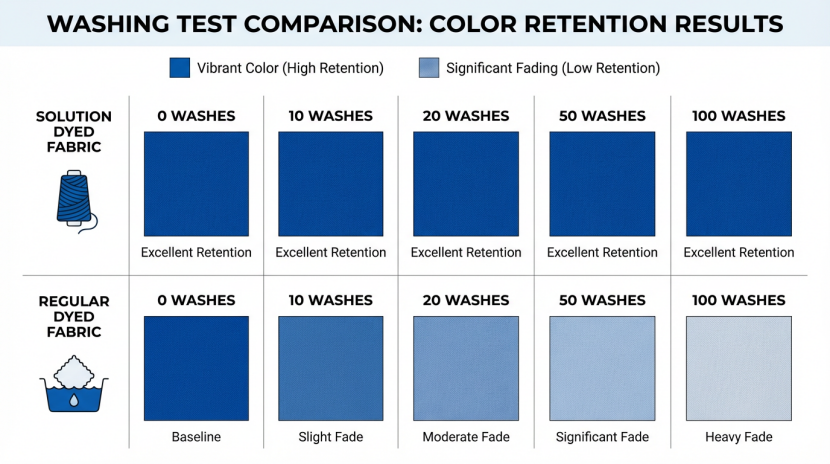
Washing Durability: 100+ Cycles Without Fading
Frequent washing is normal for sports clothing. Customers expect leggings to maintain color after many wash cycles.
Solution dyed fabrics can maintain color stability even after 100 or more washes under correct care conditions. This long-term durability supports premium positioning for top sportswear.
At sansan sports, we conduct washing tests during development. As professional sports clothing manufacturers in China, we combine fabric sourcing and strict quality control to support both startups and established activewear brands.
A Smart Long-Term Choice for Reliable Activewear Production
Choosing solution dyeing is not only about improving fabric color. It is about reducing future risks for your brand. Stable shade, better wash durability, strong rub resistance, and lower chemical use all work together to protect product quality.
For active wear collections, consistent dark colors are very important. When leggings fade, customer trust is affected. By selecting solution dyed fabrics from the beginning, sportswear brands can avoid many common quality problems.
As experienced sports clothing manufacturers in China, we support activewear brands with fabric sourcing, customization, and MDMD services. We test color fastness, washing durability, and overall performance before bulk production. This helps our clients build reliable collections with greater confidence and long-term stability.
Frequently Asked Questions
1. Is solution dyeing suitable for modest activewear collections?
Yes. Modest activewear often uses deep, solid colors such as black and navy. Solution dyeing helps these shades stay rich and even after many washes, which is important for full-length leggings and long-sleeve designs.
2. How does solution dyeing improve product durability?
Solution dyeing improves durability because the color is added directly into the fiber before it is made into yarn. This means the pigment becomes part of the fiber structure, not just a layer on the surface.As a result, the fabric resists fading from washing, stretching, and daily friction. It also performs better in rub tests and under sunlight exposure.
3. Can I customize colors with solution dyeing?
Yes. During fiber production, custom shades can be developed to match your brand identity. As experienced sports clothing manufacturers and clothing manufacturers, we work closely with yarn suppliers to control color accuracy before bulk production.
4. Is solution dyeing a better choice for sustainable activewear brands?
Yes, in many cases it is a better choice. Solution dyeing uses less water and fewer chemicals compared to traditional dyeing methods. Because the color is added during fiber production, there is no need for large dye baths and repeated washing steps later.
This reduces wastewater and lowers the overall environmental impact. At the same time, the fabric lasts longer and resists fading. For sustainable activewear brands, this means fewer returns, longer product life, and a more responsible production process.
Conclusion
Solution dyeing offers long-lasting color, better wash resistance, strong UV stability, and lower environmental impact. For activewear brands, choosing the right dyeing method means protecting your reputation and building customer trust. As experienced sports clothing manufacturers in China, we support your brand with reliable fabric sourcing and customized OEM, ODM, and MDMD services. Contact us to develop durable, high-performance collections with confidence.