
Nylon contro. Poliestere: Trovare il tessuto giusto per il tuo allenamento
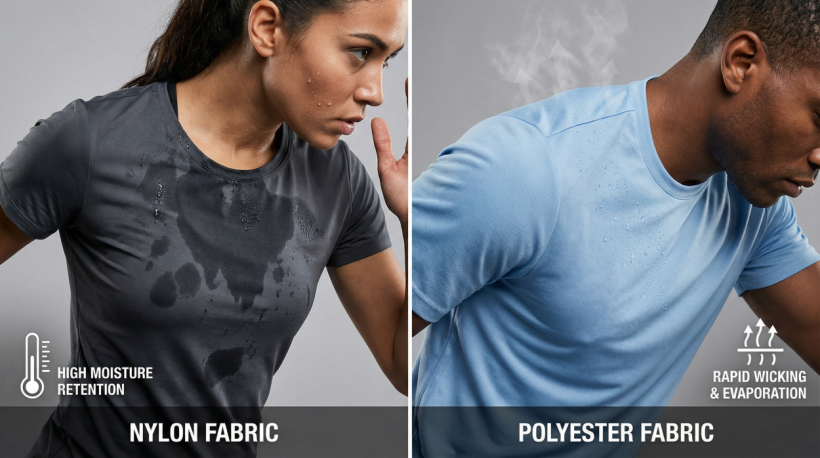
Nylon o poliestere? Esplora le principali differenze in termini di prestazioni, comfort, and durability to choose the best workout fabric.
Tipi di tessuto in tessuto: Guida completa per i progettisti & Acquirenti
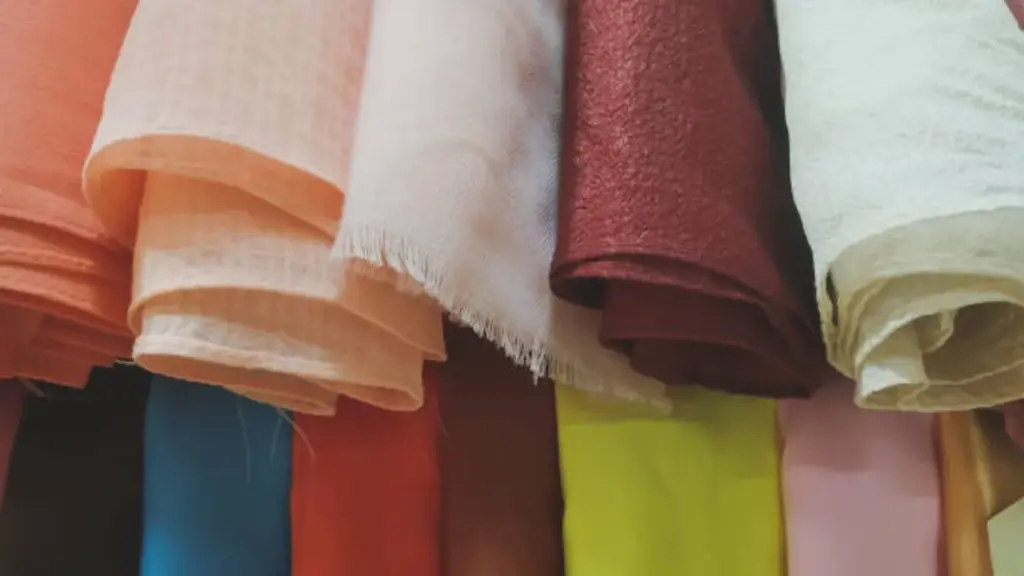
This guide provides a precise breakdown of materials from natural cotton and linen to advanced synthetics like nylon and spandex. We detail specific metrics, including ISO 2076 standards and optimal gsm ranges, to ensure informed material selection for your next collection. The Main Types of Cloth Fabric Explained In 2026, we classify the main types […]
Nylon rigenerato Econyl®: Trasformare i rifiuti oceanici in abbigliamento sportivo

Il nylon rigenerato Econyl® trasforma i rifiuti oceanici in abbigliamento sportivo ad alte prestazioni, blending sustainability with durability and sleek style.
In che modo il GSM influisce sui leggings: 300GSM vs 220 GSM per un comfort a prova di squat
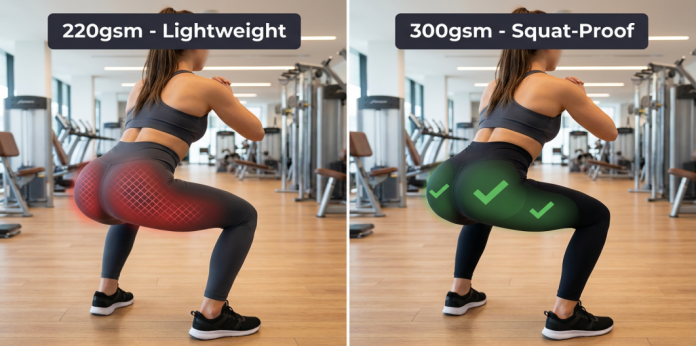
GSM defines coverage and confidence. Compare 300gsm vs 220gsm leggings for true squat-proof comfort and support. Don’t miss out!
Abbigliamento sportivo antiodore: Ioni d'argento contro minerali naturali

Il sudore è una parte naturale di ogni allenamento, especially during in daily fitness routines. Tuttavia, bad odor in leggings, reggiseni sportivi, and gym tops is something no one enjoys. Even after washing, some activewear still smells, which can be frustrating for users and damaging for brands. That’s why modern anti odor activewear uses special fabric […]
Quali materiali non possono essere riciclati? Edizione tessile per marchi (2026 Riferimento)
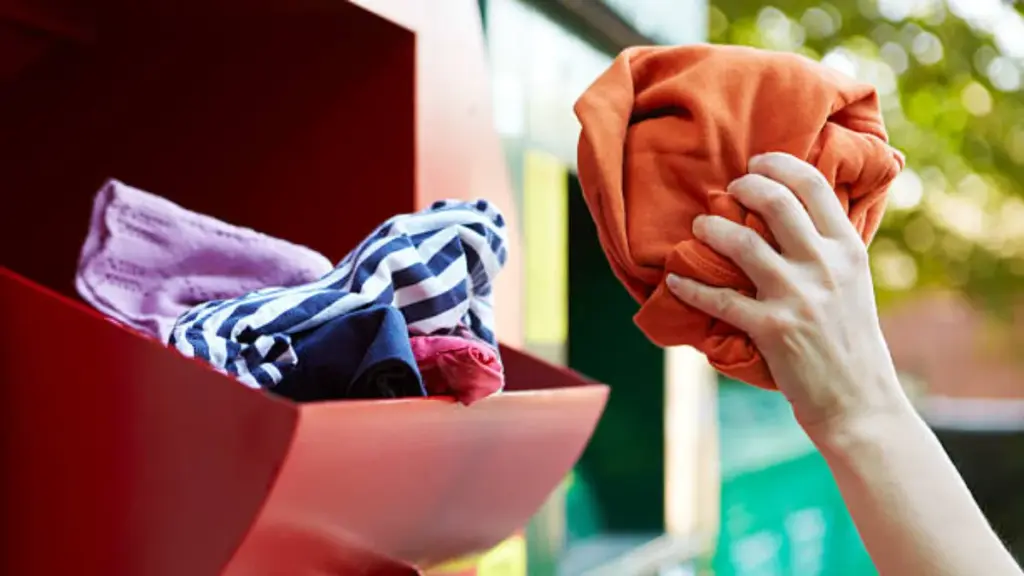
Materiali tessili contenenti oltre 2-3% elastane or incompatible coatings like PU/PVC pose significant recycling barriers, leading to substantial landfill waste and hindering brand sustainability goals. For product designers and material developers, understanding these limitations is critical. This guide details why fabrics with >3 wt% EVOH or carbon black pigment challenge 2026 recycling standards. It outlines […]
Poliestere vs poliestere riciclato: Quale dovrebbe scegliere il tuo marchio? (2026 Guida)
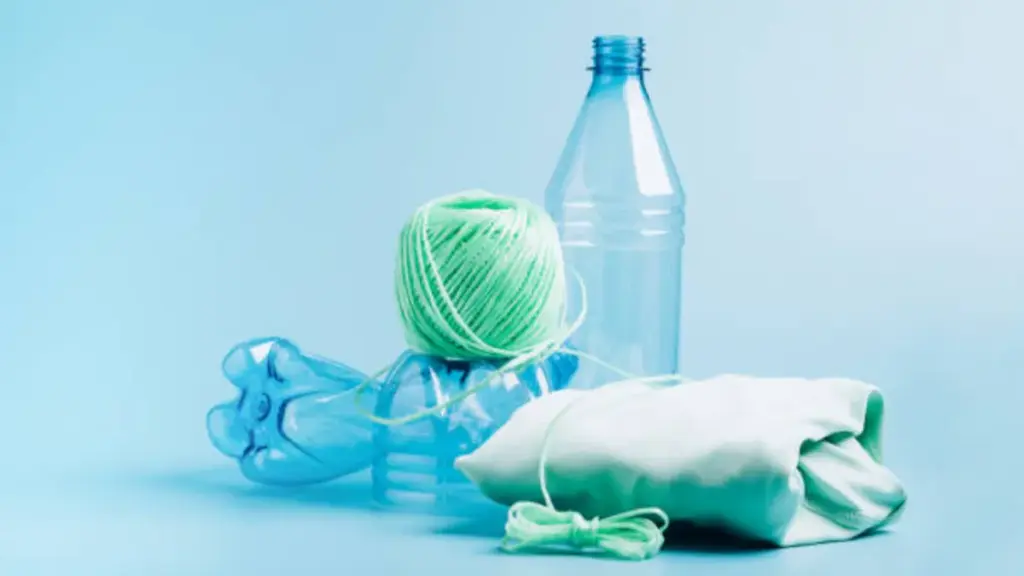
Questa guida analizza le distinzioni produttive del poly(etilene tereftalato), compares fabric performance like 3.5–5.5 cN/dtex tenacity, and details GRS certifications to inform your 2026 material strategy. Polyester vs Recycled Polyester Virgin polyester and recycled polyester are both poly(etilene tereftalato) (PET) at a chemical level. Their main difference lies in feedstock origins and processing impacts. Recycled […]
Il poliestere riciclato è sicuro? Salute, Microplastiche & Le prestazioni spiegate (2026)
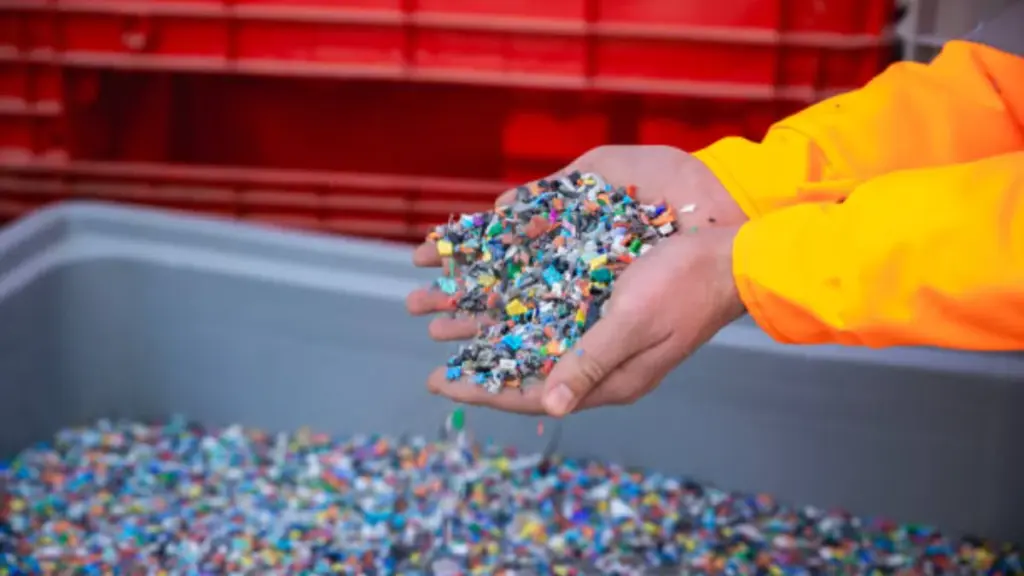
Unaddressed concerns around chemical residues or microplastic shedding risk compromising product integrity and exposing businesses to compliance failures. This guide provides technical clarity, analyzing the 30 mg/kg antimony limits under OEKO-TEX Standard 100, tracing content via GRS, and assessing shedding with ISO 4484-1 to ensure robust material specifications. Il poliestere riciclato è sicuro? Recycled polyester is […]
Poliestere contro spandex: Quale tessuto funziona meglio per l'abbigliamento moderno? (2026 Guida)
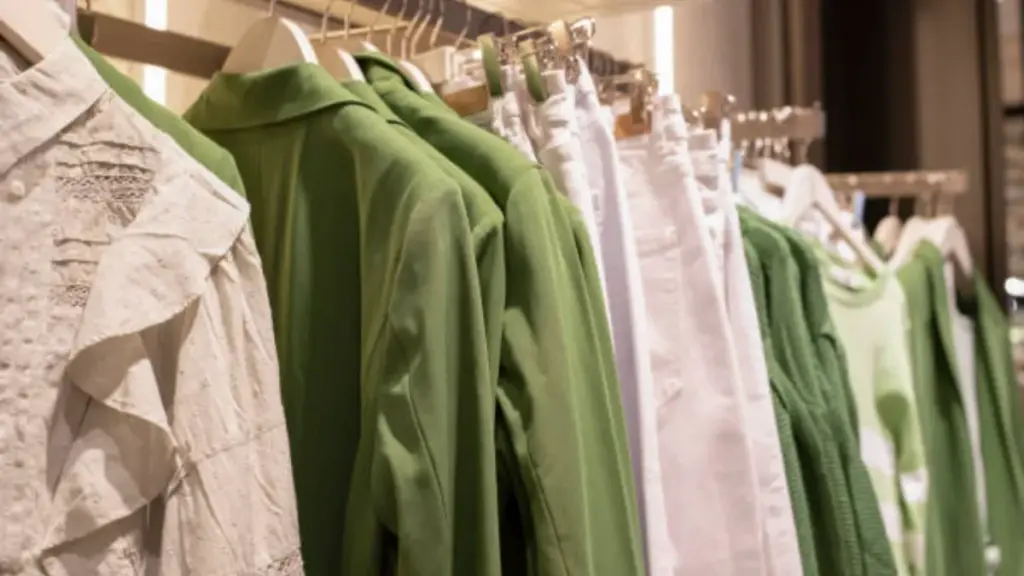
Questa guida esplora le differenze fondamentali come il poly(etilene tereftalato) versus segmented polyurethane, details performance metrics such as ASTM D2594 for stretch, and covers care protocols (per esempio., 20-25 °C washes) for fabric blends. Poliestere contro spandex: What’s the Key Difference? Poliestere (poly(etilene tereftalato)) acts as the strong, durevole, and structurally stable component in fabrics, providing shape retention […]
Elastan contro spandex: Sono davvero lo stesso tessuto??
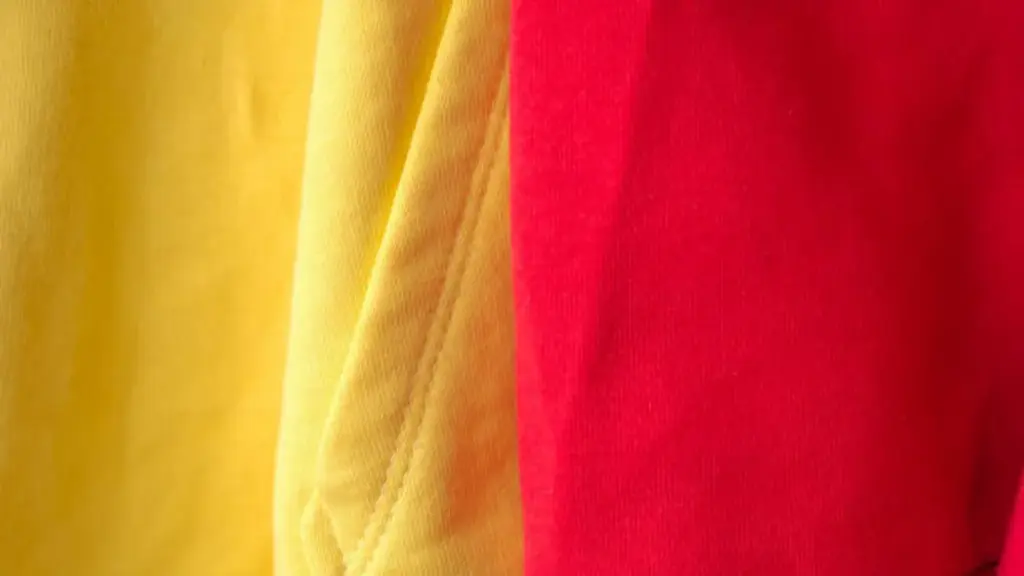
Questa guida descrive in dettaglio la fibra di poliuretano segmentata identica, reviewing properties like 500-700% elongation, ≥95% elastic recovery per ASTM D2594, and ideal 20-40 denier yarn blends for precise sourcing and robust quality control. Elastane vs Spandex In 2026, elastane and spandex refer to the same synthetic fiber, chemically defined as segmented polyurethane, used for stretch in […]


