
Tecnologia con retro spazzolato: Calore senza ingombro nell'abbigliamento sportivo invernale

Resta al caldo senza ingombro. Esplora la tecnologia con retro spazzolato che garantisce leggerezza, abbigliamento sportivo invernale traspirante per le massime prestazioni.
Il mito del contenuto in spandex: È sempre meglio?
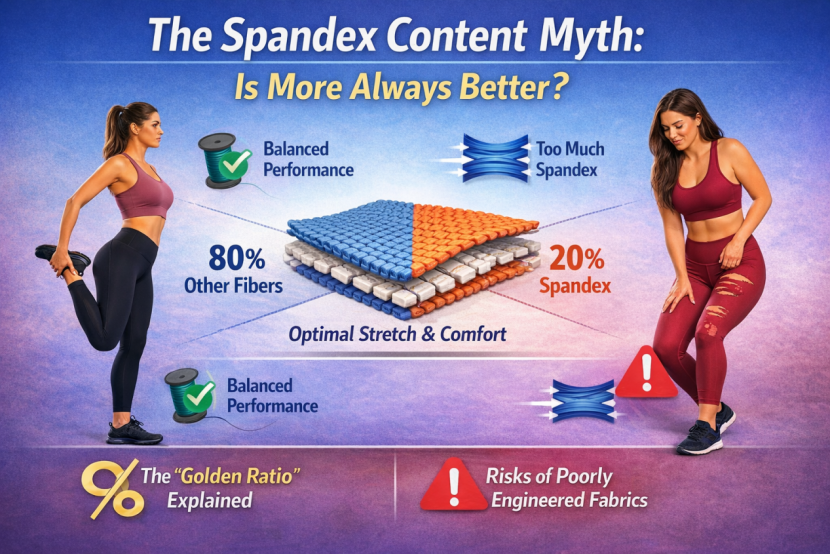
Un contenuto di spandex più elevato è sempre migliore? Esplora la verità dietro l'elasticità del tessuto, comfort, durabilità, e prestazioni.
PCM BlackTech: Tessuti intelligenti che regolano la temperatura
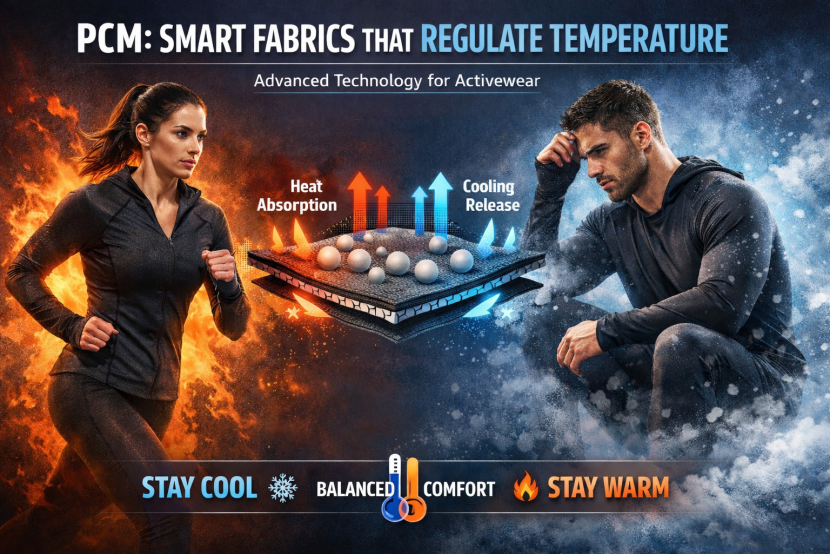
Esplora i tessuti intelligenti PCM Black Tech che regolano la temperatura, migliorando il comfort, prestazione, e innovazione nei tessuti moderni.
Tessuti performanti a base vegetale: Bambù & TENCEL™ Lyocell nell'abbigliamento sportivo
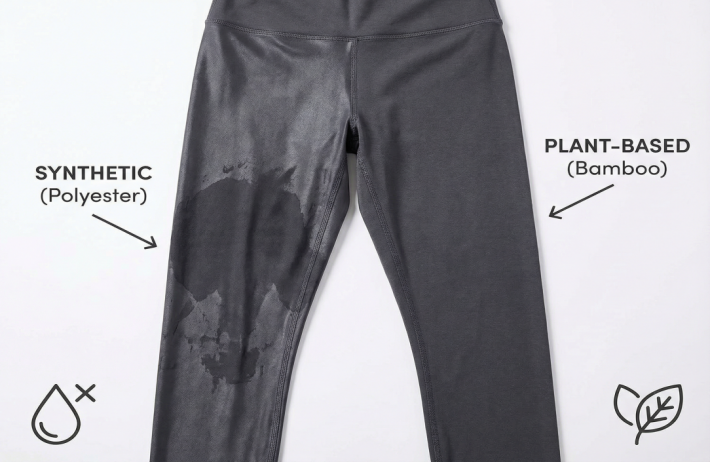
Spiegazione dei tessuti performanti a base vegetale: il bambù e il lyocell TENCEL™ donano morbidezza, e comfort traspirante per l'abbigliamento sportivo.
Perché i leggings costosi prendono la pillola dopo due utilizzi?
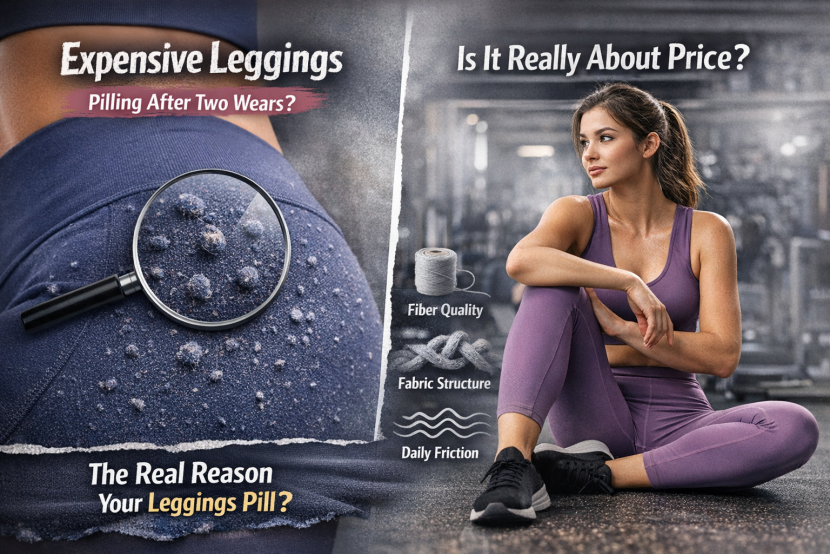
Leggings di alta qualità che formano pelucchi dopo due utilizzi? Scopri perché succede, quanto conta la qualità del tessuto, e consigli intelligenti per mantenere i leggings lisci più a lungo.
Perché il modulo del tessuto è importante nell'abbigliamento da yoga

Scopri perché il modulo del tessuto è importante nell'abbigliamento da yoga e come influisce sull'elasticità, supporto, comfort, e performance durante ogni posa.
Nylon contro. Poliestere: Trovare il tessuto giusto per il tuo allenamento
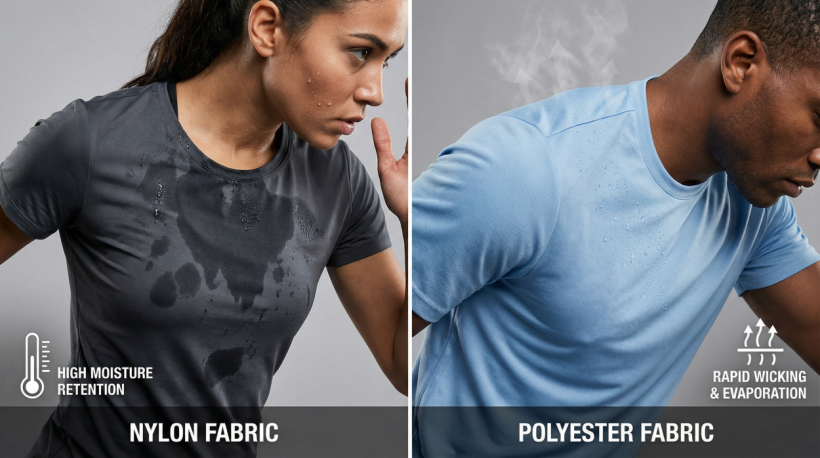
Nylon o poliestere? Esplora le principali differenze in termini di prestazioni, comfort, e resistenza per scegliere il miglior tessuto da allenamento.
Tipi di tessuto in tessuto: Guida completa per i progettisti & Acquirenti
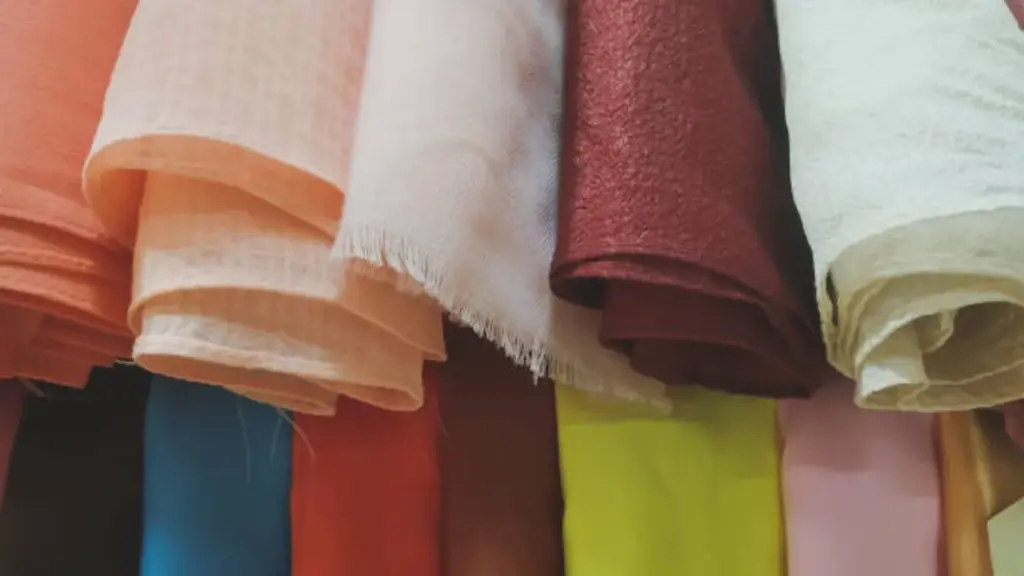
Questa guida fornisce una suddivisione precisa dei materiali, dal cotone naturale e lino ai sintetici avanzati come nylon e spandex. Descriviamo in dettaglio metriche specifiche, compreso l'ISO 2076 standard e gamme GSM ottimali, per garantire una selezione informata del materiale per la tua prossima collezione. I principali tipi di tessuto spiegati in 2026, classifichiamo le principali tipologie […]
Nylon rigenerato Econyl®: Trasformare i rifiuti oceanici in abbigliamento sportivo

Il nylon rigenerato Econyl® trasforma i rifiuti oceanici in abbigliamento sportivo ad alte prestazioni, unendo sostenibilità con durevolezza e stile elegante.
In che modo il GSM influisce sui leggings: 300GSM vs 220 GSM per un comfort a prova di squat
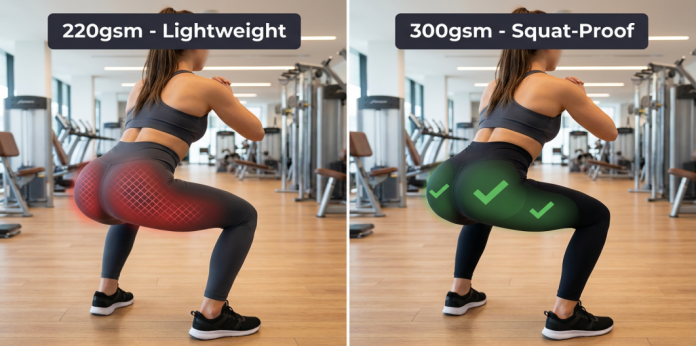
Il GSM definisce la copertura e la fiducia. Confronta i leggings da 300 g/m² con quelli da 220 g/m² per un vero comfort e supporto a prova di squat. Da non perdere!


