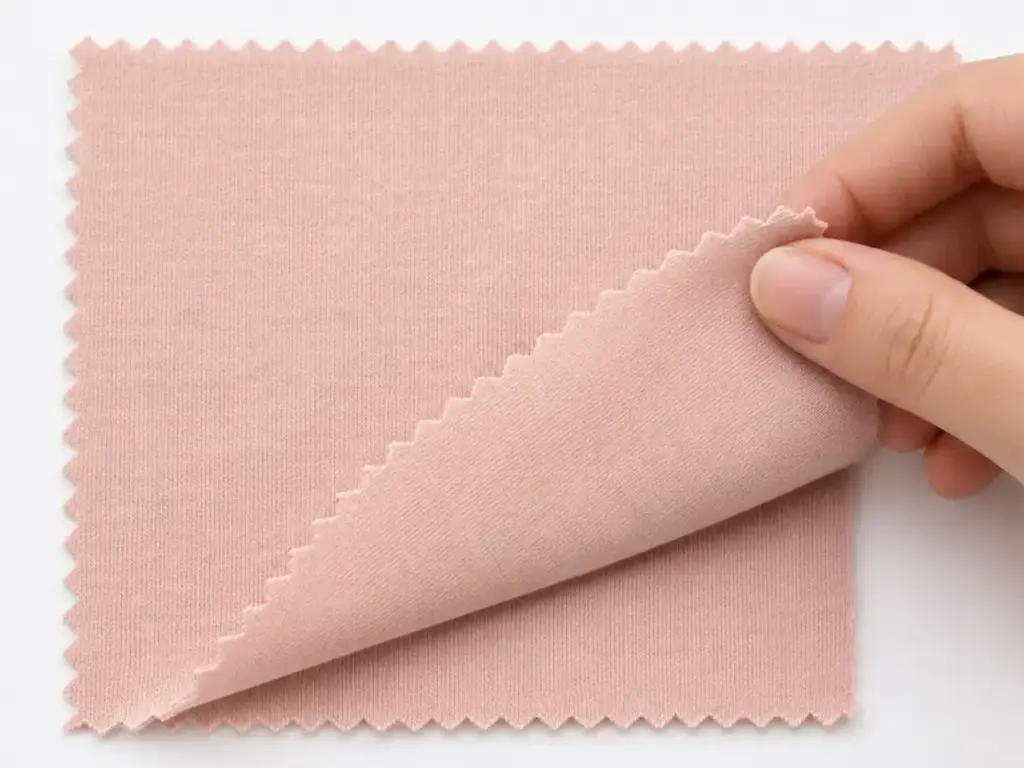
New materials give activewear brands more options for developing distinctive collections. Seaweed-containing fibers are one emerging material direction in textile development.
하지만, the term does not describe a single fiber type. Some products incorporate seaweed-derived ingredients into regenerated cellulose fibers, while other approaches use extracted seaweed compounds to produce different fiber materials.
For running apparel brands, the key question is whether a specific seaweed-containing fabric can meet the required standards for comfort, 수분관리, 내구성, 그리고 핏.
Evaluating its composition and testing the finished garment can help determine whether it is suitable for a running collection.
What Are Seaweed-Based Fibers in Textiles?
Seaweed-based textile materials can be produced through different processing methods. One example is SeaCell™, a branded cellulose fiber developed by SMARTFIBER that incorporates brown algae into a lyocell or modal fiber structure.
The seaweed-derived material is incorporated during fiber production rather than used as the sole raw material. The resulting fibers can then be blended with other materials and processed into fabrics.
Other approaches use extracted seaweed compounds, such as alginate, to produce fibers through different spinning processes. These materials should not be treated as identical to cellulose-based seaweed fibers.
액티브웨어 브랜드의 경우, the distinction matters because fiber composition and production methods influence the material’s properties and potential applications.
Before selecting a fabric, buyers should request:
- Fiber identification: Confirm whether the material is lyocell-based, modal-based, alginate-based, or another fiber type.
- Full composition: Check the percentages of seaweed-containing fibers, 폴리에스테르, 나일론, 엘라스테인, and other components.
- Production information: Understand how seaweed-derived ingredients are incorporated into the fiber.
- Technical documentation: Request relevant specifications, 인증, and performance test results.
These details help brands evaluate the actual material instead of relying on general descriptions such as seaweed fabric or algae-based textiles.
Running Top Fabric Requirements for Different Activities
Running tops have different requirements depending on how and where they will be worn.
A casual run-club T-shirt may prioritize softness, 여유로운 핏, and everyday comfort. A regular training top may need better 수분관리 and wash durability.
For race-oriented running apparel, low weight, fabric drying behavior, and freedom of movement may become more important.
Brands should also consider climate, activity duration, and whether the top will be worn under another layer.
Defining these requirements first makes it easier to decide whether a seaweed-containing blend is worth evaluating.

Comparing Seaweed-Containing Fabrics with Conventional Running Fabrics
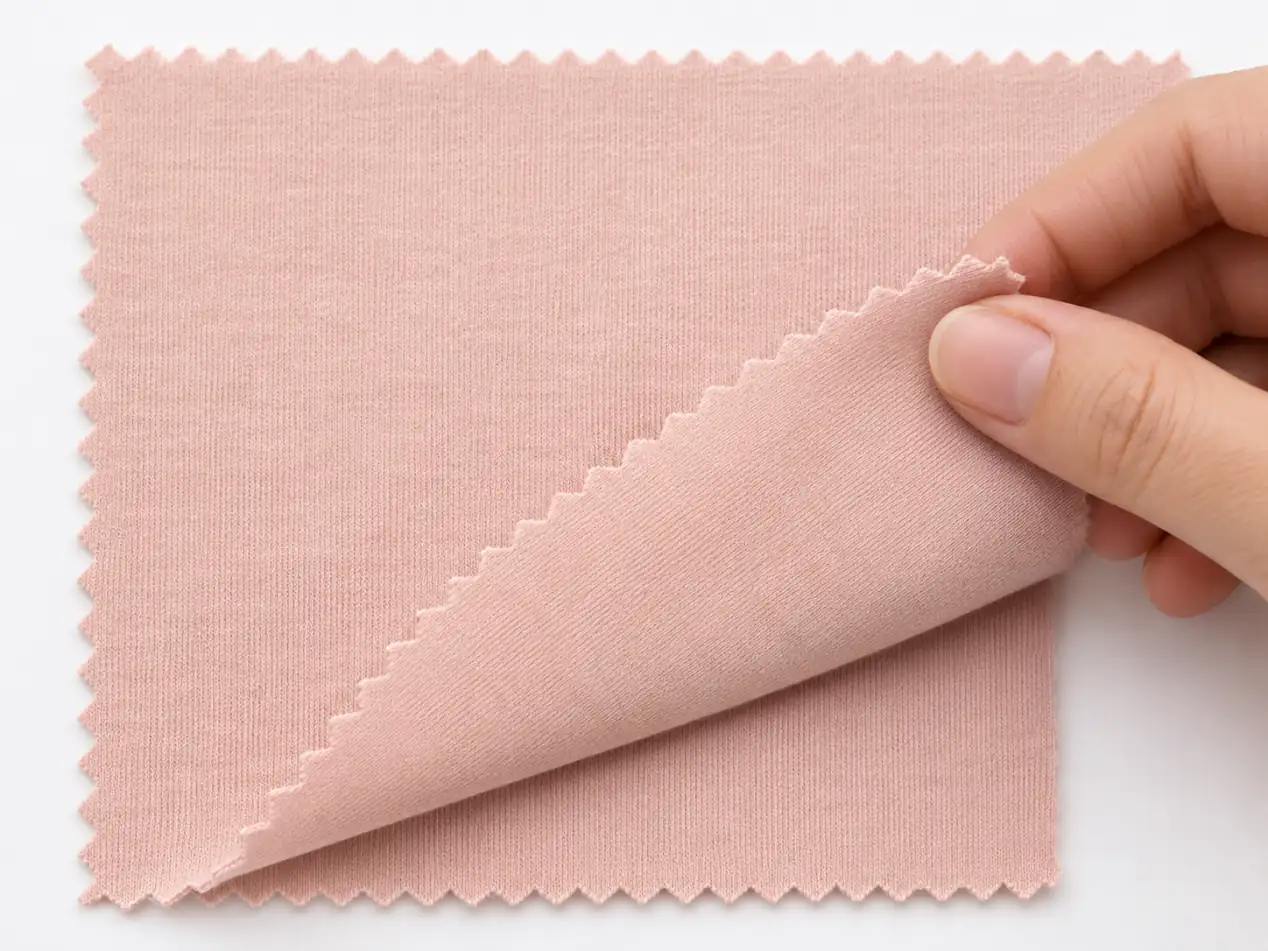
An interesting fiber does not guarantee the performance of the complete fabric.
The final result depends on:
- Full fiber blend
- Knitting structure
- 원단 무게 (GSM)
- Finishing processes
Brands should compare fabric options based on measurable requirements, ~와 같은:
- Moisture handling
- Drying behavior
- Air permeability
- 수축
- Appearance after washing
Testing methods and acceptance criteria should be agreed upon before evaluation.
Wear trials also help identify practical issues involving fit, 움직임, seam comfort, and fabric feel. These observations support laboratory testing rather than replace it.
What Brands Should Know About Seaweed Fiber Sustainability Claims
Seaweed-containing fibers may offer an interesting product story, particularly for brands exploring material innovation.
But seaweed content alone does not prove that a finished garment is sustainable, made with biodegradable fabric options, 제공한다 antibacterial properties for sportswear, or dries quickly.
Other fibers, 완료, 트림, and production processes also influence the product’s overall environmental impact and performance.
Brands should evaluate sustainable fabric choices for activewear and support specific product claims with relevant supplier documentation or testing results.
This approach helps communicate material innovation clearly without creating unrealistic customer expectations.
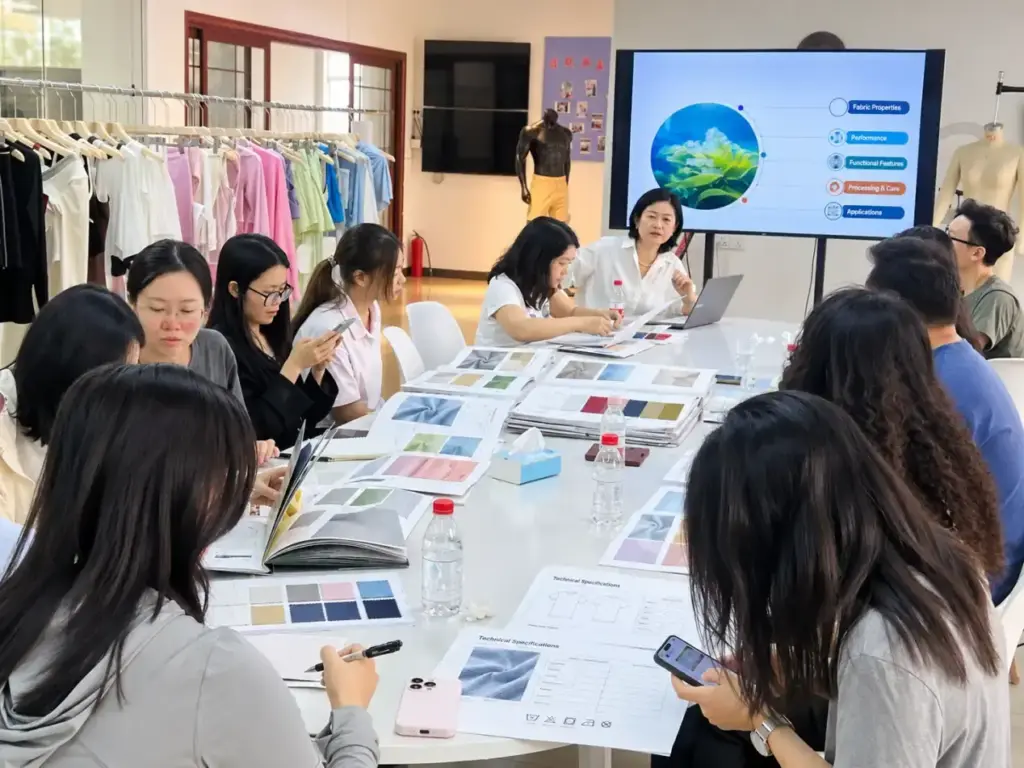
Moving from Fabric Selection to Running Top Sampling
Once a suitable material is identified, the next step is garment sampling.
A clear sample brief should define:
- Intended wearer
- Running activity
- Preferred silhouette
- Fabric requirements
- Testing priorities
During development, brands should evaluate:
- Garment fit
- 건설
- Seam comfort
- Movement
- Wash performance
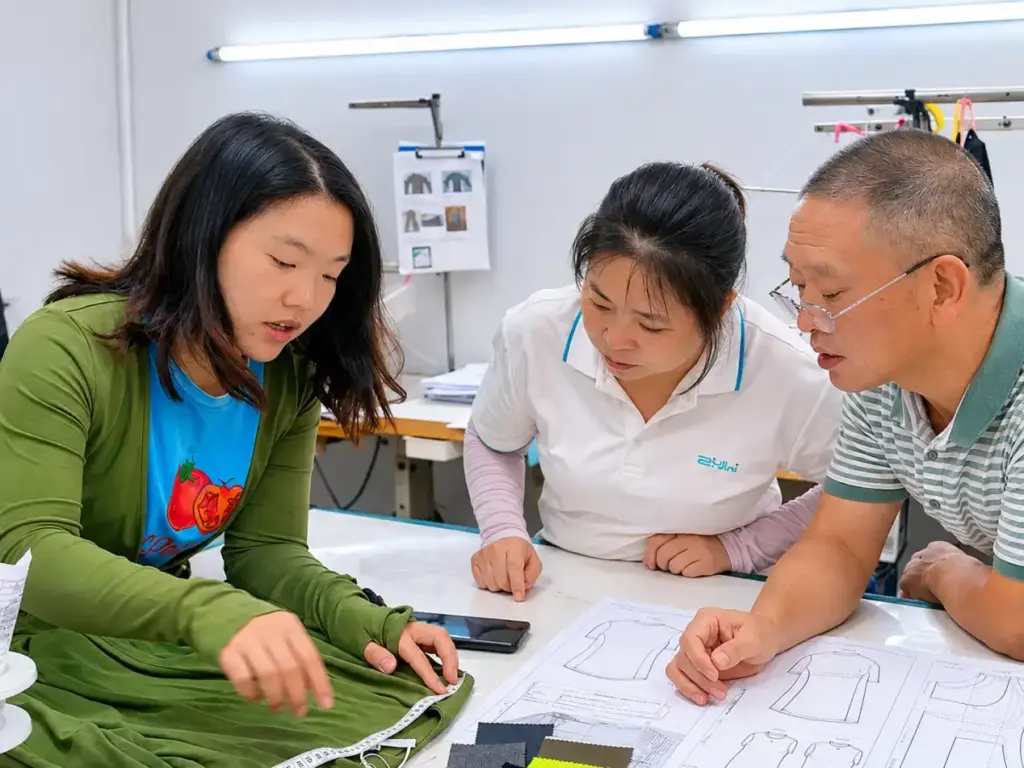
SANSANSUN SPORTS supports activewear brands through 직물 소싱, 패턴 개발, and garment sampling, helping them evaluate material options before bulk production.
The goal is to determine whether the selected fabric works in a finished running top, not simply whether it sounds innovative.
FAQ
Are seaweed-containing fibers suitable for running tops?
They may be suitable, depending on the complete fabric construction, intended activity, and verified performance.
Are seaweed-containing fabrics naturally quick-drying?
꼭 그런 것은 아니다. Drying performance depends on the complete fabric and should be tested.
Are all seaweed-containing fabrics environmentally friendly?
아니요. Environmental claims require supporting evidence about the specific material or finished product.
What should brands check before bulk production?
Brands should review:
- 원단 구성
- Relevant performance test results
- Garment fit
- 세탁 내구성
- Sample consistency
결론
Seaweed-containing fibers could offer activewear brands a new direction for running apparel development.
But their suitability depends on:
- Understanding the real fiber composition
- Identifying the intended running occasion
- Evaluating fabric and garment performance
Considering a seaweed-containing blend for your next running collection? Share your product concept and performance priorities with 산산선스포츠 to discuss fabric sourcing and sample development.