As yoga athletic wear and custom sportswear become part of daily life, a new challenge has gained attention: microplastic pollution. Many activewear fabrics are made from synthetic fibers that can release tiny plastic particles during washing. These particles are too small to be filtered easily and may end up in rivers and oceans.
As an activewear clothing manufacturer based in China, we work closely with fabric mills and production teams to reduce this impact through better fabric choices and smarter manufacturing processes. This article explains the issue in a clear way and shares how responsible brands and factories respond in practice.
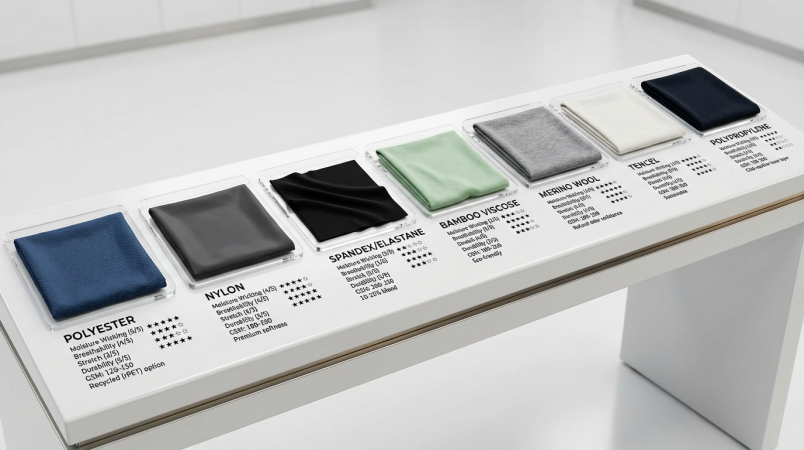
The Microplastic Crisis & Response: Our Fabric Strategy
Microplastics are small fiber fragments released when synthetic fabrics rub, stretch, and break during use and washing. Yoga athletic wear and gym wear brands rely on performance fabrics, so avoiding synthetics completely is not realistic.
Our strategy focuses on reducing shedding at the source. This starts with fabric selection, yarn quality, and construction methods. By controlling these factors early, we help brands lower microfiber release without losing comfort or performance.
Understanding Microplastic Shedding in Synthetics
Most activewear fabrics use polyester, nylon, or blended yarns. During washing, friction causes weak fibers to break off. Loose yarns, low-quality filaments, and poor finishing increase this problem.
For new buyers entering activewear manufacturing, it is important to understand that microplastic shedding is not only about the fiber type. It is also about how the fabric is made and finished. Better yarn control means fewer loose fibers.
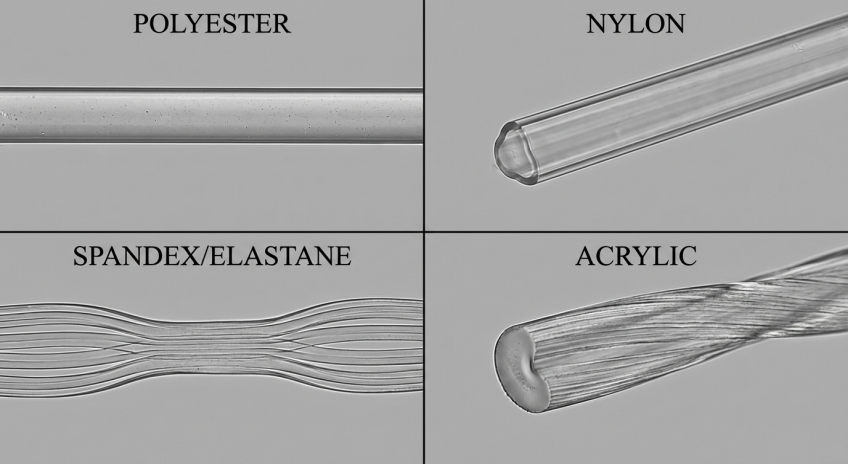
Fabric Choices That Minimize Microfiber Release
Fabric choice plays a key role in reducing microfiber release. High-filament yarns are smoother and more continuous, which helps fibers stay locked together. These fabrics are often more durable and maintain their appearance longer. When developing yoga athletic wear, we guide clients toward fabrics that are designed for frequent washing and long-term use. Better fabric sourcing improves product life and reduces quality issues after launch.
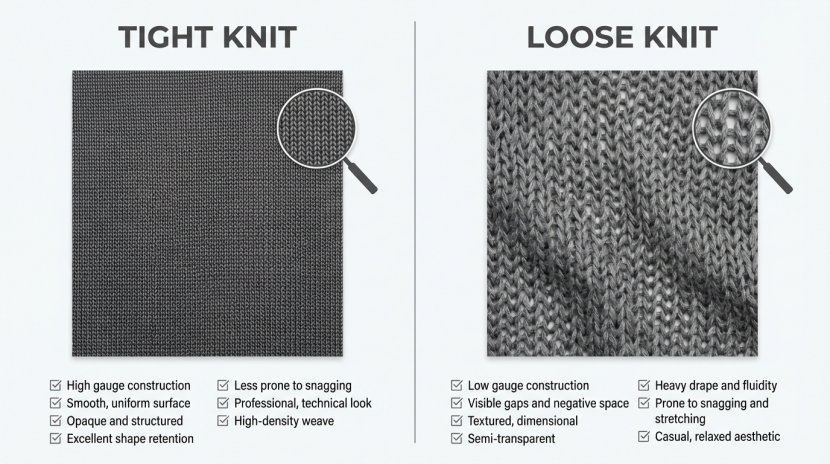
Tight Weave Construction vs Loose Knits
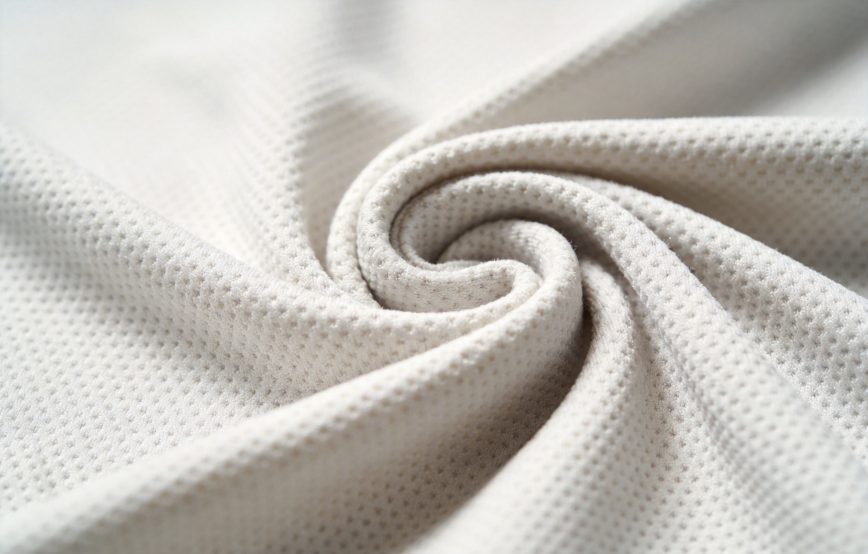
After selecting the right yarn, fabric construction becomes the next important factor. Tight weaves and compact knits hold fibers more securely inside the fabric. Loose knits may feel soft but tend to shed more during washing. Many top sportswear and gym wear brands choose tighter constructions for leggings and performance tops. This balance provides comfort, shape retention, and lower fiber release over time.
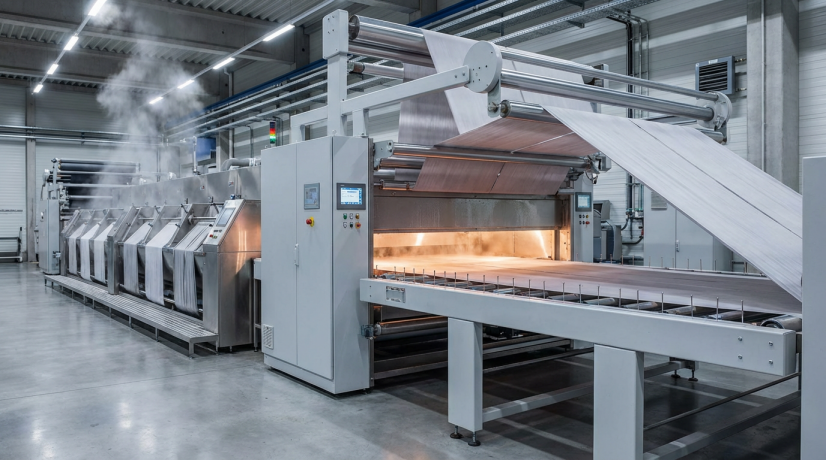
Pre-Washing Treatments and Anti-Shed Coatings
Pre-washing fabric before cutting is a practical solution used by experienced manufacturers. This process removes weak surface fibers early and improves fabric stability. Some fabrics also use light anti-shed or stabilizing finishes. In our production lines, these treatments are carefully tested to ensure they do not affect stretch, softness, or skin comfort. These steps may seem small, but they have a strong impact on final garment quality.
Natural Fiber Integration for Hybrid Solutions
Another effective approach is blending natural fibers with synthetics. Cotton, modal, or bamboo can reduce overall plastic content while adding softness and breathability. Hybrid fabrics are popular in yoga, athletic wear, and lifestyle collections. From our factory experience, these blends work best when the fabric structure is well-controlled and tested for durability. They offer a balanced solution for brands seeking comfort and responsibility.
Washing Protocol Innovations from Responsible Brands
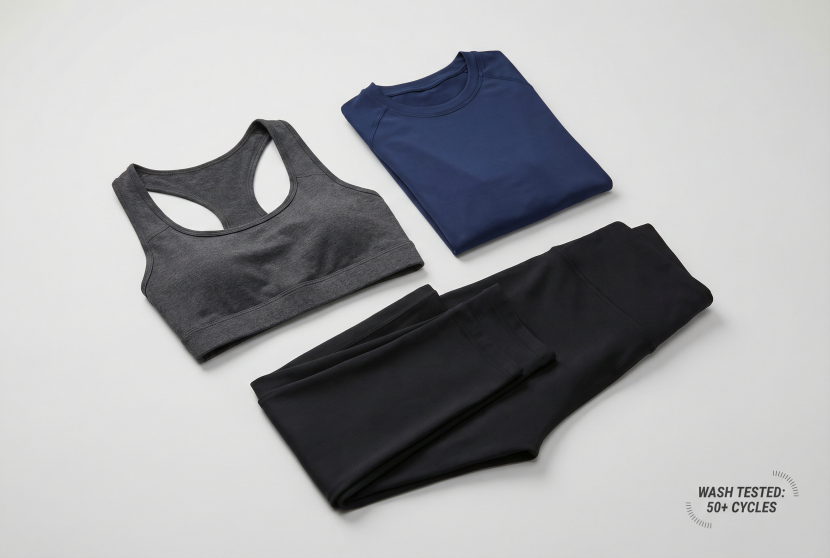
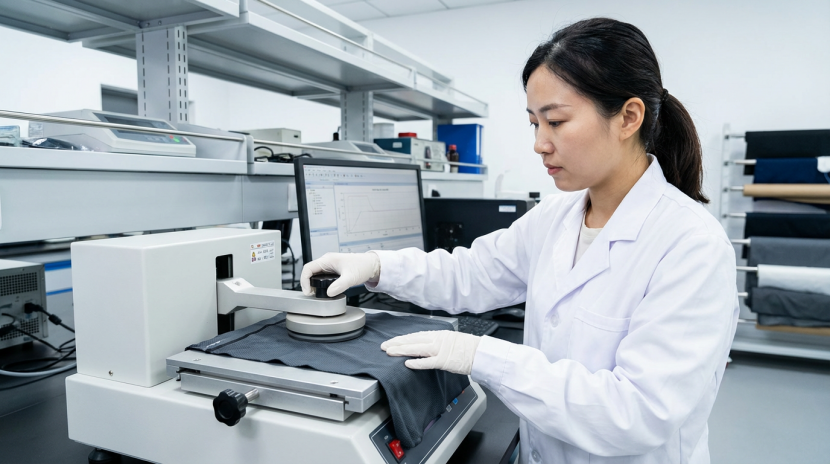
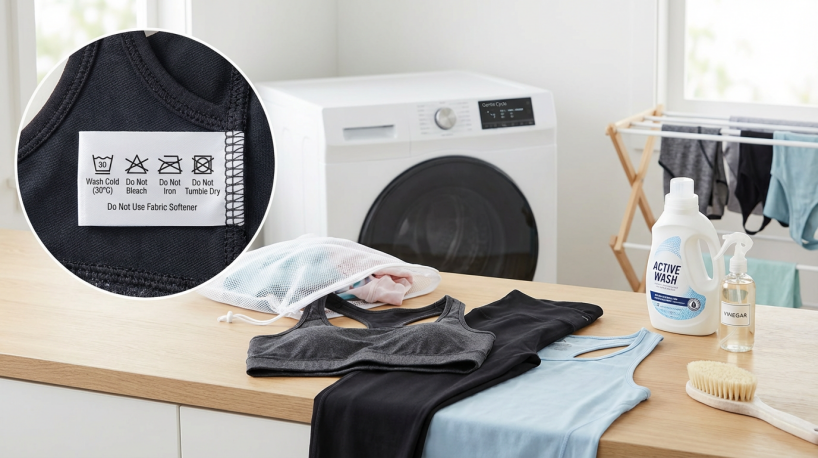
Fabric development does not end at production. Many responsible brands now educate customers on better washing methods, such as cold water and gentle cycles. These practices reduce fiber stress and help garments last longer. As a manufacturer, we support this by testing fabrics under real washing conditions and providing clear care labels. This cooperation between factory and brand protects product quality after sale.
Final Thoughts
Reducing microplastic shedding requires smart decisions at every stage of production. Fabric choice, construction, and finishing processes all matter. As an activewear clothing manufacturer offering OEM, ODM, and MDMD services, Sansansun Sports works closely with buyers to develop reliable and practical solutions. For active wear growing brand choosing the right materials early helps create yoga athletic wear that performs well, lasts longer, and meets modern market expectations.