This guide explores core differences like poly(ethylene terephthalate) versus segmented polyurethane, details performance metrics such as ASTM D2594 for stretch, and covers care protocols (e.g., 20-25 °C washes) for fabric blends.
Polyester vs Spandex: What’s the Key Difference?
Polyester (poly(ethylene terephthalate)) acts as the strong, durable, and structurally stable component in fabrics, providing shape retention and abrasion resistance.
Spandex (segmented polyurethane) is an elastomer known for its extreme, reversible elasticity, allowing fabrics to stretch significantly and recover their shape. It’s commonly used at low percentages in blends to add comfort and performance stretch.
Fundamental Differences: Structure vs. Elasticity
Polyester and spandex play very different roles in fabric construction due to their chemical makeup.
- Polyester is poly(ethylene terephthalate) (PET), a robust fiber. It provides strength, durability, and shape retention, acting as the structural component in garments.
- Spandex, also known as elastane, is a segmented polyurethane elastomer. It’s engineered for extreme stretch, elongating to 400–500% of its original length with excellent recovery.
- For 2026 apparel, polyester typically creates the ‘load-bearing’ framework. Spandex then introduces flexible, elastic properties for comfort and fit.
Performance Characteristics and Apparel Applications
These core differences translate into specific performance benefits and typical uses in activewear.
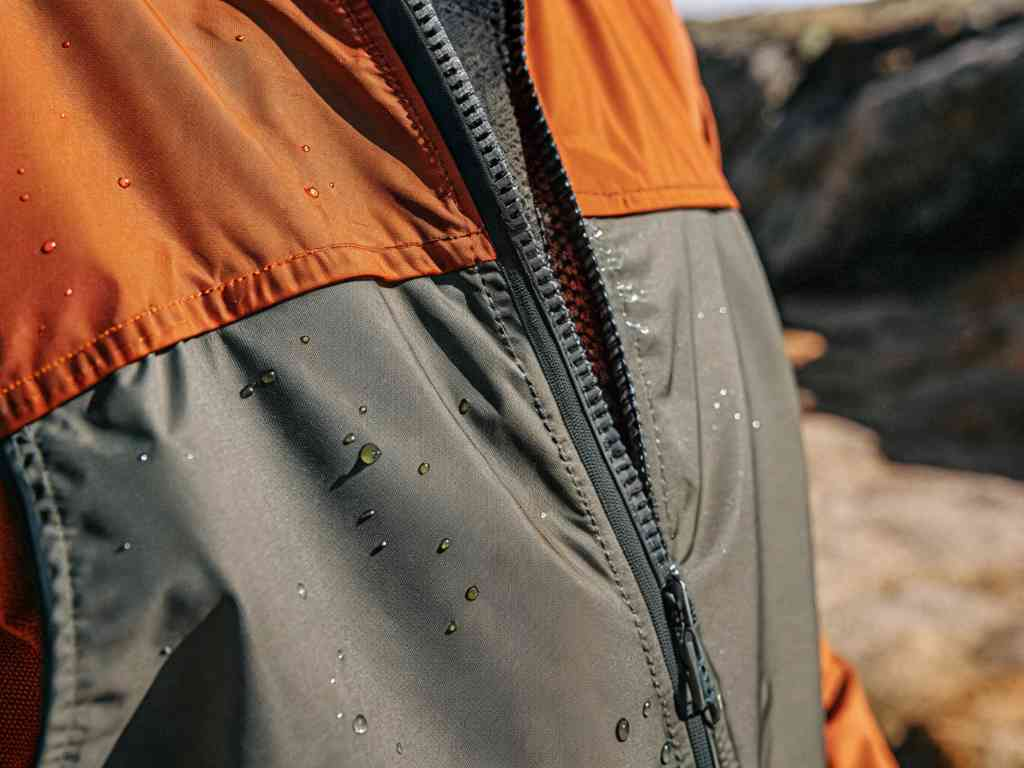
- Polyester fibers offer high abrasion resistance, resist wrinkles, and dry quickly. This makes them perfect for performance jerseys, outdoor gear, and protective outer shells.
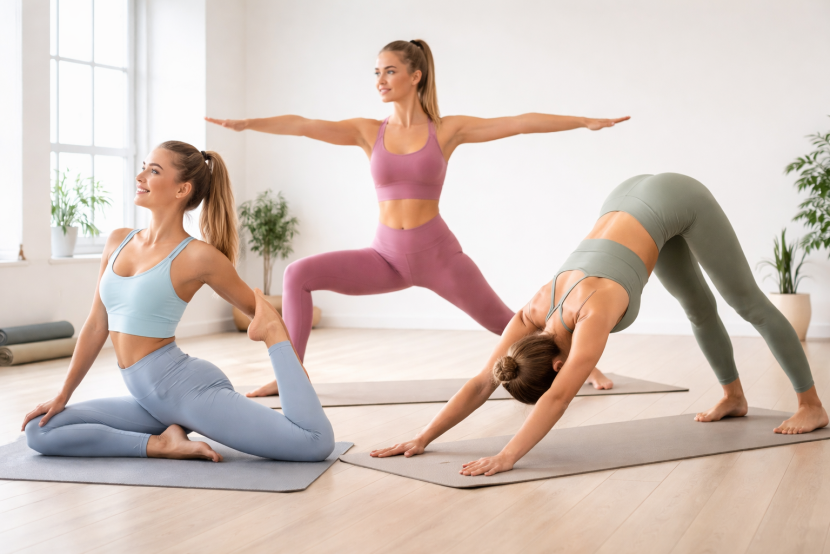
- Spandex typically makes up 2–20% of fabric blends. It adds stretch to items like leggings, sports bras, and shapewear, providing flexibility without being the main component.
- Regarding care, polyester handles standard washing routines well. However, spandex is sensitive to heat, needing cool water washes and low-temperature drying to preserve its elasticity.
For brands seeking custom activewear, Dongguan Sansansun Sports Co., Ltd. leverages this expertise to craft high-performance garments tailored to specific needs.
Polyester: Strength, Durability, and Everyday Versatility
Polyester’s Fundamental Properties
- High fiber strength, ranging from 2.6–5.7 cN/dtex for regular grades and up to 8.0 cN/dtex for high-strength variants.
- Very low moisture regain (approximately 0.4% by weight), contributing to fast drying and hydrophobic qualities.
- Excellent abrasion resistance, crease resistance, and dimensional stability through repeated use and laundering.
- Good UV resistance and colorfastness, maintaining integrity under sunlight exposure.
Performance Characteristics and Applications
- Hydrophobicity ensures stable mechanical properties in humid or sweat-rich environments, unlike many natural fibers.
- Thermal stability, with a melting point of approximately 246 °C, supports common garment processes like heat-setting and sublimation printing.
- Variations like PCDT polyester offer enhanced elasticity and resilience compared to standard PET, suitable for heavy-duty textiles.
- Frequently blended with spandex (elastane) in activewear to provide high stretch and recovery while retaining polyester’s strength and printability.
Spandex: Stretch, Comfort, and Performance Appeal
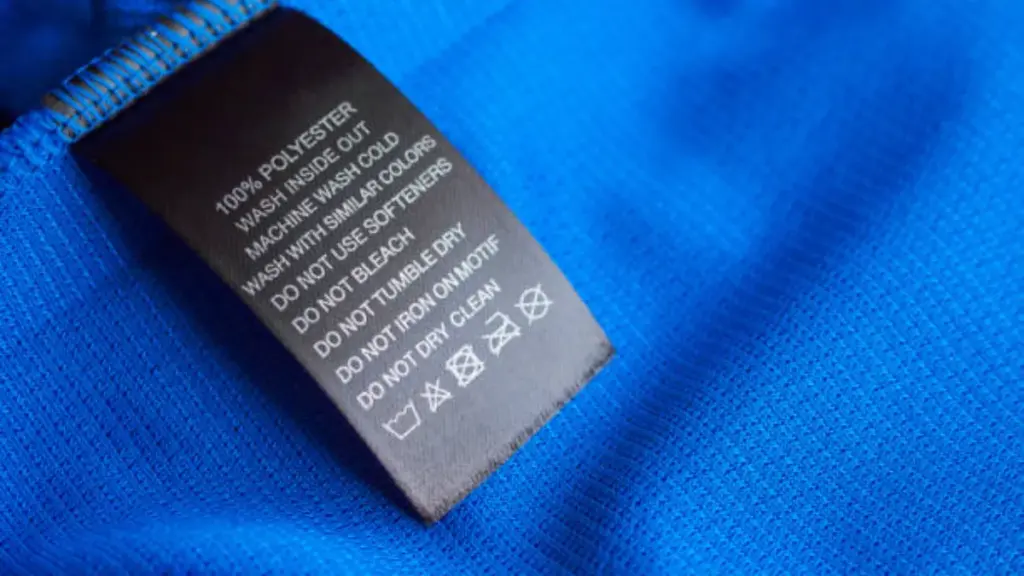
Spandex’s Core Elasticity and Comfort
Spandex, a polyether-polyurea copolymer, delivers exceptional elasticity for apparel. Its unique chemical structure enables fibers to stretch significantly.
Spandex fibers elongate 5 to 8 times their original length (500–800% elongation) before breaking. This remarkable stretch capacity makes spandex essential for form-fitting and comfortable garments.
This chemical structure supports high elastic recovery, meaning the fabric consistently returns to its initial shape. This feature contributes to superior wearer comfort and maintains the garment’s fit and integrity over time.
Spandex Performance Metrics and Fabric Applications
Fabric stretch requirements vary based on application. Comfort denim often needs 20–30% stretch, while everyday wear typically benefits from 40–60%. High-performance activewear, in contrast, demands 70–100%+ stretch for optimal movement.
ASTM D2594 is the industry standard for assessing fabric stretch and recovery. Excellent recovery means a fabric sample, when stretched to 10 inches, returns to approximately 10.0–10.25 inches, indicating strong shape retention.
Fabric weight also dictates performance and application. Activewear often uses 180–250 GSM. Compression garments and swimwear, which require more support and coverage, typically range from 250–400+ GSM.
Spandex fabrics are known for high breathability and moisture-wicking properties. These features are critical for maintaining thermal comfort, making spandex a top choice for activewear.
Performance knits, especially for dynamic sports, usually incorporate 4-way stretch. This construction provides unrestricted movement, significantly enhancing athletic performance across various activities.
At Sansansun Sports, we leverage spandex to engineer activewear with optimal stretch and recovery. Our expertise ensures fabrics meet specific performance demands, from comfortable yoga wear to high-intensity gym apparel, tailored for your brand’s unique needs.
Elevate Your Brand with Custom Activewear Manufacturing

Which Fabric Wins for Your Application?
Choosing the right fabric depends on the application’s primary needs. Polyester excels in durability, strength, and dimensional stability, making it ideal for everyday wear and structural components.
Spandex provides high stretch and recovery, essential for compression and form-fitting garments. Blending these fibers allows for optimized performance, balancing resilience with elastic comfort.
| Feature | Polyester | Spandex (Elastane) | Polyester/Spandex Blend |
|---|---|---|---|
| Primary Role | Structural fiber, provides durability and shape retention | Adds elasticity, stretch, recovery, and compression | Offers balanced structure, stretch, and comfort |
| Key Strength | High strength, abrasion resistance, UV resistance, stable dimensions | Exceptional elongation (500-600%), rapid and complete recovery | Combines polyester’s resilience with spandex’s flexible, body-conforming fit |
| Stretch Performance | Low (under 20-30% without texturization), stable structure | Very high (up to 500-600% elongation) | Moderate to high, dependent on the spandex content in the blend |
| Ideal Applications | Outerwear, team uniforms, everyday knits, durable wovens | Compression garments, shapewear, swimwear, highly flexible activewear | Leggings, sports bras, performance activewear, versatile fashion apparel |
| Benefit For Brands | Long-lasting products, consistent printability, easy care, stable shapes | Body-hugging fit, unrestricted movement, comfort, lasting shape retention | Optimized balance of performance, durability, and elastic comfort for diverse product lines |
Matching Fabric Strengths to Application Needs
When choosing between polyester and spandex, consider the primary function your garment needs to fulfill. Each fiber plays a distinct role in fabric construction and overall performance.
- Polyester serves as the structural fiber, providing tensile strength, abrasion resistance, and maintaining pattern stability in garments.
- Spandex acts as a functional additive, delivering high elongation (up to 500–600%) and rapid recovery for excellent flexibility and a precise fit.
- Consider polyester-dominant blends for applications needing durability, consistent printability, and strong resistance to frequent washing or UV exposure.
- Opt for spandex-rich blends when the primary need is controlled recovery and body-conforming properties, ensuring garments move seamlessly with the wearer.
Optimizing Blends for Specific Performance Needs
Achieving the ideal garment performance often involves carefully combining polyester and spandex in specific ratios. These blends address a wide range of needs, from athletic support to comfortable everyday wear.
- Use high-spandex (10–20%) blends for compression garments, shapewear, swimwear, and form-fitting activewear. These capitalize on spandex’s exceptional stretch and recovery.
- Utilize higher-polyester, low-spandex (0–5%) blends for durable outerwear, team uniforms, and everyday fashion knits or wovens. Here, abrasion resistance and shape retention are critical.
- For performance activewear like leggings and sports bras, common polyester/spandex blends are 85–95% polyester / 5–15% spandex. This balance provides structure with necessary stretch.
- Polyester’s inherent low elongation is under 20–30% without texturization, making it ideal for stable patterns. Spandex adds the essential elasticity needed for dynamic movement.
Dongguan Sansansun Sports Co., Ltd. (Sansansun Sports) specializes in helping brands navigate these fabric choices. Our expertise in custom activewear manufacturing ensures you select the perfect blend and construction for your product line, whether for professional sports or daily athleisure wear. We provide comprehensive design and production support to bring your vision to life with optimal material selection.
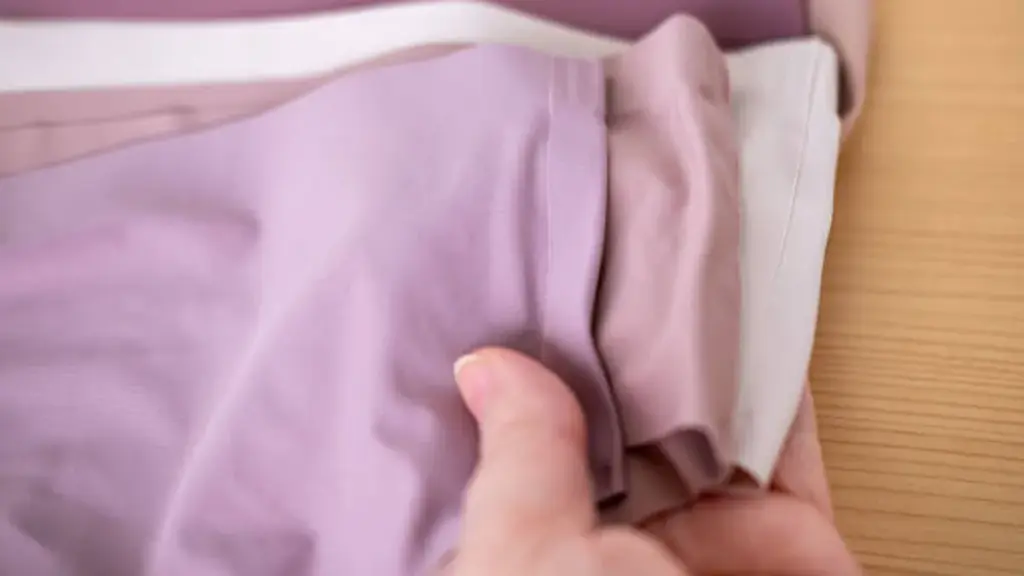
Care & Maintenance Tips: Extending Fabric Life
To extend the life of activewear, particularly items with spandex, prioritize cold water washing (around 20–25 °C), gentle cycles, and air-drying or low-heat tumble drying. Avoid harsh chemicals like chlorine bleach and strong fabric softeners, as these can degrade elastic fibers. Iron at low temperatures with a press cloth and store garments out of direct sunlight.
Proper care is key to maintaining the performance and lifespan of your activewear. Fabrics like polyester and spandex, commonly used in athletic apparel, respond best to specific washing, drying, and storage methods. Following these guidelines helps preserve elasticity, color, and overall garment integrity.
Specific Garment Care Guidelines for Longevity
- Wash polyester–spandex and pure spandex fabrics in cold water (~20–25 °C) on a gentle cycle. This helps prevent fiber degradation and maintains the garment’s original stretch.
- Air-dry your garments whenever possible. If using a tumble dryer, select a low or cool heat setting (drum air temperature ≤~50–60 °C). High heat can permanently reduce spandex elasticity.
- When ironing, use low to medium settings (around 110–150 °C) for pure polyester. For spandex blends, use a very low heat setting with a press cloth, and keep contact time minimal.
- Steer clear of harsh chemicals like chlorine bleach, strong alkaline detergents, and fabric softeners. These can break down elastane’s polyurethane segments, leading to a loss of stretch.
- Store activewear away from direct sunlight. Prolonged UV exposure can accelerate the loss of elasticity and cause colors to fade.
By following these specific care guidelines, you ensure your activewear performs well and lasts longer. This commitment to quality care mirrors the durable and high-performance garments developed by manufacturers like Dongguan Sansansun Sports Co., Ltd.
Recycled Polyester and Future Alternatives
By 2026, recycled polyester (rPET) is a core sustainable textile. It is regulated by international standards like GRS and national frameworks such as China’s GB/T 40351‑2021. These ensure ecological quality, traceability, and performance parity for various applications.
rPET is a primary future alternative to virgin polyester, suitable for products ranging from sportswear to everyday apparel.
Defining Recycled Polyester and its Ecological Framework
Recycled polyester (rPET) is a foundational material for sustainable textiles. Its quality is ensured by national product standards, chemical guidelines, and global chain-of-custody schemes.
- China’s GB/T 40351‑2021 defines ecological technical requirements for rPET fiber. This standard limits substances such as formaldehyde, heavy metals, and phthalates.
- It also restricts VOCs, PAHs, and banned dyestuffs, setting clear boundaries for chemical content.
- This standard applies to both undyed and spun-dyed rPET fibers, establishing a baseline for quality control.
Global Certification and Performance Applications
International certifications ensure the integrity and broad applicability of rPET across various product categories.
- Textile Exchange’s Global Recycled Standard (GRS) requires a minimum of 20% recycled content for material certification. For product-specific labeling, it mandates at least 50% recycled content.
- GRS also covers chain-of-custody, environmental impact, chemical management, and social labor protections. This aligns with programs like Amazon Climate Pledge Friendly.
- The ZDHC “Recycled Polyester Guidelines v1.0” define industry standards for input quality and chemical processing. These guidelines ensure compliance with the ZDHC Manufacturing Restricted Substances List (MRSL).
- GRS-certified rPET is suitable for demanding applications, including sportswear, outerwear, swimwear, and linings. It offers performance parity with virgin polyester while significantly reducing environmental impact.
Frequently Asked Questions
How do polyester-spandex blends perform in leggings, and what are typical compositions?
For performance leggings, industry practice uses polyester-spandex blends ranging from 70–90% polyester and 10–30% spandex.
Compositions like 85% polyester / 15% spandex or 88% polyester / 12% spandex, typically with a fabric weight of 220–280 gsm, offer an optimal balance of 4-way stretch, opacity, and durability, ensuring over 95% recovery.
Is recycled polyester suitable for blends with spandex?
Yes, recycled polyester (rPET) from performance-grade sources behaves similarly to virgin polyester when blended with spandex.
This means brands can use sustainable rPET options in their activewear without compromising the fabric’s intended performance or quality.
What are the recommended care instructions for polyester-spandex blends?
To maintain the elasticity of spandex and extend the garment’s life, machine wash blends cold (at or below 30–40 °C).
Avoid using bleach.
For drying, either air dry or use a low-heat setting.
Does the presence of spandex shorten the lifespan of a garment?
Spandex content does not inherently shorten a garment’s life.
Degradation typically results from exposure to factors like high heat, chlorine, and excessive abrasion.
Well-engineered polyester-spandex blends are designed to be durable, long-lasting, and maintain shape retention even after numerous washes.