Sustainability teams, eco-fashion brands, and material suppliers face mounting pressure from consumers and regulations to replace high-impact textiles with environmentally safe alternatives. The surge in demand for biodegradable sportswear materials reflects a shift toward performance fabrics that minimize waste and pollution while maintaining comfort and durability.
This guide covers what biodegradable fabrics are, key materials like PLA, tencel, e algodão orgânico, and how their manufacturing processes deliver lifecycle benefits. It equips industry decision-makers to select materials that align with sustainability goals and market expectations.
What Are Biodegradable Fabrics?
Biodegradable fabrics are materials designed to naturally break down through microbial action into harmless components like water, carbon dioxide, and biomass within a reasonable timeframe, minimizing environmental impact compared to synthetic textiles.
For sustainability teams and eco-fashion brands, understanding biodegradable fabrics is key to making responsible material choices in sportswear production. Em nossa experiência, these fabrics offer a balance between performance and environmental responsibility, especially in the growing market for biodegradable sportswear materials.
Definition and Overview
Biodegradable fabrics decompose naturally through microbial processes without leaving harmful residues behind. Their breakdown results in basic elements like water, carbon dioxide, and biomass, which are safe for ecosystems.
The decomposition happens within a period that does not cause long-term harm to soil or waterways. This makes them an essential choice for sustainable textile production.
Types of Biodegradable Fabrics
Common biodegradable fibers can be divided into natural and semi-synthetic categories. Each type has unique properties and decomposition rates, making them suitable for different applications in apparel manufacturing.
- Fibras Naturais: algodão, linen, cânhamo, jute, bambu, abaca, ramie, and kapok — all plant-derived.
- Algodão: decomposes in 1–5 months depending on conditions; untreated linen can biodegrade in as little as 2 semanas.
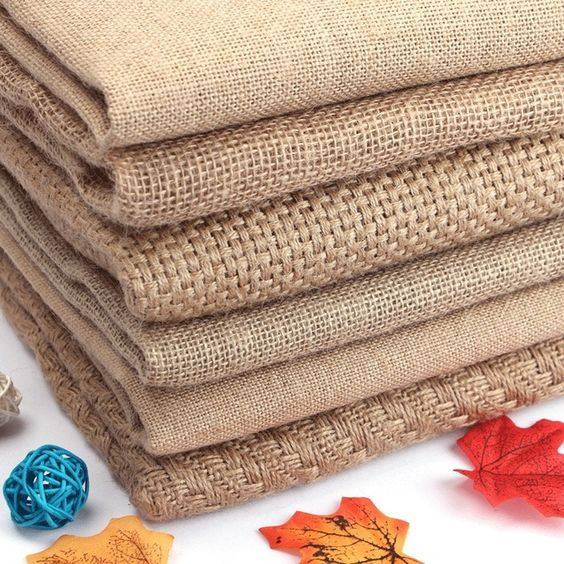
- Jute: known as the “golden fiber,” fully biodegradable and highly sustainable.
- Semi-Synthetic Fibers: viscose rayon and lyocell (TENCEL) made from regenerated cellulose, breaking down within weeks.
- Lyocell Advantage: made using a closed-loop system that recycles solvents, reducing environmental impact.
Key Materials: PLA, tencel, and Organic Cotton
PLA, tencel, and organic cotton are leading biodegradable sportswear materials, each with distinct sustainability profiles: Tencel uses 99.5% less water and fewer chemicals than cotton, PLA is derived from renewable corn starch and is fully biodegradable, while organic cotton uses 85% less water than conventional cotton but still more than Tencel.
These three fabrics represent some of the most progressive steps in eco-conscious sportswear production. Each offers a unique balance between environmental responsibility, desempenho, and sourcing transparency.
Water Usage and Emissions Comparison
| Material | Uso de água | CO₂ Emissions |
|---|---|---|
| Tencel ✅ | Closed-loop recycling of 99.5% water and solvents ⚠️ minimal fresh water use | Significantly lower than organic cotton & conventional synthetics ✅ |
| Organic Cotton ♻️ | Uses 85% less water than conventional cotton but more than Tencel | Lower than conventional cotton ❌ but higher energy use than Tencel |
| PLA 🚀 | Variable, generally lower than synthetic fibers | Lower than petroleum-based synthetics ✅ |
Biodegradability and Sustainable Sourcing
- tencel: Certified biodegradable and compostable in industrial, home, soil, freshwater, and marine environments; sourced from fast-growing eucalyptus wood pulp on degraded land.
- Organic cotton: Naturally biodegradable when untreated and grown without synthetic pesticides or fertilizers.
- PLA: 100% biodegradable and compostable, derived from renewable crops such as corn, cassava, or sugarcane.
Material Performance and Comfort Characteristics
- tencel: Strong, resistente a rugas, hipoalergênico, absorvente de umidade, and odor-resistant — ideal for high-performance sportswear.
- Organic cotton: Macio, respirável, hipoalergênico; less durable than Tencel but valued for natural feel.
- PLA: Polyester-like stretch and softness, moisture-wicking capabilities; adoption in sportswear is still expanding.
Eleve suas roupas esportivas com fabricação de precisão
Partner with Sansan Sports to access cutting-edge design-to-delivery solutions that ensure performance, sustentabilidade, and rapid market readiness. Transform your brand vision into high-quality, innovative apparel built for today’s active lifestyle.

Comparing Biodegradable vs. Recycled Fabrics
Biodegradable fabrics decompose naturally within months to a few years, minimizing landfill impact, while recycled fabrics save energy and resources during production but are not fully biodegradable and can persist for centuries. Biodegradable fabrics excel in end-of-life sustainability; recycled fabrics offer production-phase savings.
Em nossa experiência trabalhando com biodegradable sportswear materials, both biodegradable and recycled fabrics carry unique advantages and limitations in sustainability. Below is a visual breakdown for quick reference.
Key Comparison of Biodegradable and Recycled Fabrics
| Fator | Biodegradable Fabrics ✅ | Recycled Fabrics ♻️ |
|---|---|---|
| Typical Materials | Organic cotton, cânhamo, bambu, lyocell | Poliéster reciclado, recycled cotton |
| Biodegradability | ✅ Yes (semanas para meses) | ❌ No for synthetics (até 300 anos), ✅ Yes for recycled cotton |
| Energy Use vs Virgin | Varia, often lower for natural fibers | ✅ 30–56% less energy |
| Uso de água | ⚠️ High for cotton (até 2,700 gallons) | Lower for recycled cotton |
| Derramamento de Microplástico | ✅ None | ⚠️ Present in synthetic recycled fabrics |
| End-of-Life Impact | Composts, returns nutrients | Persists in landfills |
| Custo | ⚠️ Often higher due to raw materials | ✅ Often lower due to waste inputs |
| Carbon Emissions | Lower for natural fibers | ✅ 30–56% less emissions |
Detailed Insights and Considerations
Biodegradable fabrics break down rapidly, avoiding microplastic pollution and enriching soil if composted. Yet natural fiber cultivation can consume significant water and land resources.
Recycled fabrics reduce raw resource use and lower emissions during production while diverting waste from landfills. No entanto, synthetic recycling still leads to microplastic shedding and fabric persistence in the environment.
Sourcing practices and manufacturing processes ultimately decide sustainability impact. No fabric type is inherently low-impact without responsible handling.
For B2B buyers, choosing between these materials often means weighing end-of-life environmental benefits—which favor biodegradable products—against production efficiency and scalability, where recycled fabrics may lead.
Industry Case Studies and Pilot Projects
Industry case studies and pilot projects in biodegradable sportswear materials consistently demonstrate measurable environmental and financial benefits, including significant waste reduction, improved compliance with sustainability regulations, and increased consumer approval.
Real-world pilots show how biodegradable innovations can support both environmental goals and profitability in the sportswear sector. The results from various global brands highlight measurable gains in operations, sustentabilidade, and market response.
Environmental and Financial Impact Metrics
| 📊 Métrica | Resultado | ✅ Benefit |
|---|---|---|
| Waste reduction | 72% in European Bioleader® project | Lower landfill usage |
| Inventory & logistics costs | 15% decrease | Operational savings |
| Plastic-free compliance | 6 meses | Regulatory readiness |
| Customer approval | 78% in EU quick-service pilot | Positive brand perception |
| Sales uplift & waste diversion | 6% sales increase, 68% waste diverted | Revenue growth |
| Virgin plastic use reduction goal | 50% por 2025 (Unilever) | Menor pegada ambiental |
| Plastic pieces removed | 2.3 bilhão pedaços (Tesco UK) | 65% shopper eco preference |
| Packaging emissions | Até 15% mais baixo (Starbucks EMEA) | Reduced CO₂ impact |
Material Innovation and Certifications
- Use of PBAT and PLA blends, seaweed-based films, and plant-based PET in sportswear trials.
- PLA-based films decompose in 90–180 days under industrial composting conditions.
- Certifications such as EN13432, BPI, and FDA food-contact compliance confirm product safety and global readiness.
Em nossa experiência, selecting the right biodegradable material depends on balancing performance factors with decomposition rates and certification paths. Brands can speed up market readiness by validating materials through recognized third-party bodies.
Operational and Regulatory Benefits
- Fast adaptation to regulations like the EU PPWR and UK Plastic Packaging Tax, completing compliance in as little as 6 meses.
- Unit costs rose by about 12% in some pilots, offset by Extended Producer Responsibility credits and lower logistics expenses.
- Gains in brand loyalty and consumer approval driving sales increase.
- Strategic supplier collaborations and pilot programs essential for navigating compliance and maximizing impact.
Challenges in Scaling Biodegradable Production
Scaling biodegradable production faces significant challenges due to higher production costs (2–4x conventional plastics), performance limitations in moisture and barrier properties, and complex certification and regulatory hurdles that delay market entry.
In our experience working with sustainable textile projects, biodegradable materials offer clear environmental benefits, but their scalability is limited by several interconnected challenges. These include cost structures, product performance, regulatory compliance, and market readiness.
Cost Premium and Market Penetration
| Fator | Data / Status | Impacto |
|---|---|---|
| Production Cost | 2–4x higher than conventional plastics ❌ | Slows adoption in price-sensitive markets |
| Current Market Share | ~1% of global plastics ❌ | Limited economies of scale |
| Projected Growth | 6.1% CAGR (2025–2035) 🚀 | Steady but gradual expansion |
Despite the cost premium, demand is gradually increasing, especially in niche applications where sustainability is a key purchasing driver.
Performance and Material Limitations
- Biodegradable materials often have weaker moisture resistance and oxygen barrier properties.
- Restrictions in high-performance uses such as sportswear and long-shelf-life packaging.
For biodegradable sportswear materials, these limitations make it challenging to match the durability and moisture control of synthetic fibers. Ongoing material science innovation is critical to closing this gap for activewear and professional sports gear.
Certificação, Regulatory, and Infrastructure Challenges
- Key certifications: ASTM D6400, EN 13432, COMO 4736 — all require extensive testing.
- Certification and food safety tests can delay market entry by several months.
- Limited industrial composting infrastructure; home composting often insufficient.
Without adequate facilities, even certified biodegradable products may end up in landfills. Clear labeling and disposal guidance can improve real-world biodegradation rates.
Supply Chain and Consumer Challenges
- Limited raw material supply chains for biopolymers.
- Need for specialized manufacturing equipment.
- Consumer confusion around disposal and labeling reduces impact.
We often see that waste reduction potential depends as much on consumer education as on manufacturing innovation. Clear supply chain planning and standardized labeling can influence adoption rates in apparel markets.
Growth Opportunities and Innovation Drivers
- Strong regional growth in China (9.1% anualmente) and India (8.9% anualmente).
- Ongoing R&D in advanced bio-polymers supports material performance gains.
- Regulatory support and sustainability commitments are accelerating innovation.
Para marcas de roupas esportivas, integrating biodegradable fabrics into limited collections can build market familiarity while testing new performance technologies. Em nossa experiência, this phased approach helps balance risk with innovation while positioning a brand as sustainability-forward.
The Future of Eco-Conscious Sportswear Manufacturing
The future of eco-conscious sportswear manufacturing is marked by rapid growth, fueled by consumer demand for sustainable textiles, regulatory pressure, and technological advances. The global market is expected to reach $4.16 para $15 bilhão por 2032, reflecting rising adoption of recycled and biodegradable materials.
In our experience working with leading eco-fashion innovators, the sustainable sportswear sector is undergoing a transformation driven by environmental responsibility and advanced manufacturing techniques. This shift impacts both material sourcing and production models worldwide.
Market Growth and Consumer Trends
| 📊 Métrica | Data | 🚀 Growth Insight |
|---|---|---|
| Global Sustainable Sportswear Market | $2.77 bilhão em 2024 → $4.16 bilhão por 2032 (5.2% CAGR) ou $15 bilhão por 2033 (12% CAGR) | 🚀 Expanding across global regions |
| Atletismo Sustentável | $91.93 bilhão em 2022 → $142.61 bilhão por 2031 (5% CAGR) | 🚀 Strong lifestyle adoption |
| North America Market Share | 35.6% of global sustainable athleisure | 💡 High regional demand |
- 88% of consumers want less pollution from fashion.
- 67% prefer sustainable materials.
- 75% remain loyal to eco-conscious brands.
Materials and Innovation in Eco-Conscious Manufacturing
Biodegradable sportswear materials are now part of mainstream production, with brands investing heavily in organic and recycled fibers. Advanced technologies help reduce environmental impact while maintaining high performance for athletes and casual wearers.
- Organic cotton, poliéster reciclado, plant-based polyesters, fibras biodegradáveis.
- Nike recycles 1 bilhão plastic bottles annually into yarn.
- Adidas utilizes recycled ocean plastics for performance gear.
- PANGAIA deploys bio-based nylon; Patagonia operates closed-loop supply chains.
- Circular production reduces textile waste by up to 40%.
- AI and analytics optimize resource use and prevent overproduction.
Challenges and Regulatory Influences
While demand is strong, the path to scalable sustainable sportswear faces hurdles. High material costs and globally complex ethical supply chains slow adoption.
- High costs of sustainable materials compared to synthetics.
- Difficulty ensuring transparent supply chains across continents.
- Scaling ethical production remains a global challenge.
Regulatory pressure in North America and Europe accelerates adoption of certified materials and ethical labor standards. Governments support the transition with stricter environmental laws, pushing biodegradable textiles and renewable energy adoption.
- Certified materials aligning with ISO, BSCI, and OEKO-TEX standards.
- Integration of renewable energy in manufacturing.
- Circular economy models becoming an industry norm.
Perguntas frequentes
What is a biodegradable fabric?
Biodegradable fabric is a textile designed to decompose naturally through microorganisms, leaving minimal environmental impact. These materials break down into non-toxic components without leaving harmful residues.
Em nossa experiência, sustainable sportswear brands often choose biodegradable fabrics such as bamboo fiber or organic cotton blends for eco-conscious collections.
How long does it take to degrade?
The degradation time varies depending on the fabric composition and environmental conditions. Organic cotton and bamboo fiber can break down within 6–12 meses under composting conditions.
Polymer-infused biodegradable textiles may take up to 2–3 years to fully decompose, especially in low-moisture environments.
Is it suitable for sportswear?
Sim, certain biodegradable fabrics can meet performance requirements for sportswear when engineered with moisture-wicking and stretch capabilities.
Sansan Sports integrates biodegradable fibers into blends with recycled polyester to balance eco-sustainability with durability, elasticity, and fit precision for athletic use.
What brands use it?
Eco-fashion brands and sustainability-focused sportswear labels are increasingly adopting biodegradable fabrics for activewear lines.
Global innovators in yoga apparel, outdoor gear, and team sportswear have partnered with manufacturers like Sansan Sports to introduce biodegradable sportswear materials into their collections.
Is it cost-effective?
While biodegradable fabrics can be slightly more expensive than conventional synthetics, bulk production and optimized supply chains can reduce costs.
Em nossa experiência, brands investing in biodegradable sportswear materials see long-term value through enhanced brand reputation, market differentiation, and alignment with sustainability goals.
The Future of Eco-Conscious Sportswear Manufacturing
Biodegradable fabrics are reshaping sportswear with measurable reductions in emissions, water use, and landfill waste. Key materials like Tencel, PLA, and organic cotton balance performance with environmental responsibility, while innovations in closed-loop systems and biopolymer engineering address previous durability concerns. Market data shows accelerating demand, with regulatory pressure and consumer loyalty driving adoption despite higher upfront costs.
For sustainability teams and eco-fashion brands, integrating biodegradable sportswear materials now positions them ahead of tightening regulations and shifting buyer preferences. A phased rollout—paired with transparent sourcing, certified supply chains, and strategic collaborations—maximizes impact while managing risk. Partnering with experienced manufacturers streamlines compliance and ensures performance standards, enabling brands to capture growth in the expanding eco-sportswear segment.