Desenvolvedores de roupas inteligentes, R&Equipes D, e os investidores enfrentam o desafio de transformar dados biométricos brutos em insights de desempenho significativos, ao mesmo tempo em que superam barreiras técnicas na precisão dos sensores, vida útil da bateria, e durabilidade da roupa. A integração de sensores vestíveis não é mais um experimento de nicho – está se tornando um componente central do design competitivo de roupas esportivas e da otimização da saúde.
Este guia aborda como funcionam os sensores vestíveis, estratégias para integração de eletrônicos em roupas esportivas, e os benefícios que esses sistemas proporcionam aos atletas e treinadores, ajudando as partes interessadas do setor a projetar produtos prontos para o mercado que combinem rastreamento avançado de dados com recursos sustentáveis, recursos fáceis de usar.
O que são sensores vestíveis e como funcionam?
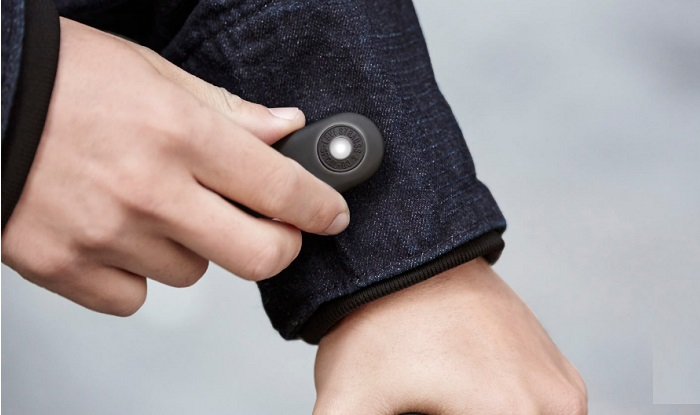
Sensores vestíveis são pequenos dispositivos eletrônicos embutidos em roupas ou acessórios que coletam continuamente, processo, e transmitir dados fisiológicos ou ambientais do usuário usando sensores integrados, processadores, e conectividade sem fio. Eles detectam sinais específicos como movimento ou frequência cardíaca, convertê-los em dados digitais, e transmiti-lo para monitoramento ou análise em tempo real.
Em nossa experiência trabalhando com desenvolvedores de smartwear, a integração de sensores vestíveis envolve um equilíbrio preciso entre conforto, durabilidade, e funcionalidade. Abaixo exploramos seus componentes, tipos de sensores, métodos de processamento de dados, e benefícios.
Definição e componentes principais de sensores vestíveis
Sensores vestíveis são dispositivos compactos incorporados em roupas ou acessórios projetados para monitorar métricas fisiológicas e ambientais durante o uso. Eles atuam como centros de coleta de dados em miniatura para o corpo humano.
- Sensores miniaturizados, como acelerômetros, giroscópios, e monitores de frequência cardíaca.
- Processadores para converter sinais brutos em formatos de dados utilizáveis.
- Transmissores sem fio para envio de dados via Bluetooth, Wi-fi, ou redes celulares.
Esses componentes detectam parâmetros como movimento, frequência cardíaca, e temperatura, em seguida, transforme-os em formato digital para monitoramento e análise.
Tipos comuns de sensores e dados coletados
Os wearables modernos integram vários módulos de sensores para fornecer um conjunto de dados abrangente. Esta combinação suporta coaching avançado, monitoramento de condicionamento físico, e insights de saúde.
- Acelerômetros e giroscópios — para detecção de movimento e contagem de passos.
- Monitores de frequência cardíaca e sensores de oxigênio no sangue.
- GPS e barômetros — para medição de localização e altitude.
- Sensores de temperatura da pele para adaptação ambiental.
Os métodos de transmissão de dados geralmente incluem Bluetooth ou Wi-Fi para sincronização de curto alcance, e redes celulares para rastreamento mundial.
Como os sensores vestíveis processam e transmitem dados
A maioria dos dispositivos processa dados diretamente em um microcontrolador incorporado. Em alguns designs, análises mais profundas são realizadas por smartphones conectados ou serviços em nuvem.
- Opções de conectividade sem fio: Bluetooth, Wi-fi, e celular.
- Feedback em tempo real permitindo ajustes de desempenho durante o uso.
- Métricas como tamanho compacto – abaixo 50 gramas para dispositivos de pulso.
- Vida útil da bateria variando de 1 acabar 14 dias dependendo da complexidade do processamento.
Em nossos projetos de fabricação, alinhar o hardware do sensor com o design de vestuário de desempenho sustentável garante valor a longo prazo para marcas e usuários finais.
Integração da Eletrônica no Design de Roupas Esportivas
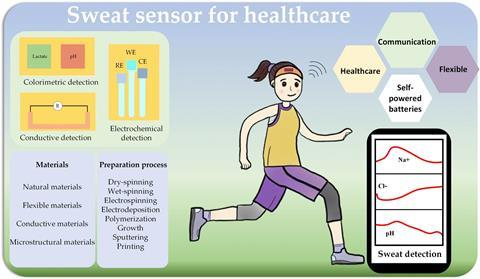
A integração da eletrônica no design de roupas esportivas está avançando rapidamente, com sensores, têxteis inteligentes, e plataformas conectadas tornando-se centrais para o monitoramento de desempenho, rastreamento de saúde, e envolvimento do usuário em roupas esportivas.
Em nossa experiência, A integração de sensores vestíveis em roupas esportivas está moldando uma nova era para os atletas, marcas, e desenvolvedores. Esta transformação é impulsionada pelo rápido crescimento dos têxteis inteligentes e da eletrónica incorporada, oferecendo dados ricos, soluções orientadas para o desempenho.
Visão geral do mercado e tecnologias-chave
| 📊 Segmento | Valor & Crescimento |
|---|---|
| Mercado de roupas inteligente | 💡 USD 5.16 bilhão (2024) → USD 21.48 bilhão (2030), 🚀CAGR 26.2% |
| Têxteis inteligentes com eletrônica integrada | 💡 USD 7 bilhão (2024), 🚀CAGR 22.8% (2025–2034) |
| Mercado de wearables esportivos | 💡 USD 2.3 bilhão (2025) → USD 9.4 bilhão (2035), 🚀CAGR 15% |
| Mercado de roupas esportivas | 💡 USD 345.79 bilhão (2025) → USD 605.89 bilhão (2032), 🚀CAGR 8.34% |
- Sensores incorporados para monitoramento biométrico.
- Materiais condutores para conectividade perfeita.
- Sensores de deformação baseados em grafeno para flexibilidade e sensibilidade.
- Fabrics integrados com IA para rastreamento de desempenho adaptativo.
- Conectividade GPS e nuvem para compartilhamento de dados em tempo real.
- Painéis baseados em aplicativos para engajamento e análise do usuário.
Aplicações e benefícios da eletrônica embarcada em roupas esportivas
- Monitoramento em tempo real da frequência cardíaca, tensão muscular, respirando, e movimento.
- Insights sobre recuperação e prevenção de lesões por meio de análises preditivas.
- Conectividade na nuvem para armazenar e analisar dados de treinamento.
- Ciclos de feedback personalizados para otimizar os treinos.
- Experiência aprimorada do atleta através da fusão da ciência do esporte com produtos eletrônicos de consumo.
O vestuário inteligente não apenas ajuda os atletas a monitorar o desempenho, mas também permite que treinadores e equipes médicas refinem estratégias. Para marcas, isso abre oportunidades de diferenciação por meio de experiências digitais integradas e serviços de valor agregado.
A próxima fase da integração de sensores vestíveis poderá fazer com que os componentes eletrônicos se tornem praticamente invisíveis para o usuário. As expectativas incluem roupas adaptáveis com orientação de treinamento personalizada em tempo real e recursos avançados de engajamento que vão além dos esportes e se estendem ao gerenciamento diário da saúde.
Eleve suas roupas esportivas com fabricação de precisão & Inovação
Faça parceria com a Sansan Sports para acessar tecnologia de tecido de ponta, produção sustentável, e fluxos de trabalho escalonáveis adaptados à visão única da sua marca. Forneça roupas voltadas para o desempenho com mais rapidez, sem comprometer a qualidade ou os padrões ecologicamente corretos.
Desafios na vida útil e lavabilidade da bateria
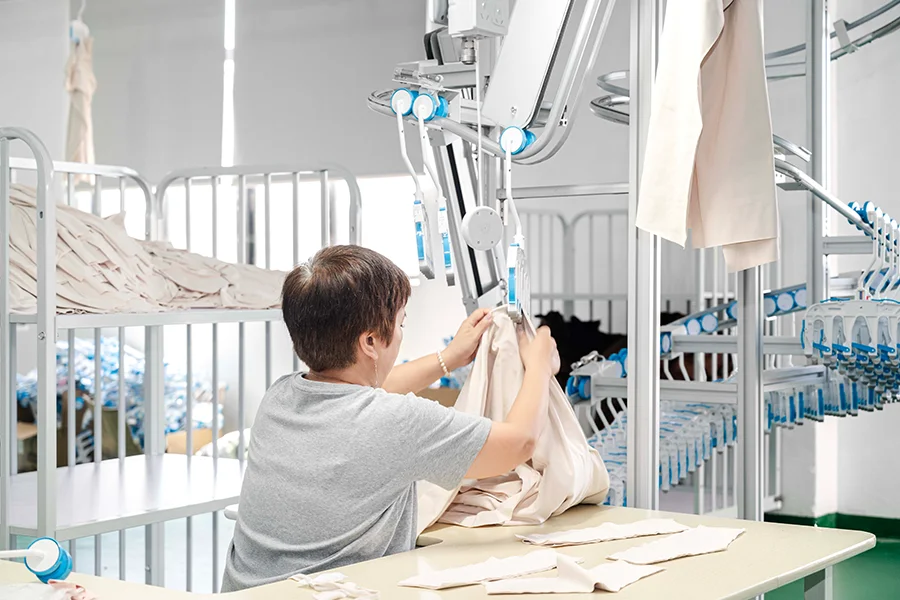
A vida útil da bateria e a capacidade de lavagem são as principais barreiras técnicas para a integração de sensores em smartwear. Embora os smartwatches ofereçam até 40 dias de duração da bateria, sensores integrados em têxteis enfrentam limites de densidade de energia e degradam-se significativamente após apenas 10-15 ciclos de lavagem, causando perda de precisão e desafios de durabilidade.
Os desenvolvedores de Smartwear enfrentam um duplo desafio na integração de sensores vestíveis: maximizando o desempenho da bateria e garantindo a lavabilidade em produtos têxteis. Ambos os fatores influenciam diretamente a confiança do consumidor, vida útil do produto, e adoção pelo mercado.
Métricas de duração da bateria e prioridades do consumidor
| Tipo de dispositivo | Vida útil da bateria | Notas do Consumidor |
|---|---|---|
| Relógio inteligente premium | ⏱ 3-7 dias | ⚠️ Requer carregamento frequente |
| Modelos Estendidos (Solar) | ✅ 40+ dias | 🚀 Melhor para implantações longas |
| Use relógios OS | ⏱ 4-6 dias | ⚠️ Vida útil moderada da bateria |
| Rastreador de condicionamento físico econômico | ✅ 14-17 dias | 💡 Preço equilibrado & bateria |
- Sobre 60% dos consumidores classificam a duração da bateria como o principal fator de compra.
- 11.7% relatar insatisfação devido à curta duração da bateria.
- Mais do que 70% dos smartwatches oferecem pelo menos 2 dias de duração da bateria atualmente.
Desafios de lavabilidade para sensores integrados em têxteis
- Sensores têxteis perdem 50-70% precisão depois 10-15 lava em 40°C.
- O estresse mecânico causa fraturas em peças rígidas e fadiga metálica em interconexões flexíveis.
- Detergentes e amaciantes degradam revestimentos poliméricos, reduzindo a condutividade em até 25% depois 5 lava.
- Não existem normas atuais de lavabilidade para têxteis eletrónicos, complicando os esforços de engenharia.
Realidade do Mercado: Equilibrando a vida útil e a durabilidade da bateria
Os fabricantes muitas vezes trocam um fator pelo outro. A elevada duração da bateria é alcançável em designs rígidos, mas raramente em têxteis laváveis.
- Alcance dos relógios movidos a energia solar Garmin 40+ dias de duração da bateria, mas não podem ser lavados na máquina.
- Os rastreadores de fitness econômicos priorizam a lavabilidade, mas têm bateria com duração moderada (14-17 dias).
- O feedback do consumidor em smartwatches infantis e robustos mostra fragilidade e bateria curta como principais problemas.
- A integração têxtil ainda não consegue fornecer bateria robusta e alta capacidade de lavagem em um único produto.
Soluções emergentes e restrições na integração de Smartwear
- Arquiteturas energeticamente eficientes prolongam a bateria em wearables rígidos, mas ainda não são aplicadas a têxteis laváveis.
- Sensores têxteis podiam ver 30-50% queda na duração da bateria vs.. dispositivos rígidos devido ao design de energia distribuída.
- A recalibração do sensor pode ser necessária após 5-10 lavagens devido a problemas de desempenho.
- O encapsulamento premium melhora a proteção, mas aumenta o custo dos componentes em 15-25%.
- A lavabilidade prática máxima ainda é baixa (5-10 ciclos), abaixo das expectativas de vida útil da roupa.
Recomendações técnicas e de teste para R&Equipes D
- Teste a durabilidade do sensor têxtil de acordo com ISO 6330 (lavar) e CEI 60068-2-30 (choque mecânico).
- Melhore o encapsulamento e as interconexões flexíveis para resistir à hidrólise e à fadiga.
- Invista na captação de energia e em baterias de película fina para aumentar a densidade de energia distribuída.
- Equilibrar o custo do material, desempenho, e durabilidade com revestimentos protetores.
- Defina expectativas realistas de ciclo de vida para corresponder aos hábitos de cuidado do consumidor.
Aplicações futuras em monitoramento de saúde e condicionamento físico
O futuro monitoramento de saúde e condicionamento físico girará em torno de sensores vestíveis alimentados por IA, rastreamento contínuo das principais métricas, como glicose e sono, e integração com terapêutica digital. Espera-se que esses avanços alimentem o crescimento global do mercado de rastreadores de fitness em um ritmo 17% CAGR através 2035.
O monitoramento de saúde e condicionamento físico está evoluindo rapidamente à medida que a integração de sensores vestíveis permite uma experiência mais rica, insights em tempo real. Desenvolvedores, investidores, e os parceiros de produção estão se alinhando com essas tendências para antecipar as demandas do mercado.
Crescimento do mercado e principais métricas
Em nossa experiência, o setor de monitoramento de saúde e condicionamento físico está apresentando expansão exponencial, impulsionado pela adoção de hardware e software. Os dados a seguir destacam o crescimento financeiro e de remessas projetado que molda a indústria.
| 📊 Métrica | Dados |
|---|---|
| Tamanho do mercado global de rastreadores de fitness | $65.78 bilhão em 2024 → $372.96 bilhão por 2035 |
| CAGR (2025–2035) | 🚀 17.09% |
| Remessas de dispositivos vestíveis | 396 milhões de unidades em 2023 |
| Valor de mercado do aplicativo de fitness | $8.1 bilhão em 2023 → $19.3 bilhão por 2030 (🚀 17.6% CAGR) |
| Mercado de aplicativos de fitness orientados por IA | $23.98 bilhão por 2026 |
Tecnologias e aplicações emergentes
Várias tendências tecnológicas estão redefinindo a integração de sensores vestíveis no monitoramento de saúde. Essas inovações estão expandindo os casos de uso muito além da contagem de passos ou do monitoramento de calorias.
O papel da IA no desenvolvimento de vestuário inteligente
A IA está transformando fundamentalmente o desenvolvimento de vestuário inteligente, permitindo o monitoramento da saúde em tempo real, manutenção preditiva, e otimização de ajuste personalizado por meio de tecnologias de aprendizado de máquina e visão computacional. O mercado de roupas inteligentes está crescendo rapidamente, prestes a aumentar em $5.12 bilhão em um 20.62% CAGR de 2023 para 2028, impulsionado por aplicações em esportes, fitness, e cuidados de saúde.
A IA está remodelando a forma como as tecnologias vestíveis são integradas ao vestuário, combinando insights baseados em dados com engenharia têxtil avançada. Para desenvolvedores e investidores de smartwear, este espaço em evolução oferece oportunidades significativas tanto no envolvimento do consumidor quanto na eficiência operacional.
Crescimento do mercado e tendências de adoção de IA
| 📊 Métrica | Projeção de crescimento |
|---|---|
| 🚀 Mercado de roupas inteligente | $5.12 bilhão aumentar em 20.62% CAGR (2023-2028) |
| 🚀 IA no mercado da moda | De $2.23 bilhão (2024) para $60 bilhão (2034), 39% CAGR |
| 🚀 IA generativa em vestuário | De $96.5 milhão (2023) para $2.23 bilhão (2032) |
| 📈 Taxa de adoção de IA | De 20% para 44% no primeiro semestre 2025 |
| 💡 Impacto no lucro da McKinsey | $150–275 bilhões lucros adicionais por 2028 |
Aplicações de IA no desenvolvimento de vestuário inteligente
Em nossa experiência, a integração de sensores vestíveis em roupas inteligentes foi muito além do simples rastreamento de passos. As principais marcas de roupas esportivas agora incorporam módulos avançados para capturar dados biométricos mais profundos e alimentar plataformas baseadas em IA.
- Os sistemas de sensores permitem o monitoramento em tempo real da frequência cardíaca, atividade muscular, e temperatura – fundamental para a otimização de esportes e condicionamento físico.
- O aprendizado de máquina e a visão computacional permitem ajuste personalizado com sub-2milímetros precisão, semelhante ao benchmark do Nike Fit.
- A análise digital de tecidos otimiza o desempenho do material e apoia a inovação sustentável, com 82% confiança do comprador em amostras virtuais.
- A análise preditiva melhora as previsões de demanda, reduzindo a superprodução e os fluxos de resíduos.
- Ciclos de produto mais curtos – por ex., Tommy Hilfiger reduziu o tempo do design à amostra 30%, Perry Ellis acelerou o lançamento de SKU por 95%, Stitch Fix reduziu os retornos em 30%.
Benefícios do desenvolvimento de vestuário inteligente baseado em IA
Os benefícios da IA se estendem ao valor da marca e à experiência do cliente, tornando-o um diferencial estratégico em mercados competitivos.
- Ajustes personalizados e monitoramento de saúde integrado elevam a experiência do consumidor.
- A previsão precisa da demanda impulsiona a sustentabilidade, minimizando o desperdício de estoque.
- Maior eficiência e tempo de colocação no mercado mais rápido reduzem custos e estimulam a inovação.
- Ganhos diretos de receita – testes de IA mostram 25% aumento de conversão e 12% maior receita por sessão.
- A inovação de materiais permite a integração de tecidos biodegradáveis e reciclados sem sacrificar o desempenho.
Perguntas frequentes
Quais sensores são usados em roupas inteligentes?
As roupas inteligentes geralmente integram uma variedade de sensores, dependendo da aplicação pretendida. Tipos comuns incluem acelerômetros, giroscópios, monitores de frequência cardíaca, sensores de temperatura, e sensores de pressão baseados em têxteis.
Em nossa experiência com integração de sensores vestíveis para roupas esportivas, os desenvolvedores combinam sensores de rastreamento de movimento com ferramentas de monitoramento biométrico para fornecer insights ricos em dados para atletas e entusiastas do fitness.
Como eles são alimentados?
A maioria dos sensores vestíveis em roupas inteligentes usa baterias recarregáveis compactas, frequentemente tipos de íon de lítio ou polímero de lítio. Alguns projetos empregam coleta de energia, convertendo movimento ou calor corporal em energia elétrica.
Para sistemas de monitoramento contínuo, eletrônicos de baixo consumo de energia e módulos Bluetooth Low Energy ajudam a prolongar a vida útil da bateria para vários dias entre as cargas.
Eles são laváveis?
A lavabilidade depende do encapsulamento do sensor e da construção da vestimenta. Muitos produtos modernos de desgaste inteligente usam módulos de sensores removíveis, permitindo que a própria roupa seja lavada na máquina.
Na fabricação de roupas esportivas de alto desempenho, invólucro à prova d'água e circuitos impressos flexíveis ajudam os sensores a suportar até 30+ ciclos de lavagem suaves sem degradação.
Quais dados eles podem coletar?
Sensores vestíveis podem capturar padrões de movimento, biometria, e fatores ambientais. Os dados típicos incluem frequência cardíaca, taxa de respiração, análise de postura, contagem de atividades, e temperatura da pele.
Quando integrado com tecidos de desempenho para roupas esportivas, conjuntos de sensores avançados também podem fornecer análise da composição do suor para monitoramento da hidratação.
Qual é o tamanho do mercado?
O mercado global de roupas inteligentes foi avaliado em cerca de $2.5 bilhão em 2023 e está projetado para crescer a um CAGR de cerca de 25% através 2030.
O crescimento é impulsionado pela crescente adoção no esporte, assistência médica, e aplicações militares, com a integração de sensores vestíveis se tornando um padrão para roupas de desempenho de próxima geração.
Considerações Finais
Sensores vestíveis e roupas esportivas inteligentes estão entrando em uma fase em que dados de precisão, Insights baseados em IA, e design sustentável convergem para remodelar o desempenho atlético e o monitoramento da saúde. Avanços na eletrônica integrada a têxteis, fusão multissensor, e a conectividade perfeita estão liberando novos recursos para os atletas, treinadores, e prestadores de cuidados de saúde. Enfrentar desafios críticos como a vida útil da bateria e a capacidade de lavagem será essencial para garantir a durabilidade e a aceitação do mercado, ao mesmo tempo que mantém a confiança do usuário por meio do manuseio seguro de dados e da conformidade regulatória.
Para desenvolvedores, R&Equipes D, e investidores, a oportunidade estratégica reside na construção de soluções que equilibrem a inovação técnica com a produção escalável e a sustentabilidade dos materiais. A parceria com fabricantes experientes de smartwear pode agilizar a prototipagem, acelerar o tempo de lançamento no mercado, e reduza os riscos de implantação – posicionando sua marca na vanguarda de um mercado global em rápida expansão e capturando vantagem competitiva duradoura.