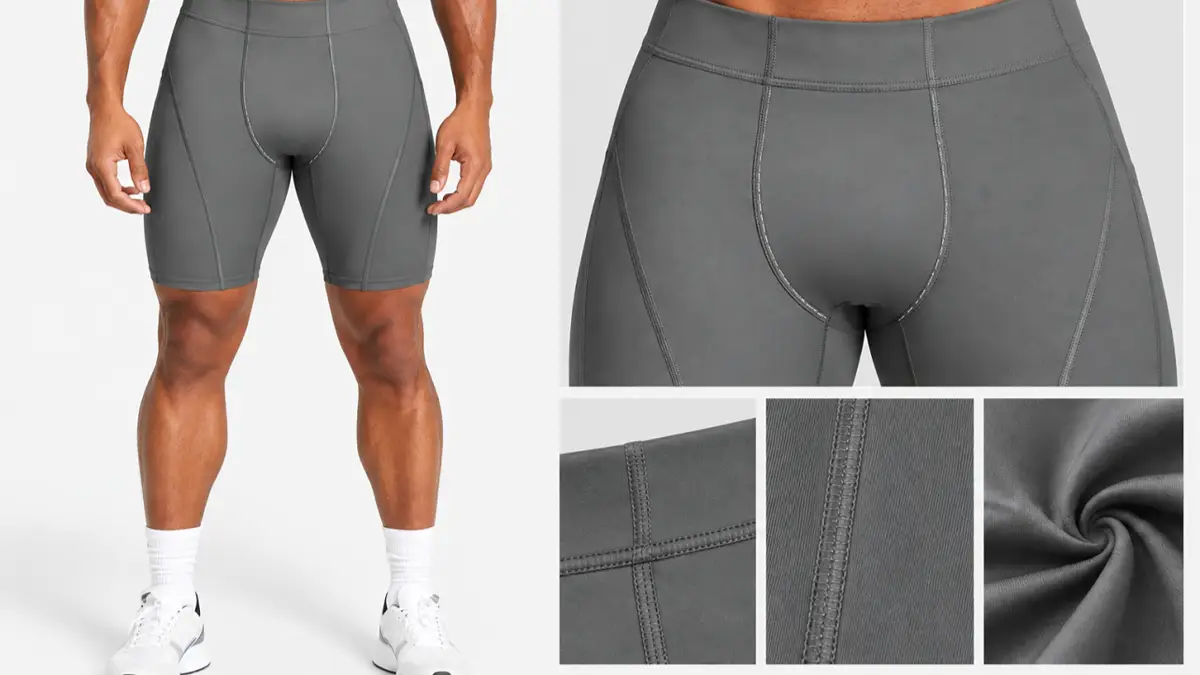
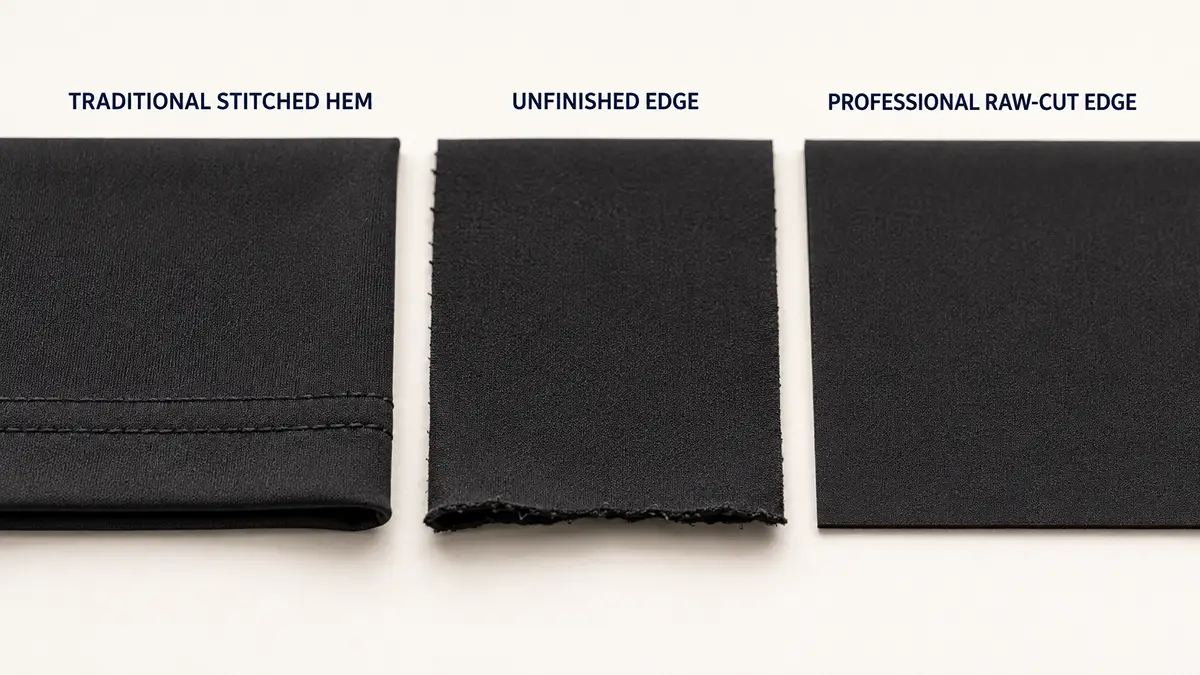
Men’s compression wear looks simple on a hanger, but the front rise area is actually one of the hardest parts of the garment to design well. If this zone is not shaped correctly, it can cause pressure, chafing, or a fit that feels awkward during movement. For brand owners entering the men’s activewear market, this small detail has a big impact on customer satisfaction, product reviews, and repeat orders. Neste guia, we break down the real design and manufacturing thinking behind 3D pouch comfort, explained in simple terms so any startup brand can understand it and make smarter sourcing decisions.
What Makes the Front Rise Hard to Engineer?
Compression garments need to do two things at once: hold their shape and stay comfortable during movement. This is especially tricky in the front rise, where flat or poorly shaped fabric panels can bunch up, dig in, or shift out of place. Solving this problem requires more than stretchy fabric. It requires smart pattern engineering that understands how the body actually moves.
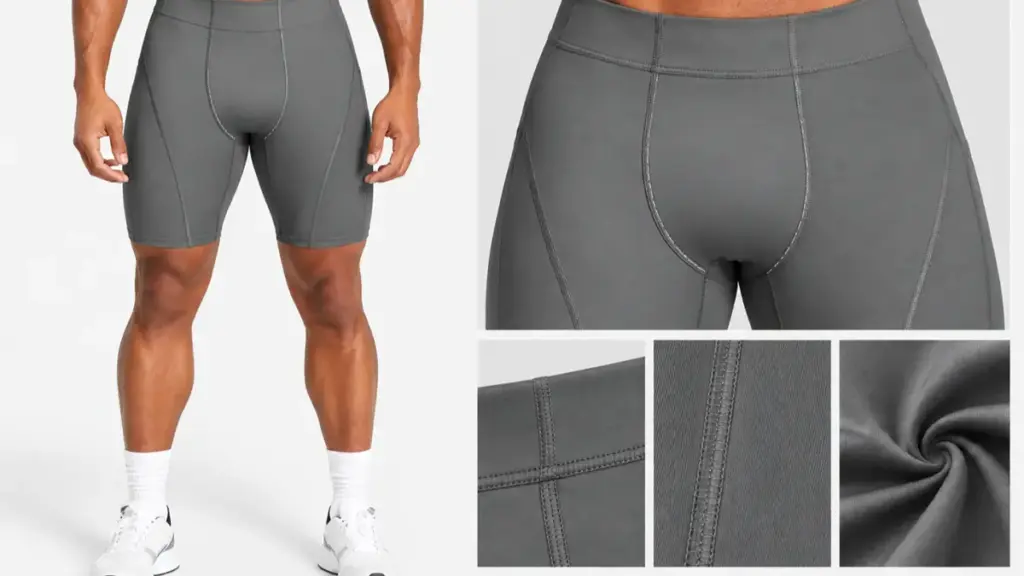
Why 3D Pouch Design Matters for Comfort
A 3D pouch is cut and sewn in a way that follows the natural curves of the body, instead of using one flat piece of fabric. This small change makes a big difference. It reduces friction, stops fabric from riding up during exercise, and creates a more natural, anatomical fit. Brands that skip this step often receive customer complaints about tightness, fricção, or discomfort after just one workout. One point worth clarifying for brand owners: this kind of everyday compression comes from pattern fit and fabric tension, not from mmHg-rated graduated compression, which is a separate performance claim with its own testing requirements.
Common Pouch Fit Issues and Solutions
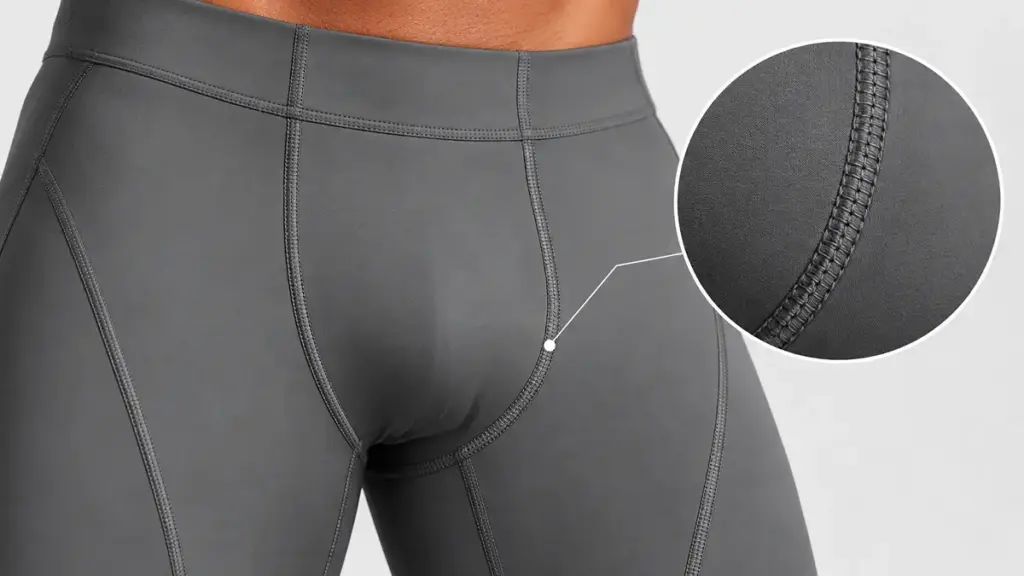
The most common problems buyers report are seams that press too hard, pouches placed too high or too low, and fabric that loses its shape after a few washes. These issues are usually fixed with curved seam construction, soft but supportive binding, and careful fit testing across different body sizes before starting mass production. Catching these problems early saves time and reduces costly reorders later.
Fabric Choices for Sensitive Front Areas
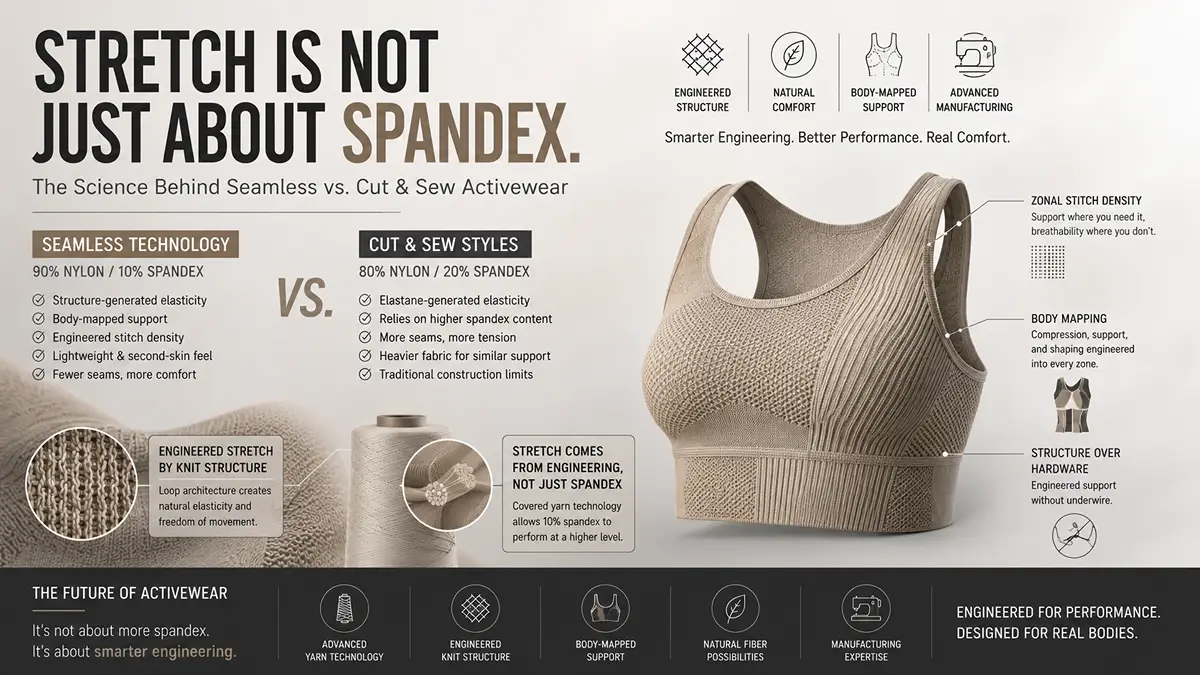
Fabric choice matters just as much as the pattern design. Macio, breathable materials with four-way stretch move with the body instead of against it, which reduces friction and irritation. The gentle holding power compression buyers expect comes from fabric tension — elastane with strong recovery worked into a negative-ease pattern — rather than simply a higher spandex percentage; our guide to spandex stretch vs recovery explains how to spec this correctly. Moisture-wicking fabric is also important in this area, since it tends to trap heat and sweat more than other parts of the garment. Choosing the right fabric blend is one of the easiest ways to instantly improve comfort.
Sizing the Pouch Without Over-Restriction
Getting pouch sizing right is a balancing act. Se estiver muito apertado, it restricts movement and feels uncomfortable. Se estiver muito solto, it fails to hold its shape and looks unflattering. The solution is to grade the pouch separately from the rest of the garment, rather than simply scaling everything up or down by the same ratio — a fit decision that belongs in your size spec sheet, and one we cover step by step in our guide on how to build a professional tech pack. This gives a more accurate, comfortable fit across every size in the range.
Activity-Specific Pouch Performance Needs
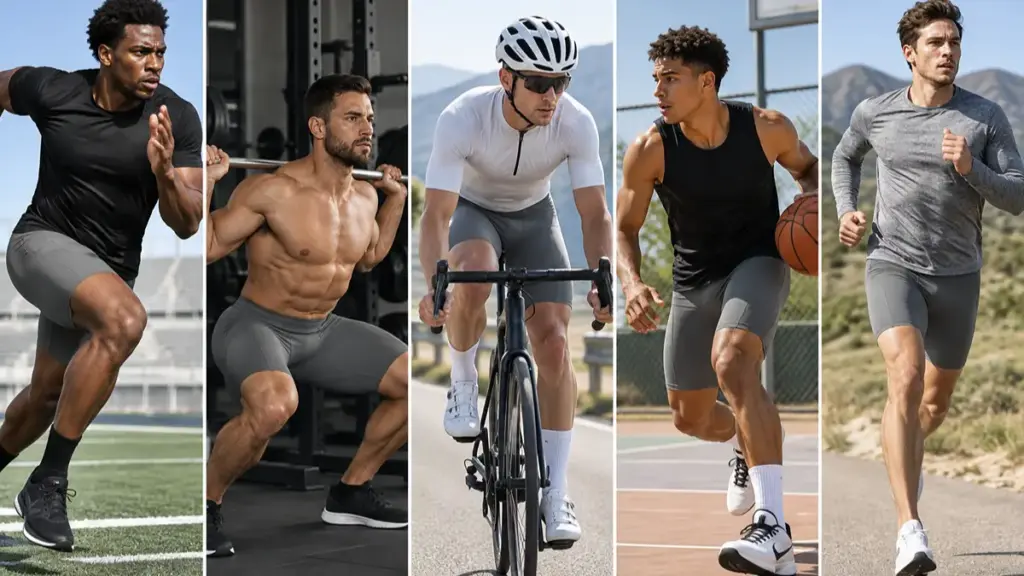
Different sports put different demands on the front rise. Running usually needs lightweight, breathable support. Cycling needs a bit more structure because of the riding position. Weightlifting needs stability without restricting movement. Understanding your target customer’s main activity helps decide which pouch construction and fabric will work best for your product line.
Prototype Testing for Male Anatomy Fit
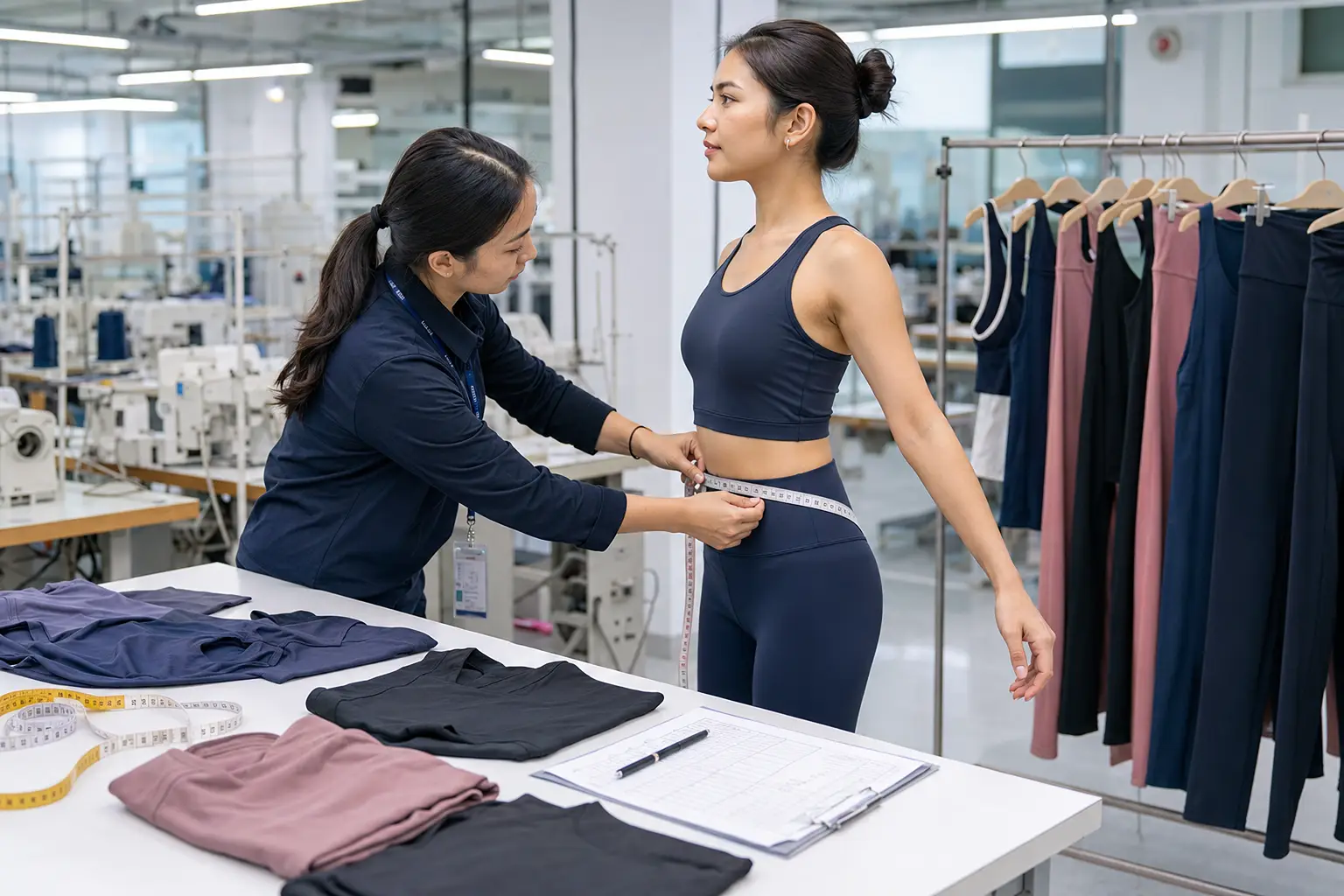
No amount of planning replaces real testing. Prototype testing should include movement testing, wash-durability checks, and feedback from multiple testers across different body types. This step confirms whether the pattern actually performs well in real life, not just on paper, before it moves into full production.
Find Perfect Solutions With SANSANSPORTS
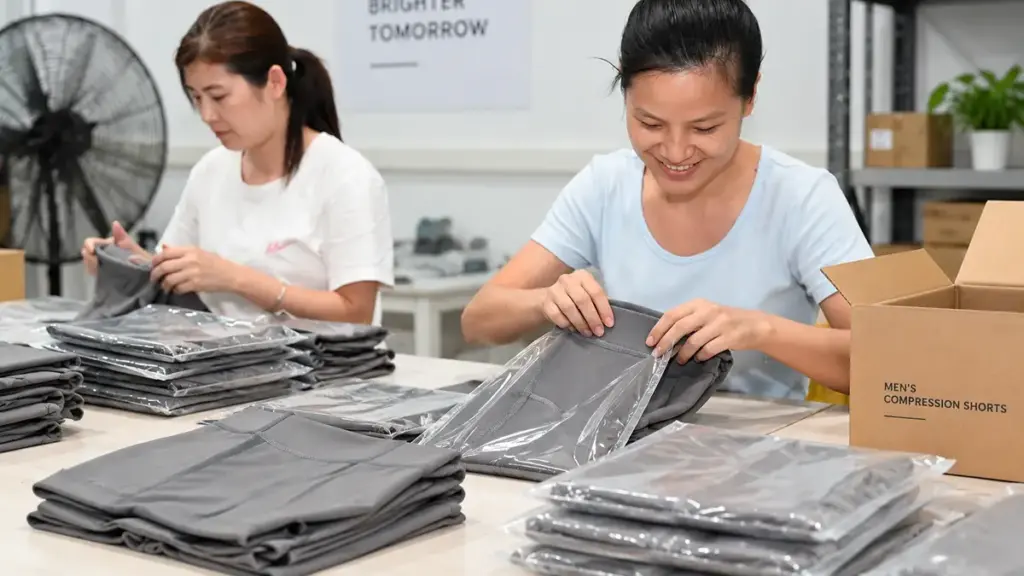
Our factory works closely with brand owners to refine pouch construction through pattern development, fornecimento de tecido, and full MDMD support. We also offer small-batch sample testing, so new brands can validate comfort and fit before committing to a large production run. This lowers risk and helps startups launch with confidence.
Perguntas frequentes
What makes a 3D pouch different from a standard pouch?
A 3D pouch is shaped through curved cutting and sewing to follow the body’s natural contours, which reduces pressure points compared to a flat design.
Which fabric works best for compression pouches?
Macio, four-way stretch fabric with good moisture-wicking properties usually performs best for comfort and durability.
Can pouch design be customized for different sports?
Sim. Construction can be adjusted based on the movement and support needs of each activity, from running to weightlifting.
Final Thoughts on Men’s Comfort Optimization
Comfort in men’s compression wear comes down to a few key factors: thoughtful pattern engineering, the right fabric choice, and real-body prototype testing. Brands that invest in these details early tend to build stronger customer trust and see fewer returns down the line. Com o parceiro de fabricação certo, improving pouch comfort becomes a clear, manageable part of product development, not a guessing game. Ready to perfect your men’s compression line? Contact SANSANSPORTS today to start sampling a 3D pouch design built for real comfort and real performance.