Unaddressed concerns around chemical residues or microplastic shedding risk compromising product integrity and exposing businesses to compliance failures.
This guide provides technical clarity, analyzing the 30 mg/kg antimony limits under OEKO-TEX Standard 100, tracing content via GRS, and assessing shedding with ISO 4484-1 to ensure robust material specifications.
Is Recycled Polyester Safe?
Recycled polyester is safe for use in apparel and textile products. It meets rigorous chemical safety standards and relies on strict process controls.
Global standards, like China’s GB/T 40351‑2021 and OEKO‑TEX Standard 100, ensure harmful substances stay below acceptable limits, validating its use in consumer textiles by 2026.
Recycled polyester (rPET) has become a key material in sustainable activewear. Its safety for consumers is a common and important question for brands and manufacturers.
When produced through responsible processes, rPET meets the same—and often even stricter—safety benchmarks as virgin polyester. This ensures the final textile products are safe and reliable for daily wear.
Safety Standards and Contaminant Control
Recycled polyester is safe for textiles and apparel when it adheres to recognized chemical safety standards and robust process controls. These controls are crucial throughout its production.
Regulatory frameworks, which are fully active by 2026, address two key areas. They manage legacy contaminants from post-consumer materials and control chemicals introduced during the recycling process. This comprehensive approach ensures product safety.
Imagine purifying water. You must remove any existing impurities and ensure no new ones are added during the filtering process to make it safe for consumption. Recycled polyester production follows a similar principle.
Key Certifications and Testing
Several crucial certifications and testing protocols verify the safety of rPET. These standards provide a clear framework for confident adoption in the textile industry.
- China’s national standard GB/T 40351‑2021 defines eco-toxicological limits for recycled PET fiber. This includes strict restrictions on heavy metals, volatile organic compounds (VOCs), and phthalates.
- OEKO‑TEX Standard 100 mandates a 30 mg/kg limit for antimony in polyester fibers. It also allows recycled PET from bottles for ‘Class I – products for babies’ if it passes stringent thresholds.
- Certifications such as the Global Recycled Standard (GRS) and Recycled Claim Standard (RCS) provide traceability. They also verify the recycled content of materials by 2026, ensuring transparency.
- By 2026, concerns about microplastic shedding from recycled polyester are understood to be similar to virgin polyester. This represents an environmental challenge rather than an acute human toxicity issue for wearers.
Sansansun, as a dedicated activewear manufacturer, prioritizes sourcing recycled polyester that meets these international safety and environmental standards. We ensure our custom activewear products are both high-quality and responsibly made for our clients and their customers.
Mechanical vs Chemical Recycling
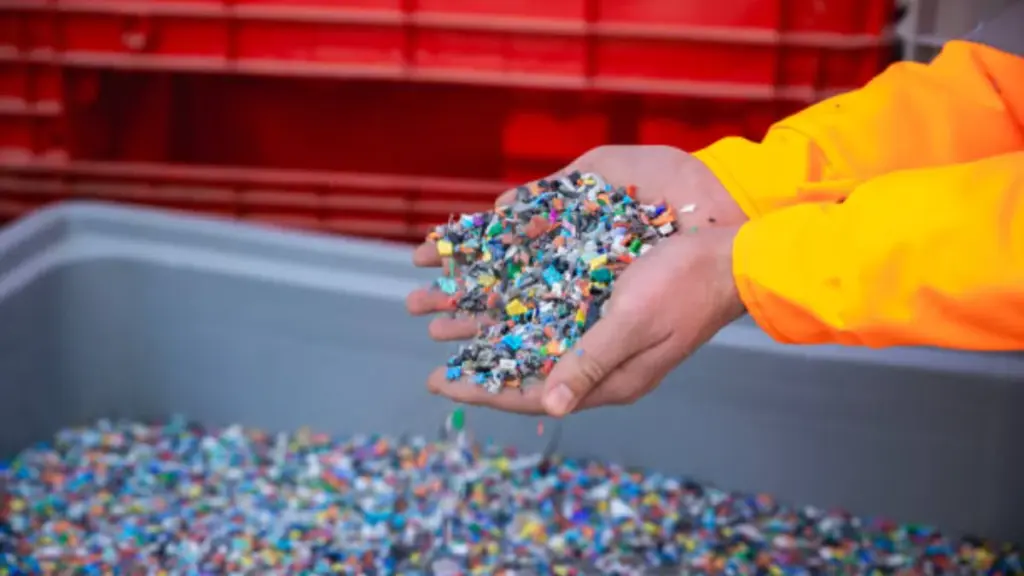
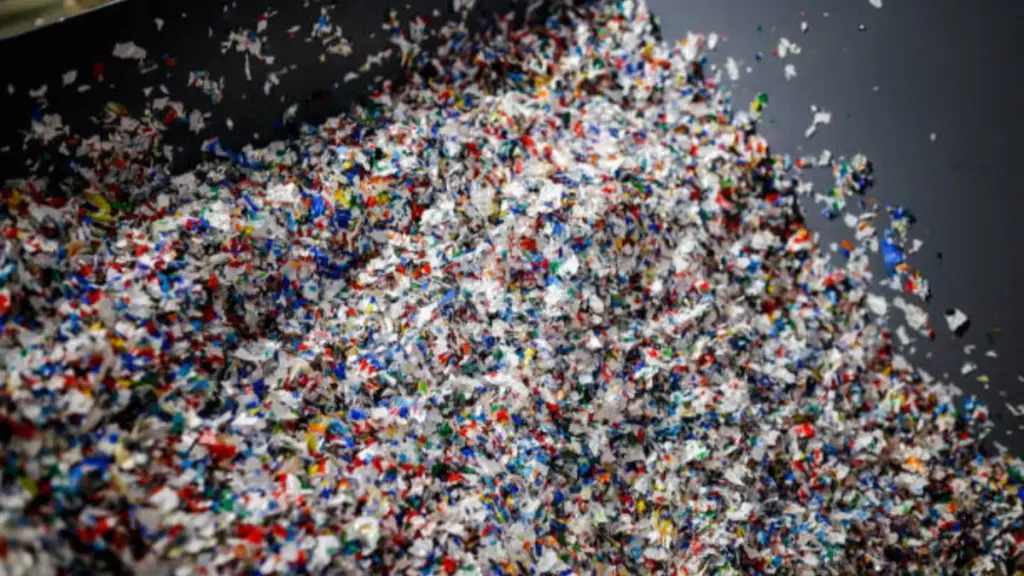
Mechanical recycling physically processes plastic without altering its polymer structure. This generally yields lower quality material but with reduced environmental impact for clean feedstock. Chemical recycling depolymerizes plastic to its basic monomers, producing virgin-equivalent material quality suitable for wider waste streams. It typically requires higher energy and cost.
Understanding the differences between mechanical and chemical recycling is crucial for brands focused on sustainable materials like recycled polyester (rPET). Each method offers distinct advantages and limitations regarding its process, material quality, environmental footprint, and application suitability.
As a manufacturer, Sansansun Sports offers custom activewear using recycled polyester. Knowing these distinctions helps us guide clients in choosing materials that meet their performance, sustainability, and quality standards effectively.
Process Fundamentals
Mechanical recycling involves physical processes to transform plastic waste back into usable material. This method typically follows a ‘wash–shred–extrude’ sequence without changing the polymer’s core chemical structure. It aligns with the definitions set by ISO 18604 for recycling processes.
Chemical recycling takes a more fundamental approach. Processes like glycolysis and enzymatic hydrolysis depolymerize PET (polyethylene terephthalate) into its original monomers or oligomers. Another technique involves purifying the material through solvent-based dissolution, effectively breaking down the plastic to its building blocks.
Mechanical methods require clean, sorted, and homogeneous plastic waste. Contamination, varied colors, and multi-layer structures present significant challenges, often degrading the output quality or making recycling impossible.
Chemical recycling systems are much more tolerant. They can process mixed, colored, multi-layered, or dirty plastics. This makes them suitable for waste streams that mechanical methods cannot effectively handle, broadening the scope of materials that can be recycled.
Chemical Residues & Odor
Chemical residues and odors in recycled polyester depend on adherence to chemical safety standards and process controls, not solely on its recycled nature. Certifications like OEKO-TEX Standard 100 and bluesign system, alongside ZDHC guidelines, enforce strict limits on substances like antimony and manage VOC emissions, ensuring product safety and minimizing off-odors.
Recycled polyester is a key material in today’s sustainable activewear production. Understanding the origins of potential chemical residues and odors is important for product safety and consumer trust, ensuring recycled fabrics meet high quality and environmental benchmarks.
For manufacturers like Dongguan Sansansun Sports Co., Ltd., prioritizing material integrity and adherence to global standards is central. This commitment ensures all custom activewear produced is both high-performance and safe for wear.
Sources of Residues and Odor in Recycled Polyester
Chemical residues and undesirable odors in recycled polyester can emerge from various stages of the recycling process. The source often dictates the type of contaminants present in the final material.
- Mechanical recycling can carry contaminants from the original feedstock, such as bottles or textiles, along with process chemicals used during cleaning or re-pelletizing.
- Chemical recycling processes introduce specific agents. These include glycolysis agents like ethylene glycol, catalysts such as zinc oxide (ZnO), and various solvents critical for depolymerization.
- Uncontrolled or inefficient processes in either mechanical or chemical recycling can result in unwanted chemical residues and volatile organic compounds (VOCs). These compounds often lead to noticeable off-odors in the finished product.
Controlling Residues and Odor Through Standards and Processes
The industry uses stringent standards and advanced processing controls to effectively manage and minimize chemical residues and odors in recycled polyester. These measures ensure the material’s safety and quality for end-users.
- OEKO-TEX Standard 100 sets a total content limit of 30 mg/kg for antimony in finished polyester fibers for Class I products. This class includes highly sensitive items like baby articles.
- This standard rigorously tests for hundreds of substances, including heavy metals and phthalates. It applies even stricter limits when dealing with recycled materials, reflecting the added complexity of their origin.
- The bluesign system employs specific BSBL numerical limits for a broad range of hazardous substances. This covers solvents, heavy metals, and residual monomers, ensuring comprehensive chemical management.
- ZDHC Recycled Polyester Guidelines require manufacturing facilities to manage all purchased chemicals through a ZDHC Chemical Inventory List. They must also align with the ZDHC Manufacturing Restricted Substances List (MRSL), which defines ppm-level thresholds for chemical safety.
- Regular wastewater testing and VOC emissions monitoring are also critical. These controls, especially vital for chemical recycling plants, help manage odor-forming substances and fugitive solvents, maintaining air and water quality.
Build Your Vision: Custom Activewear Manufacturing Partner

Microplastics: Shedding & Environmental Impact
Microplastic shedding from textiles, especially synthetic activewear, is a significant source of global plastic pollution. These tiny fibers, under 5mm, are released during washing and wear, with shedding primarily driven by fabric structure.
Understanding their environmental pathways and adhering to standards like ISO 4484‑1 for measurement is key to mitigating their impact.
Textile Microplastic Sources and Scale
Textiles are estimated to account for about 35% of primary microplastics that enter oceans worldwide. This makes them a major contributor to global plastic pollution.
Synthetic clothing alone contributes roughly 7.4 million metric tons of plastic pollution each year, according to global apparel industry estimates.
Microplastics are defined as plastic particles or fibers smaller than 5 millimeters. These fibers have a large surface area, which can increase their environmental effects.
The amount of shedding largely depends on the fabric’s structure and how it was processed. For instance, initial washes often release the highest quantities of these fibers. Manufacturers like Dongguan Sansansun Sports Co., Ltd. are exploring material innovations and production methods to reduce this shedding, focusing on sustainable fabrics and better fiber integrity.
Environmental Pathways and Measurement
Wastewater treatment plants capture a significant portion of microfibers, typically 65–90%. However, these captured fibers often end up accumulating in sewage sludge, which is then spread on agricultural land, reintroducing them into the environment.
Fibrous microplastics can attract and bind to persistent organic pollutants (POPs) and heavy metals. This creates toxic complexes that may pose a carcinogenic risk to ecosystems and potentially to humans.
To quantify this issue, ISO 4484‑1 serves as the global test method. This standard measures microplastic fiber release during standardized washing cycles, providing a clear mass-loss metric, such as milligrams per 10 grams of fabric.
Performance vs Virgin Polyester
Recycled polyester generally offers comparable functional performance to virgin polyester. It matches virgin polyester in durability, moisture management, and crease resistance for apparel and workwear.
The main difference is its significantly lower environmental footprint during production, as it uses less energy and generates fewer emissions.
Comparable Functional Properties in Use
Recycled polyester (rPET) performs much like virgin polyester. It shares identical properties, including durability, colorfastness, crease resistance, and quick-drying capabilities.
For typical apparel and workwear, rPET maintains its strength. It also keeps its shape, resisting stretching or shrinking, which is crucial for lasting garments.
While the recycling process might cause minor fiber damage, yarn engineering and fabric design actively account for this. We ensure any slight reduction in durability is compensated.
Performance traits like moisture-wicking and thermal stability remain consistent with virgin polyester. This makes rPET suitable for demanding sportswear and professional wear.
Certification & Lab Testing to Insist On
Brands must demand two core certification types for recycled polyester: content traceability (like GRS or RCS) and chemical safety (such as OEKO-TEX STANDARD 100). These standards, backed by independent lab verification, confirm material integrity, compliance with social and environmental practices, and freedom from harmful substances, ensuring product safety and credible claims.
| Certification Standard | Minimum Recycled Content | Primary Focus | Key Scope & Benefits |
|---|---|---|---|
| Global Recycled Standard (GRS) | ≥20% (B2B); ≥50% (consumer-facing) | Genuine recycled content & chain of custody | Controls chemical use, social, & environmental practices throughout the supply chain. |
| Recycled Claim Standard (RCS) | ≥5% | Content verification & traceability | Focuses solely on material traceability; no social or environmental requirements. |
| OEKO-TEX STANDARD 100 | N/A (not content-based) | Chemical safety & human-ecological impact | Tests finished products for over 1,000 harmful substances, ensuring product safety. |
| SANE Standard | ≥90% (for SANE-certified production) | Recycled polyester production & facility certification | Recognizes GRS or requires SANE-certified production in specific facilities. |
To ensure recycled polyester products genuinely meet sustainability claims and are safe for consumers, brands must meticulously vet their supply chains. This involves demanding specific certifications and independent lab testing. These checks confirm both the integrity of recycled content and the absence of harmful chemicals.
Partnering with a manufacturer like Dongguan Sansansun Sports Co., Ltd., which prioritizes quality and sustainability, helps brands confidently navigate these complex requirements.
Specific Requirements and Independent Lab Verification
Understanding the specific thresholds and scope of various certifications is crucial. Equally important is the role of independent third-party laboratory testing, which provides an unbiased verification of product claims.
- OEKO-TEX STANDARD 100 tests finished articles comprehensively. This includes not just the main fabric, but also threads, linings, and accessories, checking against over 1,000 regulated and non-regulated harmful substances.
- The SANE Standard for recycled polyester either recognizes GRS or requires SANE-certified production for products. This applies specifically to items with 90% or more recycled polyester content produced in a SANE scope-certified facility.
- Independent lab services, such as Intertek’s rPET Verification, employ analytical methods. They identify recycled polyester fibers from used PET bottles and verify recycled content ranges in yarns, fabrics, and finished garments. This ensures accuracy beyond self-declarations.
- Proper labeling must align with the GRS/Textile Exchange Standards Claims Policy. Consumer-facing GRS logos are only permitted if the product contains 50% or more certified recycled content.
Sansansun Sports collaborates with sustainable fabric mills and maintains rigorous quality control, providing brands with the assurance that their activewear meets these critical certification and testing standards. This commitment helps brands build trust and demonstrate genuine sustainability.
Final Thoughts
Recycled polyester offers a sustainable material choice, yet its safety and performance depend entirely on rigorous chemical safety and content traceability standards. Cutting corners risks consumer trust, product integrity, and your brand’s reputation.
Demand verified certifications and thorough supplier vetting. This ensures high-quality materials, avoids costly compliance issues, and delivers activewear products that truly meet both sustainability goals and stringent safety benchmarks for lasting success.
Frequently Asked Questions
Does recycled polyester release harmful chemicals?
Recycled polyester, similar to virgin PET, can contain residual antimony. However, products adhering to OEKO-TEX Standard 100 (with an antimony limit of 30 mg/kg) are considered safe, even for infants (Class I).
Reputable industry frameworks, such as bluesign, also provide strict controls for contaminants during the recycling process.
Is it more prone to pilling or microfibre shedding?
Mechanically recycled polyester may have reduced fiber strength. This could potentially increase pilling or shedding if the yarn engineering process is not optimized.
Microplastic shedding is a characteristic common to all synthetic materials. It is influenced by the fabric structure and finishing treatments, rather than solely by whether the material is recycled.
What certifications matter for safety and recycled content?
Key certifications include OEKO-TEX Standard 100 for harmful substances, Global Recycled Standard (GRS) for recycled content with environmental and social criteria, and Recycled Claim Standard (RCS) for content verification.
Other important standards are ZDHC Recycled Polyester Guidelines for process chemicals and bluesign for strict chemical compliance.
Are there dyeing limitations with recycled polyester?
Recycled polyester uses standard PET dye systems, such as disperse dyes. Any limitations typically stem from quality issues, like poorly purified rPET affecting color consistency.
Well-specified rPET grades and adherence to upstream standards ensure the material offers comparable dyeability to virgin PET.
How to test for microplastic shedding from recycled polyester?
Testing involves controlled laundering cycles, capturing effluent through a filter with a defined pore size (typically 20–50 µm). Analysts then quantify the mass loss, measuring milligrams of fibers released per kilogram of fabric per wash.
Optional microscopy can be used to confirm the fiber type and size of the shed microplastics.