
Нейлон против. Полиэстер: Найдите подходящую ткань для вашей тренировки
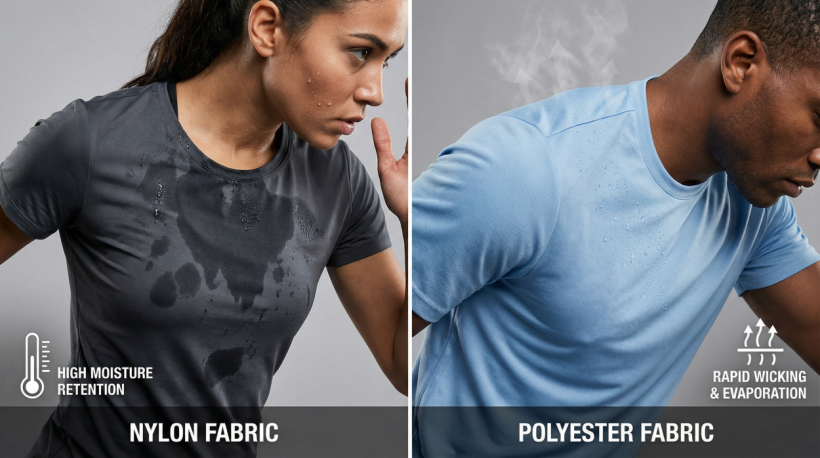
Нейлон или полиэстер? Изучите ключевые различия в производительности, комфорт, and durability to choose the best workout fabric.
Виды ткани: Комплексное руководство для дизайнеров & Покупатели
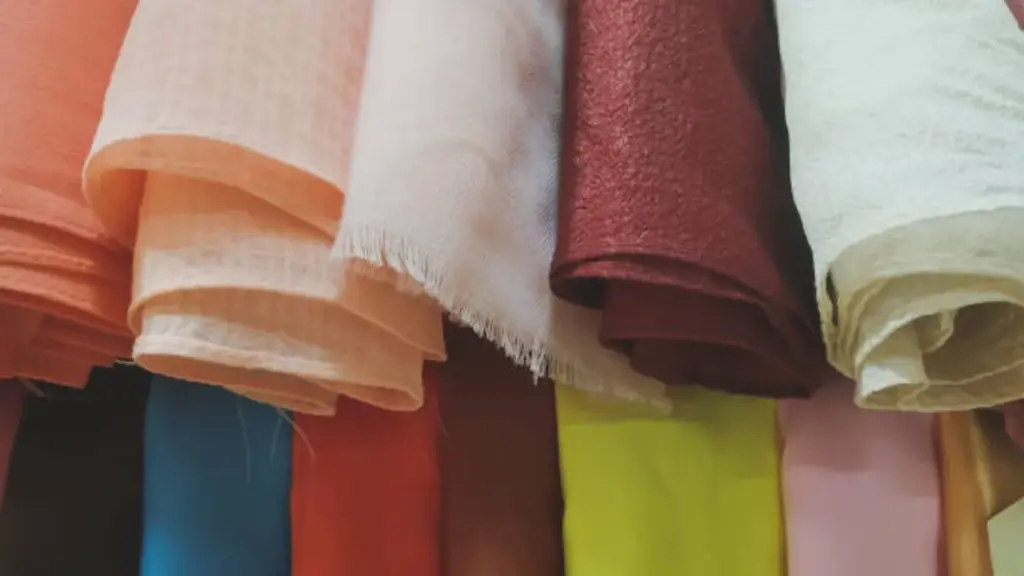
This guide provides a precise breakdown of materials from natural cotton and linen to advanced synthetics like nylon and spandex. We detail specific metrics, including ISO 2076 standards and optimal gsm ranges, to ensure informed material selection for your next collection. The Main Types of Cloth Fabric Explained In 2026, we classify the main types […]
Econyl® Регенерированный нейлон: Превращение океанских отходов в спортивную одежду

Регенерированный нейлон Econyl® превращает океанские отходы в высокоэффективную спортивную одежду, blending sustainability with durability and sleek style.
Как GSM влияет на леггинсы: 300GSM против 220 г/м2 для комфорта при приседаниях
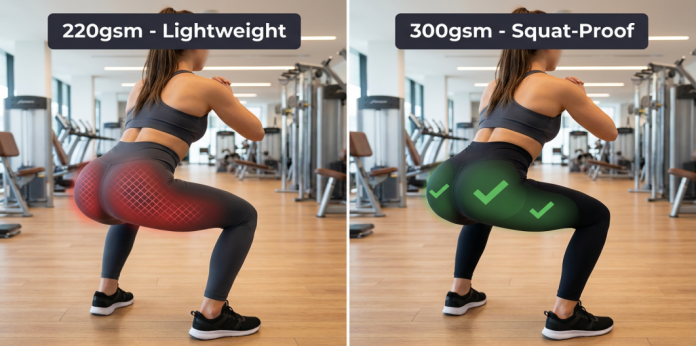
GSM определяет покрытие и уверенность. Compare 300gsm vs 220gsm leggings for true squat-proof comfort and support. Don’t miss out!
Спортивная одежда против запаха: Ион серебра против натуральных минералов

Пот — естественная часть каждой тренировки., especially during in daily fitness routines. Однако, bad odor in leggings, спортивные бюстгальтеры, and gym tops is something no one enjoys. Even after washing, some activewear still smells, which can be frustrating for users and damaging for brands. That’s why modern anti odor activewear uses special fabric […]
Какие материалы не подлежат вторичной переработке? Текстильное издание для брендов (2026 Ссылка)
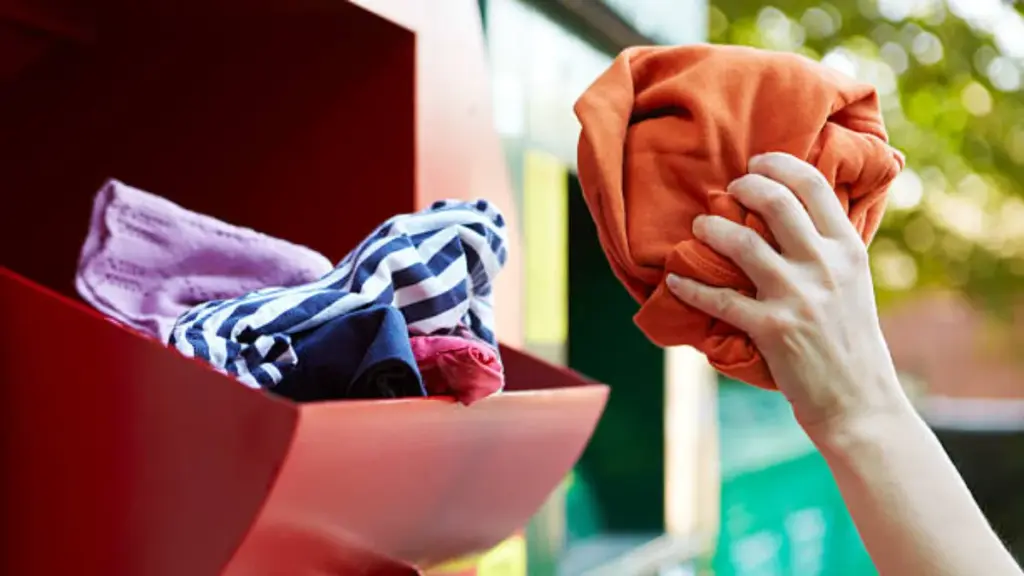
Текстильные материалы, содержащие более 2-3% elastane or incompatible coatings like PU/PVC pose significant recycling barriers, leading to substantial landfill waste and hindering brand sustainability goals. For product designers and material developers, understanding these limitations is critical. This guide details why fabrics with >3 wt% EVOH or carbon black pigment challenge 2026 recycling standards. It outlines […]
Полиэстер против переработанного полиэстера: Что должен выбрать ваш бренд? (2026 Гид)
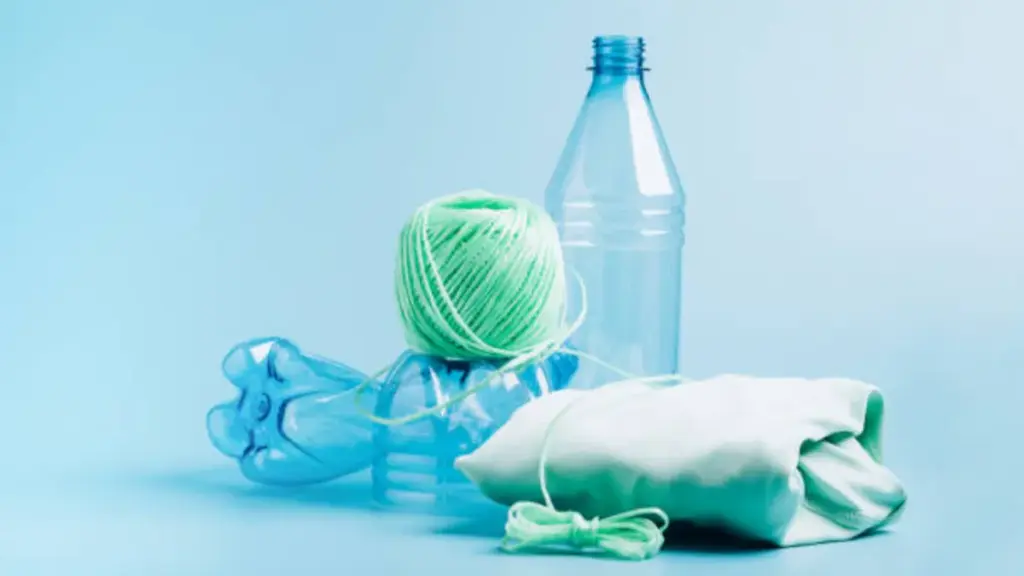
В этом руководстве анализируются различия производства полиэфиров.(этилентерефталат), compares fabric performance like 3.5–5.5 cN/dtex tenacity, and details GRS certifications to inform your 2026 material strategy. Polyester vs Recycled Polyester Virgin polyester and recycled polyester are both poly(этилентерефталат) (ДОМАШНИЙ ПИТОМЕЦ) at a chemical level. Their main difference lies in feedstock origins and processing impacts. Recycled […]
Безопасен ли переработанный полиэстер? Здоровье, Микропластик & Объяснение производительности (2026)
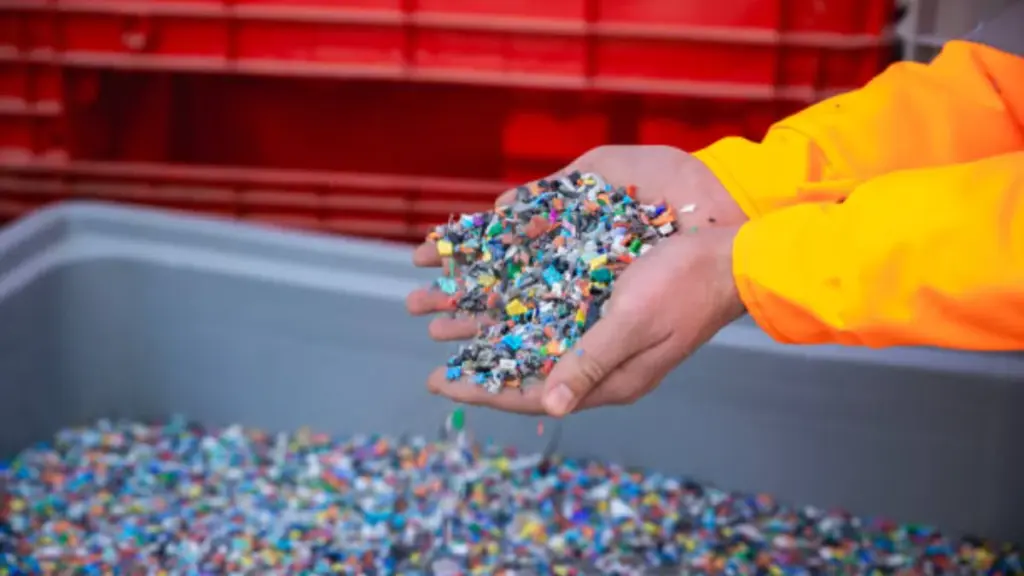
Unaddressed concerns around chemical residues or microplastic shedding risk compromising product integrity and exposing businesses to compliance failures. This guide provides technical clarity, analyzing the 30 mg/kg antimony limits under OEKO-TEX Standard 100, tracing content via GRS, and assessing shedding with ISO 4484-1 to ensure robust material specifications. Безопасен ли переработанный полиэстер? Recycled polyester is […]
Polyester vs Spandex: Which Fabric Performs Better for Modern Apparel? (2026 Гид)
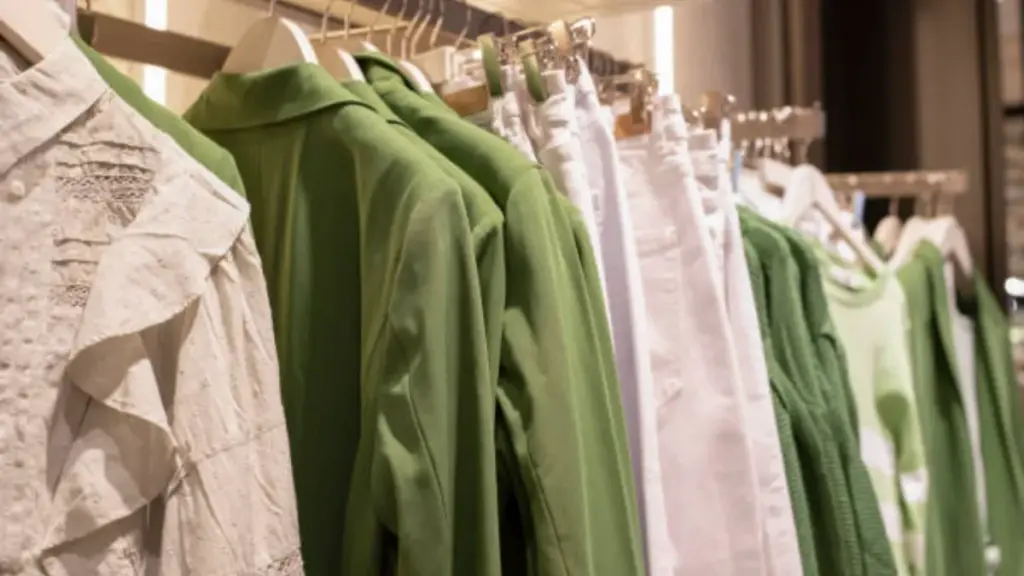
This guide explores core differences like poly(этилентерефталат) versus segmented polyurethane, details performance metrics such as ASTM D2594 for stretch, and covers care protocols (e.g., 20-25 °C washes) for fabric blends. Polyester vs Spandex: What’s the Key Difference? Полиэстер (poly(этилентерефталат)) acts as the strong, прочный, and structurally stable component in fabrics, providing shape retention […]
Elastane vs Spandex: Are They Really the Same Fabric?
This guide details the identical segmented polyurethane fiber, reviewing properties like 500-700% elongation, ≥95% elastic recovery per ASTM D2594, and ideal 20-40 denier yarn blends for precise sourcing and robust quality control. Elastane vs Spandex In 2026, elastane and spandex refer to the same synthetic fiber, chemically defined as segmented polyurethane, used for stretch in […]


