
Технология матовой задней поверхности: Тепло без объема в зимней спортивной одежде

Согрейтесь без лишнего веса. Откройте для себя технологию с матовой задней поверхностью, обеспечивающую легкий вес, дышащая зимняя спортивная одежда для максимальной производительности.
Миф о содержании спандекса: Больше всегда лучше?
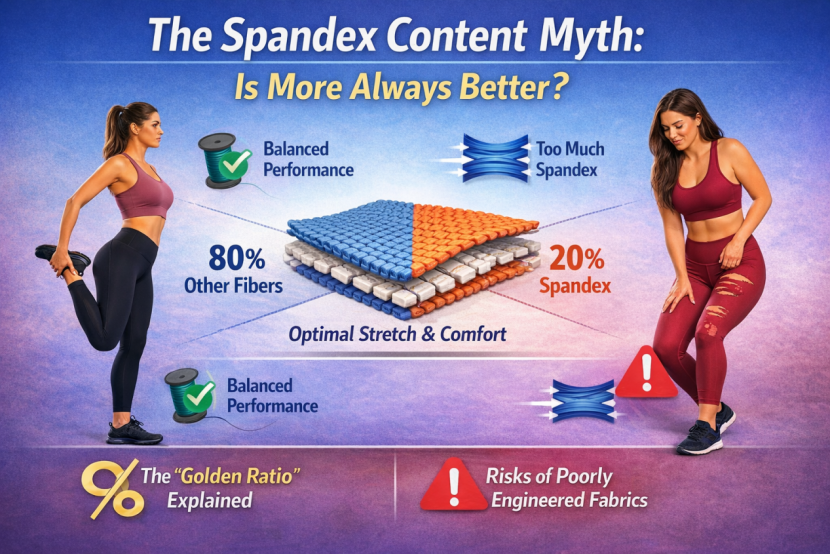
Всегда ли больше содержания спандекса лучше?? Узнайте правду о растяжении ткани, комфорт, долговечность, и производительность.
ПКМ Блэк Тех: Умные ткани, регулирующие температуру
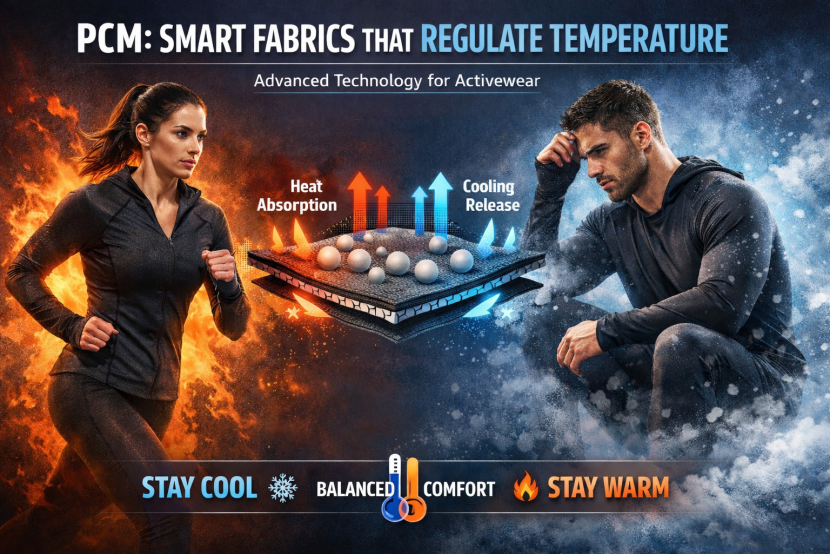
Ознакомьтесь с умными тканями PCM Black Tech, которые регулируют температуру., повышение комфорта, производительность, и инновации в современном текстиле.
Ткани растительного происхождения: Бамбук & TENCEL™ Lyocell в спортивной одежде
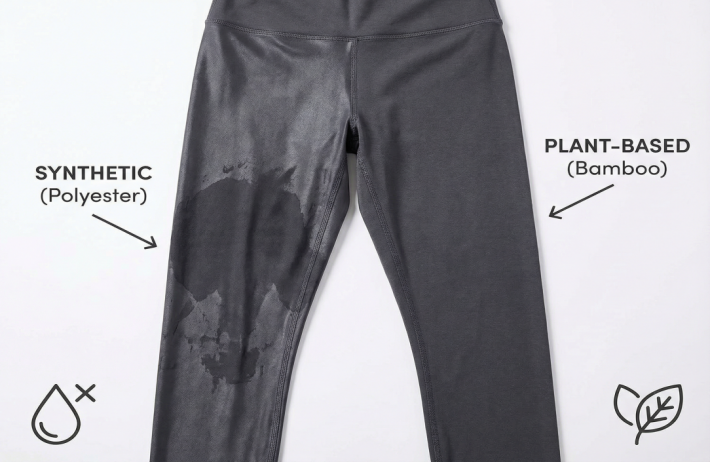
Объяснение производительности тканей растительного происхождения: бамбук и лиоцелл TENCEL™ придают мягкость, и комфорт отвода влаги для спортивной одежды.
Почему дорогие леггинсы скатываются после двух ношений?
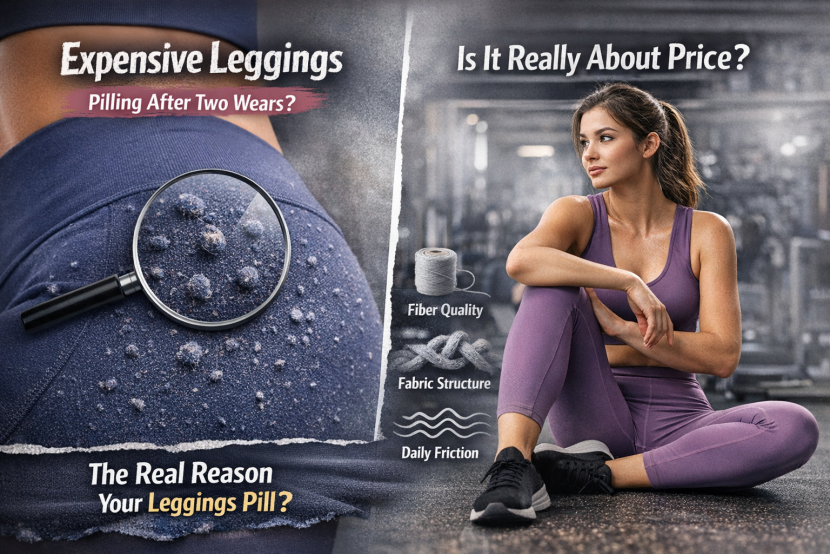
Леггинсы премиум-класса скатываются после двух ношений.? Узнайте, почему это происходит, какое значение имеет качество ткани, и умные советы, которые помогут леггинсам дольше оставаться гладкими.
Почему модуль ткани имеет значение в одежде для йоги
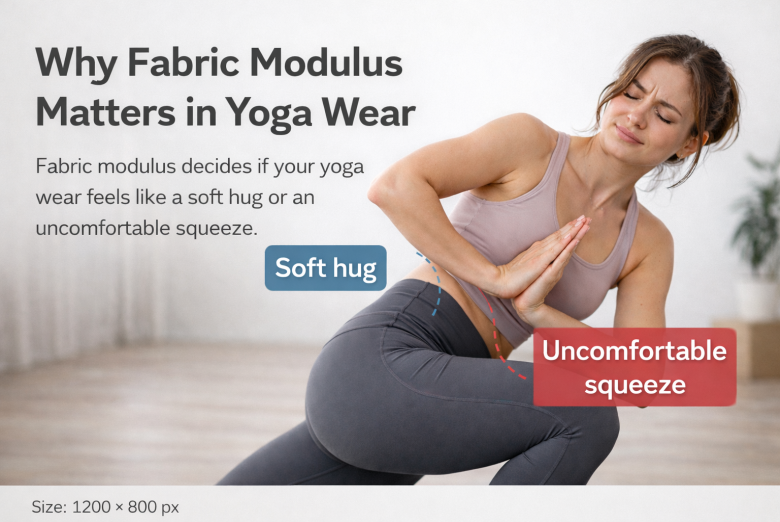
Узнайте, почему модуль упругости ткани важен для одежды для занятий йогой и как он влияет на растяжение., поддерживать, комфорт, и производительность в каждой позе.
Нейлон против. Полиэстер: Найдите подходящую ткань для вашей тренировки
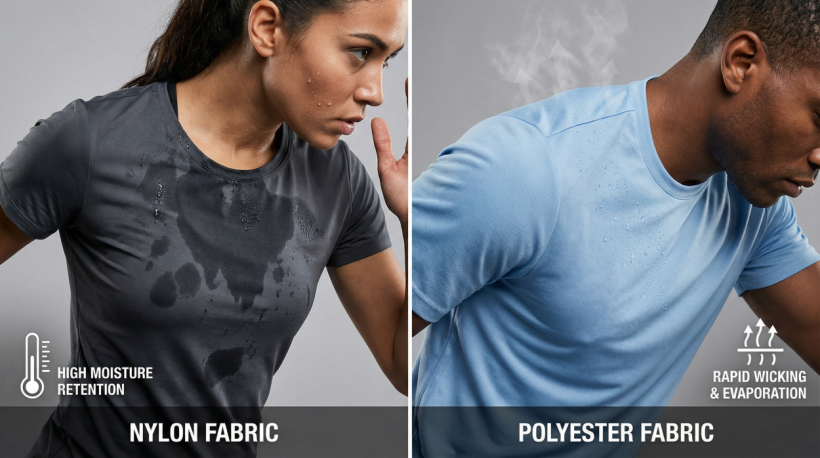
Нейлон или полиэстер? Изучите ключевые различия в производительности, комфорт, и долговечность, чтобы выбрать лучшую ткань для тренировок.
Виды ткани: Комплексное руководство для дизайнеров & Покупатели
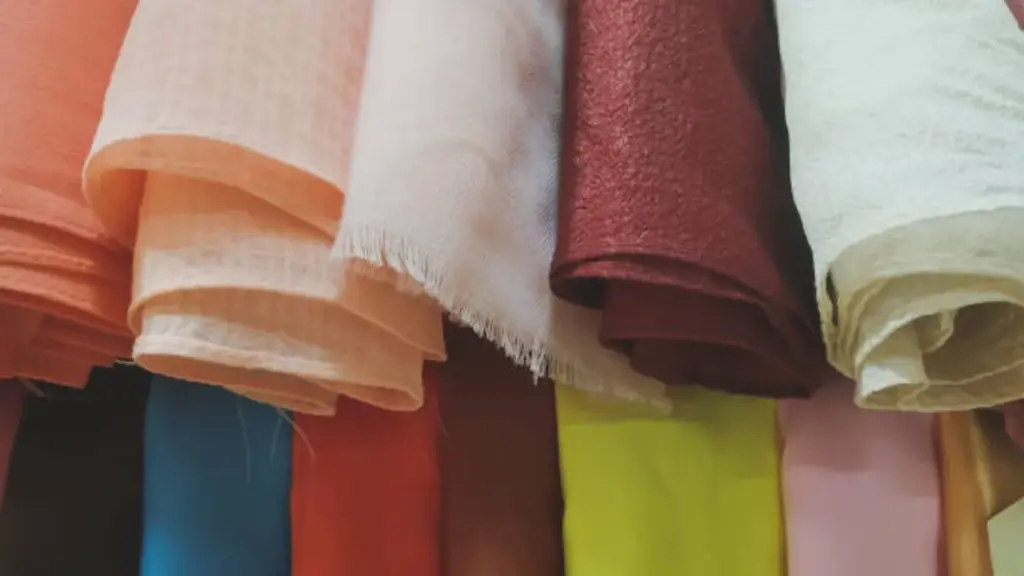
В этом руководстве представлена точная разбивка материалов: от натурального хлопка и льна до современных синтетических материалов, таких как нейлон и спандекс.. Детализируем конкретные показатели, включая ИСО 2076 стандарты и оптимальные диапазоны GSM, чтобы обеспечить осознанный выбор материала для вашей следующей коллекции. Основные типы тканевых тканей объяснены в 2026, классифицируем основные виды […]
Econyl® Регенерированный нейлон: Превращение океанских отходов в спортивную одежду

Регенерированный нейлон Econyl® превращает океанские отходы в высокоэффективную спортивную одежду, сочетание устойчивости, долговечности и элегантного стиля.
Как GSM влияет на леггинсы: 300GSM против 220 г/м2 для комфорта при приседаниях
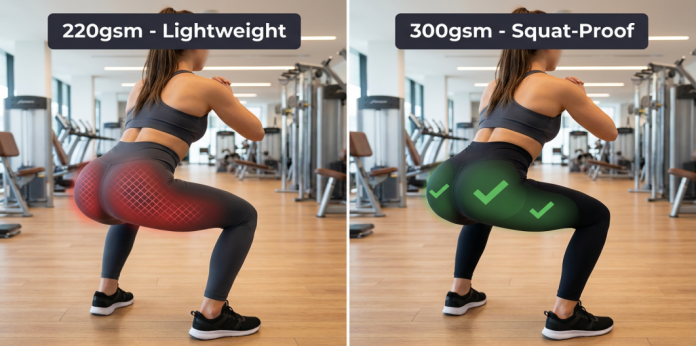
GSM определяет покрытие и уверенность. Сравните леггинсы плотностью 300 г/м2 и 220 г/м², чтобы получить настоящий комфорт и поддержку при приседаниях.. Не пропустите!


