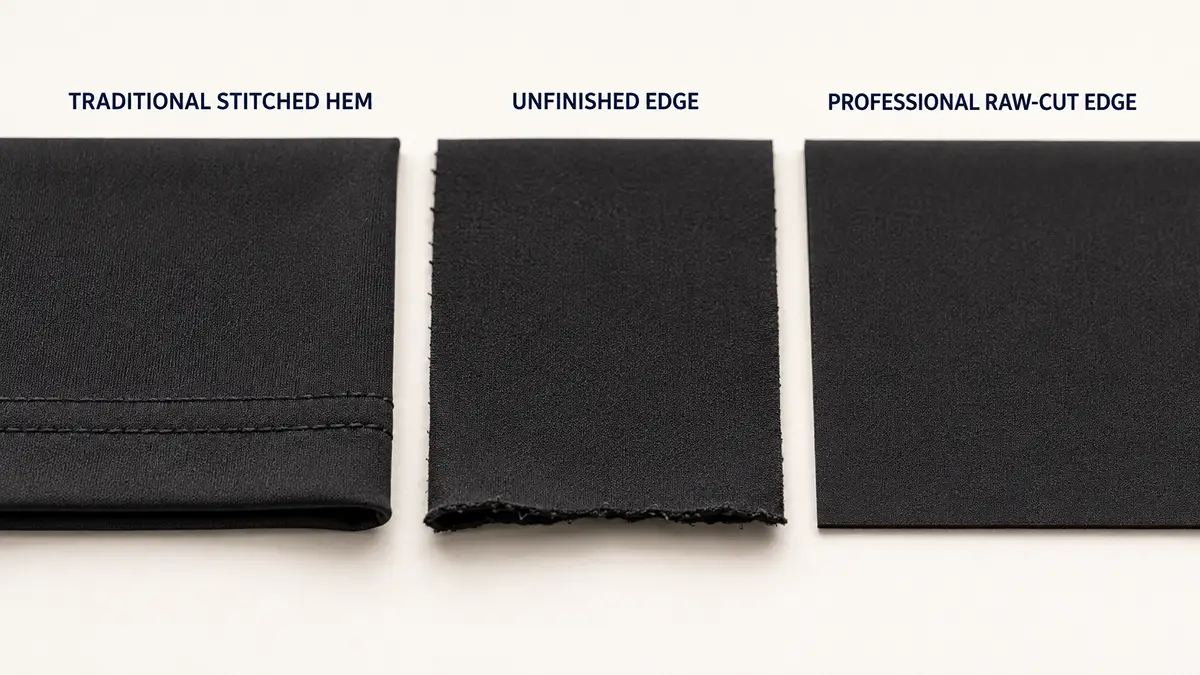
When a customer puts on new leggings or a tight top, they feel the fabric first. They notice this before they notice the color or the logo. If you are a new activewear brand, this feeling can make or break your customer’s trust. That’s why it is so important to understand two common fits: compression and naked sensation. Once you understand them, you can pick the right one for your product. This helps you avoid complaints and build a brand that people trust and come back to.
What Is Compression vs Naked Sensation Fit?
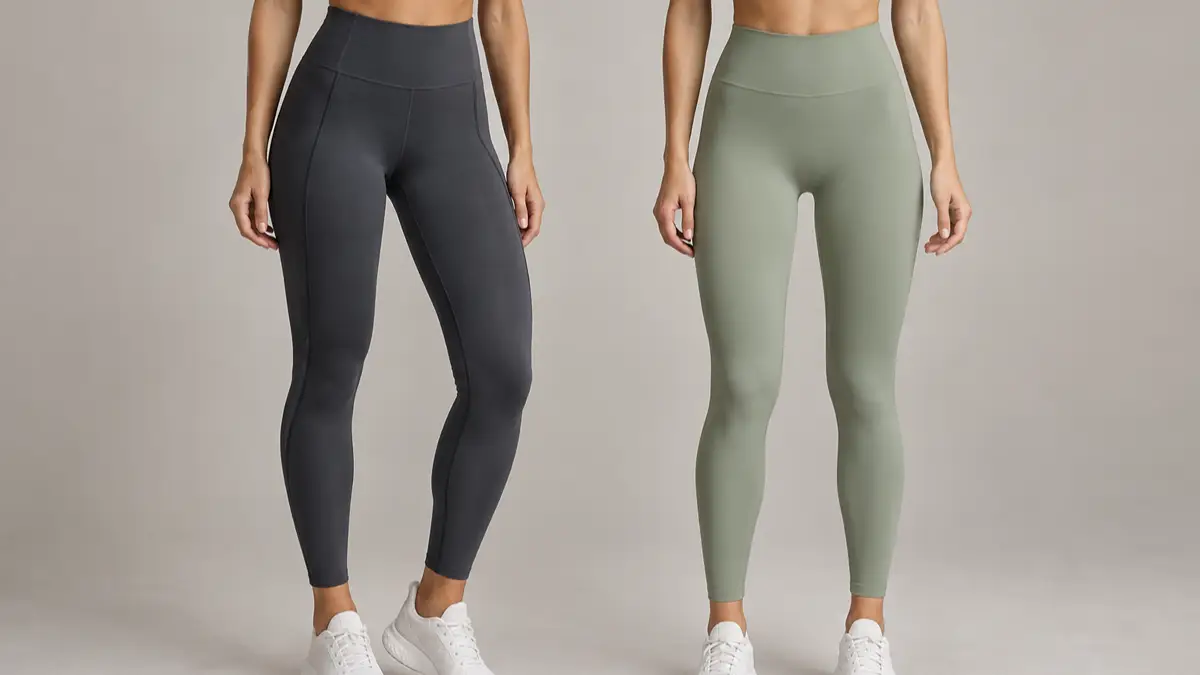
Compression fit is tight. It uses strong stretchy fabric that holds the body firmly, almost like a gentle hug. Compression fit comes from tension, not just elastane percentage, and the two are easy to confuse — here is why recovery power is not the same as stretch. What holds the body is the combination of elongation and recovery, plus negative ease: the finished garment is patterned smaller than the body so the fabric must stretch to fit. Two fabrics with the same 15% elastane can feel completely different if one has poor recovery or a looser knit.
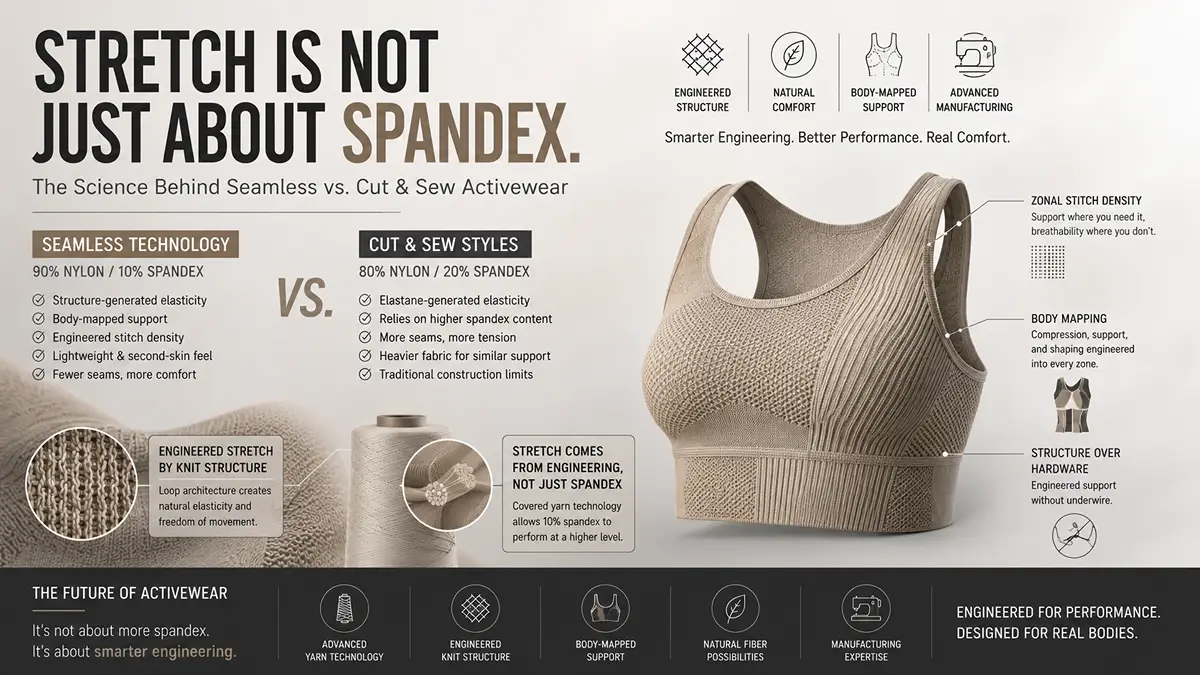
Naked sensation fit is different. Naked sensation is a hand-feel, not a thinness claim. It is built from fine-denier nylon or polyester yarns, a high-gauge circular knit, a soft brushing finish, and a low-modulus stretch that hugs without pressing. The garment keeps its shape because the yarn recovers — and, for leggings, because it passes the squat-proof opacity test at the target GSM. Both fits use stretchy fabric, but they are built for different feelings and different needs.
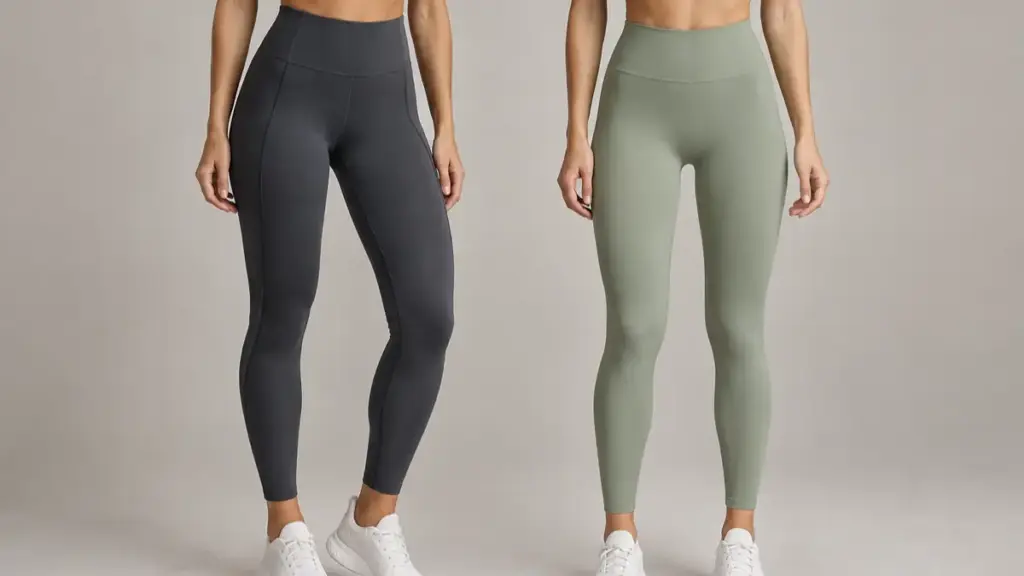
Сжатие против. Обычная спортивная одежда
Regular sportswear stretches a little for easy comfort. It moves with the body but does not press on it. Compression wear stretches more and presses gently on the muscles. This pressure is not random, it is designed to support the body during hard workouts, like running, прыжки, or lifting weights. Many customers do not know this difference until they try both. This is why clear product descriptions matter so much for a new brand.
How Compression Supports Muscles and Recovery
Compression fabric applies steady external pressure. That support is most consistently reported to reduce muscle vibration and perceived soreness after hard sessions rather than boost oxygen delivery during them. If a brand wants a true graduated compression garment, it needs a measured mmHg spec (typically 15–22 mmHg at the calf) and a pressure gradient built into the pattern — a tight legging is not the same thing. Many people also wear compression clothes after workouts, not just during them, to feel less sore and recover faster. This is one reason compression wear has become so popular with runners, gym-goers, and athletes who train often.
Working With a Manufacturing Partner on Fit
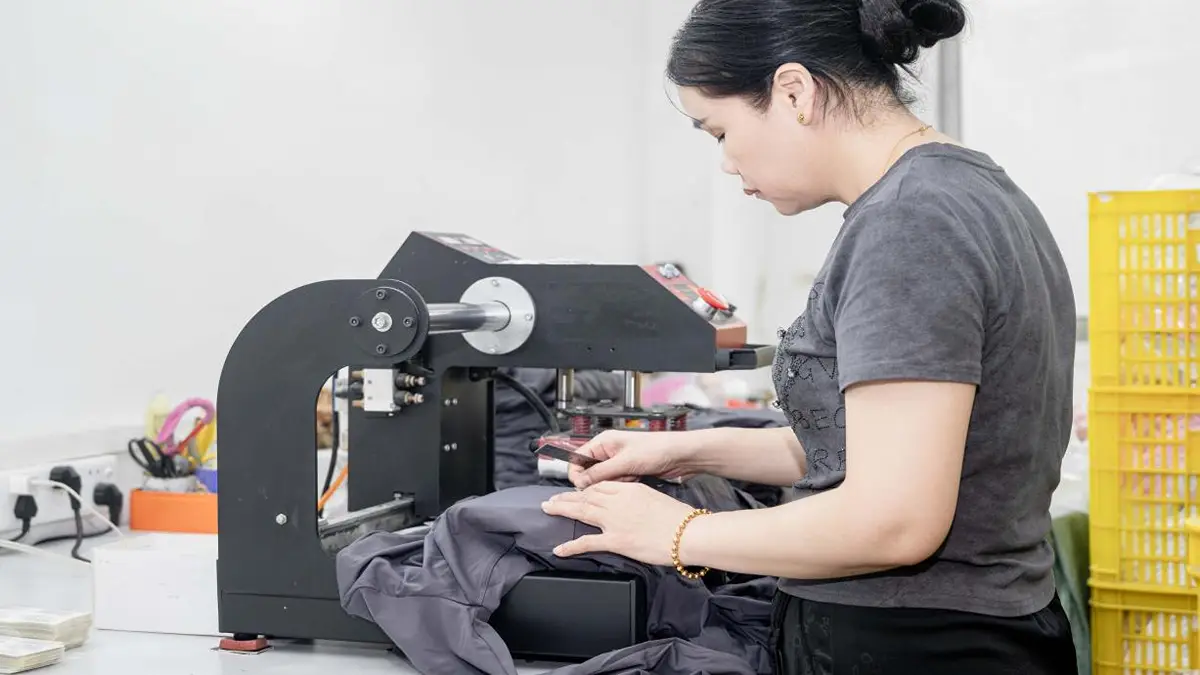
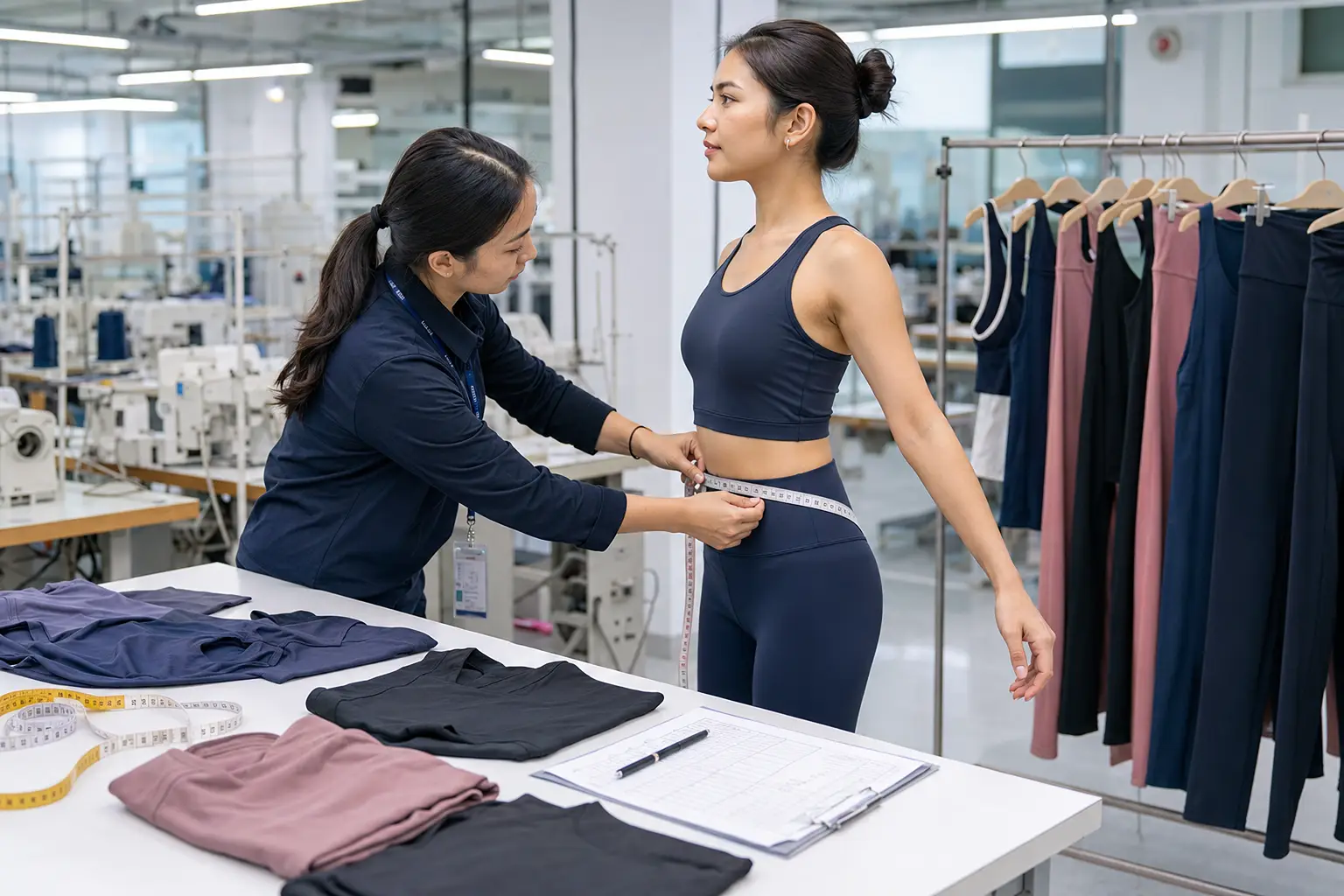
Picking the right fit is just the first step in building a strong brand. Growing a real, trusted activewear brand also means working with a factory partner who understands fabric, соответствовать, and quality control from the very beginning. Small details, like fabric weight, stitching, и восстановление растяжки, all affect how a garment feels and performs over time. With the right manufacturing support, your brand can offer compression, naked sensation, or a mix of both, and still keep every batch consistent as your orders grow.
Fabric Tension Levels by Activity Type
Yoga usually calls for a low-modulus fabric that does not fight deep ranges of motion — what modulus means for yoga wear — but “low compression” cannot mean sheer, so squat-proof opacity is the real constraint at 240–280 GSM. Running and gym training often need more compression, since the body moves fast and muscles need extra support. Some activities, like pilates or light training, sit in the middle, needing a fabric with medium tension, not too tight and not too loose.
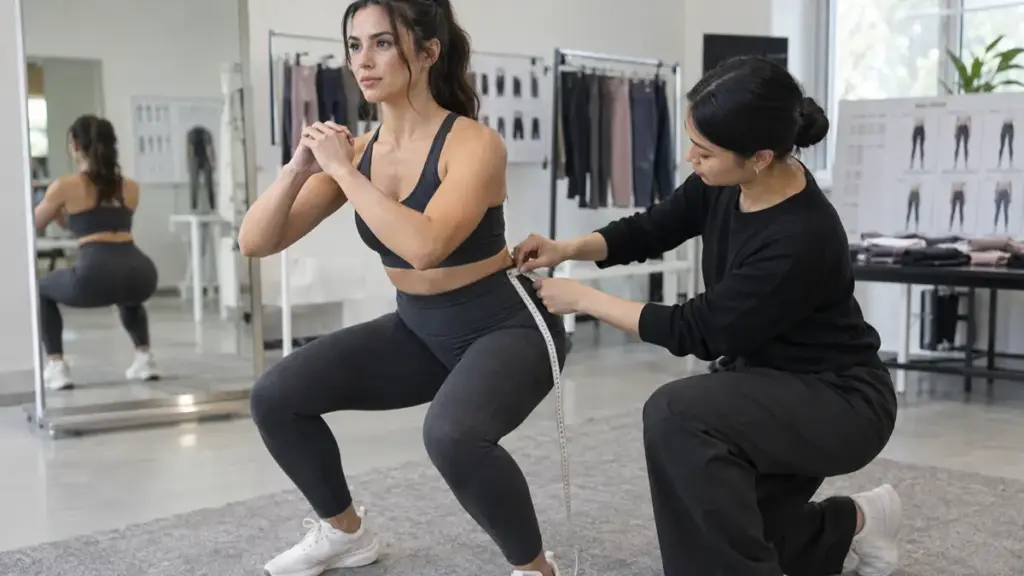
Когда выбирать компрессионную одежду для занятий спортом
Choose compression tights and leggings for hard training, recovery days, or long workouts like running or gym sessions. Choose naked sensation for yoga, studio classes, or everyday wear, where comfort matters more than firm support. Some brands even offer both fits in their collection, so customers can choose what suits their activity best.
Часто задаваемые вопросы
Should compression wear feel tight?
Да, but it should feel snug and supportive. It should never feel painful.
Which fit is easier for new customers, compression or naked sensation?
Naked sensation is usually easier. It feels light and gentle on the skin.
Can one fabric give both compression and a soft feel?
Да. With the right yarn and knitting method, a fabric can be soft and still give light support.
How do I pick the right fit for my brand?
Think about what your customers do most. If they focus on comfort, choose naked sensation. If they focus on performance, choose compression.
Can a factory help me test different fits before I commit to a large order?
Да. A good manufacturing partner, like SANSANSUN Sports, can provide samples in different fits and run the same stretch and recovery tests factories use before shipping so you can compare fits on data, not just on feel.
Заключительные мысли
Compression and naked sensation are not about which fit is “better.” They are about matching the right feeling to your customer’s needs. When you understand this, you can describe your products clearly, reduce returns, and build real customer trust. This is one simple way to grow your activewear brand step by step, with fewer mistakes and more happy repeat buyers.
If you are ready to develop your own compression or naked sensation activewear line, САНСАНСАН Спорт здесь, чтобы помочь. Reach out to our team today to start your fabric sampling, discuss your MOQ, and take the next step in building a brand your customers will love.