Have you ever been in the middle of a yoga class and needed to pull your leggings back up again? That experience is frustrating for the wearer and damaging for any brand that wants strong reviews, repeat orders, and long-term customer trust.
В спортивной одежде, waistband performance is not a small detail. A waistband that rolls, folds, or slides during movement immediately makes the garment feel poorly engineered. For brands developing yoga leggings, gym tights, or custom sportswear, waistband construction is one of the most important product decisions in the entire design process.
И Сансан Спортс, we help brands develop high-performance waistbands that stay in place through stretching, изгиб, скручивание, and repeated washing. В этом руководстве, we explain how anti-slip waistbands work, review common elastic options, and outline the key questions to ask your yoga wear manufacturer.
Что такое резинка на поясе?
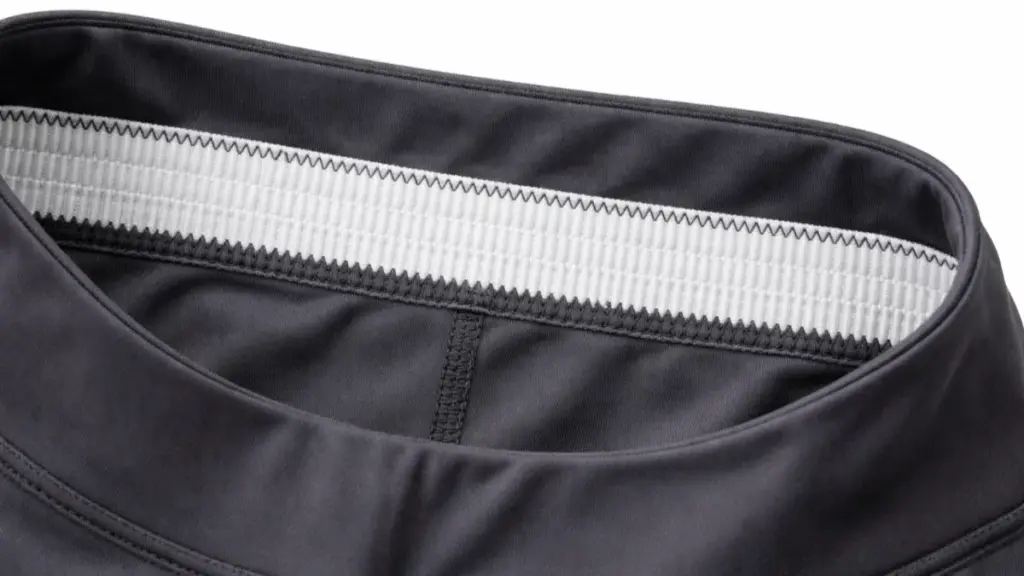
Waistband elastic is the stretchy band sewn inside the top of леггинсы для йоги or activewear bottoms. It is what holds the waistband firmly around the body.
Good elastic stretches when you move and returns to its original shape when you stop. This is called stretch and recovery. Cheap elastic does the first part but not the second. Через некоторое время, it loses tension. The waistband starts to feel loose, and it begins to roll or slip down.
Для спортивная одежда для йоги, the elastic must be strong enough to handle repeated deep stretches, bends, and twists — and come back to shape every time.
The Science of Anti-Slip High-Waist Design
So why do waistbands roll down in the first place? The answer is simple once you understand the shape of the human body.
Your hips are wider than your waist. When you bend forward, приседать, or twist, the waistband gets pushed in different directions. If the band is not built to handle these forces, it follows the easiest path — and slides down.
An effective anti-slip waistband solves this problem in 3 ways:
- It increases friction between the waistband and the body.
- It adds internal structure to keep the waistband upright.
- It distributes tension evenly across the full height of the waistband.
Pattern cutting also matters. A well-designed waistband is often shaped with a contour curve that follows the body more closely, rather than being cut as a straight tube. Contoured waistbands are widely recognized in activewear construction because they sit more naturally against the waist-to-hip curve and are less likely to slide during wear.
When evaluating производители одежды, ask whether the waistband pattern is curved or straight. That answer can reveal a great deal about the factory’s technical understanding of performance apparel.
Types of Waistband Elastic
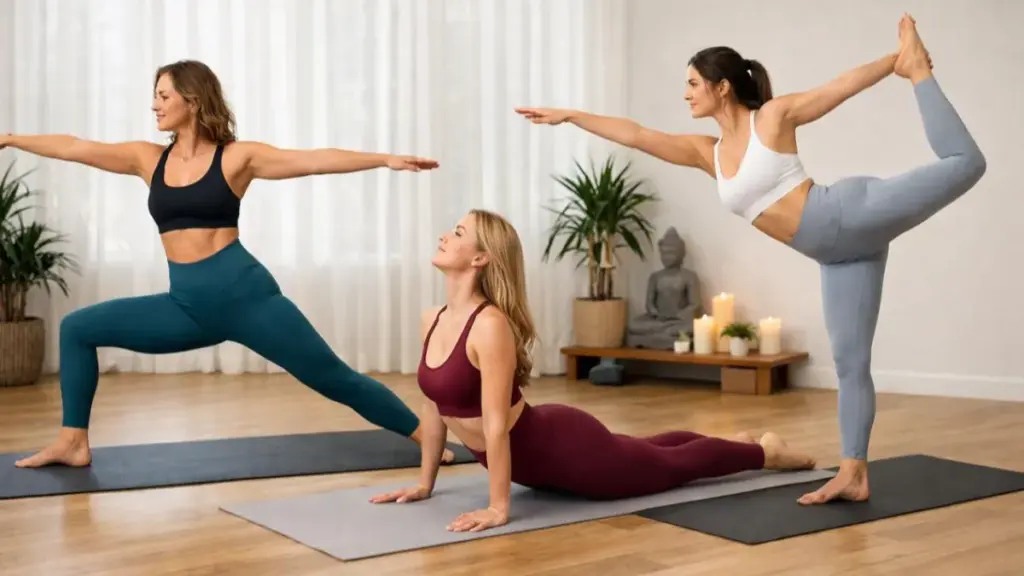
Not all waistband elastic performs the same way. Choosing the right construction is a key step in custom sportswear development.
- Woven elastic: Firm, прочный, and stable in shape. It does not narrow as much when stretched, which helps the waistband keep its height during movement.
- Knitted elastic: Softer and more comfortable against the skin, but it usually needs support from fabric structure to stay stable.
- Braided elastic: Common in lower-cost garments, but it narrows when stretched and generally loses tension faster, making it less suitable for performance leggings.
- Jacquard elastic: A premium option with a textured surface that can improve grip while also supporting brand identity through custom patterns or logos.
When speaking with activewear suppliers, ask for the full elastic specification, including width, содержание клетчатки, construction type, and test information. A reliable manufacturer should be able to provide both samples and performance details.
Internal Grip Structures: Silicone-Free Solutions
Many leggings use silicone tape along the inside edge of the waistband to improve grip. This can work well at first, but silicone may crack, чистить, or become less comfortable after repeated washing and wear.
Silicone-free solutions can improve long-term comfort and durability by building grip directly into the waistband structure:
- Jacquard inner texture: The woven surface creates natural friction against the skin without adding a separate grip layer.
- Dual-layer waistband construction: An outer shell fabric is paired with a denser inner layer, with elastic secured between them for added stability.
- Rubber-yarn integration: Fine rubber yarns are built into the inner edge during production to create hidden grip that remains effective over time.
В Сансан Спорт, we develop silicone-free waistband options based on the garment category, target activity, и позиционирование бренда. This level of engineering is often what separates an experienced производитель спортивной одежды from a basic cut-and-sew supplier.
Waistband Height vs Coverage Dynamics
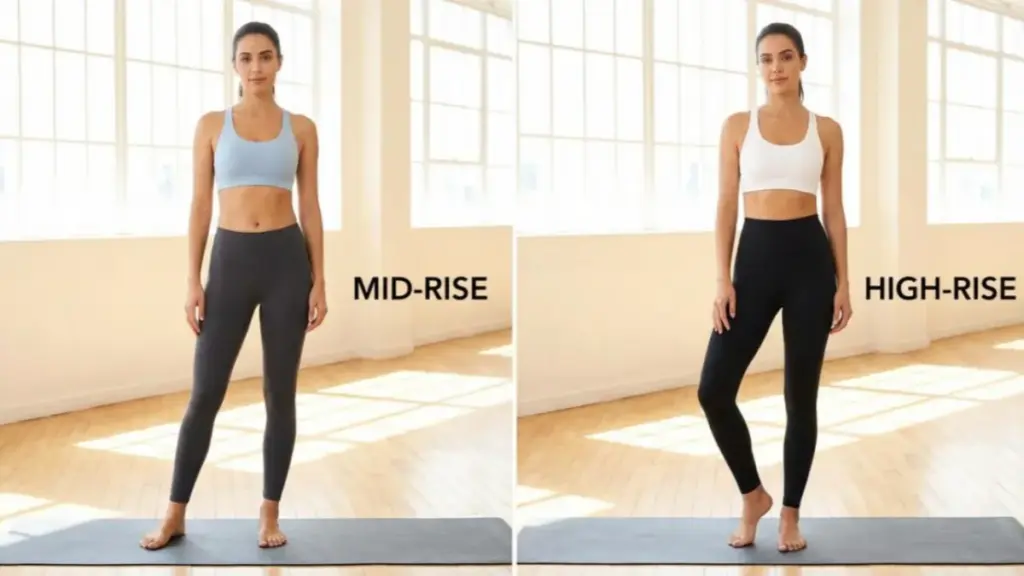
Waistband height affects more than appearance. It influences compression, комфорт, поддерживать, and anti-slip performance.
A standard high-waist waistband: A standard high-waist waistband sits roughly 8 к 10 centimeters above the natural waist. This height works well for yoga, пилатес, and studio fitness. It covers the hip area and navel, provides a smooth silhouette, and is easy to engineer with consistent anti-slip performance.
A taller waistband: sometimes called an extended high-waist or a corset-style band — can reach 14 к 18 centimeters. This style is popular for postpartum одежда для фитнеса and for customers who want strong core coverage. Однако, very tall waistbands need precise pattern grading. If the height is too tall relative to the elastic width, the top edge of the band can fold over during movement.
A shorter waistband: A shorter waistband of around 4 к 6 centimeters is more common in running wear and high-intensity training. These bands rely more heavily on elastic tension and grip features since there is less surface area to distribute load.
When you discuss waistband height with your yoga wear manufacturers, always connect it to the intended use. A waistband designed for hot yoga in a humid studio needs different construction than one designed for outdoor trail running.
Sweat Resistance and Stability
Sweat changes how fabric behaves. When a waistband becomes wet during a workout, it can become heavier, lose grip against the skin, and shift out of position. For yoga athletic wear, managing moisture is part of managing waistband stability.
The fabric used for the outer shell of the waistband should be moisture-wicking. This means the fabric pulls sweat away from the skin surface quickly and allows it to evaporate. Polyester and nylon blends are standard choices in premium activewear brands because they dry fast and maintain their stretch properties even when wet.
The elastic inside the waistband also needs to perform when wet. Some lower-quality elastic absorbs moisture and temporarily loses tension. High-quality woven elastic with a polyester or rubber core holds its shape and spring even through heavy sweat.
If you are developing yoga wear for hot yoga, outdoor fitness, or high-intensity formats, ask your garment suppliers specifically about wet-performance testing for the waistband elastic and fabric combination.
Durability After Repeated Wear
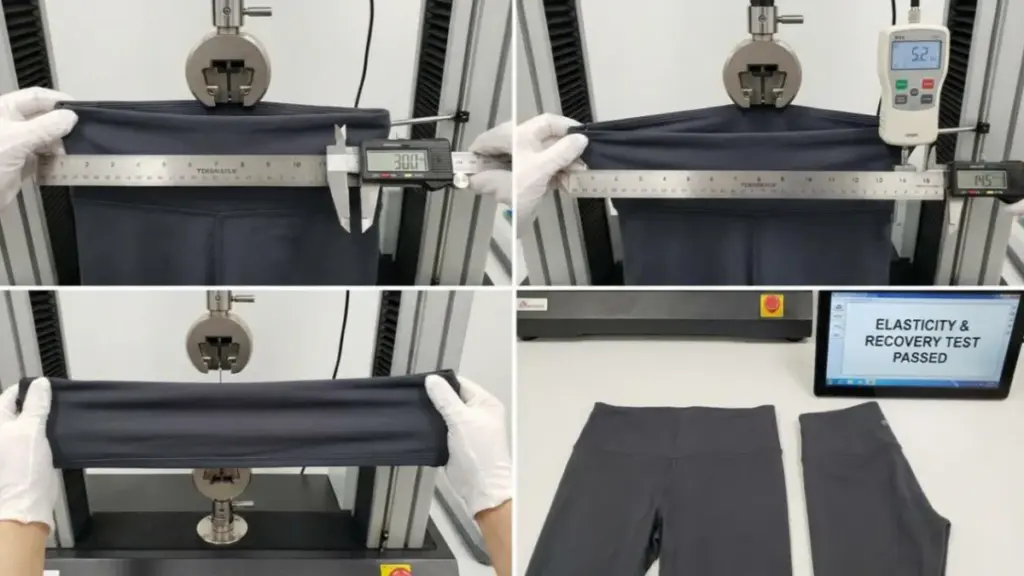
A waistband should not only perform on the first wear. It should still hold its structure after dozens of workouts and wash cycles.
The main long-term issue is elastic fatigue. Each stretch cycle places stress on the elastic fibers, and lower-quality materials will lose recovery faster. Well-constructed activewear often uses stronger waistband stabilization methods, including wider elastic support, to improve hold and durability over time.
Washing is another major factor. Heat, detergent, and machine agitation can speed up elastic breakdown. Any reputable manufacturer should be prepared to discuss wash testing, recovery standards, and expected lifespan for the waistband construction.
И Сансан Спортс, durability testing is part of our quality control process across different customization options like OEM, ОДМ, and private label development. We want every garment to support the reputation of the brands we manufacture for.
Заключение
Anti-slip waistband design plays a major role in how activewear feels, performs, and lasts. A well-engineered waistband should stay in place, resist rolling, manage sweat, and maintain its shape through repeated movement and washing.
For brands building premium yoga wear or custom sportswear collections, details such as elastic selection, contour pattern cutting, and internal grip structure directly affect customer satisfaction. Working with an experienced activewear manufacturer like Sansan Sports can help ensure your products deliver the comfort, поддерживать, and reliability today’s market expects.
Часто задаваемые вопросы
Can I get a silicone-free waistband for my leggings?
Да. Jacquard fabric, dual-layer construction, and rubber-yarn integration are all proven silicone-free anti-slip options. Good garment suppliers in China will offer these as alternatives to silicone tape.
How do I check if the elastic quality is good before placing an order?
Ask for elastic samples and request wash test data. Also ask for the full specification — fiber content, weave type, tension rating, and width. A factory that cannot provide this information is worth being cautious about.
Does a taller waistband always mean better performance?
Not automatically. A tall waistband with poor internal structure can fold over during movement, which is worse than a shorter but well-built design. Height and internal construction always need to be planned together.
Is Sansan Sports able to help small brands with waistband development?
Да. We work with brands at all stages, from first-time buyers to established premium activewear brands scaling their production. If you have questions about fabric selection, internal grip construction, or how to get started with MDMD development, we are happy to walk you through the process.