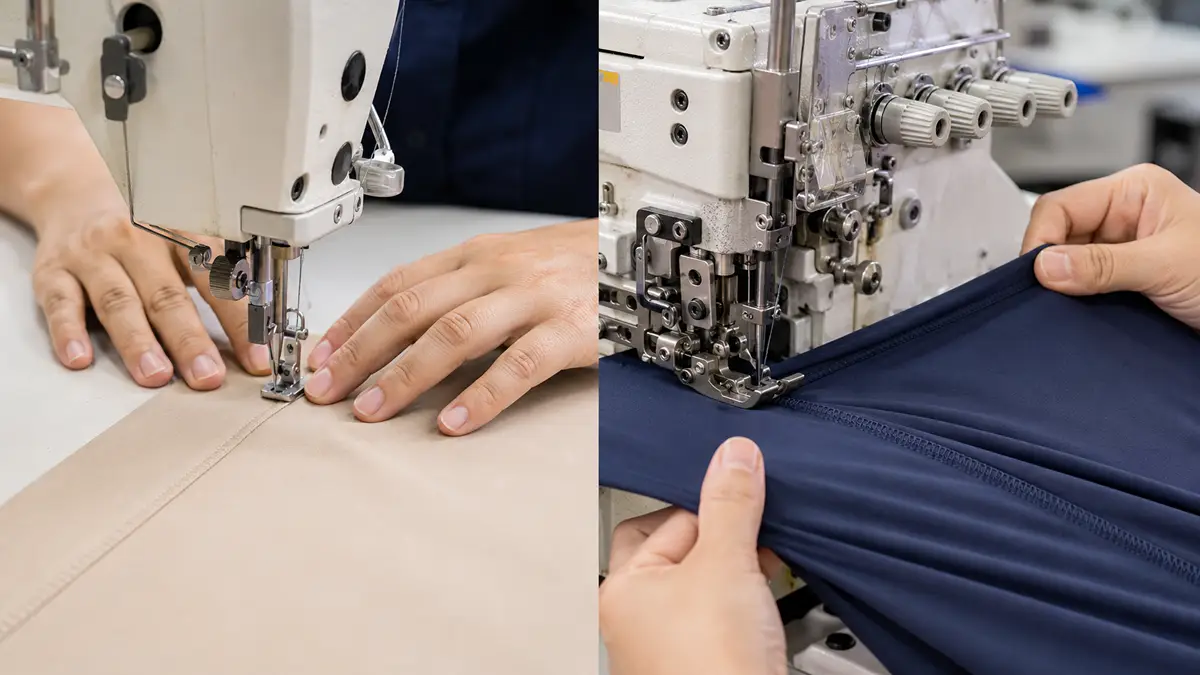
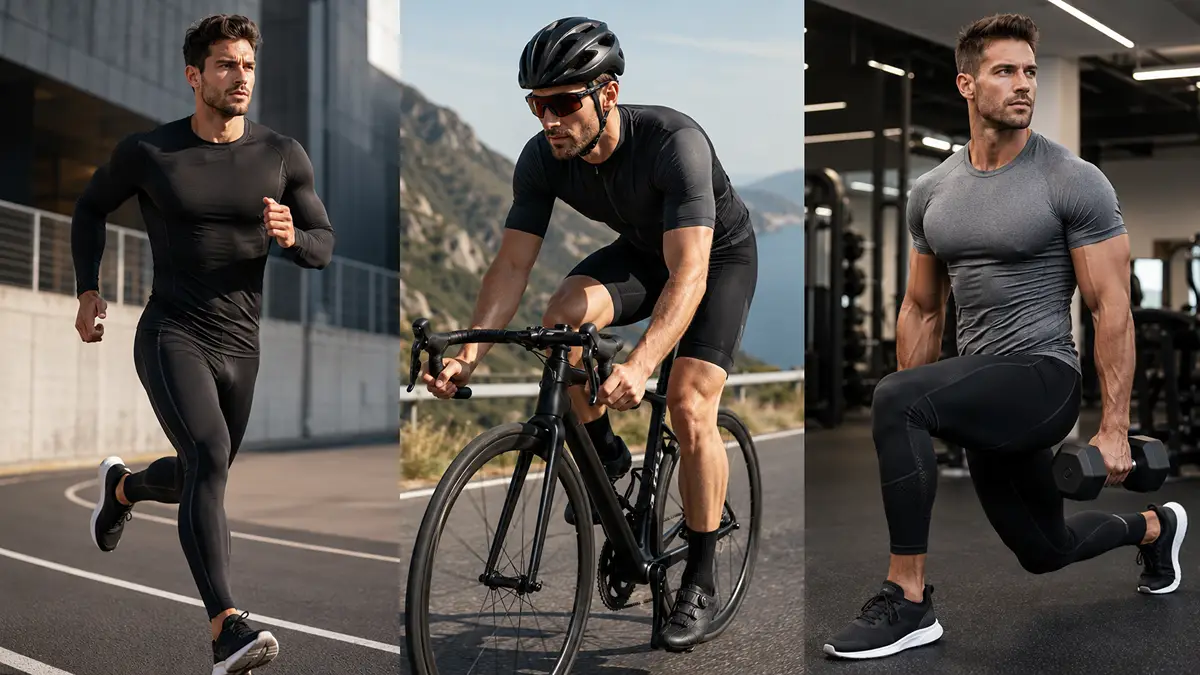
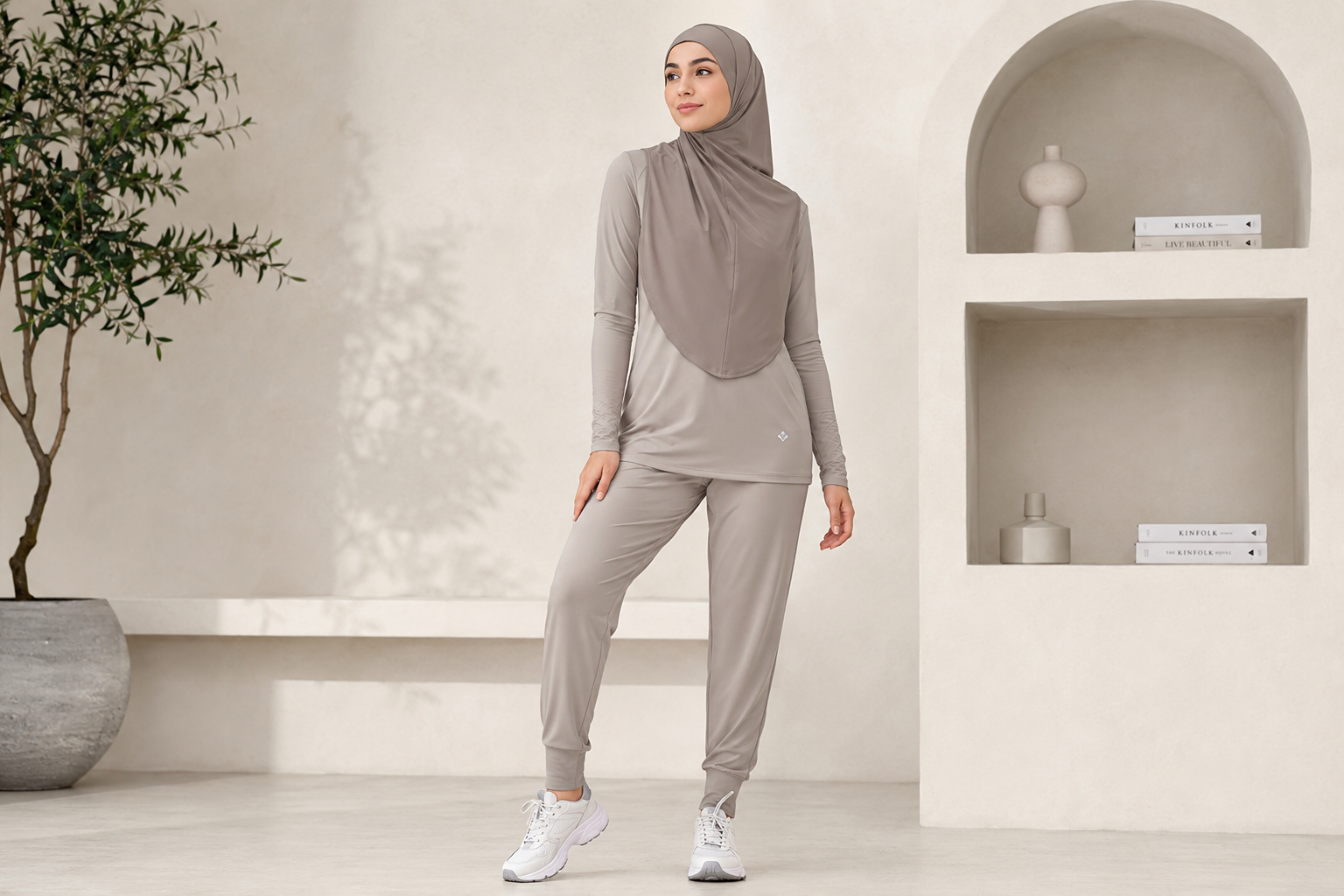
Traditional hems add folded fabric, thread, and pressure around the body. Raw-cut activewear removes these extra layers to create a cleaner look and a lighter feeling. This technique is popular in yoga wear, leggings, cycling shorts, sports bras, and performance underwear. However, simply cutting off the hem is not enough. Successful raw-cut clothing requires stable fabric, precise cutting, careful design, and repeated testing.
What Is a Raw-Cut Finish? Hem-Free Edges Explained
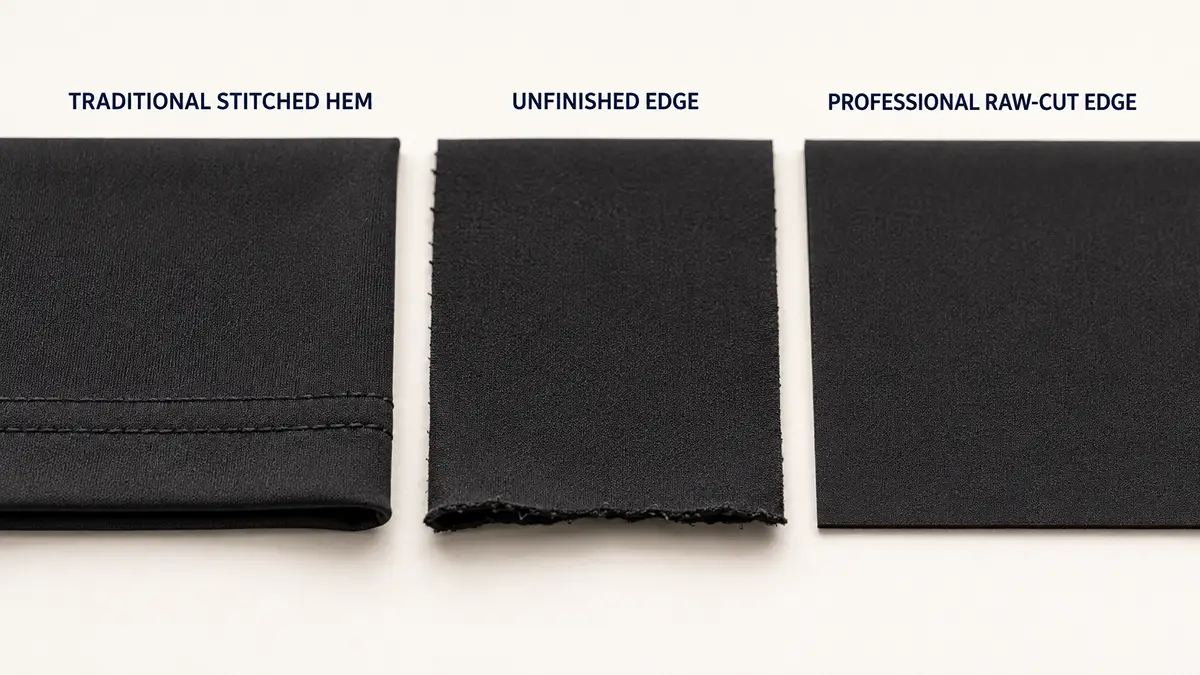
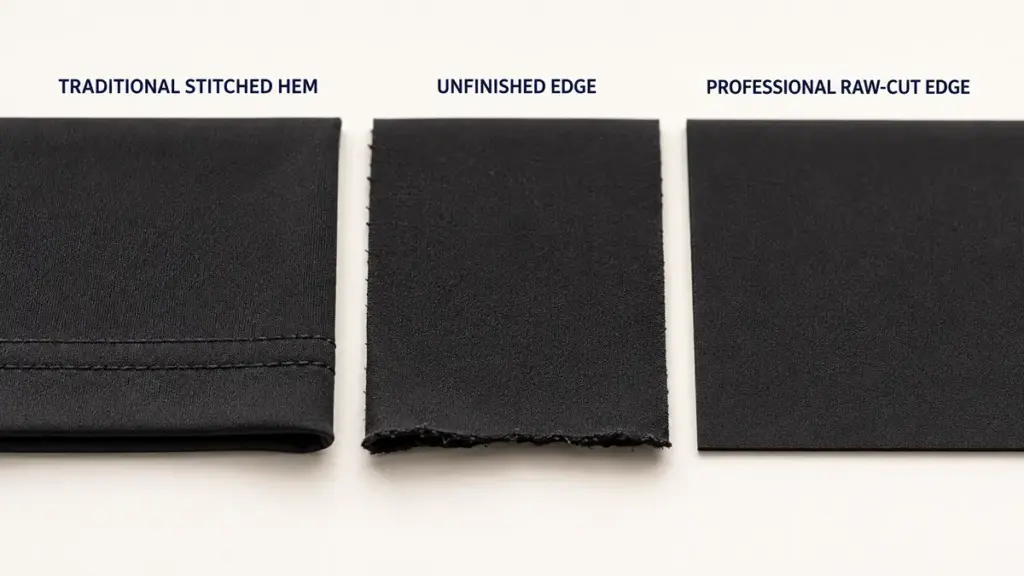
A raw-cut finish is a fabric edge that is cut precisely but not folded or stitched. It may look unfinished, but it is actually an intentional manufacturing technique. The fabric must remain smooth without fraying, curling, or losing its shape.
Raw cut is different from an ordinary unfinished edge. An unfinished edge may quickly become damaged, while a professional raw-cut edge is developed through fabric testing, pattern adjustment, and accurate cutting.
Why Raw Cut Feels Lighter: Removing Bulk and Stitch Weight
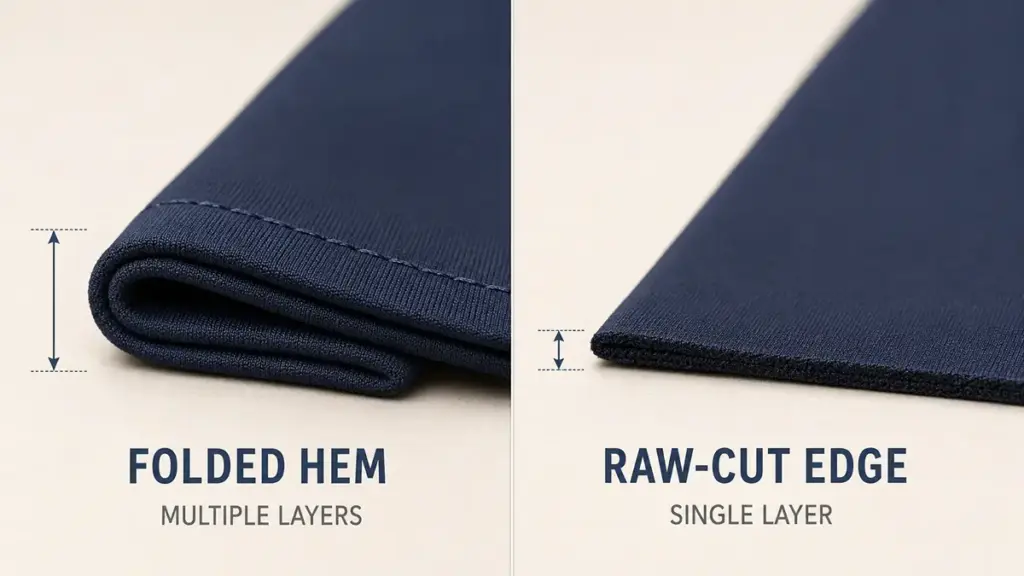
A traditional hem usually contains two or three layers of folded fabric, plus thread and sometimes elastic. These layers can create thickness around the thighs, arms, or waist. They may also leave visible lines under fitted clothing.
Raw cutting removes this extra material. The edge sits flatter against the skin and moves more naturally with the body. This makes the garment feel lighter and can reduce rubbing during yoga, running, or daily movement. However, the overall comfort still depends on fabric softness and fit.
Fabric Requirements: High-Recovery Knits That Don’t Fray
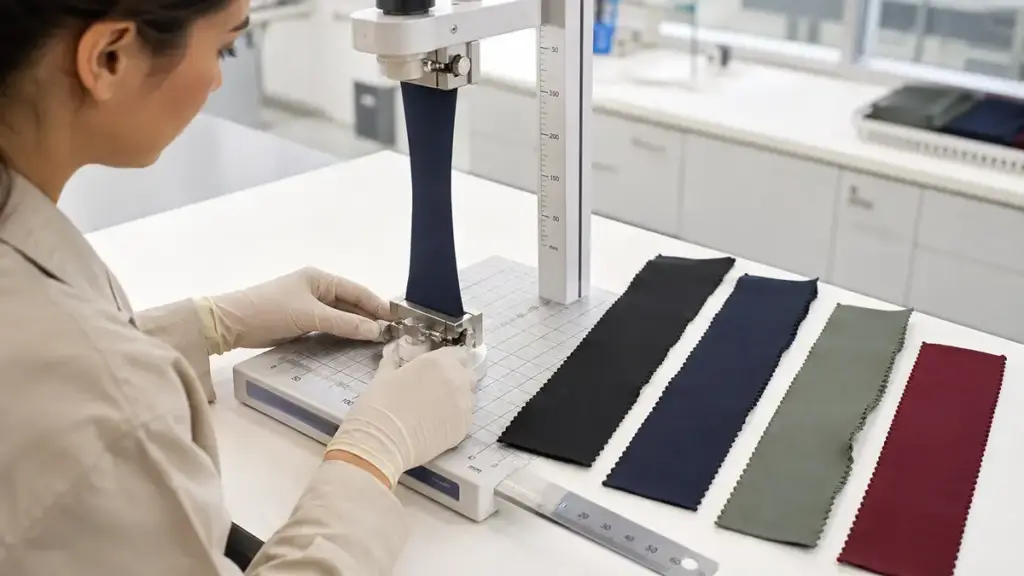
Not every stretch fabric is suitable for raw cutting. The best option is normally a dense knitted fabric with strong recovery and stable edges. Recovery means the material can stretch and then return to its original shape without becoming loose or wavy.
Nylon-spandex and polyester-spandex blends can both work, but fibre percentages alone cannot confirm suitability. Knit structure, fabric weight, elastane quality, and heat-setting also affect performance. SANSANSUNSPORTS tests fraying, curling, stretch recovery, washing, and edge appearance before recommending a fabric for production.
Bonded vs Raw Edges: When to Skip the Hem
Raw cutting and bonding both create a clean appearance, but they serve different purposes. A pure raw edge contains no folded hem or adhesive, making it the lightest option. A bonded edge uses a thin adhesive film to connect or reinforce fabric layers without normal stitching.
Raw edges are suitable for stable, low-stress areas. Bonding is more appropriate where extra support is needed, such as pocket openings, waist sections, or joined panels. Many garments use both techniques to balance comfort, strength, and appearance.
Maintaining Shape: Preventing Edge Curl and Deformation
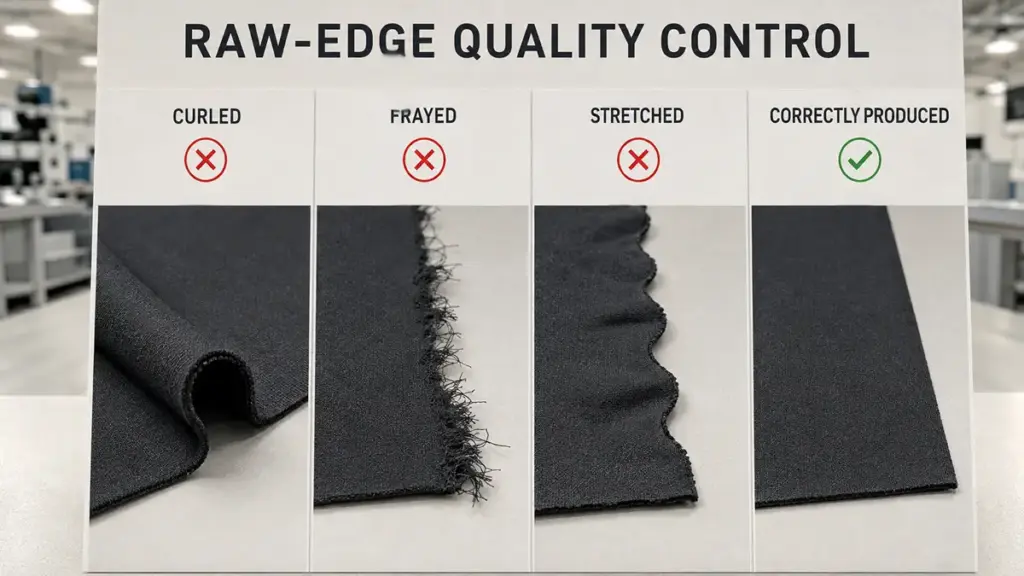
A raw edge may curl when the fabric structure is unstable or when the panel is cut in the wrong direction. Excessive heat, poor fabric relaxation, dull cutting equipment, or incorrect pattern tension can also create wavy edges.
Before cutting, the fabric should rest so that tension from rolling and transportation can relax. Patterns must follow the correct fabric direction, and the cutting temperature must suit the material. SANSANSUNSPORTS checks raw-cut samples after stretching, fitting, and washing to confirm that the edges remain flat.
Ideal Garment Zones for Raw Cut
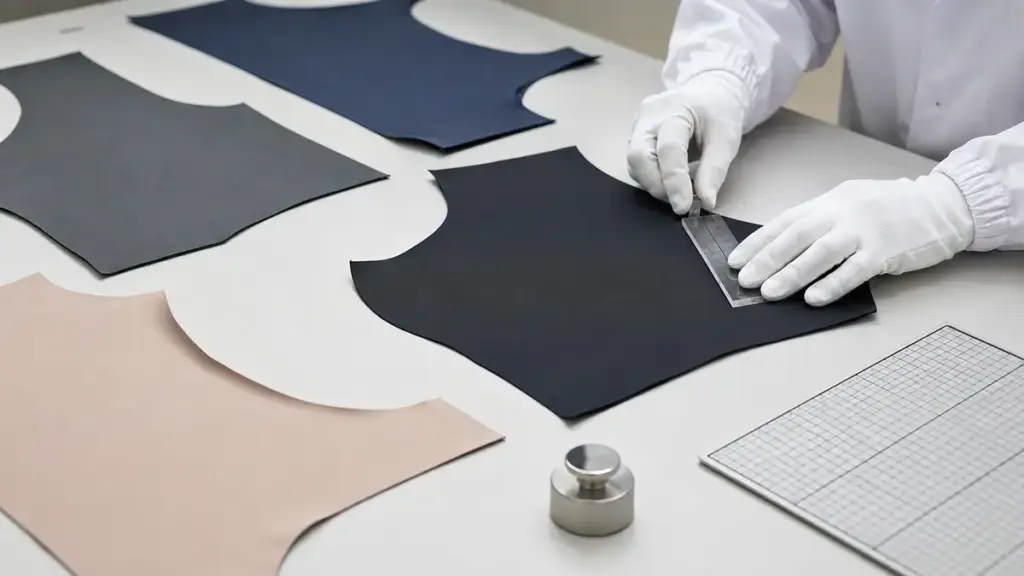
Raw cutting works best in areas that need flexibility but do not carry heavy pressure. Common applications include leg openings on shorts, hems on lightweight tops, bra edges, removable pad openings, and smooth underwear-style layers.
High-stress zones need more support. Crotch seams, shoulder joins, supportive waistbands, and pocket attachment points usually require stitching, bonding, or reinforcement. Choosing the correct zones prevents damage while keeping the garment lightweight.
Common Mistakes Brands Make with Raw-Cut Execution
One common mistake is choosing fabric only because it feels soft. A fabric may feel comfortable but still curl, fray, or lose recovery after washing. Another mistake is applying raw cut to every edge without considering movement and tension.
Brands may also skip wear tests or approve a sample based only on appearance. At SANSANSUNSPORTS, we check fabric behaviour, garment fit, repeated stretching, and wash performance before bulk production. This helps startup brands correct problems during sampling instead of discovering them after delivery.
Future of Raw Cut: Integration with Laser Cutting and Bonding
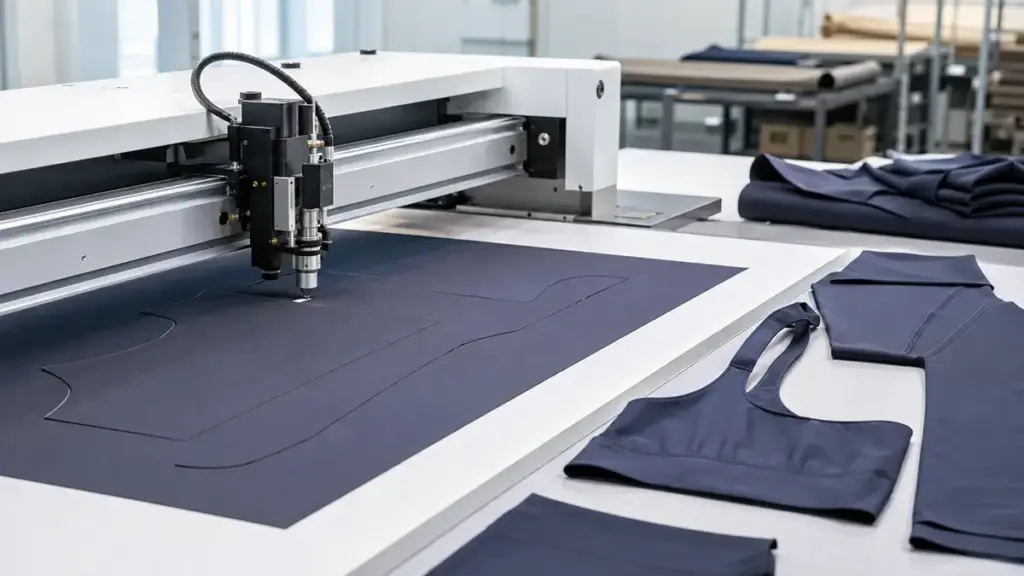
Laser cutting makes raw-cut production more accurate. It can create smooth curves, detailed shapes, ventilation holes, and matching panels with less manual variation. Selective bonding can then reinforce only the areas that need additional strength.
This combination supports modern activewear that is lightweight, functional, and visually clean. Through its OEM and ODM service, SANSANSUNSPORTS connects material selection, product design, manufacturing, and delivery, helping brands turn raw-cut concepts into production-ready garments.
FAQs
Does raw-cut activewear unravel?
A suitable dense-knit fabric should not unravel easily. However, the edge must still pass stretch, recovery, and wash tests.
Can raw-cut edges be used on leggings?
Yes. They are often used at leg openings, especially in lightweight or seamless-feeling designs. High-tension sections may need reinforcement.
Is raw cutting suitable for every fabric?
No. Loose knits, unstable fabrics, and materials with poor recovery may curl, fray, or become deformed.
Is raw cut cheaper than a traditional hem?
It can reduce sewing work, but stable fabric, precision cutting, bonding, and additional testing may influence the final cost.
Can a startup brand develop raw-cut products?
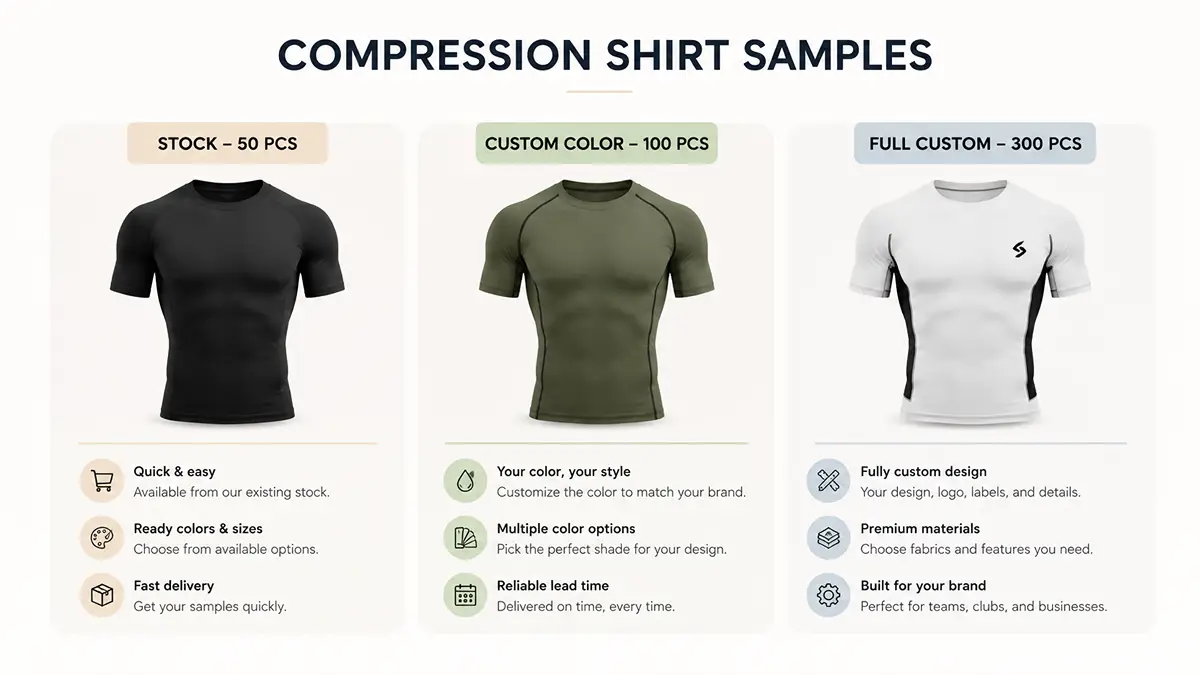
Yes. The safest approach is to start with fabric testing and one complete prototype before confirming bulk production.
Conclusion
Raw-cut activewear offers a lightweight feeling, smooth contact with the skin, and a clean modern appearance. Its success depends on more than removing a stitched hem. Brands need the right fabric, accurate patterns, controlled cutting, suitable reinforcement, and real wear testing. SANSANSUNSPORTS supports these steps through fabric sourcing, sampling, laser cutting, bonding, quality control, and OEM, ODM, and private label manufacturing services.