Every brand owner working with sports clothing manufacturers has seen this problem. A customer buys your leggings and loves the fit. But after a few weeks of squats and lunges, the seams start to fail. The crotch may split. Pocket corners may open. The waistband may loosen.
This is usually not a fabric issue. The real cause is poor seam reinforcement. One of the most effective solutions is bartack stitching.
Bartacks are tiny, tight stitches added to key stress points in active wear. They are small, but they play a big role. When done correctly, customers do not notice them—but they help the garment last much longer.
في رياضة المعسكر, we work with both startup and growing activewear brands. We plan reinforcement from the very beginning, starting at the pattern stage. في هذه المقالة, we explain what bartacks are, where to use them, and why they are important—in a simple and clear way for anyone building a sportswear line.
What Are Bartacks? Micro-Stitches With Macro Strength
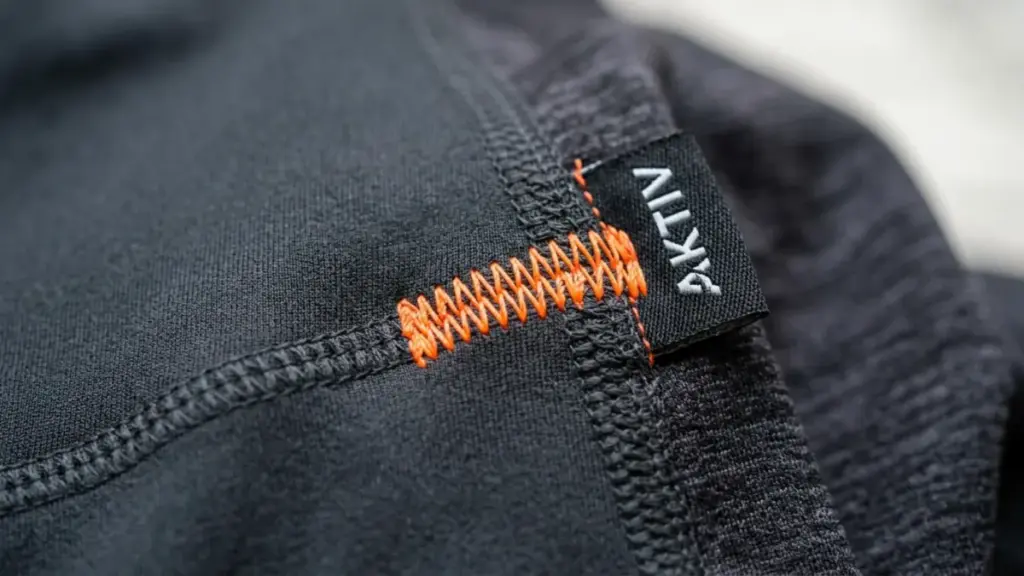
A bartack is a small, dense group of stitches sewn in a short area (about 5–10 mm). The machine stitches over the same point many times to create a strong reinforcement that holds fabric together.
It works like a hidden “lock”in the garment. It does not change the look or comfort, but it greatly improves durability.
في activewear yoga and sportswear manuafcturing, bartacks are placed at high-stress points:
- Crotch seam intersections
- Waistband attachment points
- Pocket corners
- Drawstring openings
- Zipper ends
Without bartacks, seams in stretch fabrics like nylon-spandex or polyester blends can slowly open from the edges and lead to seam failure.
For buyers working with sports clothing manufacturers, bartacks are an easy way to check quality. Look at the crotch seam, waistband join, and pocket corners. If you do not see bartacks in these areas, the garment may not hold up well in real use.
High-Stress Zones: Crotch, Waistband, and Pocket Corners
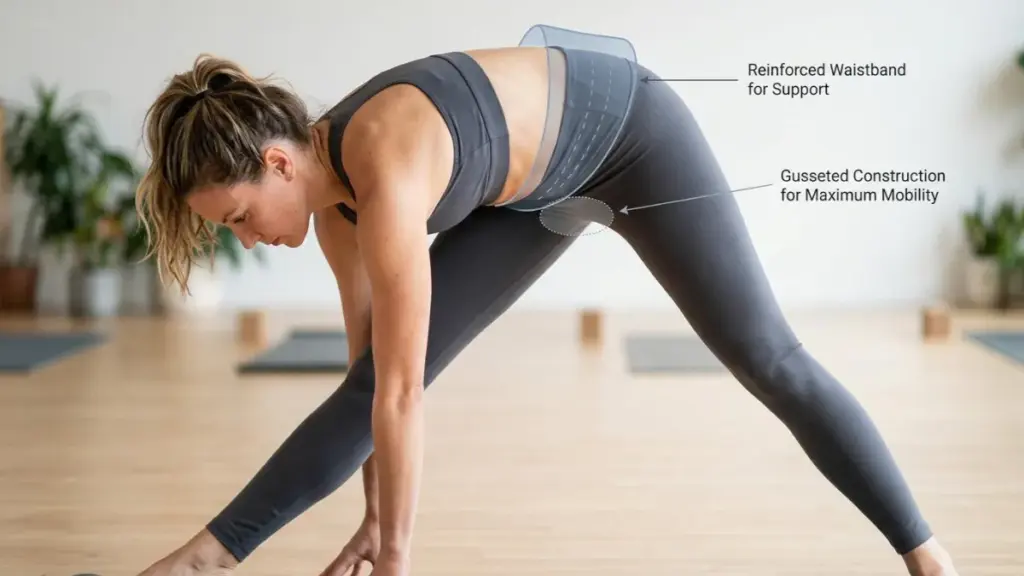
Not every part of a garment needs a bartack. The key is knowing where to use them. In most activewear brands’ production, there are three main areas that take the most stress.
The first is the crotch seam: This area is under constant tension during movements like squats, الطعنات, and stretching. It is where multiple seams meet, making it the weakest point in leggings and السراويل اليوغا. Adding a bartack here helps lock the seams together and prevents splitting.
The second is the waistband join: This is where the waistband connects to the main body of the garment. When people move or adjust their leggings, this area is pulled often. Without reinforcement, the seam can start to loosen or separate over time. Bartacks on both sides of this join help keep it secure.
The third is pocket corners: This is especially important for garments with side or hidden pockets. Every time someone puts in a phone or keys, the corners are pulled. متأخر , بعد فوات الوقت, this can cause tearing. A small bartack at each corner adds strong support without affecting the design or cost.
By placing bartacks in these key areas, sports clothing manufacturers can greatly improve durability while keeping the garment comfortable and clean in design.
How Bartacks Prevent Seam Blowouts During Deep Squats
A seam blowout happens when the thread at the end of a seam breaks under pressure. It often starts with a few loose stitches, then quickly spreads because there is no strong support holding the seam end.
During deep squats, the crotch and inner thigh areas stretch heavily. If the seam is weak, the tension pulls it apart stitch by stitch, which can lead to a full tear during normal workouts.
A bartack prevents this by reinforcing the seam end with many tight stitches in one small area. Instead of one weak point carrying all the stress, the force is spread across multiple stitches, making the seam much stronger. In high-stretch fabrics used for active wear yoga collections, this reinforcement is essential to ensure seams stretch with the fabric rather than breaking.
وسنسان سبورتس, we always include bartack reinforcement at crotch seam junctions to ensure durability in real performance use.
Stitch Density and Length: Finding the Sweet Spot for Strength
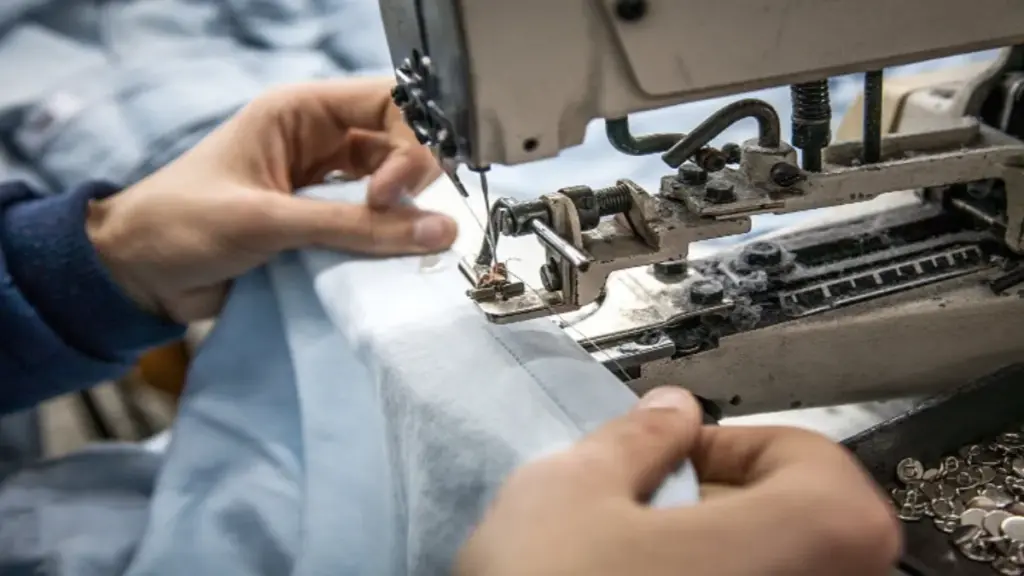
More stitches do not always mean a stronger bartack. What matters most is stitch density, meaning how many stitches are placed within a small area.
If a bartack is too dense, it becomes stiff and reduces fabric flexibility. In stretch activewear fabrics, this can shift stress to the edges and increase the risk of tearing nearby.
If it is too loose, it cannot hold the fabric properly, and the reinforced area still fails under tension.
For most active wear yoga and performance fabrics like nylon-spandex or polyester-spandex, a typical bartack is 6–8 mm long and 2–3 mm wide, with around 20–30 stitch passes. This gives a good balance of strength and flexibility.
The ideal setting also depends on thread thickness. Thicker threads need fewer passes, while thinner threads require higher density.Good sports clothing manufacturers adjust bartack settings based on fabric and thread, rather than using one fixed standard. This ensures both durability and comfort in real movement.
Thread Choice and Needle Type for Maximum Reinforcement
The strength of a bartack is not only about stitching—it also depends on the thread and needle used.
For active wear yoga and sportswear, polyester thread is the most common choice. It is strong, مرن, and performs well after repeated washing and stretching. For high-stretch garments, textured polyester or polyester-core thread with a nylon wrap provides even better durability.
Cotton thread is not suitable for bartacks in performance sportswear. It has low stretch and weakens quickly with sweat and washing, especially in high-stress areas like the crotch seam.
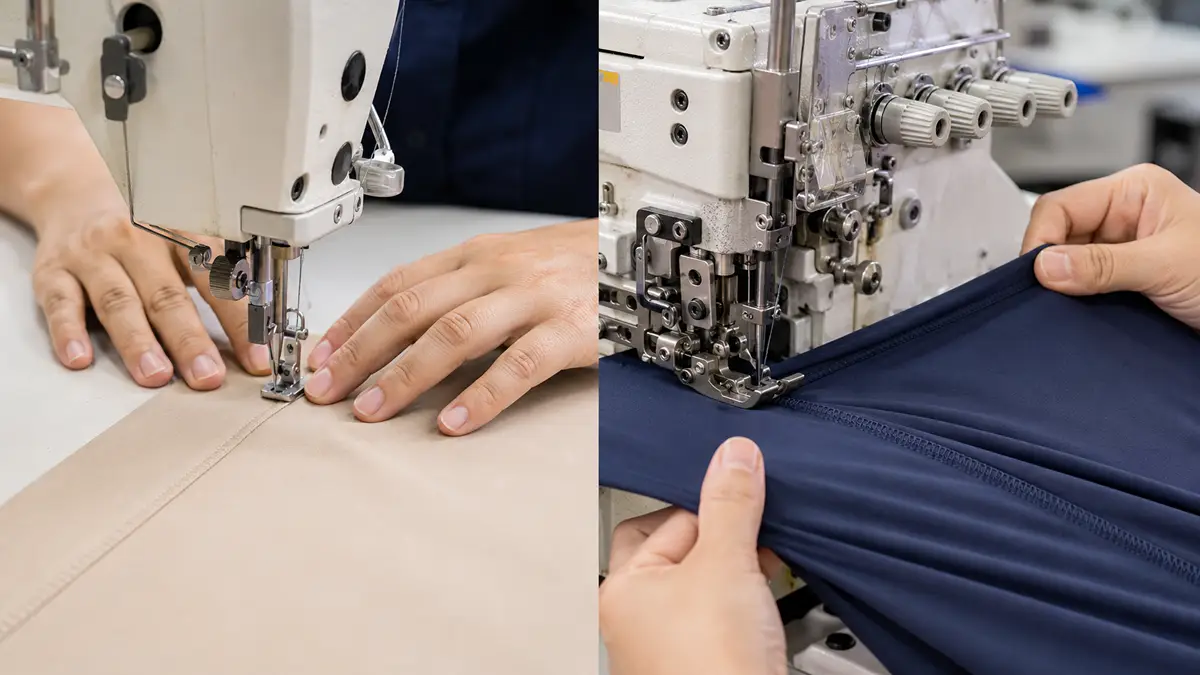
Needle selection is also important. A stretch needle (يكتب 130/705 H-S) is used for most performance fabrics. Its rounded tip moves between fibers instead of cutting them, helping protect the fabric structure.
For knit fabrics, ball-point needles are used for the same reason—they reduce damage to fabric loops and improve seam life. Using the wrong needle can create small hidden damage that weakens the garment over time.
At SansanSports, we match thread and needle type carefully for every fabric to ensure bartacks stay strong and reliable in real use.
Lab and Field Testing in SansanSports: Pull, Squat, and Lunge Stress Trials
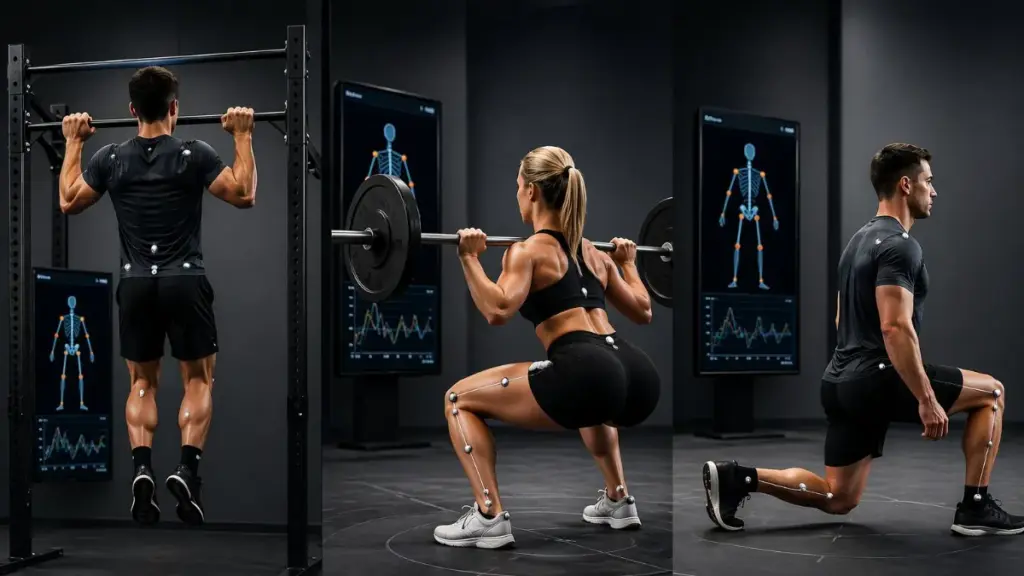
Knowing where to place bartacks is the first step. Proving they work is the next.
At SansanSports, we test bartack strength before any style goes into production. We use two simple but strict methods.
The first is a lab pull test: A seam sample is pulled in a testing machine until it breaks. We compare seams with and without bartacks. The result is clear—bartacked seams can handle about 40% ل 70% more force before failing.
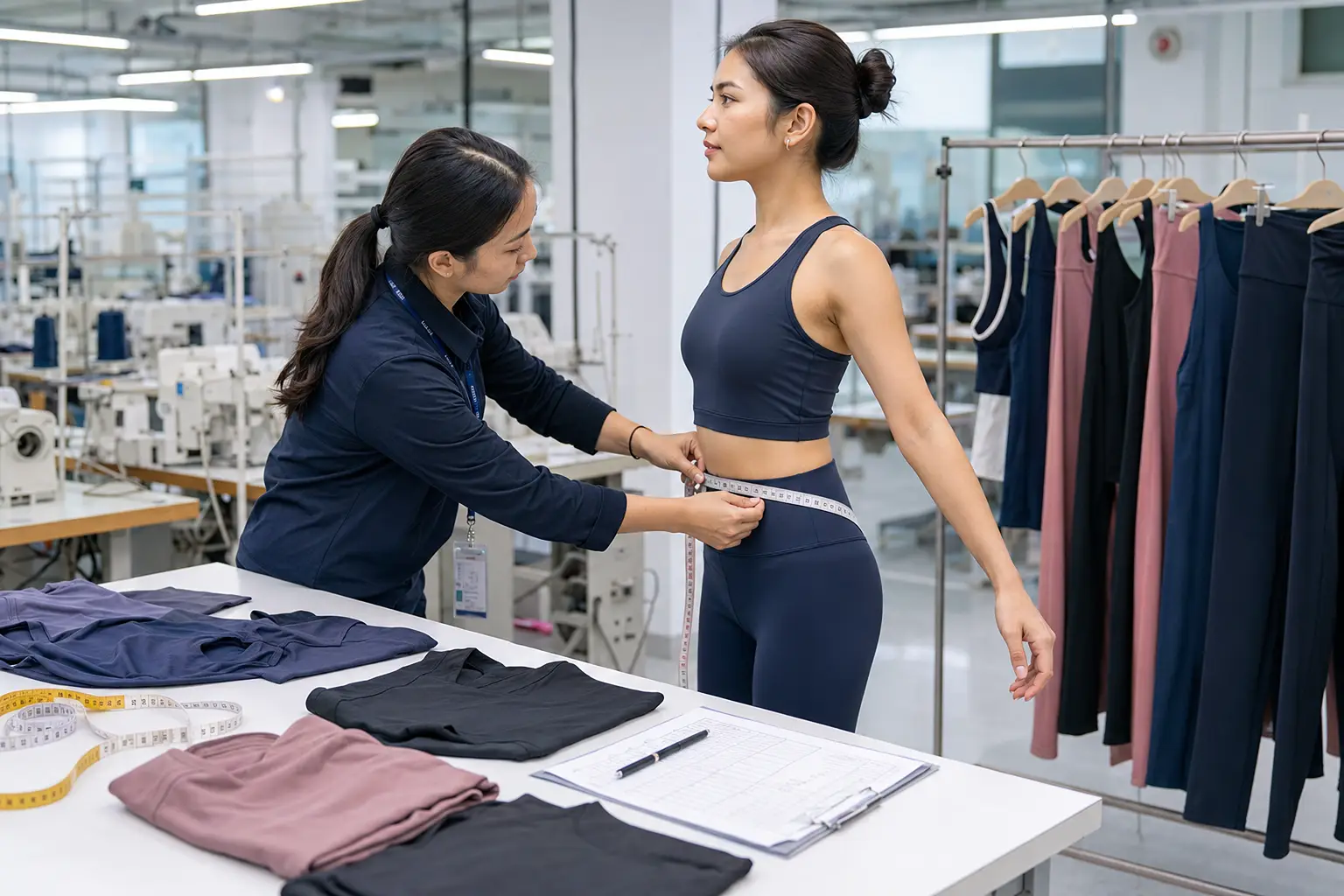
The second is a real movement test: Fit testers wear the garment and do squats, الطعنات, and full-body movements. بعد الاختبار, we check the seam areas closely for any loosening or early damage.
Only garments that pass both tests move to bulk production. This applies to all new fabrics, أنماط, and SKUs.
This testing system is what separates serious sports clothing manufacturers from basic production factories. It turns bartacks from an idea into a proven quality standard used in real activewear brands.
خاتمة
Bartacks are small stitches, but they make a big difference in active wear and sportswear durability. They protect high-stress areas like the crotch, حزام, and pockets, helping prevent seam failures during real movement.
لماركات الملابس الرياضية, good construction is not just about fabric — it is about how the garment is built at the stitch level. Proper bartacking improves strength, يقلل من العائدات, and increases product life. At SansanSports, we use bartack reinforcement and testing to ensure every product is built for real performance, not just appearance.
الأسئلة المتداولة
How can I check if my supplier is using bartacks correctly?
Ask for a technical sheet showing reinforcement points. Then inspect a sample closely at the crotch, حزام, and pocket corners. A proper bartack looks like a small, dense stitch block that strengthens the seam without affecting the design.
Do bartacks change how a garment feels to wear?
لا. When done correctly, bartacks are very small and flat. The wearer does not feel them, and they do not affect comfort or fit.
Which fabrics benefit most from bartack reinforcement?
All stretch fabrics benefit, especially those with higher elastane or spandex content. These fabrics stretch more during movement, which puts more pressure on seams. Bartacks help these seams last longer.