L’industria dell’activewear si sta evolvendo rapidamente. Gli atleti si aspettano più comfort, i marchi vogliono prodotti con prestazioni migliori, e gli acquirenti sono alla ricerca di capi di abbigliamento che offrano funzionalità e vestibilità. Una tecnologia sta rimodellando il modo in cui l’abbigliamento sportivo viene progettato e prodotto: lavoro a maglia senza cuciture.
Questa non è solo un’altra tendenza. La costruzione senza cuciture segna un vero cambiamento nel modo di vestire i capi di abbigliamento sportivo, le prestazioni sono al top, e vengono sviluppate tute integrali. Invece di tagliare il tessuto in pannelli e cucirli insieme, gli indumenti senza cuciture sono lavorati a maglia in un processo continuo, passando direttamente dal filo alla forma finita.
Per i proprietari di marchi, startup, e team di approvvigionamento, comprendere questa tecnologia può portare a decisioni migliori sui prodotti e a una selezione più intelligente dei fornitori. Se stai valutando un produttore cinese di abbigliamento sportivo senza cuciture per abbigliamento sportivo, sapere come funziona la produzione senza soluzione di continuità può aiutarti a identificare le fabbriche con capacità tecniche più forti e maggiore valore in termini di sviluppo del prodotto.
A Sport Sansan, la lavorazione a maglia senza cuciture fa parte del nostro lavoro produttivo quotidiano. In questo articolo, spieghiamo di cosa si tratta, come funziona, e perché è importante per i brand che creano collezioni di activewear moderne.
Cosa sono gli indumenti senza cuciture?
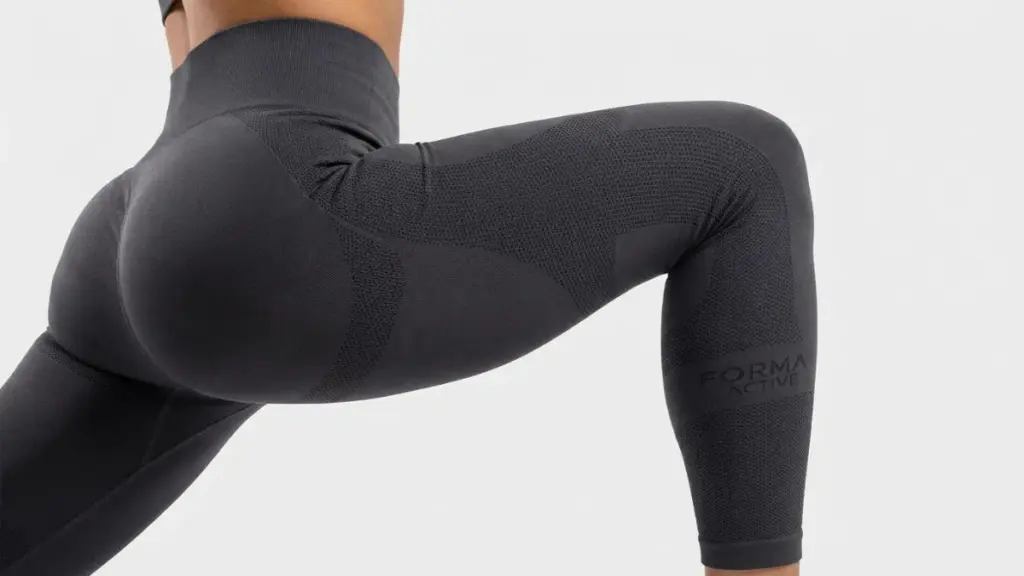
Un capo senza cuciture è esattamente ciò che suggerisce il nome: un capo di abbigliamento realizzato senza cuciture tradizionali.
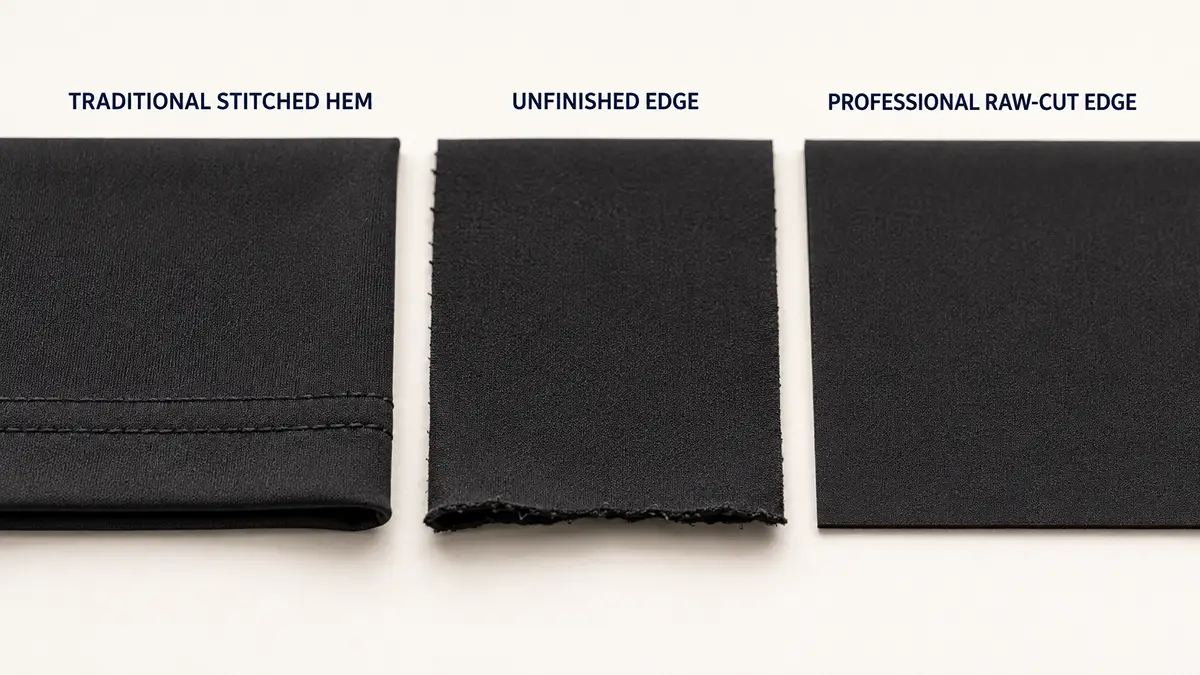
Nella produzione convenzionale di abbigliamento sportivo, il tessuto viene tagliato in pezzi di cartamodello separati e poi cuciti insieme. Ogni cucitura crea un punto di unione, e durante l'esercizio, quelle giunzioni possono causare attrito, pressione, e disagio.
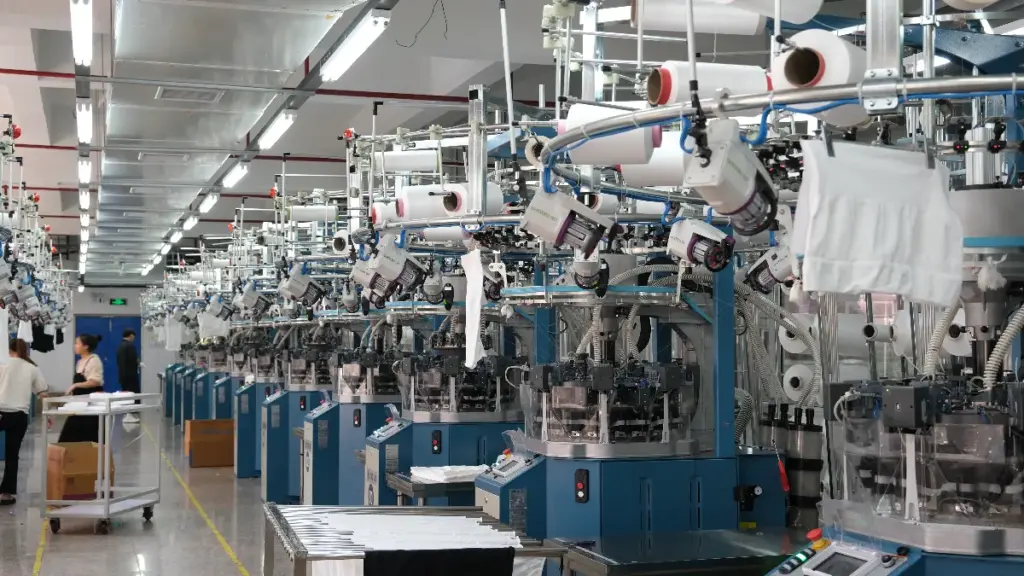
Gli indumenti senza cuciture vengono prodotti in modo diverso. Utilizzo di macchine per maglieria circolari o macchine per maglieria a trama piana, l'indumento è lavorato a maglia come un pezzo completo o con una struttura quasi completa. La forma viene creata durante la fase di lavorazione a maglia, il che riduce notevolmente la necessità di tagliare e cucire successivamente.
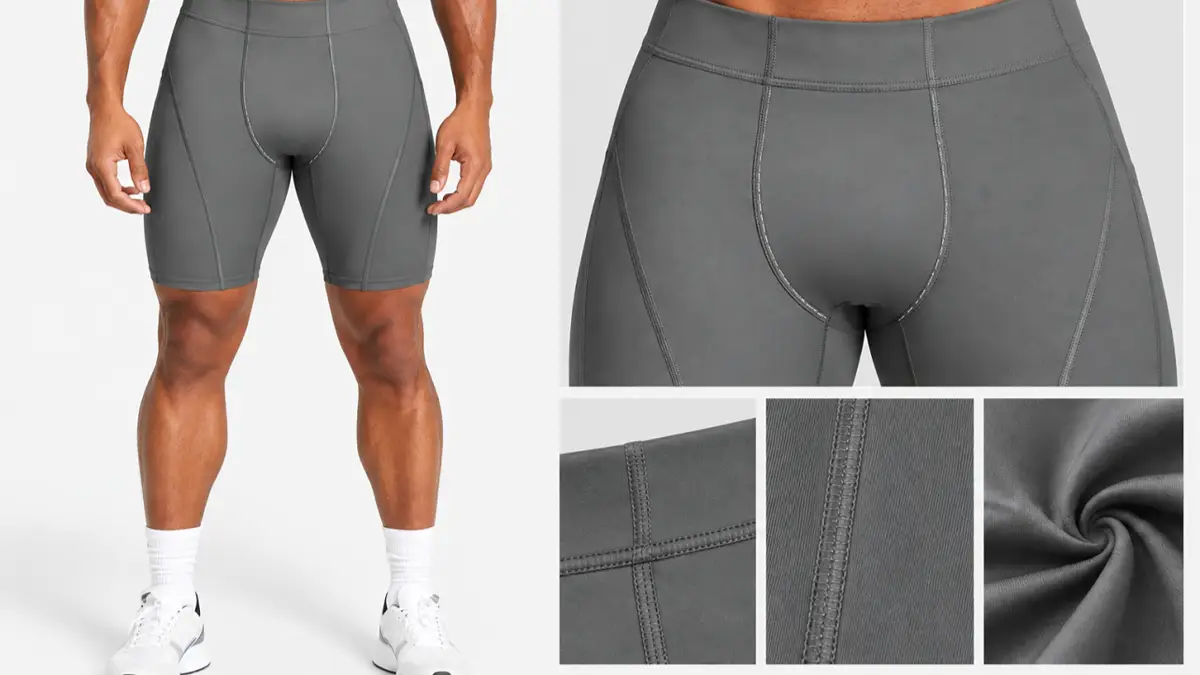
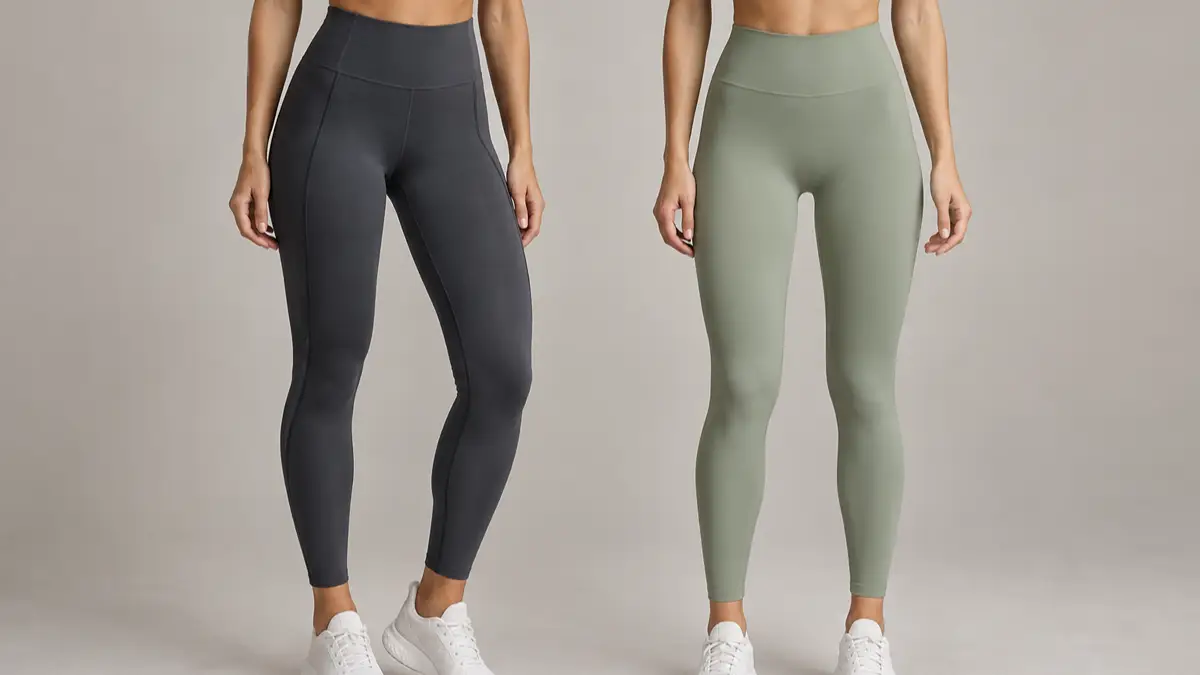
Questo approccio è ampiamente utilizzato in abbigliamento da yoga, abbigliamento da corsa, pantaloncini da ciclismo, e strati di base. Il capo finito tende a muoversi in modo più naturale con il corpo, sentirsi più leggeri sulla pelle, e ridurre l'irritazione durante le attività ad alto movimento. Questo è uno dei motivi per cui molti marchi che sviluppano leggings di alta qualità o abbigliamento da allenamento aderente ora cercano un fornitore di leggings senza cuciture in maglia da yoga invece di affidarsi solo alla tradizionale produzione tagliata e cucita..
Per marchi di abbigliamento sportivo, i capi senza cuciture sono più di un miglioramento del comfort. Offrono anche una storia del prodotto più tecnica, che può essere prezioso in un mercato affollato e altamente competitivo.
Tipi di tecnologie seamless nell'abbigliamento sportivo
Non tutti indumenti senza cuciture sono fatti allo stesso modo. Esistono diverse tecnologie utilizzate nella produzione senza soluzione di continuità, e ognuno ha punti di forza diversi.
Maglia circolare senza cuciture: è il metodo più comune. Le macchine lavorano a maglia il tessuto a forma di tubo. Questo è l'ideale per i leggings, cime, e body. Il risultato è un liscio, capo elasticizzato con un lavoro di post-produzione minimo.
Maglia in ordito: crea tessuto utilizzando fili di filato verticali. Produce meno elasticità rispetto alla lavorazione a maglia circolare ma offre una buona struttura. Questo metodo viene spesso utilizzato nei reggiseni sportivi e negli indumenti compressivi.
Lavoro a maglia di trama (Letto piatto): consente forme più complesse e costruzioni a zone. È ideale per capi lavorati a maglia 3D in cui aree diverse del capo necessitano di diversi livelli di compressione, stirata, o spessore.
Tecnologia di incollaggio e saldatura: a volte viene utilizzato insieme al lavoro a maglia. Invece di cucire le cuciture, i bordi vengono incollati mediante saldatura a caldo o ad ultrasuoni. Questo metodo è comune nei migliori prodotti di abbigliamento sportivo per la resistenza al vento e l'impermeabilità.
Ognuno di questi tecnologie di maglieria senza cuciture ha uno scopo diverso. Capire quale si adatta al tuo prodotto è parte di ciò che rende così importante la collaborazione con produttori di abbigliamento esperti. E Sansan Sport, aiutiamo i marchi a identificare la tecnologia giusta per i loro obiettivi di progettazione e fascia di prezzo.
Materiali e macchinari chiave utilizzati nella produzione senza soluzione di continuità
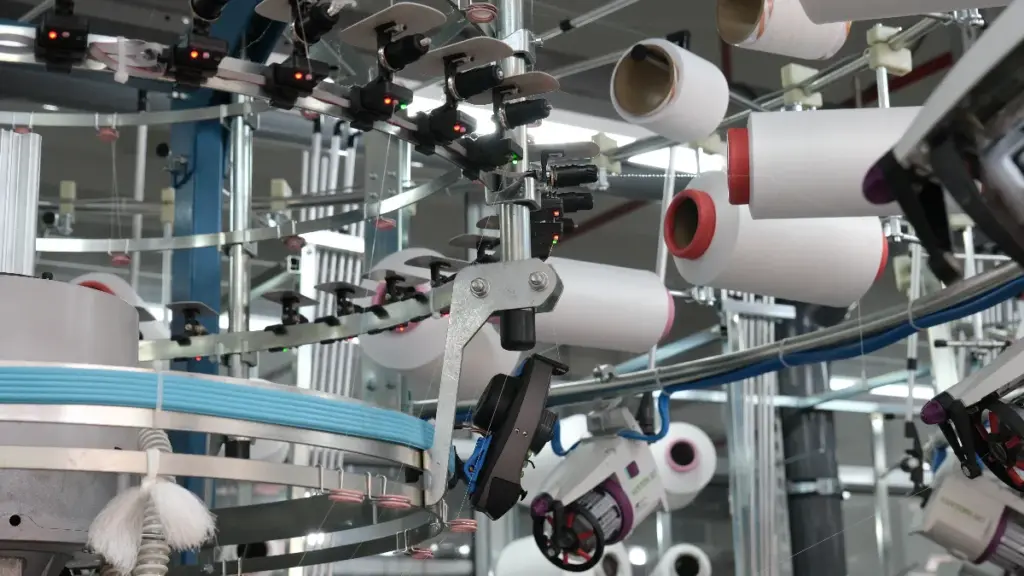
Filati performanti come il nylon, poliestere, e le miscele di elastan sono comunemente utilizzate per l'abbigliamento sportivo senza cuciture. Anche le fibre riciclate sono sempre più popolari poiché i marchi prestano maggiore attenzione alla sostenibilità e all’approvvigionamento responsabile.
Macchine come sistemi di maglieria circolare e unità di maglieria 3D sono programmate per creare indumenti mappati sul corpo con elasticità attentamente controllata, recupero, e supporto. La qualità del prodotto finale non dipende solo dalla macchina stessa, ma anche da quanto bene si abbinano il filato e il programma di maglieria.
Per i marchi che desiderano collaborare con un produttore di abbigliamento sportivo senza cuciture, comprendere questa relazione tra materiale e macchinario è importante. Influisce direttamente sulla consistenza dell'adattamento, durabilità dell'indumento, e l'esperienza complessiva di chi lo indossa.
Dal filato all'indumento: 3D Spiegazione del processo di lavorazione a maglia
Il processo di lavorazione a maglia 3D può sembrare tecnico, ma l'idea alla base è semplice: la macchina costruisce la forma del capo mentre lavora a maglia, piuttosto che creare la forma in seguito attraverso il taglio e il cucito. Questo è ciò che rende lo sviluppo senza soluzione di continuità così efficiente ed è anche fondamentale per molte innovazioni di abbigliamento sportivo senza cuciture 3D knitting viste nel mercato di oggi.
Ecco come funziona passo dopo passo.
Passaggio 1: selezione del filato
Tutto inizia dal filo. Il filato determina la sensazione del capo, si allunga, recupera, e si esibisce. Le opzioni comuni includono il nylon, poliestere, miscele di spandex, e fibre riciclate. La scelta migliore dipende se l'indumento è destinato allo yoga, corsa, allenamento in palestra, o attività all'aperto.
Passo 2—Programmazione del pattern
Prima dell'inizio della produzione, un file di disegno digitale viene caricato nella macchina. Questo file controlla come viene lavorata ogni riga, incluso dove aggiungere elasticità, dove creare supporto, e dove realizzare aperture come scollature o giromanica.
Passaggio 3: lavorazione a maglia dell'indumento
La macchina poi lavora l'indumento dal basso verso l'alto o in forma tubolare, a seconda dello stile. È possibile applicare diverse strutture punto a zone diverse. Per esempio, un leggings da yoga può presentare una cintura più solida, supporto scolpito attraverso i fianchi, e maglia più traspirante sui polpacci.
Passaggio 4: finitura
Dopo che l'indumento esce dalla macchina, passa attraverso procedure di finitura come il lavaggio, impostazione del calore, modellare, e controllo di qualità. Alcuni stili potrebbero ancora richiedere piccole cuciture aggiuntive, come aggiungere un tassello o inserire un componente della cintura.
Il risultato è un capo che unisce precisione tecnica, comfort, e appeal visivo. Rispetto alla produzione tradizionale tagliata e cucita, questo processo genera anche meno scarti di tessuto, rendendolo attraente per i marchi focalizzati sulla sostenibilità. Queste efficienze produttive sono tra i principali vantaggi dell’abbigliamento sportivo per maglieria 3D senza cuciture apprezzati sia dai marchi che dai consumatori.
Confronto tra Seamless e. Metodi di cucito tradizionali
| Caratteristica | Lavoro a maglia senza cuciture | Cucito tradizionale |
|---|---|---|
| Irritazione della cucitura | Nessuno o minimo | Comune nell'uso attivo |
| Scarti di tessuto | Basso | Più alto |
| Zone di personalizzazione | Integrato nella maglia | Aggiunto tramite pannelli |
| Sensazione di prestazione | Premio | Standard |
| Prezzo per unità | Anticipo più alto | Più basso per le basi |
Come la costruzione senza cuciture migliora il comfort e le prestazioni
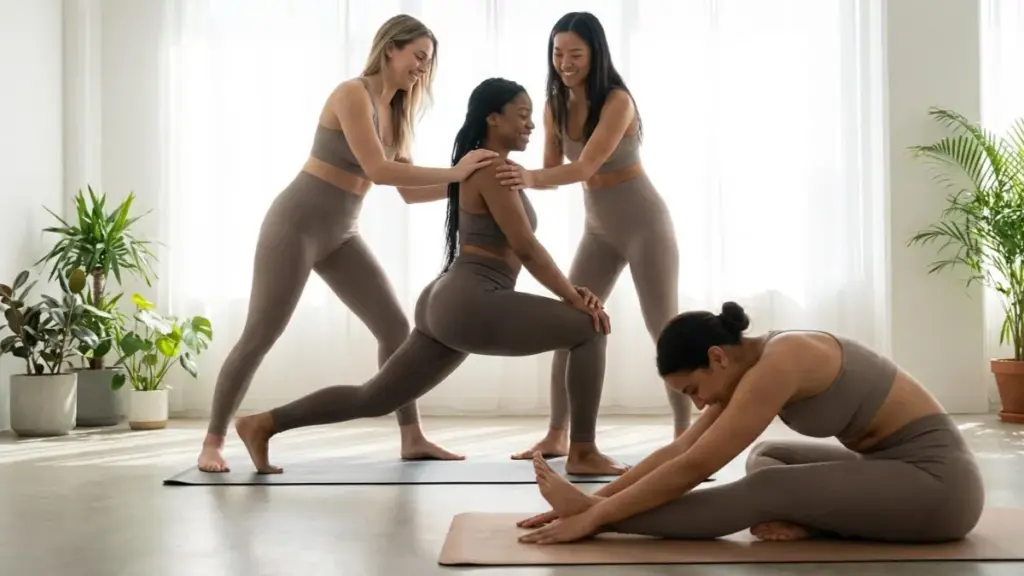
Il comfort nell'activewear non è solo una questione di morbidezza. Per atleti e consumatori attivi, comfort significa anche movimento senza restrizioni, supporto stabile, controllo della temperatura, e meno distrazioni durante l'esercizio.
La costruzione senza soluzione di continuità risponde a queste esigenze in diversi modi.
Nessun punto di attrito: Le cuciture tradizionali possono sfregare contro la pelle durante i movimenti ripetuti, eventualmente causando irritazione o sfregamento. Gli indumenti senza cuciture riducono questi punti di attrito, creando una superficie più liscia che è particolarmente preziosa nello yoga, corsa, ciclismo, e abbigliamento da allenamento.
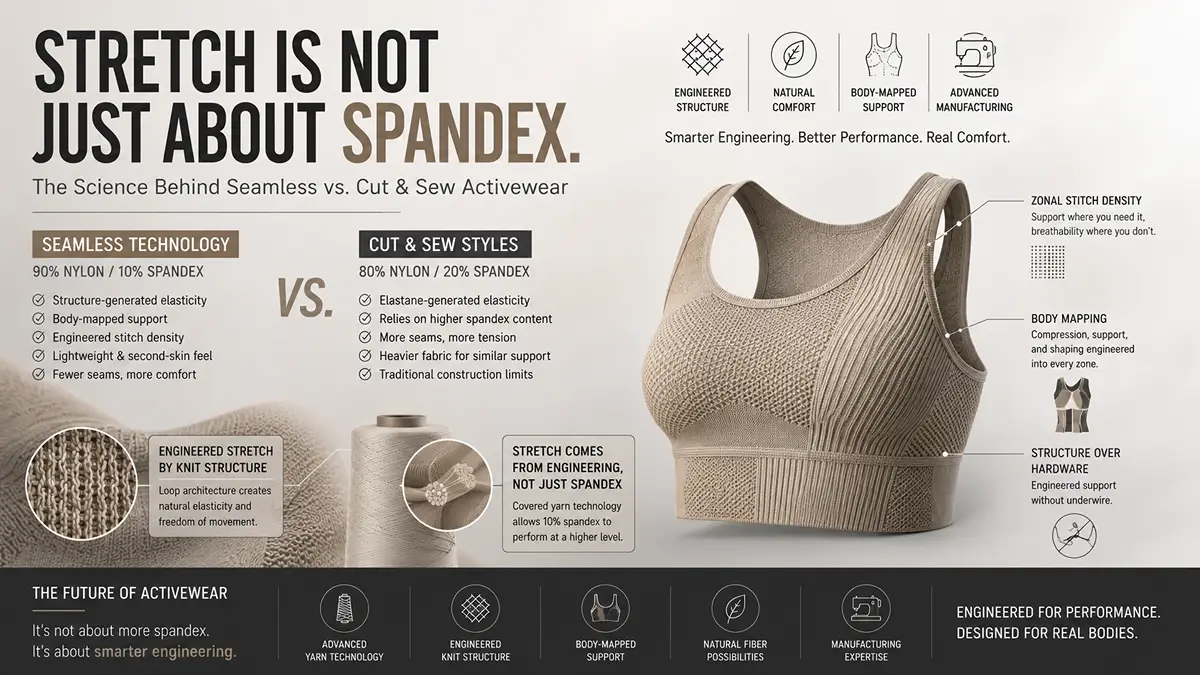
Migliore vestibilità ed elasticità: Perché il capo viene ingegnerizzato durante il processo di lavorazione a maglia, segue più da vicino la forma naturale del corpo. Ciò riduce il raggruppamento, torsione, e tirare migliorando al tempo stesso il comfort e l'aspetto generale.
Compressione e supporto a zone: La lavorazione a maglia senza cuciture consente a parti diverse dello stesso capo di offrire diversi livelli di supporto. Un reggiseno sportivo può offrire una compressione più forte nella zona del busto con una tensione più leggera sulle spalle, mentre i leggings possono fornire modellatura alle cosce e maggiore flessibilità intorno alle ginocchia.
Regolazione della temperatura: Diverse strutture a maglia consentono ad alcune zone di essere più traspiranti di altre. Aree a maglia aperta sotto le braccia, dietro le ginocchia, o sulla schiena può migliorare il flusso d'aria mantenendo il supporto dove è necessario.
Queste caratteristiche spiegano perché i prodotti senza cuciture sono sempre più preferiti dai marchi premium di abbigliamento sportivo. I veri vantaggi dell'abbigliamento sportivo per maglieria 3D senza cuciture risiedono nella combinazione del comfort, supporto, traspirabilità, ed efficienza in un'unica struttura di abbigliamento integrata.
Collabora con esperti per elevare la tua innovazione nell'abbigliamento sportivo
Scegliere il giusto partner produttivo è una delle decisioni più importanti che un marchio di activewear può prendere.
La lavorazione a maglia senza cuciture richiede attrezzature specializzate, tecnici esperti, e una solida conoscenza delle prestazioni del filato e dell'ingegneria dell'abbigliamento. Non tutte le fabbriche sono predisposte per questo tipo di produzione. Quando i marchi confrontano i fornitori, spesso non cercano solo capacità di base, ma un team in grado di supportare lo sviluppo, risolvere problemi tecnici, e garantire coerenza dal campionamento alla produzione di massa.
Sport Sansan, un esperto produttore cinese di abbigliamento sportivo senza cuciture, forniamo OEM, ODM, e servizi MDMD per abbigliamento sportivo senza cuciture. Ciò significa che possiamo produrre progetti esistenti, contribuire a sviluppare nuovi concetti, oppure gestire un pacchetto completo dall'idea al prodotto finito, compreso il supporto alla progettazione, sviluppo del modello, approvvigionamento di filati, e produzione.
Il nostro team lavora con marchi di abbigliamento sportivo e acquirenti di marchi del distributore in diverse fasi di crescita. Che tu abbia già un pacchetto tecnologico completo o solo un concetto iniziale, possiamo contribuire a trasformare quell'idea in un prodotto commercialmente valido.
Conclusione
La lavorazione a maglia senza cuciture rappresenta la prossima generazione del design activewear. Eliminando le cuciture, integrazione delle zone di prestazione, e migliorando il comfort, questa tecnologia crea capi che sembrano davvero una seconda pelle. Per marchi o startup di abbigliamento sportivo in crescita, la collaborazione con fabbriche esperte come Sansan Sports garantisce l'accesso a una produzione di alta qualità, materiali innovativi, e guida di progettazione esperta. Adottare una costruzione senza cuciture non solo avvantaggia gli atleti, ma rafforza anche la reputazione di un marchio nel competitivo mercato dell’abbigliamento sportivo.
Domande frequenti
Gli indumenti senza cuciture possono essere completamente personalizzati?
SÌ. Colori, tipi di filato, livelli di compressione, texture superficiali, e il posizionamento del logo possono essere personalizzati.
In che modo la produzione senza soluzione di continuità supporta la sostenibilità?
Perché il tessuto viene lavorato a maglia per modellare anziché tagliare da grandi rotoli, c'è molto meno spreco di materiale. Molti produttori senza soluzione di continuità, compreso Sansan Sports, offrono anche opzioni di filati riciclati per ridurre ulteriormente l'impatto ambientale.
Qual è la quantità minima d'ordine per i capi senza cuciture?
Quantità minime d'ordine (MOQ) per i prodotti senza cuciture sono in genere più elevati rispetto ai prodotti tagliati e cuciti. Questo perché la configurazione e la programmazione della macchina richiedono tempo e costi. E Sansan Sport, collaboriamo con i marchi per trovare opzioni MOQ pratiche che corrispondano alla loro fase di crescita.
Sono capi seamless adatti a tutte le corporature?
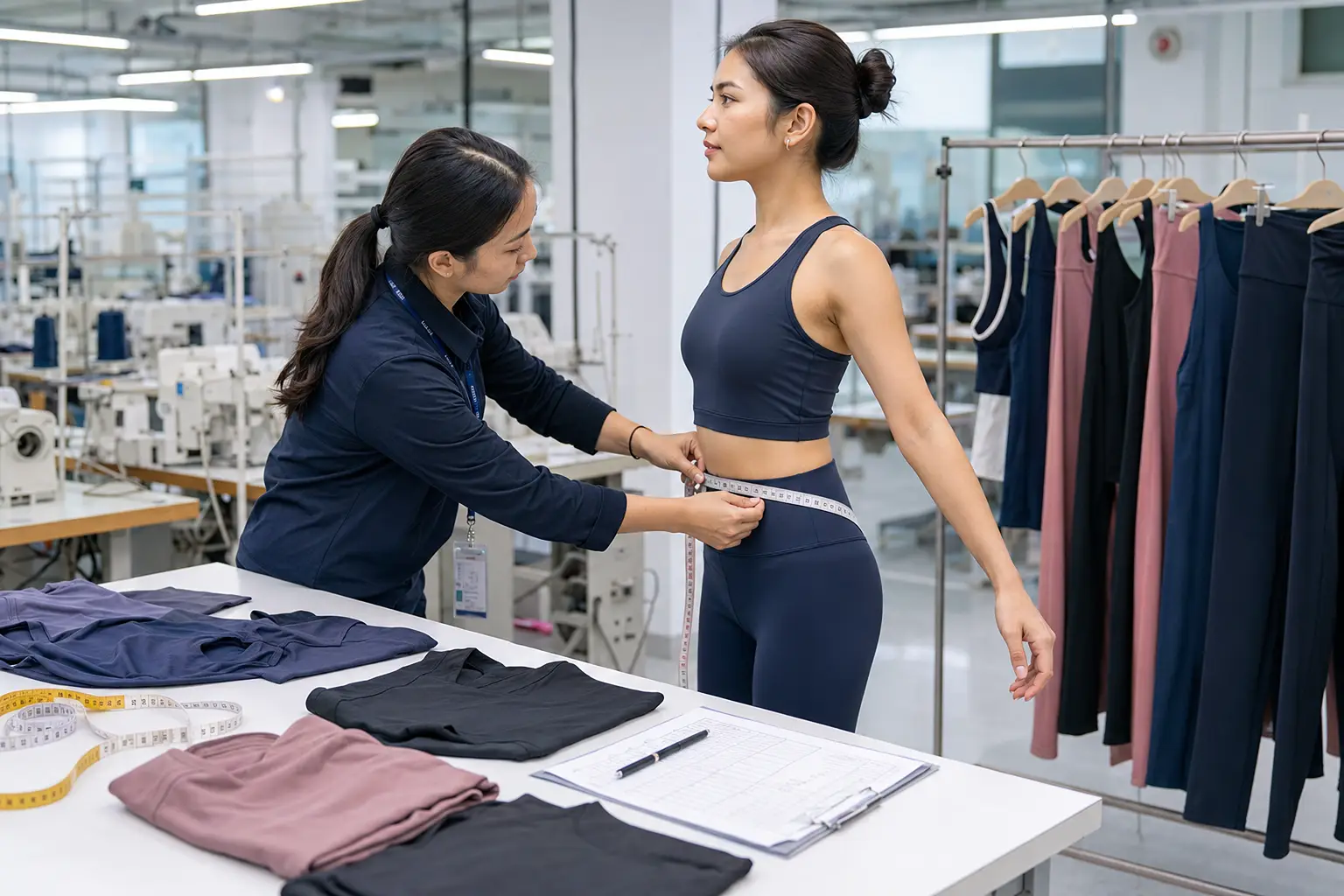
La lavorazione a maglia senza cuciture consente la classificazione delle taglie, ciò significa che lo stesso modello di capo può essere prodotto in una vasta gamma di taglie. La natura elastica del tessuto fa sì che si adatti bene anche alle diverse forme del corpo.