sansansports barbara wong activewear expert

Барбара Вонг

Соучредитель и бизнес-руководитель SANSANSUN Sports., производитель спортивной одежды, ориентированный на дизайн, сотрудничающий с растущими мировыми брендами.


За последнее десятилетие, Я тесно сотрудничал с основателями, дизайнеры, и продуктовые команды по всей Европе, США, и Ближний Восток, помогая им превращать идеи в масштабируемые коллекции.. Я сосредоточен не только на производстве, а на создании повторяемых продуктовых систем, которые поддерживают долгосрочный рост бренда..


Я считаю, что отличная спортивная одежда не создается тенденциями или ценами., но по выравниванию ткани, функция, и пользовательский опыт. Через нашу систему MDMD (Материал–Дизайн–Производство–Доставка), мы помогаем брендам снизить риск развития, улучшить согласованность, и двигаться быстрее с уверенностью.


В этом блоге, Делюсь впечатлениями, полученными в заводских условиях, реальные кейсы клиентов, и практическое мышление при разработке продукта, тканевая стратегия, и масштабирование проблем в индустрии спортивной одежды.

изображение

Как GSM влияет на леггинсы: 300GSM против 220 г/м2 для комфорта при приседаниях

GSM определяет покрытие и уверенность. Compare 300gsm vs 220gsm leggings for true squat-proof comfort and support. Don't miss out!

Learn More
5

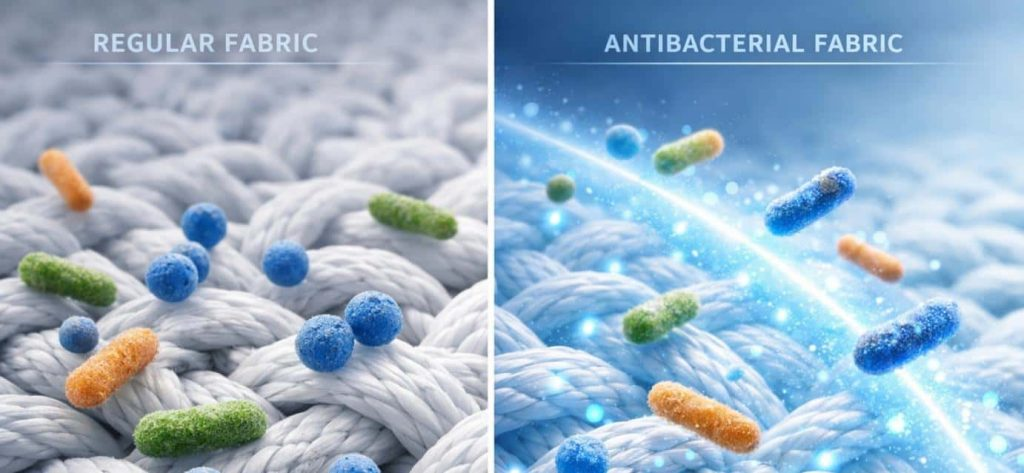
Спортивная одежда против запаха: Ион серебра против натуральных минералов

Пот — естественная часть каждой тренировки., especially during in daily fitness routines. Однако, bad odor in leggings, спортивные бюстгальтеры, and gym tops is something no one enjoys. Even after washing, some activewear still smells, which can be frustrating for users and damaging for brands. That’s why modern anti odor activewear uses special fabric technology to reduce bacteria and control smell. Сегодня, the two most common solutions in the market are silver ion antimicrobial fabric and natural mineral deodorizing fabric. In this article, we explain how each technology works, how they affect the environment, расходы, комфорт, and performance—so you ...

Learn More
What Materials Cannot Be Recycled2

Какие материалы не подлежат вторичной переработке? Текстильное издание для брендов (2026 Ссылка)

Текстильные материалы, содержащие более 2-3% elastane or incompatible coatings like PU/PVC pose significant recycling barriers, leading to substantial landfill waste and hindering brand sustainability goals. For product designers and material developers, understanding these limitations is critical. This guide details why fabrics with >3 wt% EVOH or carbon black pigment challenge 2026 recycling standards. It outlines solutions, including HKRITA’s Green Machine technology and specific supplier clauses for compliance. Textile Materials Hard to Recycle Textile materials that are difficult to recycle typically feature complex constructions, including blended fibers, significant elastomer content like Spandex, and heavy chemical finishes. These attributes complicate both mechanical ...

Learn More
Polyester vs Recycled Polyester4

Полиэстер против переработанного полиэстера: Что должен выбрать ваш бренд? (2026 Гид)

В этом руководстве анализируются различия производства полиэфиров.(этилентерефталат), сравнивает характеристики ткани, такие как прочность на разрыв 3,5–5,5 сН/дтекс., and details GRS certifications to inform your 2026 материальная стратегия. Polyester vs Recycled Polyester Virgin polyester and recycled polyester are both poly(этилентерефталат) (ДОМАШНИЙ ПИТОМЕЦ) на химическом уровне. Их основное различие заключается в происхождении сырья и влиянии переработки.. Переработанный ПЭТ, обычно из пластиковых бутылок и текстильных отходов, обеспечивает значительную экологическую экономию энергии, углерод, и вода. Хотя в целом похожи, rPET может демонстрировать небольшие различия в характеристиках в таких областях, как удлинение и стойкость к истиранию.. Shared Chemistry and Feedstock Origin At their core, both virgin and recycled ...

Learn More
is Recycled Polyester Safe

Безопасен ли переработанный полиэстер? Здоровье, Микропластик & Объяснение производительности (2026)

Unaddressed concerns around chemical residues or microplastic shedding risk compromising product integrity and exposing businesses to compliance failures. This guide provides technical clarity, analyzing the 30 mg/kg antimony limits under OEKO-TEX Standard 100, tracing content via GRS, and assessing shedding with ISO 4484-1 to ensure robust material specifications. Безопасен ли переработанный полиэстер? Recycled polyester is safe for use in apparel and textile products. It meets rigorous chemical safety standards and relies on strict process controls. Global standards, like China’s GB/T 40351‑2021 and OEKO‑TEX Standard 100, ensure harmful substances stay below acceptable limits, validating its use in consumer textiles by 2026. ...

Learn More
Polyester vs Spandex

Polyester vs Spandex: Which Fabric Performs Better for Modern Apparel? (2026 Гид)

This guide explores core differences like poly(этилентерефталат) versus segmented polyurethane, details performance metrics such as ASTM D2594 for stretch, and covers care protocols (например, 20-25 °C washes) for fabric blends. Polyester vs Spandex: What’s the Key Difference? Полиэстер (поли(этилентерефталат)) acts as the strong, прочный, and structurally stable component in fabrics, providing shape retention and abrasion resistance. Спандекс (segmented polyurethane) is an elastomer known for its extreme, reversible elasticity, allowing fabrics to stretch significantly and recover their shape. It’s commonly used at low percentages in blends to add comfort and performance stretch. Fundamental Differences: Structure vs. Elasticity Polyester and ...

Learn More
Показ слайда 1 из 7