GSM がレギンスに与える影響: 300gsm と 220gsm でスクワットプルーフの快適性を実現
GSM defines coverage and confidence. Compare 300gsm vs 220gsm leggings for true squat-proof comfort and support. Don't miss out!
SANSANSUN Sports の共同創設者兼ビジネスリーダー, 成長する世界的ブランドと提携するデザイン主導のアクティブウェア メーカー.
過去10年間にわたって, 私は創業者と緊密に協力してきました, デザイナー, ヨーロッパ各地の製品チームと, 米国, 中東 - アイデアをスケーラブルなコレクションに変えるのを支援. 私の焦点は生産だけではありません, ただし、長期的なブランド成長をサポートする反復可能な製品システムの構築が重要です。.
優れたアクティブウェアはトレンドや価格によって作られるものではないと私は信じています, しかし、生地の配置によって, 関数, ユーザーエクスペリエンスと. 弊社のMDMDシステムを通じて (材料-設計-製造-納品), 私たちはブランドが開発リスクを軽減できるよう支援します, 一貫性を向上させる, 自信を持ってより速く行動できます.
このブログで, 工場現場からの洞察を共有します, 実際のクライアントの事例, 製品開発に関する実践的な考え方, ファブリック戦略, アクティブウェア業界における課題の拡大と拡大.
GSM defines coverage and confidence. Compare 300gsm vs 220gsm leggings for true squat-proof comfort and support. Don't miss out!
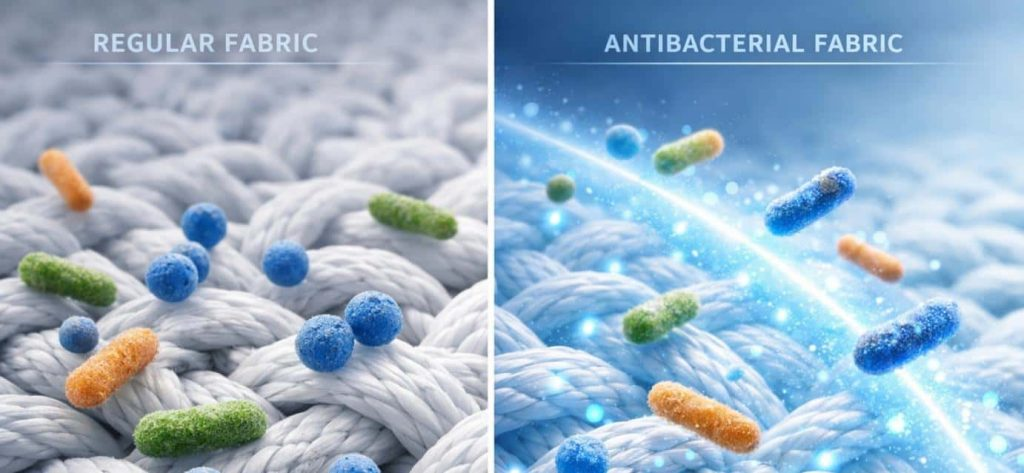
Sweat is a natural part of every workout, especially during in daily fitness routines. しかし, bad odor in leggings, スポーツブラ, and gym tops is something no one enjoys. Even after washing, some activewear still smells, which can be frustrating for users and damaging for brands. That’s why modern anti odor activewear uses special fabric technology to reduce bacteria and control smell. 今日, the two most common solutions in the market are silver ion antimicrobial fabric and natural mineral deodorizing fabric. この記事では, we explain how each technology works, how they affect the environment, 料金, 快適, and performance—so you ...
Textile materials containing over 2-3% elastane or incompatible coatings like PU/PVC pose significant recycling barriers, leading to substantial landfill waste and hindering brand sustainability goals. For product designers and material developers, understanding these limitations is critical. This guide details why fabrics with >3 wt% EVOH or carbon black pigment challenge 2026 recycling standards. It outlines solutions, including HKRITA’s Green Machine technology and specific supplier clauses for compliance. Textile Materials Hard to Recycle Textile materials that are difficult to recycle typically feature complex constructions, including blended fibers, significant elastomer content like Spandex, and heavy chemical finishes. These attributes complicate both mechanical ...
This guide analyzes the production distinctions of poly(ethylene terephthalate), compares fabric performance like 3.5–5.5 cN/dtex tenacity, and details GRS certifications to inform your 2026 material strategy. Polyester vs Recycled Polyester Virgin polyester and recycled polyester are both poly(ethylene terephthalate) (PET) at a chemical level. Their main difference lies in feedstock origins and processing impacts. Recycled PET, typically from plastic bottles and textile waste, offers significant environmental savings in energy, carbon, and water. While generally similar, rPET can show slight performance variations in areas like elongation and abrasion resistance. Shared Chemistry and Feedstock Origin At their core, both virgin and recycled ...
Unaddressed concerns around chemical residues or microplastic shedding risk compromising product integrity and exposing businesses to compliance failures. This guide provides technical clarity, analyzing the 30 mg/kg antimony limits under OEKO-TEX Standard 100, tracing content via GRS, and assessing shedding with ISO 4484-1 to ensure robust material specifications. Is Recycled Polyester Safe? Recycled polyester is safe for use in apparel and textile products. It meets rigorous chemical safety standards and relies on strict process controls. Global standards, like China’s GB/T 40351‑2021 and OEKO‑TEX Standard 100, ensure harmful substances stay below acceptable limits, validating its use in consumer textiles by 2026. ...
This guide explores core differences like poly(ethylene terephthalate) versus segmented polyurethane, details performance metrics such as ASTM D2594 for stretch, and covers care protocols (例えば, 20-25 °C washes) for fabric blends. Polyester vs Spandex: What’s the Key Difference? ポリエステル (poly(ethylene terephthalate)) acts as the strong, 耐久性のある, and structurally stable component in fabrics, providing shape retention and abrasion resistance. スパンデックス (segmented polyurethane) is an elastomer known for its extreme, reversible elasticity, allowing fabrics to stretch significantly and recover their shape. It’s commonly used at low percentages in blends to add comfort and performance stretch. Fundamental Differences: Structure vs. Elasticity Polyester and ...